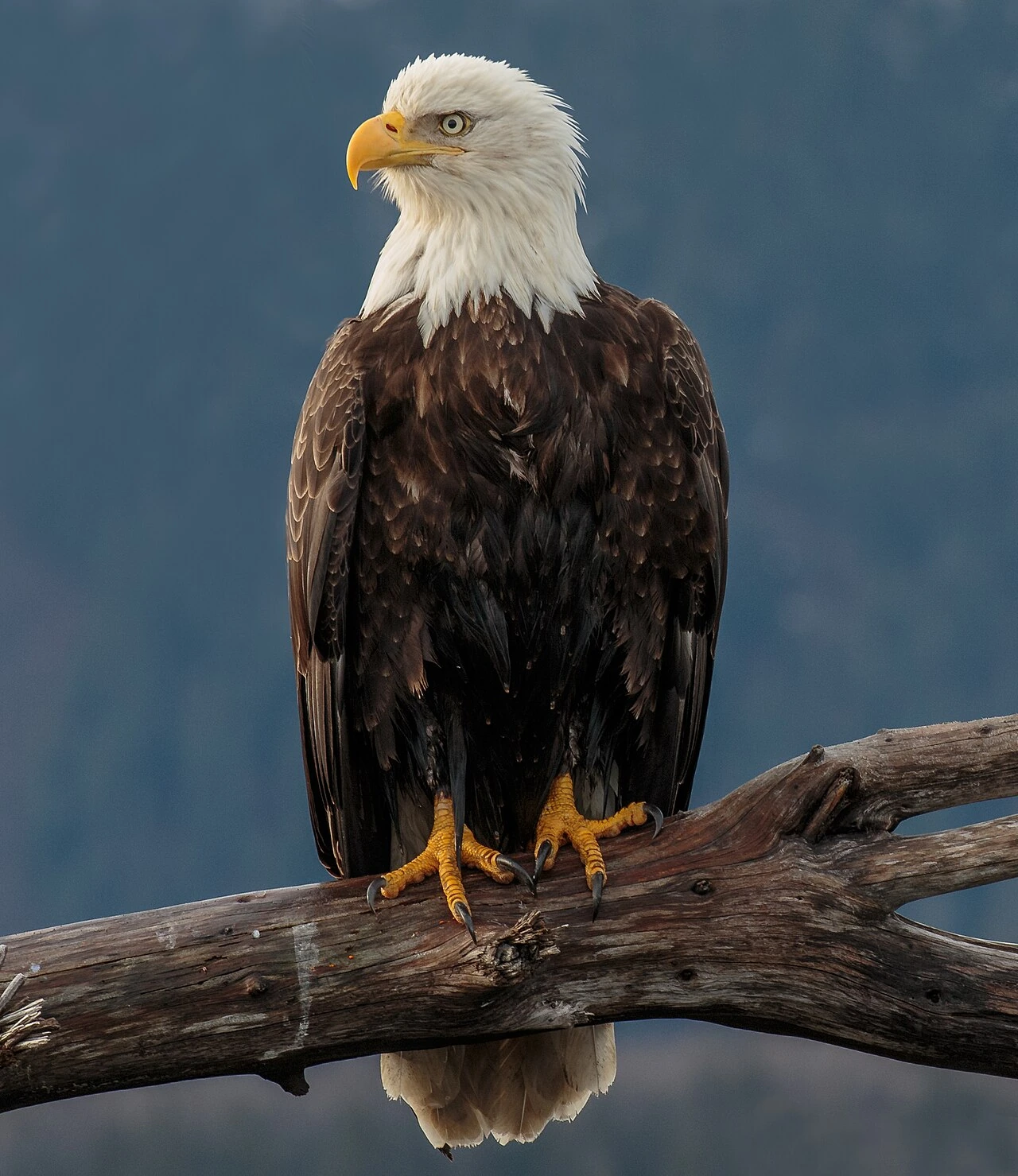
The official bird of the United States is the bald eagle (Haliaeetus leucocephalus). This became formal federal law on December 23, 2024, when Congress enacted Public Law 118-206, amending Title 36 of the U.S. Code to designate the bald eagle as the national bird. If you were looking for the state bird of a specific state, that's a separate designation entirely, and every one of the 50 states has its own official bird chosen independently.
What Is the Bird of the United States? National and State Birds

Marcus Webb
28 Apr 2026
National bird vs. state birds: two different things
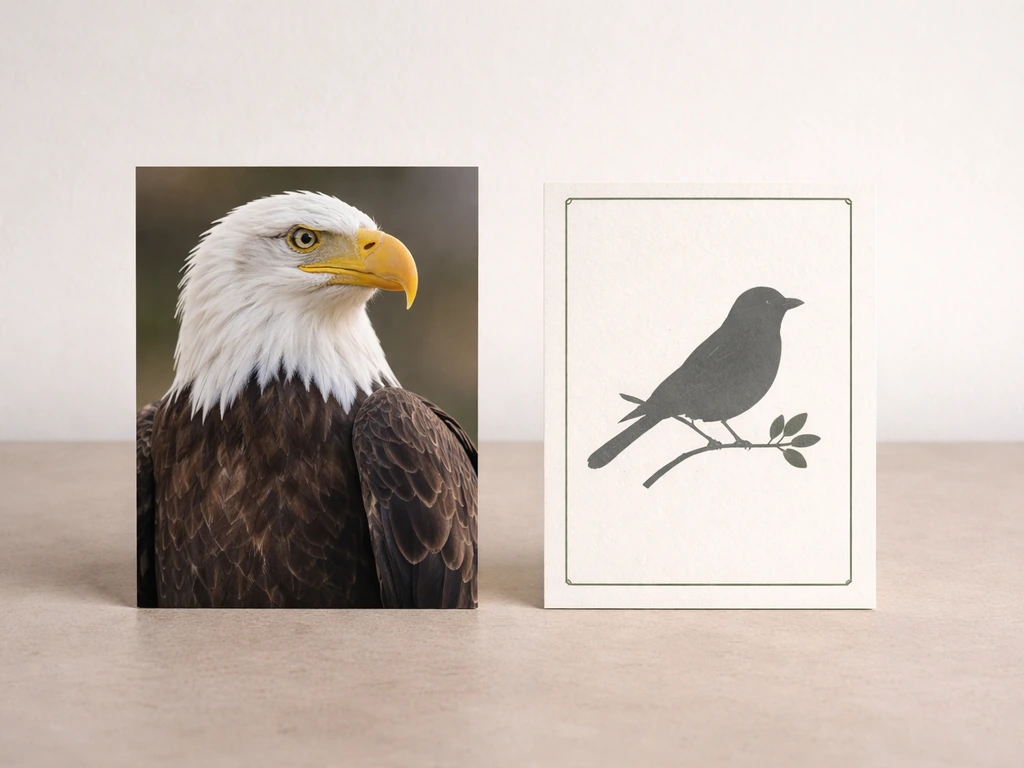
The phrase "bird of the United States" can mean two genuinely different things, and it's worth separating them clearly before going further. The first meaning is the national bird, which is the bald eagle, recognized at the federal level and representing the country as a whole. The second meaning, which is actually what most people are searching for, is the state bird of a particular U. Oklahoma’s state bird is the Scissor-tailed Flycatcher state bird of a particular U. S. state. S. state. These are designated by individual state legislatures, not by Congress, and they vary widely from state to state.
The confusion is understandable. When someone types "what is the bird of the United States," they might be asking about the national symbol, or they might be trying to remember which bird represents their home state. Both are legitimate questions, and both have clear, official answers. This article covers both.
The bald eagle: America's national bird, now official by law
The bald eagle has been America's most recognized avian symbol for centuries, appearing on the Great Seal of the United States since 1782. But it only became the legally designated "national bird" in December 2024, when Congress passed S.4610 (118th Congress), which became Public Law 118-206. That act amended Title 36 of the U.S. Code (36 U.S.C. § 306) to formally codify what had long been assumed. So if someone argues the bald eagle isn't "officially" the national bird, that argument expired on December 23, 2024.
The bald eagle was also protected under the Bald and Golden Eagle Protection Act, and it famously recovered from near-extinction after the banning of DDT in 1972. It was removed from the Endangered Species List in 2007. The bird you see soaring over rivers and reservoirs today is a genuine conservation success story, not just a symbol.
Recognizing a bald eagle in the field
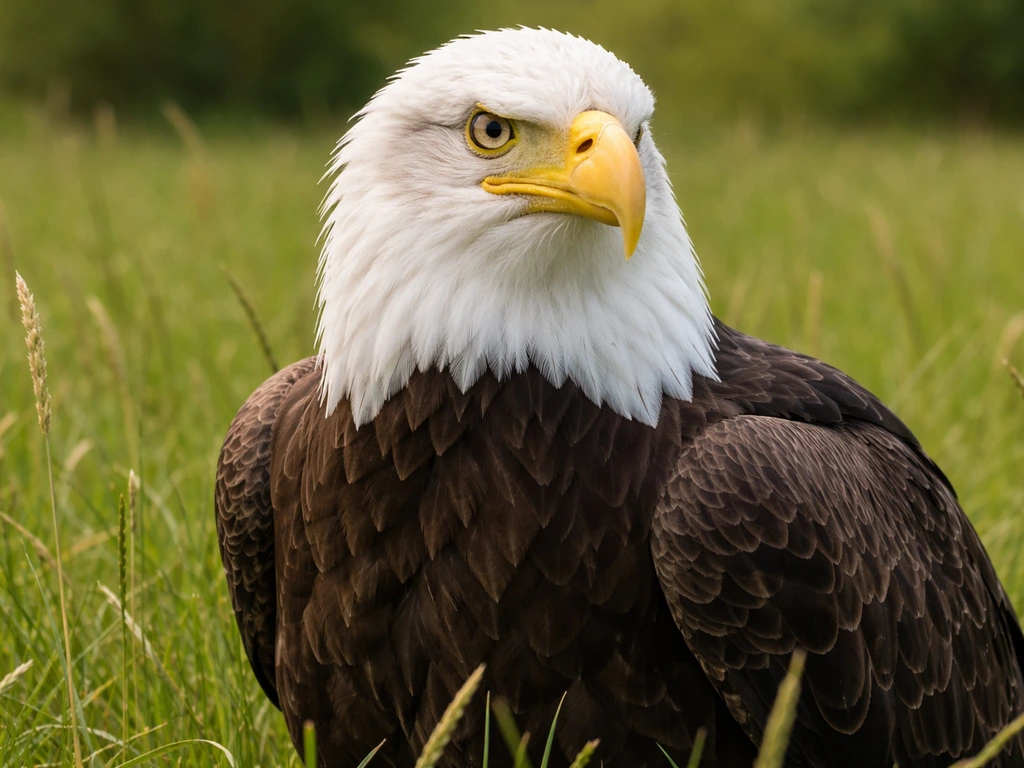
Adult bald eagles are hard to misidentify once you know what to look for. They have a white head and tail, a dark brown body, and a bright yellow hooked bill. Wingspan runs from about 6 to 7.5 feet, making them one of the largest birds of prey in North America. Juveniles are mostly dark brown with mottled white patches and don't develop the white head and tail until around age 4 or 5, which is where most confusion with other raptors happens.
The most common lookalike is the golden eagle, which is also large and dark but has a golden-brown nape, no white tail, and tends to hunt in open, drier terrain rather than near water. Ospreys are sometimes mistaken for bald eagles from a distance, but ospreys are smaller, have a white underside, and show a distinctive dark eye stripe. Turkey vultures are also large soaring birds but hold their wings in a pronounced V shape (called a dihedral) and have small, featherless red heads.
How official state birds actually work
Each state designates its own official state bird through a legislative act or resolution passed by the state legislature and signed into law by the governor. There's no federal oversight of this process, no standardized criteria, and no requirement that states pick a bird native to the state (though most do). Some states chose their birds as early as the 1920s, while others took until the 1970s and beyond. The designations reflect local pride, ecological significance, cultural symbolism, or sometimes just the result of a schoolchildren's vote.
"Official" in this context means legally designated by the state, not just popularly associated with it. The state bird appears in state statutes, and in many states it's a protected species as a result of that designation. It's a genuine legal symbol, the same category as the state flower, state tree, or state flag.
How to find the official state bird for any state
The quickest path is to search directly for the state you're interested in. Each state has its own page on this site with the official bird, why it was chosen, identification details, and historical context. That includes why the Scissor-tailed Flycatcher became Oklahoma’s state bird and what makes it a good fit why it was chosen. If you're looking for a specific state, the pattern is simple: search "state bird of [state name]" and you'll get a direct answer. Below is a quick reference for all 50 states.
| State | Official State Bird |
|---|---|
| Alabama | Northern Flicker (Yellowhammer) |
| Alaska | Willow Ptarmigan |
| Arizona | Cactus Wren |
| Arkansas | Northern Mockingbird |
| California | California Quail |
| Colorado | Lark Bunting |
| Connecticut | American Robin |
| Delaware | Delaware Blue Hen (Blue Hen Chicken) |
| Florida | Northern Mockingbird |
| Georgia | Brown Thrasher |
| Hawaii | Hawaiian Goose (Nene) |
| Idaho | Mountain Bluebird |
| Illinois | Northern Cardinal |
| Indiana | Northern Cardinal |
| Iowa | American Goldfinch |
| Kansas | Western Meadowlark |
| Kentucky | Northern Cardinal |
| Louisiana | Brown Pelican |
| Maine | Black-capped Chickadee |
| Maryland | Baltimore Oriole |
| Massachusetts | Black-capped Chickadee |
| Michigan | American Robin |
| Minnesota | Common Loon |
| Mississippi | Northern Mockingbird |
| Missouri | Eastern Bluebird |
| Montana | Western Meadowlark |
| Nebraska | Western Meadowlark |
| Nevada | Mountain Bluebird |
| New Hampshire | Purple Finch |
| New Jersey | American Goldfinch |
| New Mexico | Greater Roadrunner |
| New York | Eastern Bluebird |
| North Carolina | Northern Cardinal |
| North Dakota | Western Meadowlark |
| Ohio | Northern Cardinal |
| Oklahoma | Scissor-tailed Flycatcher |
| Oregon | Western Meadowlark |
| Pennsylvania | Ruffed Grouse |
| Rhode Island | Rhode Island Red (Chicken) |
| South Carolina | Carolina Wren |
| South Dakota | Ring-necked Pheasant |
| Tennessee | Northern Mockingbird |
| Texas | Northern Mockingbird |
| Utah | California Gull |
| Vermont | Hermit Thrush |
| Virginia | Northern Cardinal |
| Washington | Willow Goldfinch (American Goldfinch) |
| West Virginia | Northern Cardinal |
| Wisconsin | American Robin |
| Wyoming | Western Meadowlark |
States that share the same bird
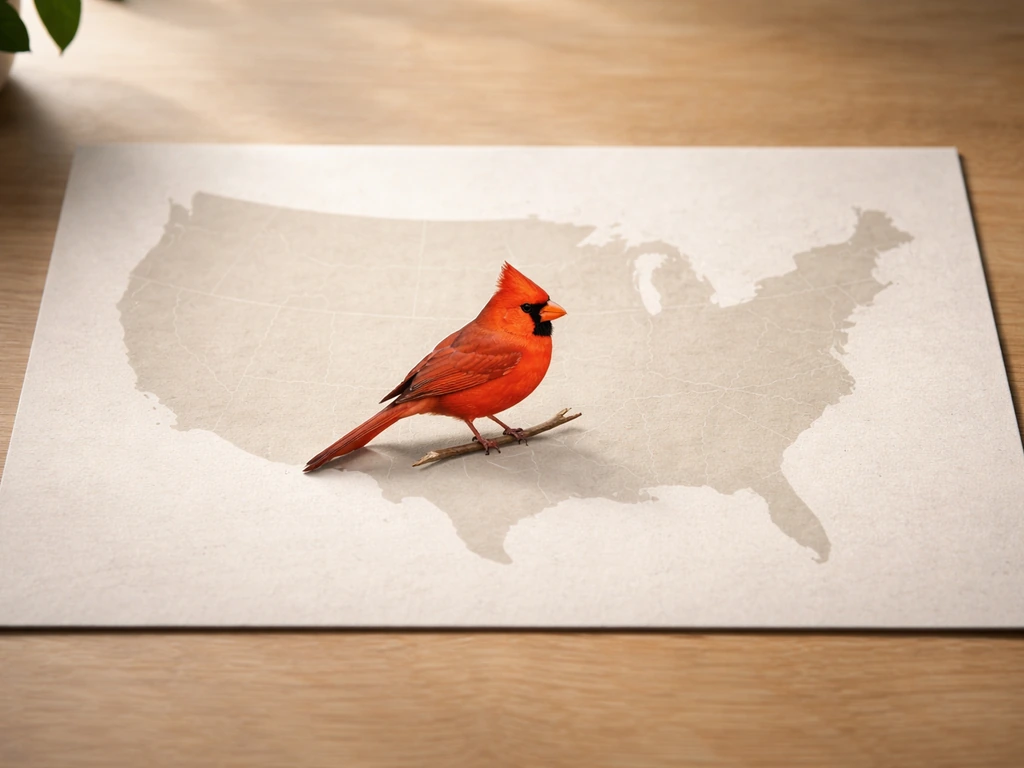
One of the more interesting patterns across state birds is how often different states landed on the same species. Seven states share the Northern Cardinal, six share the Western Meadowlark, five share the Northern Mockingbird, and three share the American Robin. Texas Parks & Wildlife Publications notes that the blank" rel="noopener noreferrer">Northern Mockingbird is the state bird of Texas. Here's how that breaks down:
| Bird Species | States That Claim It |
|---|---|
| Northern Cardinal | Illinois, Indiana, Kentucky, North Carolina, Ohio, Virginia, West Virginia |
| Western Meadowlark | Kansas, Montana, Nebraska, North Dakota, Oregon, Wyoming |
| Northern Mockingbird | Arkansas, Florida, Mississippi, Tennessee, Texas |
| American Robin | Connecticut, Michigan, Wisconsin |
| Mountain Bluebird | Idaho, Nevada |
| Black-capped Chickadee | Maine, Massachusetts |
| American Goldfinch | Iowa, New Jersey, Washington |
| Eastern Bluebird | Missouri, New York |
| Willow Ptarmigan | Alaska (unique) |
| Scissor-tailed Flycatcher | Oklahoma (unique) |
The Northern Cardinal's dominance in the eastern and midwestern states reflects both its year-round visibility and its cultural popularity. The Western Meadowlark sweeping six Great Plains and western states tells a similar story: it's a highly visible, melodic bird that was deeply familiar to settlers and residents of those regions when the designations were made. Meanwhile, states like Oklahoma stand out for choosing a genuinely distinctive and regionally specific bird. Oklahoma's state bird is the Scissor-tailed Flycatcher what is oklahoma's state bird. The Scissor-tailed Flycatcher is found in a relatively narrow range and is strongly associated with Oklahoma's identity, which is exactly the kind of specificity that makes state bird comparisons interesting.
Oklahoma is also notable because the Scissor-tailed Flycatcher appears on the Oklahoma state quarter. Similarly, the Mountain Bluebird appears on the Idaho quarter. If you're curious about the bird on U. The bird on the dollar bill is the bald eagle, which is why it also appears on many other U.S. coins bald eagle appears on the dollar bill. S. currency more broadly, the bald eagle appears on the dollar bill and numerous coins, which connects directly back to its role as the national symbol.
Where to go from here
If you came here to settle a quick trivia question, you now have the answer: the national bird of the United States is the bald eagle, officially designated by federal law in December 2024. The bird on the U.S. dollar bill is different from the official national bird, which is the bald eagle what is the bird on the dollar bill. If you were actually looking for a specific state bird, the table above gives you a fast lookup, and each state has its own dedicated page on this site with full details.
For deeper exploration, the most rewarding directions are usually the "why" questions rather than just the "what." Why did Oklahoma pick the Scissor-tailed Flycatcher instead of a more widespread species? Why do seven states share the Cardinal? Why did some states choose domestic breeds like the Rhode Island Red or Delaware Blue Hen instead of wild birds? Those stories get into regional history, legislative politics, and genuine ecological reasoning that makes state birds far more interesting than a simple list.
You can also look at the patterns comparatively: which states chose birds that are now threatened, which designations came from schoolchildren's votes, and how designations have (or haven't) changed over the decades. The American state bird system is a surprisingly rich window into how different regions understand their own identity, landscape, and natural history.
FAQ
When someone says “bird of the United States,” how can I tell if they mean the national bird or a state bird?
If you mean a legally designated state bird, you need the bird for your specific state, not a national “default.” The national bird is the bald eagle, but state birds are set by each state’s legislature, so the correct answer depends entirely on where you live or where you’re looking up.
Can the national bird also be a state bird in a specific state?
Yes, it is possible for the same bird to be the national bird and also a state bird, but in the common comparisons most states pick different species. In practice, you should verify your state’s official list rather than assume a shared species across levels.
Did the federal law in December 2024 also decide or influence state birds?
No. Public Law 118-206 made the bald eagle the official national bird, but it did not create or control the state bird process. State birds remain independent legal choices made by state legislatures, so federal law does not standardize criteria like “must be native” or “must be found in every county.”
What does “official state bird” mean, and is a popular nickname enough?
For state birds, “official” means the designation appears in state law or a signed legislative act, not just a popular nickname. If a bird is frequently associated with a state but not in the statute, it is not truly the official state bird.
Do state birds have to be native to the state or only found there?
Usually, states can choose a bird even if it is not restricted to the state, because the laws do not require a narrow native-only range. Many choices are strongly tied to local ecology, but you should expect some birds to be wider-ranging than the state boundary.
How can I confirm a state bird listing is still current, not an outdated claim?
If you’re unsure whether you’re reading a current designation, look for the state’s most recent statute or the current official reference, since some states adopted state birds decades ago or updated through new legislative actions. The “official” answer is the one reflected in the state’s current legal designation.
What’s the best way to identify a bald eagle if you’re looking at a juvenile?
Yes, there are common lookalikes, but age matters. Juvenile bald eagles do not show the white head and tail yet (often until around age 4 or 5), so the safest field check is the overall shape and bill color plus the “white head and tail” trait that should be visible on adults.
What field marks help distinguish a bald eagle from a golden eagle in real life?
Distance can fool you, but in many cases the golden eagle and bald eagle differences show up in the details: golden eagles have a golden-brown nape and generally lack the white tail, while bald eagles have the white head and tail and are commonly seen near water like rivers and reservoirs.
What’s the fastest way to get the correct answer when I only remember part of the question?
For quick trivia or homework, start with the intended level: “national bird” is always the bald eagle, while “state bird” requires the state name. If you provide the state name, you can look up the state bird directly and avoid the most common mix-up.
If multiple states share the same bird, how do their reasons for choosing it usually differ?
If you’re looking for “why,” check whether the designation mentions culture, visibility, or a historical selection process like a school vote. Those reasons are often different for each state, even when the same bird species appears in multiple states.
Next Articles

What Is Oklahoma’s State Bird? Scissor-Tailed Flycatcher
Oklahoma state bird is the scissor-tailed flycatcher, how to spot it, plus best places and times to see it.
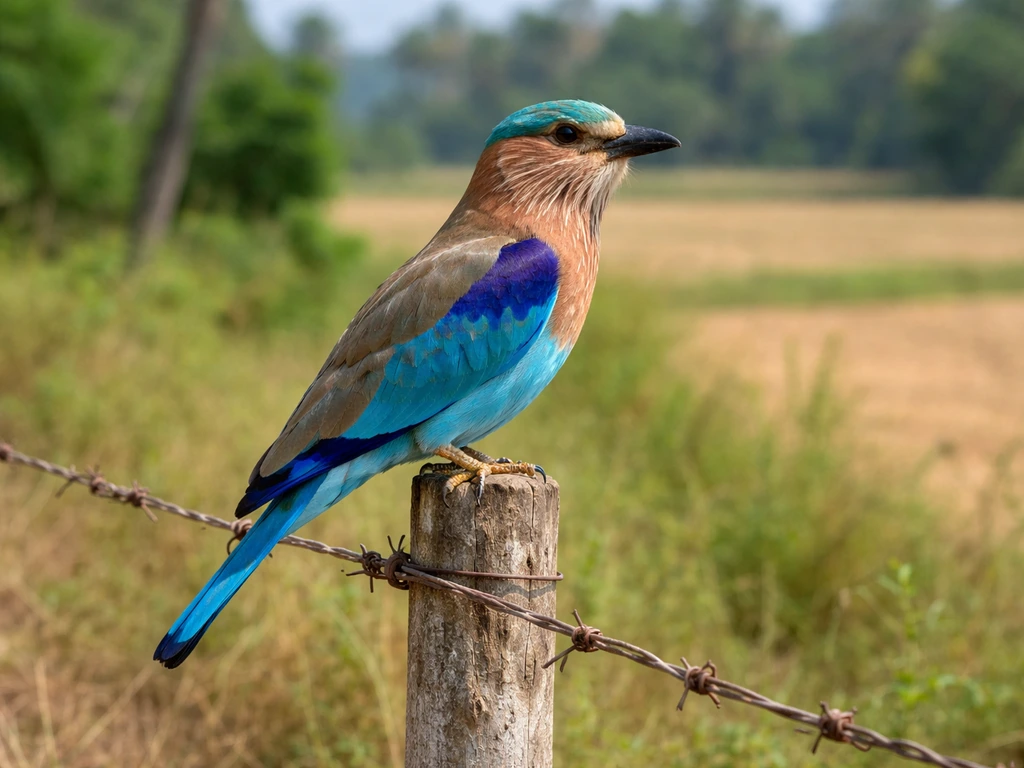
Which Is Karnataka State Bird? Identification and Facts
Discover Karnataka’s official state bird, key ID traits, where to spot it, and why it was chosen.
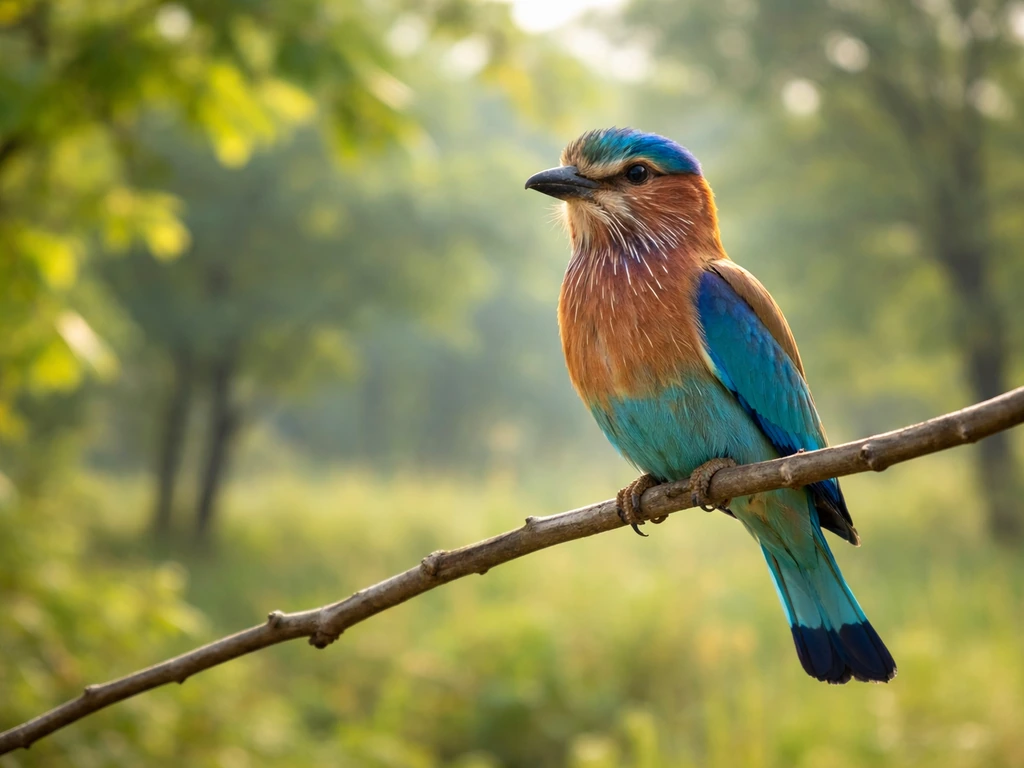
What Is the Telangana State Bird? Official Bird and How to Spot It
Discover Telangana’s official state bird, key traits to spot it, and why it was chosen, with quick context.