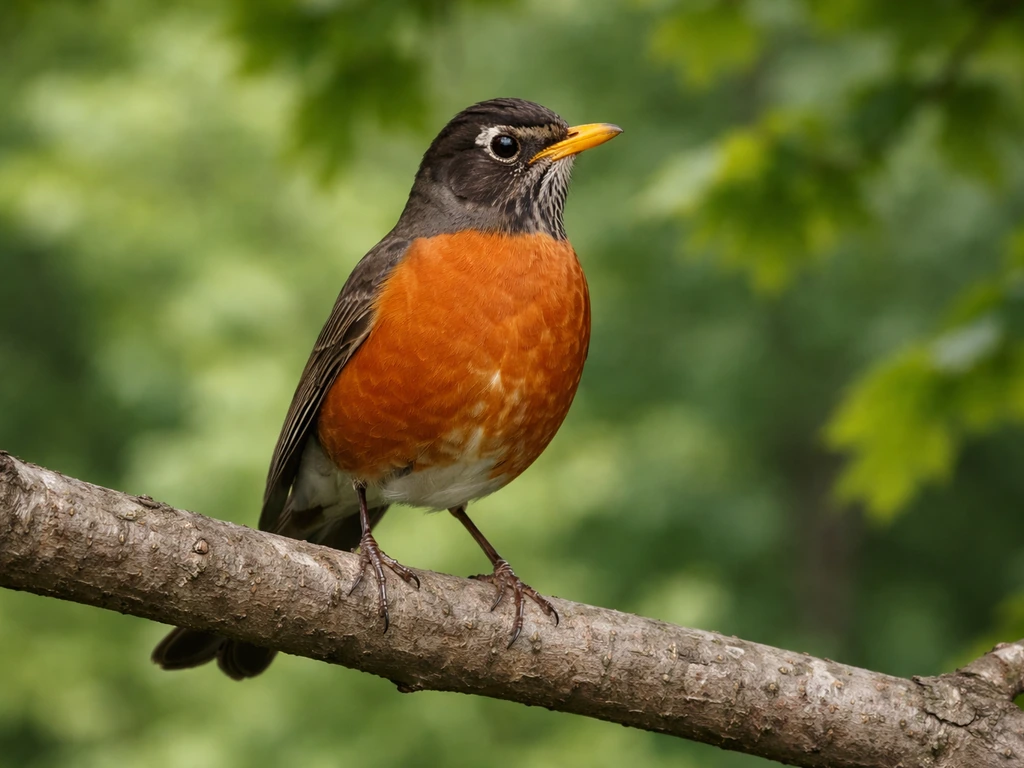
Three states claim the robin as their official state bird: Connecticut, Michigan, and Wisconsin. In every case, the bird is the American robin (Turdus migratorius), the familiar orange-breasted thrush most people already know from their lawns and backyards. So if you are wondering which state bird is the robin, the answer is all three of those states, not just one. If you are specifically asking why the American robin is Connecticut's state bird, the state adopted it in 1943 through the General Assembly's official process.
What State Bird Is the Robin? Which State Chose It

Marcus Webb
3 May 2026
Which states officially have the robin as their state bird
Connecticut was the first of the three to put the robin into law. The General Assembly adopted the American robin as the official state bird in 1943. Michigan got there first chronologically, with the Legislature passing a resolution on May 21, 1931, based on an election conducted by the Michigan Audubon Society. Wisconsin followed, and its statute reads exactly: 'The robin (turdus migratorius) is the state bird.' Each state arrived at the same bird through a different process, but they all landed on Turdus migratorius.
| State | Official Name Used | Scientific Name | Year Adopted | How It Was Chosen |
|---|---|---|---|---|
| Connecticut | American robin | Turdus migratorius | 1943 | Act of the General Assembly |
| Michigan | American robin (historically 'robin redbreast') | Turdus migratorius | 1931 | Legislature resolution; Michigan Audubon Society election |
| Wisconsin | The robin | Turdus migratorius | 1949 | Schoolchildren vote, 2-to-1 over nearest competitor |
The exact species: American robin, Turdus migratorius
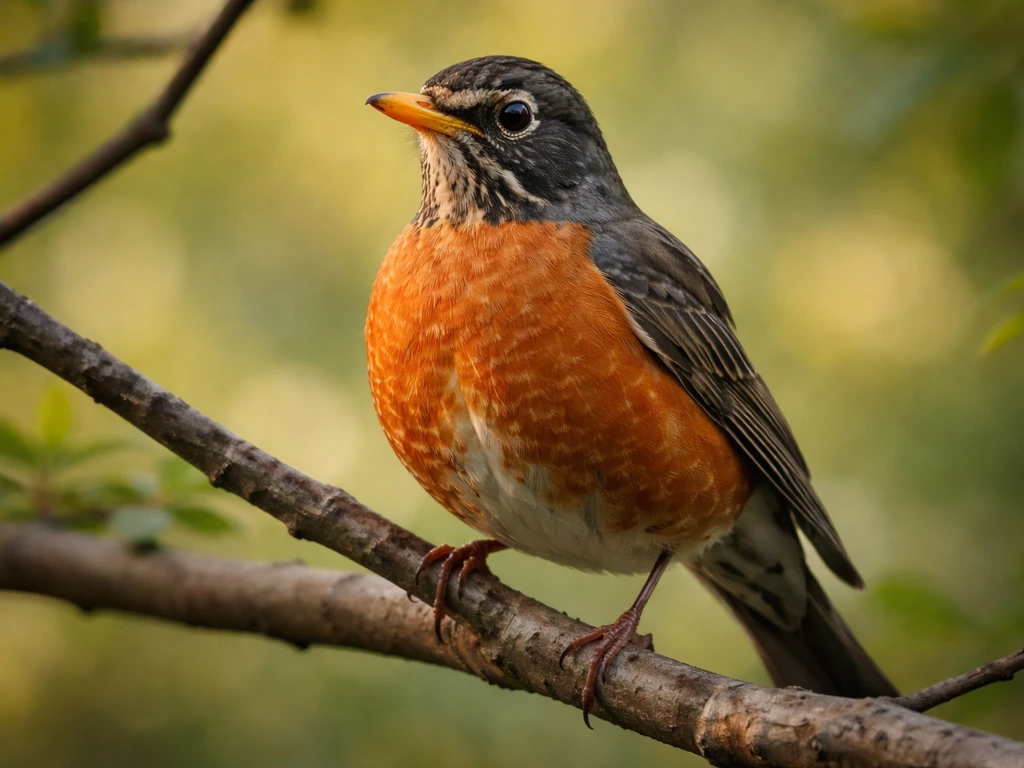
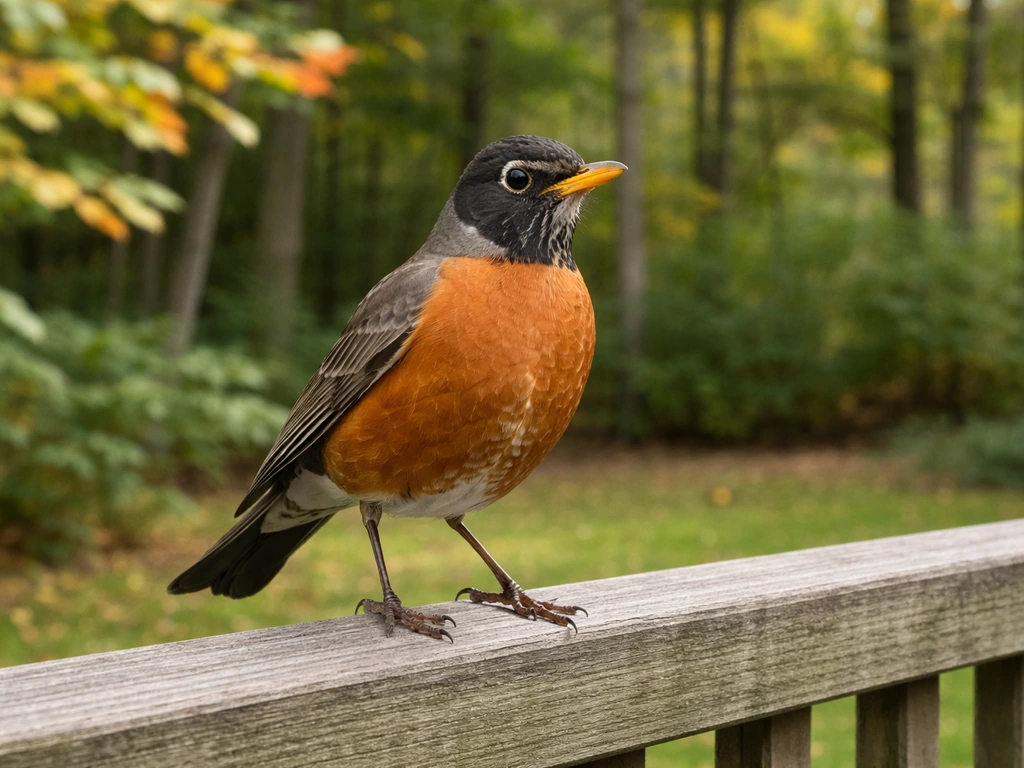
The bird in question is the American robin, Turdus migratorius. It is a member of the thrush family, not a 'true robin' in the European sense. Connecticut's official symbols page describes it as 'our robin, a true thrush,' which is a useful distinction if you have ever wondered why it looks nothing like the small European robin. At around 10 inches long with a brick-red to orange breast, dark gray-to-black upperparts, and a clear, musical song, the American robin is one of the most recognizable birds in North America. If you are trying to match what you see in the yard to the state bird designation, the orange breast is the giveaway.
Official designation vs. the bird in your backyard
State bird designations sometimes use informal common names that can create confusion. Michigan's original legislative text referred to the bird as 'robin redbreast,' which is an older colloquial name. blank" rel="noopener noreferrer">Wisconsin's statute simply says 'the robin. Wisconsin statute provides that "blank" rel="noopener noreferrer">the robin (Turdus migratorius) is the state bird.". ' Connecticut goes the furthest in being precise, with its statute reading: 'The American robin, Turdus migratorius, shall be the state bird.' The scientific name in each case nails it down definitively. Whatever name appears in the statute, whether 'robin,' 'American robin,' or 'robin redbreast,' they all refer to the same species: Turdus migratorius.
This matters because the word 'robin' is used loosely in everyday language. There are robins in Europe, Australia, and elsewhere that are completely different species. When you are cross-referencing a state bird list and see just 'robin,' always check for the scientific name. If it says Turdus migratorius, you have your confirmation.
How to quickly confirm a state's robin designation
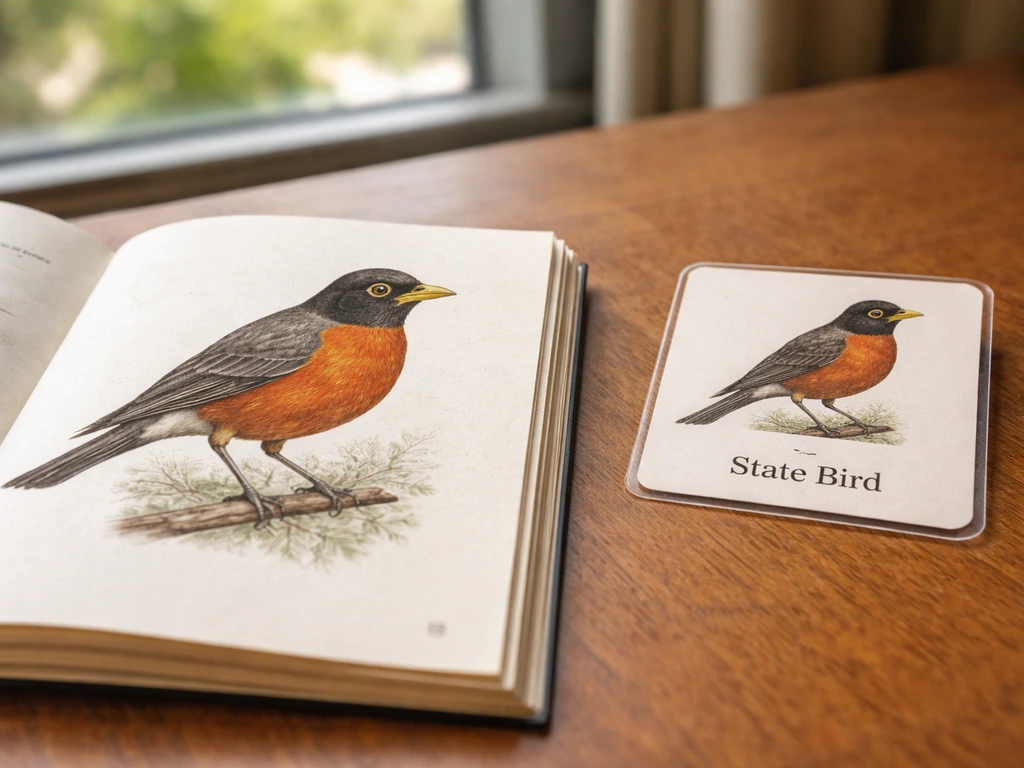
- Search the state's name plus 'state bird statute' or 'official state symbols.' Every state publishes this through its legislature or official .gov portal.
- Look for the scientific name in parentheses. Statutes like Wisconsin's explicitly include '(turdus migratorius)' right in the legal text, which removes any ambiguity about which robin is meant.
- Cross-check with a reputable bird reference such as the Britannica species page for the American robin, which confirms Connecticut, Michigan, and Wisconsin as the three states.
- If you see 'robin redbreast' in an older reference (especially for Michigan), treat it as equivalent to American robin. The Michigan Audubon Society election used that phrasing, but the species is the same.
- For Wisconsin specifically, note that the schoolchildren's vote gave the robin a 2-to-1 margin over its nearest competitor, making this one of the clearest public mandates for any state bird in the country.
Do any other states have a robin-related state bird?
No other U.S. state has designated any type of robin as its state bird. Connecticut, Michigan, and Wisconsin are the complete list. If you are specifically asking what the Connecticut state bird is, it is the American robin Connecticut, Michigan, and Wisconsin. There are no states that use a different robin species, no states with a bird nicknamed 'robin' that sneaks into the official designation, and no pending changes as of 2026. If you are browsing a full list of state birds and counting robin designations, the number is three.
It is worth noting that the American robin is widespread across nearly all 50 states, which is probably why three different states independently arrived at the same choice. It is one of the most commonly seen birds in the continental United States, which also explains why it is occasionally confused with or compared to state birds from neighboring states. The crow, for example, holds no state bird designation at all, making the robin's triple designation even more notable by comparison.
Why these states chose the robin
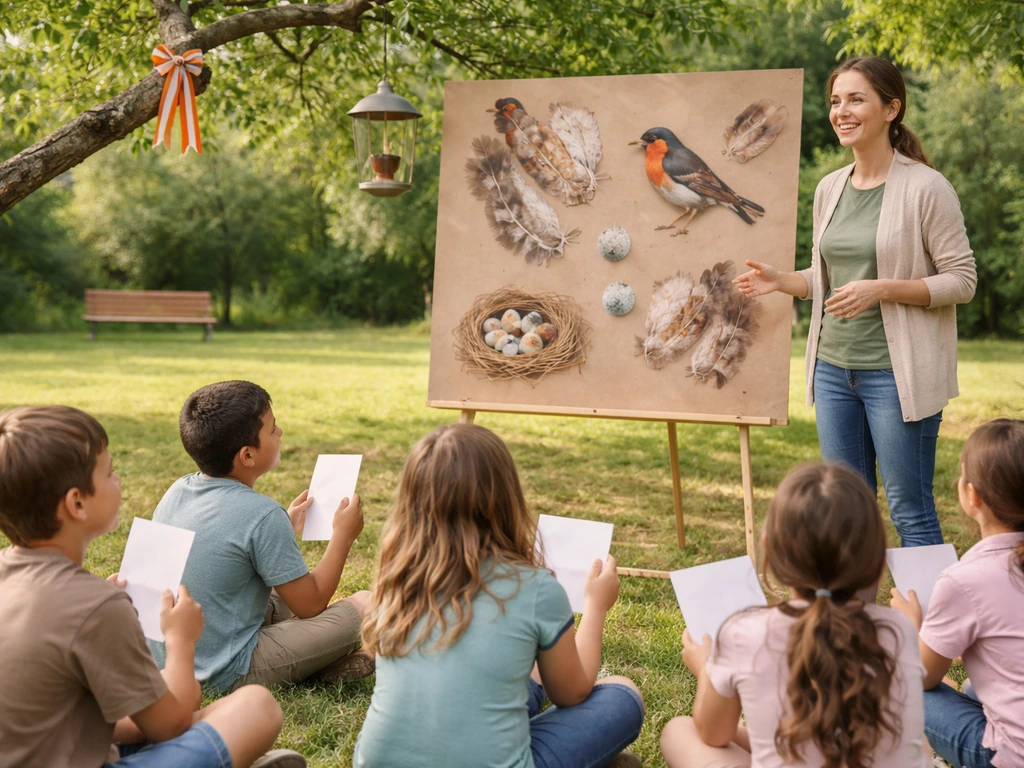
The reasons each state gave for picking the robin come down to familiarity and affection. Michigan's selection in 1931 came through the Michigan Audubon Society running a public election, and the robin won because it was the bird most residents recognized and associated with the state's spring season. The robin is one of the first birds to reappear in the Great Lakes region after winter, so it carries strong associations with seasonal change and the end of harsh winters.
Wisconsin's case is particularly charming. A Reddit birder in a Wisconsin context also uses terminology tied to the American robin's scientific name, Turdus migratorius. Schoolchildren voted on the state bird, and the robin beat every competitor by a two-to-one margin. That kind of grassroots selection, driven by kids rather than politicians or ornithologists, reflects how deeply embedded the robin was in everyday Wisconsin life by the mid-20th century.
Connecticut's General Assembly adopted the robin in 1943, citing it as a bird whose cheerful song and recognizable orange breast made it a natural emblem of the state. The official description calls it 'our robin, a true thrush,' which suggests the designation was partly about claiming the bird as a local, familiar presence rather than just picking a species from a list.
Across all three states, the common thread is that the American robin was the bird ordinary people knew, saw regularly, and connected to their sense of place. That is still the best practical reason for choosing a state bird, and it is why the designation has held up in all three states for decades without any serious challenge.
What to look up next
If you want to go deeper on any of the three states, each one has its own story worth exploring. Connecticut's designation has particularly clear legal language, making it a good model for understanding how state bird statutes are written. Michigan's history ties the robin to a broader early-20th-century conservation movement driven by organizations like the Audubon Society. And Wisconsin's schoolchildren vote is one of the more democratic stories in American state symbol history. Whether you are researching one specific state or trying to understand why three states share the same bird, the American robin's prevalence and popularity across the northeastern and midwestern United States makes the overlap make complete sense.
FAQ
If my state list just says “robin,” how can I confirm it is the American robin?
If you see “robin” on a state symbol list, it can refer to the American robin or other birds called robins in other countries. For the U.S. state-bird designations, the deciding factor is the scientific name, which should be Turdus migratorius for the robin to match these state birds.
Are there any other states that have a robin as their official state bird (or a robin-like species by another name)?
No. The article indicates there are no other U.S. state bird designations for any robin species beyond Connecticut, Michigan, and Wisconsin. So if you are counting and your total exceeds three, it is likely mixing in non-state-bird “robin” references such as state mottos, nicknames, or birdwatching lists.
Does the wording “robin redbreast” in Michigan mean a different bird than the other states?
Michigan used an older colloquial label, “robin redbreast,” in its legislative language, but the designation still points to the same species. The practical takeaway is that older wording does not change the species, so you should still treat it as Turdus migratorius when matching what you see in the yard.
What should I check in official documents if I am trying to verify the exact species?
If you want to verify a state bird in an edge case, check the statute or official government text for the scientific name (Turdus migratorius) rather than relying on the common name. Even when the common name is brief (like Wisconsin’s “the robin”), the scientific name in the legislation is what removes doubt.
How can I tell the American robin apart from other “robins” people might mean when they use the term?
The American robin is easy to confuse with the European robin because both share the word “robin,” but they are not the same kind of bird. A quick field clue mentioned in the article is the American robin’s orange to brick-red breast and its thrush-like overall look, which is quite different from the smaller European robin.
Is it safe to assume the three-state list will stay the same, or should I re-check for recent updates?
Yes, the article’s “no pending changes as of 2026” note matters for planning research. If you are using this for a class project or publication, still confirm the latest state statute or official symbols page directly, because state symbol rules can be updated even when the article says there are no changes recently.