Connecticut's official state bird is the American Robin (Turdus migratorius). The American robin is the state bird of Connecticut, and you can learn more about its recognition and history in the state. The state's General Assembly made it official in 1943, and it's been codified ever since in Connecticut General Statutes, Sec. 3-109: 'The American robin, Turdus migratorius, shall be the state bird. In May 2026, Connecticut Public also noted that the American robin has been Connecticut’s state bird since 1943 and pointed to a bit of tongue-in-cheek controversy around the decision. '
What Is the Connecticut State Bird? Identification Guide

Marcus Webb
25 Apr 2026
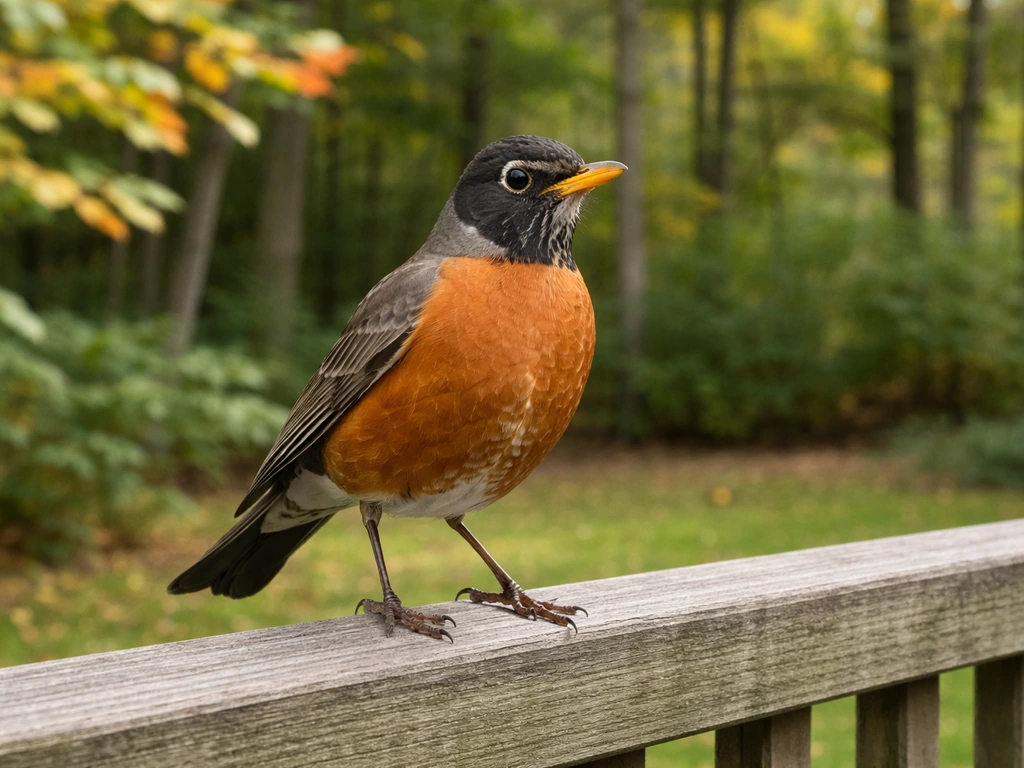
Why Connecticut chose the American Robin
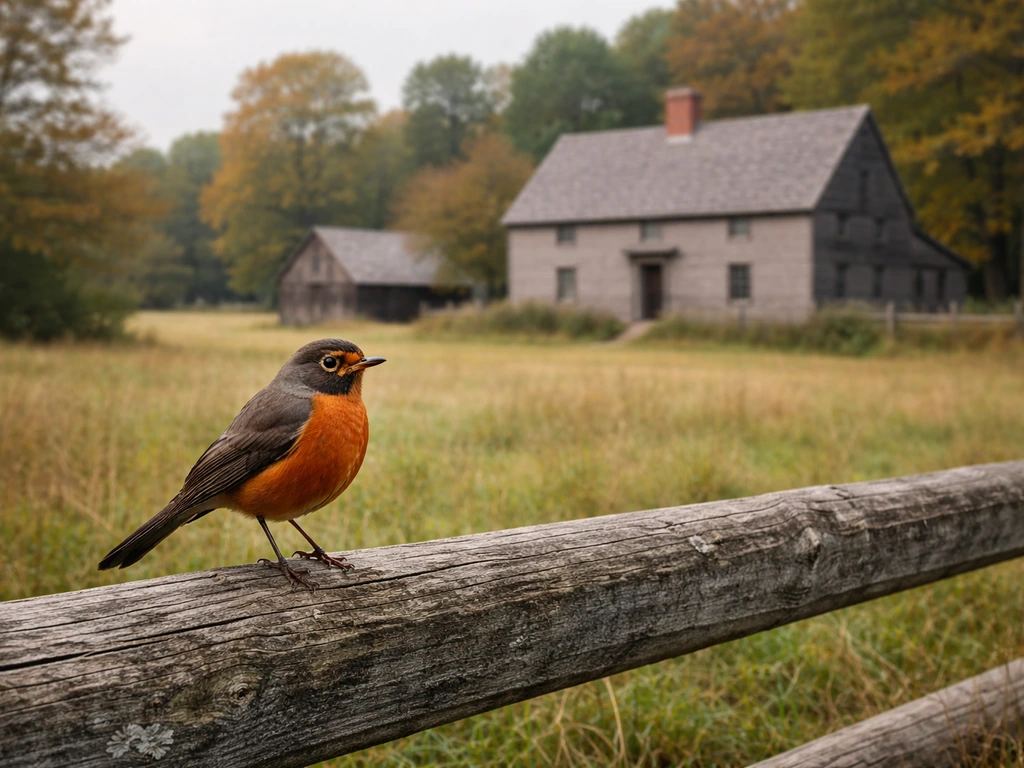
The robin has deep roots in Connecticut's cultural identity, going all the way back to the earliest European settlers. When English colonists first arrived, they named the bird 'Robin' in remembrance of the beloved robin redbreast back home in England. The American Robin isn't closely related to the English robin, but the reddish-orange breast was familiar enough that the name stuck, despite protests from some naturalists over the years.
By 1943, when the General Assembly voted on the designation, the robin was already one of the most recognized and beloved birds in Connecticut. It's a true thrush, a migratory species that returns to New England each spring, and that seasonal arrival made it a natural symbol of renewal tied to the state's landscape. Connecticut's official state resources describe it simply and warmly: 'Our Robin, a true thrush, is a migratory bird with a reddish brown or tawny breast and a loud cheery song.'
Quick ID guide: how to recognize the American Robin
The American Robin is one of the easier birds to identify in North America, which is part of what makes it such a beloved state symbol. Here are the key field marks to look for:
- Rusty orange-red belly: this is the most obvious identifier, the rich, warm breast that covers the belly and lower chest
- Dark head: males have a noticeably dark, almost black head, which contrasts sharply with the bright yellow bill
- Yellow bill: the bill is distinctly yellow, a quick and reliable mark at any distance
- Black throat streaks: look for thin black streaks on the white throat area
- Size: a medium-to-large songbird at 7.9 to 11.0 inches (20 to 28 cm) long, with a wingspan of 12.2 to 15.8 inches (31 to 40 cm) and weighing around 2.7 to 3.0 oz (77 to 85 g)
- Posture and behavior: robins bound across lawns and habitually tilt their beak upward while surveying the ground, a characteristic stance that makes them easy to spot in parks and yards
Don't confuse it with these similar birds
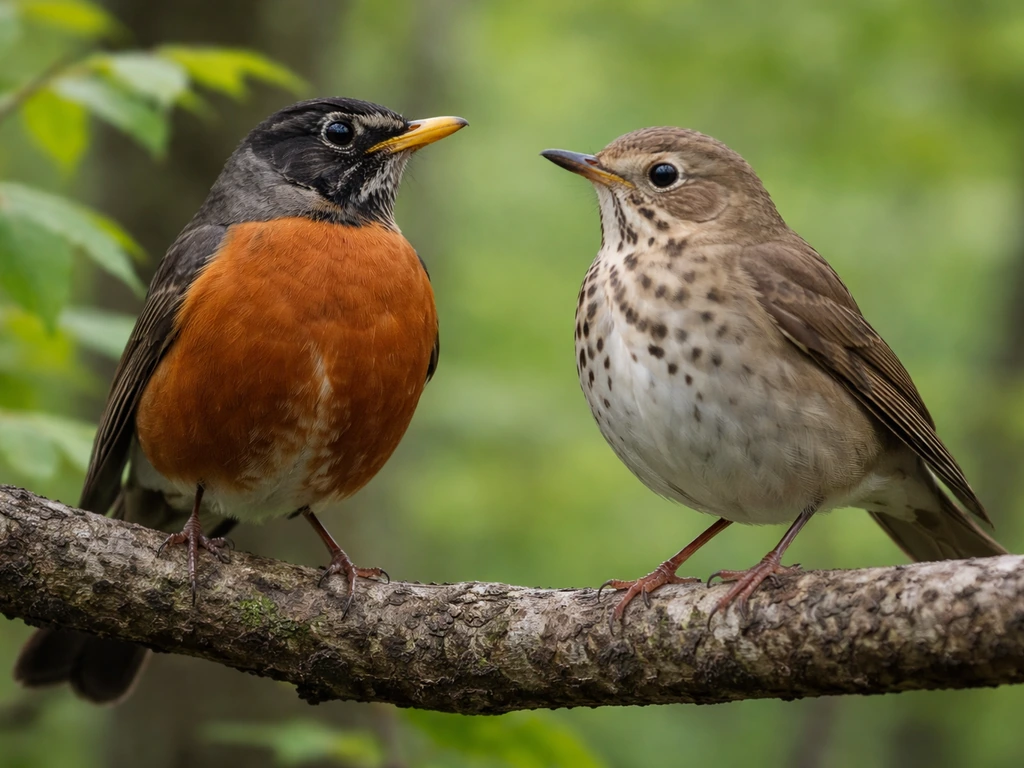
A few other thrushes can cause confusion, especially for newer birders. The Hermit Thrush, for example, has a spotted chest and is much more likely to be what you're seeing if you spot a spotted thrush in winter months (November through March). If you see a spotted-chested thrush in winter, it's almost certainly a Hermit Thrush, not a Robin. The Brown Thrasher is another bird sometimes confused with thrushes, but it has thin black-and-white wing bars and a long, slightly curved bill that immediately separate it from the Robin. The American Robin's plain, unspotted rusty-orange belly is your single best field mark and really sets it apart from the rest.
Connecticut vs other states: who else claims the Robin?
Connecticut is not alone in this choice. The American Robin is the official state bird of three states total, making it one of the more commonly shared state birds in the country.
| State | Year Adopted | Notes |
|---|---|---|
| Connecticut | 1943 | Designated by the General Assembly; codified in Sec. 3-109 |
| Michigan | 1931 | One of the earliest states to adopt the Robin as its official bird |
| Wisconsin | 1949 | Adopted June 4, 1949 by the state legislature |
All three states independently recognized the same species, which says a lot about how widespread and culturally significant the American Robin is across the northern United States. In May 2026, AP reported that blank" rel="noopener noreferrer">a bill would create a co-state bird arrangement during March, using language that sets the American robin as the state bird provided in the month of March each year. Michigan's adoption in 1931 makes it the earliest of the three. If you're curious about the reasoning behind Wisconsin's or Michigan's choices specifically, those are interesting comparisons worth exploring, since each state had its own regional and cultural motivations even while landing on the same bird. If you are wondering why is the robin the state bird of Wisconsin, it comes down to the bird's regional presence and long-standing familiarity there. Michigan also has its own reasons for designating the American Robin as a state symbol, which you can explore next why is the American Robin Michigan state bird.
Connecticut's state bird and flower: a paired look at the state's official symbols
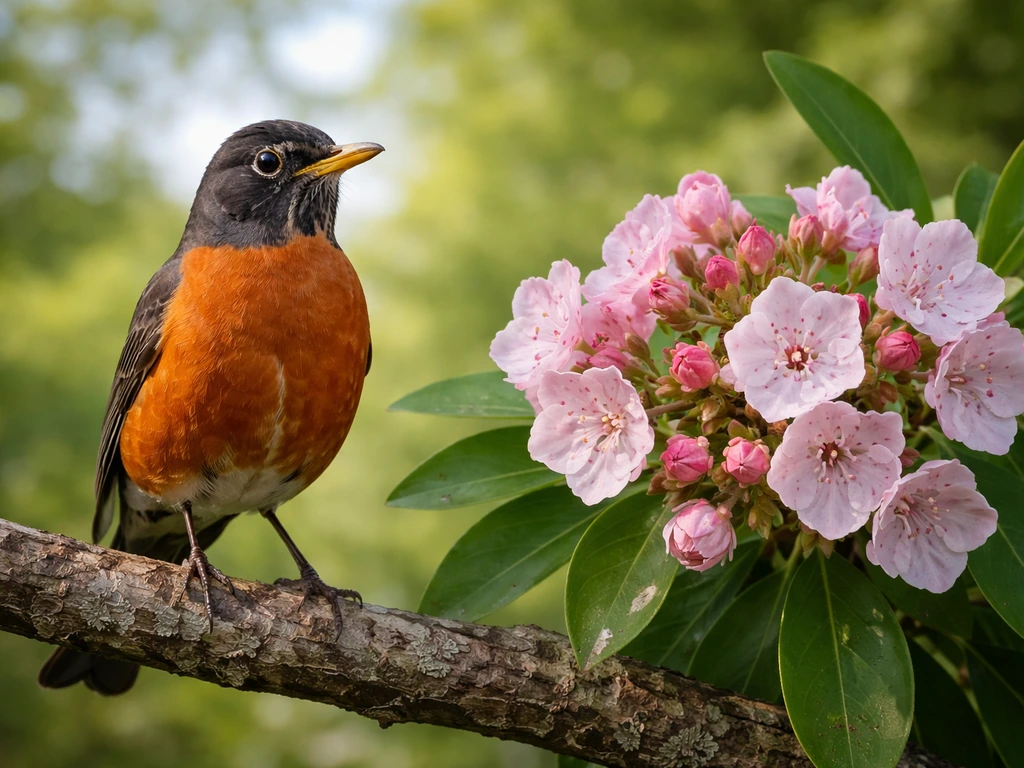
Connecticut's official state flower is the Mountain Laurel, designated by the General Assembly all the way back in 1907, thirty-six years before the Robin was adopted as state bird. The Mountain Laurel is a woody shrub known for its striking white and pink blossoms and its fragrance, and it has been part of Connecticut's landscape since the earliest days of European colonization.
Together, the Mountain Laurel and the American Robin appear side by side on Connecticut's official state symbols resources, including the Secretary of the State's 'Sites, Seals, Symbols' publication. Both were chosen for their deep ties to the natural environment and cultural history of Connecticut. The Robin arrives each spring just as the Mountain Laurel begins to bloom in late May and June, which makes the pairing feel genuinely fitting for a state defined by its New England seasons. If you're researching Connecticut's official symbols, the two are always worth considering together.
Where to go from here
If you spotted a robin in Connecticut and want to confirm your ID, the key things to check are the unspotted rusty-orange belly, the yellow bill, and the dark head. Those three marks together are definitive. If you're exploring state birds more broadly, the Robin's role across Connecticut, Michigan, and Wisconsin is a great entry point into understanding how states approached these designations historically, and why so many landed on familiar, widespread songbirds rather than rare or exotic species. In blank" rel="noopener noreferrer">Reddit's birdwatching discussion threads about identifying an American robin, contributors also mention that it is Connecticut's state bird, alongside similar references to Michigan and Wisconsin. If you're comparing other birds, you might also wonder whether the crow is a state bird in your area. The American Robin's combination of visibility, cultural familiarity, and genuine beauty made it an easy and enduring choice.
FAQ
What is the Connecticut state bird name and scientific name?
The Connecticut state bird is the American robin, Turdus migratorius. When you search for it locally, using the scientific name helps avoid confusion with other “robin” common names.
Is the American robin only a seasonal bird in Connecticut?
It is migratory and returns to the region each spring, so your best chances to see it are during arrival and breeding season. If you are birding in winter, expect fewer robins and be extra careful with thrush lookalikes.
Where can I see American robins in Connecticut most reliably?
Robins commonly forage in open areas like lawns, fields, and edges of woods where they can feed on worms and insects. If you are getting no sightings, try checking habitat edges, not deep interior forest.
How can I confirm an American robin if it looks similar to other thrushes?
Use a “triple check,” the unspotted rusty-orange belly, the yellow bill, and the darker head. Those combined features are more reliable than any single trait alone.
Do I need to worry about mistaking a Hermit Thrush for a robin in winter?
Yes, especially from November through March, when Hermit Thrushes are more likely to show a more spotted look. A spotted-chested thrush in winter is almost always a Hermit Thrush rather than an American robin.
Could a Brown Thrasher be mistaken for a robin?
It can, but the Brown Thrasher’s thin black-and-white wing bars and longer, slightly curved bill are key separations. If you are unsure, focus on the bill shape and wing-bar pattern.
Are English robins and American robins the same species?
No. The American robin is not closely related to the English robin, despite the similar common names. The Connecticut bird is the American robin (Turdus migratorius).
Does Connecticut have any other official bird besides the American robin?
The American robin is the state’s official bird designation covered in state law. If you are comparing “state birds” for school projects, verify you are looking at official state symbols, since many regions also have unofficial favorites.
Why does the state bird matter for birding or education?
State symbols like the robin are often chosen for familiarity and visibility, which can guide beginners to good “first bird” species. Using that cue, many birders start with robins because they are easier to spot and identify consistently in Connecticut.
If I’m making a Connecticut symbols project, how should I pair the state bird with another symbol?
A practical pairing is the Mountain Laurel, since it blooms in late May and June, around the time robins are active in spring. Presenting them together can make your project feel more seasonal and coherent.