Every U.S. state has one official bird, designated by state law or legislative resolution. To find yours, pick your state from the list on this site and you'll get the bird's common name, scientific name, and the year it was officially adopted. If you just need a fast answer, the table below covers all 50 states. If you want to actually identify the bird, understand why your state chose it, or know where to spot it, keep reading.
What Is the Official Bird of Your State? Find Yours

Marcus Webb
30 Apr 2026
What 'official state bird' actually means
A state bird is a formally designated symbol, the same category as a state flower or state tree. Each of the 50 U.S. states has chosen one bird species to represent the state's heritage and distinctive wildlife. These designations aren't just ceremonial. In most states, the bird is named directly in statute. Connecticut's general statutes, for example, read verbatim: 'The American robin, Turdus migratorius, shall be the state bird.' Maine's revised statutes have a section titled simply 'STATE BIRD' that names the black-capped chickadee. Some states acted through a legislative resolution, others through a formal bill signed into law, but in every case there's an official government record behind the designation.
Why do states bother? Partly it's civic identity, giving schoolchildren and residents a living symbol they can actually go outside and find. Partly it's conservation awareness, spotlighting native species that are woven into a region's natural character. And partly it's history: most state bird designations happened in the early-to-mid 20th century, often championed by women's clubs, ornithological societies, or schoolchildren's votes. Connecticut adopted the American Robin in 1943. When you look up your state bird, you're tracing a real piece of local legislative and natural history.
Find your state's official bird fast
The fastest path is to use the individual state bird pages on this site. Here's the workflow that takes under a minute:
- Go to the state bird index on this site and click your state's name.
- At the top of that page you'll see the bird's common name and scientific name confirmed together, for example 'American Robin (Turdus migratorius)' for Connecticut.
- Check the adoption year listed on the page to confirm this is the current, officially designated species (a small handful of states have updated their designation over the decades).
- If you want to verify against a primary source, search your state's name plus 'state symbols' on your state government's official .gov website. Most states list all symbols on a single portal page.
If you need a quick reference without clicking through each state, here is the complete list of all 50 official state birds as of today:
| State | Official State Bird | Scientific Name |
|---|---|---|
| Alabama | Northern Flicker (Yellowhammer) | Colaptes auratus |
| Alaska | Willow Ptarmigan | Lagopus lagopus |
| Arizona | Cactus Wren | Campylorhynchus brunneicapillus |
| Arkansas | Northern Mockingbird | Mimus polyglottos |
| California | California Quail | Callipepla californica |
| Colorado | Lark Bunting | Calamospiza melanocorys |
| Connecticut | American Robin | Turdus migratorius |
| Delaware | Delaware Blue Hen (Chicken) | Gallus gallus domesticus |
| Florida | Northern Mockingbird | Mimus polyglottos |
| Georgia | Brown Thrasher | Toxostoma rufum |
| Hawaii | Nene (Hawaiian Goose) | Branta sandvicensis |
| Idaho | Mountain Bluebird | Sialia currucoides |
| Illinois | Northern Cardinal | Cardinalis cardinalis |
| Indiana | Northern Cardinal | Cardinalis cardinalis |
| Iowa | Eastern Goldfinch (American Goldfinch) | Spinus tristis |
| Kansas | Western Meadowlark | Sturnella neglecta |
| Kentucky | Northern Cardinal | Cardinalis cardinalis |
| Louisiana | Brown Pelican | Pelecanus occidentalis |
| Maine | Black-capped Chickadee | Poecile atricapillus |
| Maryland | Baltimore Oriole | Icterus galbula |
| Massachusetts | Black-capped Chickadee | Poecile atricapillus |
| Michigan | American Robin | Turdus migratorius |
| Minnesota | Common Loon | Gavia immer |
| Mississippi | Northern Mockingbird | Mimus polyglottos |
| Missouri | Eastern Bluebird | Sialia sialis |
| Montana | Western Meadowlark | Sturnella neglecta |
| Nebraska | Western Meadowlark | Sturnella neglecta |
| Nevada | Mountain Bluebird | Sialia currucoides |
| New Hampshire | Purple Finch | Haemorhous purpureus |
| New Jersey | Eastern Goldfinch (American Goldfinch) | Spinus tristis |
| New Mexico | Greater Roadrunner | Geococcyx californianus |
| New York | Eastern Bluebird | Sialia sialis |
| North Carolina | Northern Cardinal | Cardinalis cardinalis |
| North Dakota | Western Meadowlark | Sturnella neglecta |
| Ohio | Northern Cardinal | Cardinalis cardinalis |
| Oklahoma | Scissor-tailed Flycatcher | Tyrannus forficatus |
| Oregon | Western Meadowlark | Sturnella neglecta |
| Pennsylvania | Ruffed Grouse | Bonasa umbellus |
| Rhode Island | Rhode Island Red (Chicken) | Gallus gallus domesticus |
| South Carolina | Carolina Wren | Thryothorus ludovicianus |
| South Dakota | Ring-necked Pheasant | Phasianus colchicus |
| Tennessee | Northern Mockingbird | Mimus polyglottos |
| Texas | Northern Mockingbird | Mimus polyglottos |
| Utah | California Gull | Larus californicus |
| Vermont | Hermit Thrush | Catharus guttatus |
| Virginia | Northern Cardinal | Cardinalis cardinalis |
| Washington | Willow Goldfinch (American Goldfinch) | Spinus tristis |
| West Virginia | Northern Cardinal | Cardinalis cardinalis |
| Wisconsin | American Robin | Turdus migratorius |
| Wyoming | Western Meadowlark | Sturnella neglecta |
Key facts for identifying your state bird
Once you know which bird is your state's symbol, you'll want enough detail to actually recognize it. Every state bird page on this site includes the common name, the scientific (Latin) name, size, coloring, call, and seasonal range. These are the five things to zero in on for field identification:
- Common name and scientific name: The common name is what most people say out loud; the scientific name (genus + species) is the one that is internationally standardized and won't change with regional dialect. For example, the Northern Cardinal is Cardinalis cardinalis regardless of which state you're in.
- Size and shape: Knowing rough body length and silhouette (round vs. slender, long-tailed vs. compact) lets you sort the bird by family before you even see color.
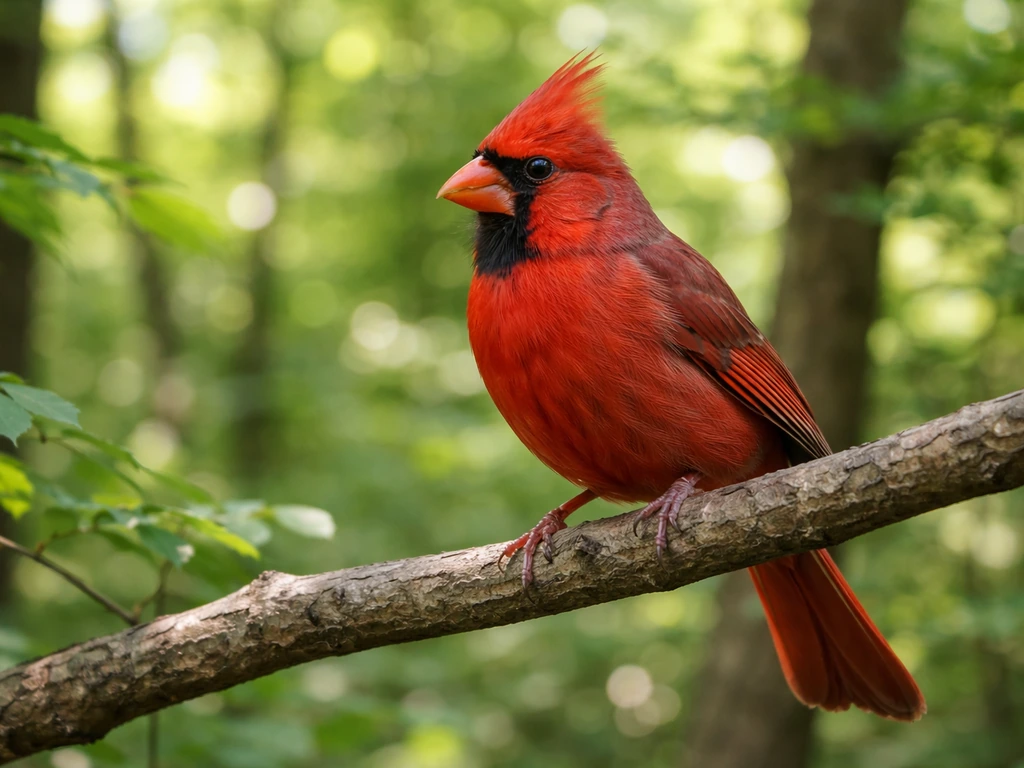
- Key markings: Look for diagnostic features, the Northern Cardinal's red crest and black face mask, the Western Meadowlark's bright yellow chest with a black V, the Common Loon's checkered back and red eye.
- Call or song: Many birders identify species by ear before they see the bird. The Common Loon's haunting wail is unmistakable; the Black-capped Chickadee literally says its own name.
- Seasonal presence: Some state birds are year-round residents; others are migratory. Knowing when to expect the bird prevents a lot of confusion.
The individual state bird pages on this site break down exactly these points for each species, so you can go from 'I see a medium-sized bird with a rusty breast' to confirming 'that's the American Robin, Michigan's and Wisconsin's state bird' without needing a separate field guide. To answer what is the Michigan state bird, check the dedicated Michigan page for the common name, scientific name, and adoption year Michigan's and Wisconsin's state bird.
Why your state picked that particular bird
The designation history is genuinely interesting and it's different for every state. A few patterns show up repeatedly. Many state birds were chosen because they're abundant and recognizable statewide, not rare specialties. The Northern Mockingbird became the official bird of five southern states (Arkansas, Florida, Mississippi, Tennessee, and Texas) in large part because it's everywhere, sings constantly, and is deeply associated with Southern landscapes. The Western Meadowlark was adopted by six Great Plains and western states because it's the most visible and vocal bird of open grasslands in that region.
Some choices carry specific cultural weight. Louisiana's Brown Pelican appears on the state flag and seal, making it inseparable from Louisiana identity well beyond the bird world. Utah's California Gull was designated partly because a flock of gulls famously saved early Mormon settlers' crops from a cricket plague in 1848, a story that became part of state mythology. Delaware and Rhode Island both chose domestic chicken breeds rather than wild birds, reflecting agricultural heritage. These stories are covered in detail on each state's page, and they're usually more interesting than people expect.
The legislative mechanics are also worth noting. Connecticut's American Robin was adopted by the General Assembly in 1943. Maine's black-capped chickadee has its own named section in the Maine Revised Statutes. When you read the actual statutory language, you're looking at a real legislative act, often the result of a public campaign or a schoolchildren's vote that preceded it by years.
Where to spot your state bird in the wild
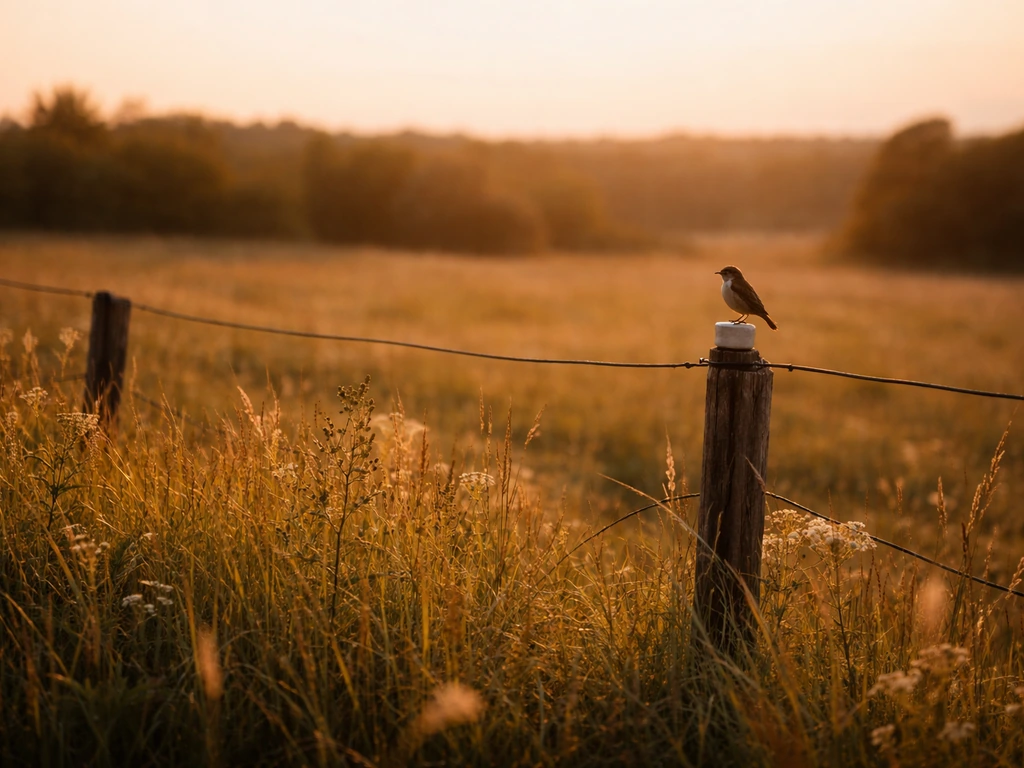
Most state birds were chosen in part because they're findable. A few general habitat pointers by bird type:
- Open grassland and meadow birds (Western Meadowlark, Lark Bunting, Scissor-tailed Flycatcher): Look along fence lines, utility wires, and the edges of fields, especially in spring and early summer when males are singing from exposed perches.
- Forest and woodland birds (Ruffed Grouse, Hermit Thrush, Black-capped Chickadee): Walk a wooded trail at dawn. Chickadees come to backyard feeders year-round; the Hermit Thrush and Ruffed Grouse prefer denser cover.
- Backyard and urban birds (Northern Cardinal, American Robin, Northern Mockingbird): These are among the easiest to find. Cardinals visit seed feeders, Robins hunt lawns for earthworms, and Mockingbirds perch on rooftops and sing for hours.
- Water birds (Common Loon, Brown Pelican, California Gull): Go to the appropriate water body. Loons need large, clear lakes; Brown Pelicans patrol coastal bays and beaches; California Gulls follow lakeshores and agricultural fields.
- Western and specialized birds (Cactus Wren, Greater Roadrunner, Nene, Willow Ptarmigan): These require the right habitat. The Cactus Wren lives in Sonoran Desert scrub with saguaro cactus; the Roadrunner prefers dry brush and chaparral; the Nene is found only in Hawaii; the Willow Ptarmigan inhabits Alaskan tundra and willow thickets.
The individual state bird pages on this site include more specific range and habitat notes tied to each state, including which parts of the state offer the best sightings and what time of year gives you the best chance. If you're planning a trip specifically to see your state bird, that's the place to start.
States that share the same official bird
A striking pattern in U.S. state birds is how often the same species was independently chosen by multiple states. Seven species account for a large share of all 50 designations:
| Bird | Scientific Name | States That Adopted It |
|---|---|---|
| Northern Cardinal | Cardinalis cardinalis | Illinois, Indiana, Kentucky, North Carolina, Ohio, Virginia, West Virginia (7 states) |
| Western Meadowlark | Sturnella neglecta | Kansas, Montana, Nebraska, North Dakota, Oregon, Wyoming (6 states) |
| Northern Mockingbird | Mimus polyglottos | Arkansas, Florida, Mississippi, Tennessee, Texas (5 states) |
| American Robin | Turdus migratorius | Connecticut, Michigan, Wisconsin (3 states) |
| American Goldfinch | Spinus tristis | Iowa, New Jersey, Washington (3 states) |
| Black-capped Chickadee | Poecile atricapillus | Maine, Massachusetts (2 states) |
| Mountain Bluebird | Sialia currucoides | Idaho, Nevada (2 states) |
| Eastern Bluebird | Sialia sialis | Missouri, New York (2 states) |
The Northern Cardinal holds the record at seven states, all in the Midwest and Mid-Atlantic South. Britannica’s list of U.S. state birds notes that the Northern cardinal is the state bird of seven states: Illinois, Indiana, Kentucky, North Carolina, Ohio, Virginia, and West Virginia Northern Cardinal holds the record at seven states. The Western Meadowlark is close behind at six, covering the Great Plains and parts of the Pacific Northwest. These overlaps reflect genuine biogeographic patterns: the Cardinal is the defining backyard bird of the eastern interior, and the Meadowlark is the quintessential open-country bird of the West.
If you're interested in comparing states that share a bird, the Michigan and Wisconsin state bird pages are a useful side-by-side read, since both designated the American Robin and you can compare the separate designation histories and the bird's behavior in each state's distinct landscape. Similarly, comparing the Madison, Wisconsin bird context gives a city-level angle on how the same species shows up in a specific local environment. If you're asking specifically for the official bird of Madison, Wisconsin, the city is represented by the same state bird listed in Wisconsin's designation details.
How to dig deeper and explore more state birds
If this article sent you down a rabbit hole, here's how to keep going productively. The best next step is to visit the individual state bird page for your state on this site, then branch outward to states with the same bird or to neighboring states. Comparing why Kansas and Wyoming both picked the Western Meadowlark, but with different legislative histories and slightly different regional emphasis, is genuinely illuminating.
For people who enjoy sports trivia, there's a fun overlap between state birds and team mascots. In some cases, that same bird shows up as a team mascot, so the question "which sports teams mascot is also its state's official bird" has a clear answer sports trivia. Several pro and college sports franchises use a bird as their mascot that happens to also be that state's official bird, a topic that connects both the natural history and the cultural identity threads running through this site.
For hands-on birdwatching, pair what you learn here with a free app like Merlin Bird ID (from Cornell Lab of Ornithology), which lets you identify birds by photo or sound recording and confirms the scientific name instantly. Once you can ID your state bird in the field, you'll start noticing it constantly, and that's usually what turns a quick lookup into a lasting interest in birding.
The most direct path remains: find your state in the index, confirm the common and scientific name, read the designation story, then go outside and look for it. That's the whole loop, and it takes less time than most people expect.
FAQ
What is the official bird of your state if I live somewhere with special jurisdictions (for example, near state lines or in a border city)?
Use your state of legal residence, not the city you are visiting, since state birds are designated by state law. For best sightings, rely on the seasonal range and habitat notes on your state bird page, because a border area can show different birds depending on the time of year.
Is the official bird always a wild species, or can it be a domesticated animal like a chicken breed?
Most state birds are wild birds, but a few states designate domesticated chicken breeds instead of a native species. If your state bird page lists a breed (rather than a typical wild bird), the field-identification tips will be different from what you would expect for native species.
If I know my state bird, how can I make sure I have the right one (common name versus scientific name)?
Confirm both the common name and the scientific name, especially because some birds share similar common names across regions. The scientific (Latin) name is the deciding check, and it also helps when you hear a call that sounds like another species.
My state bird page says “range” and “seasonal,” but I am not seeing it right now. What should I check?
First check the seasonal timing on the page, then look at the suggested parts of the state for sightings. Many official state birds are resident in some areas but seasonal or less common elsewhere, so location and timing matter as much as identification skills.
What is the best way to identify the bird if I cannot see it clearly (for example, only a call or silhouette)?
Use the call and coloring details together rather than relying on size alone. A practical approach is to narrow by call type first, then match the rusty breast, wing pattern, or other distinctive markings listed on the state bird page.
Can one bird species be the official bird for multiple states, and does that mean the bird looks the same everywhere?
Yes, several species are official birds for multiple states, but regional variation can still affect appearance and behavior. That is why the state-specific range and habitat notes are important, even when multiple states share the same species.
How do I know whether my state bird was adopted by a law versus a resolution?
Read the designation history section on your state’s page. The legislative mechanics differ by state, and that background often explains why certain citizens or groups pushed the vote or bill that produced the official record.
Are there any cases where the “official bird” information could be outdated or contested?
Changes are uncommon, but official designations can be updated by later legislation. If you suspect a change, verify the adoption year and read the designation details on your state page, which should reflect the current official status.
What if I want the “official bird” for a city, not a state (for example, Madison, Wisconsin)?
Cities typically do not have their own official state-bird designation, they use the state’s official bird. For a city-specific angle, compare the state bird’s behavior and habitat notes in the state, then apply those details to where you are in the city’s local landscape.
If a state bird overlaps with sports mascots, does that mean the mascot is always identical to the official bird?
Not always, but in some cases a team mascot uses the same species as the state’s official bird. The safest check is the team’s mascot description, then match it to your state bird’s common name and scientific name.
Next Articles
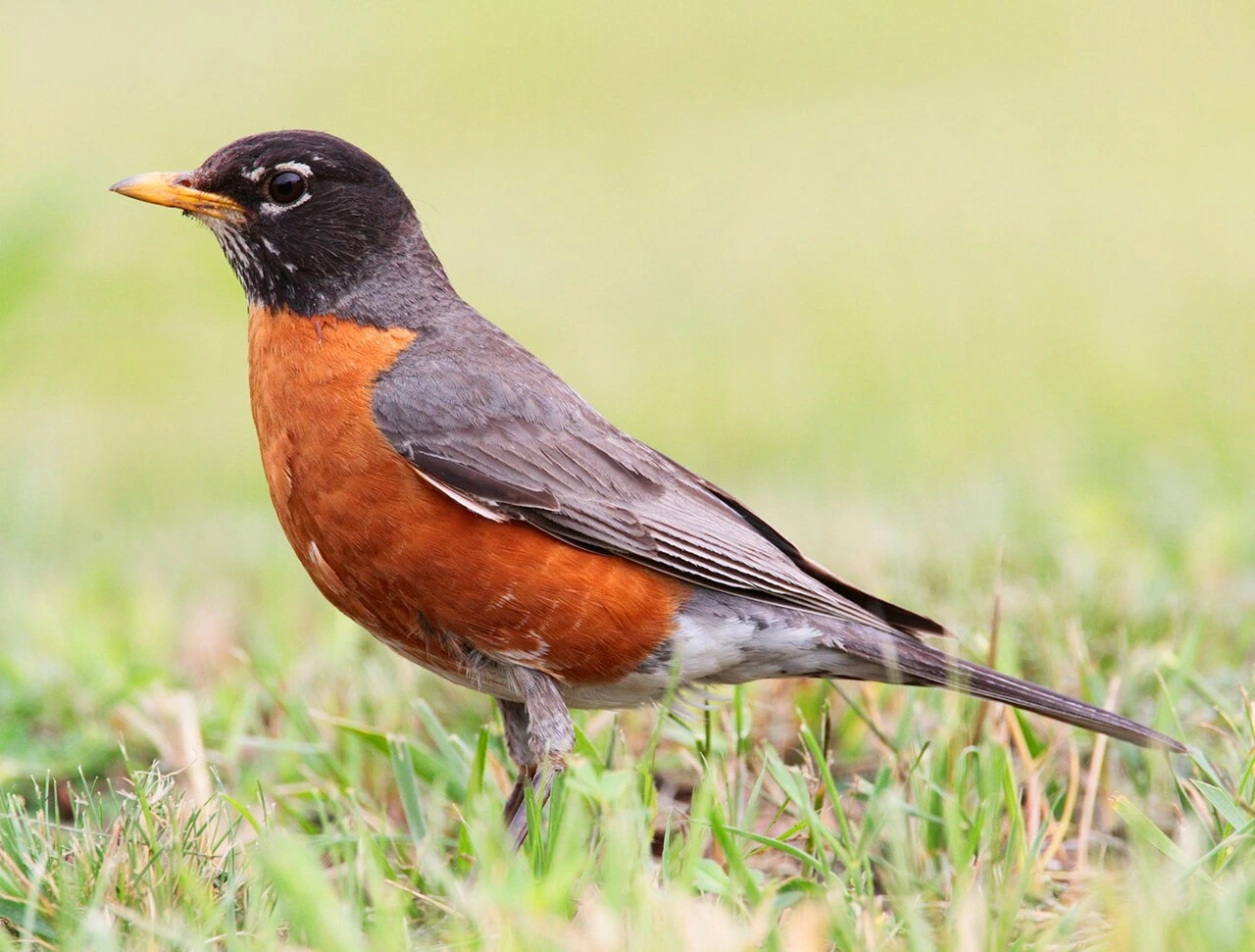
What Is the Wisconsin State Bird? Facts and Identification
Find Wisconsin’s official state bird, key ID traits, why it was chosen, history, and how it compares to other states.
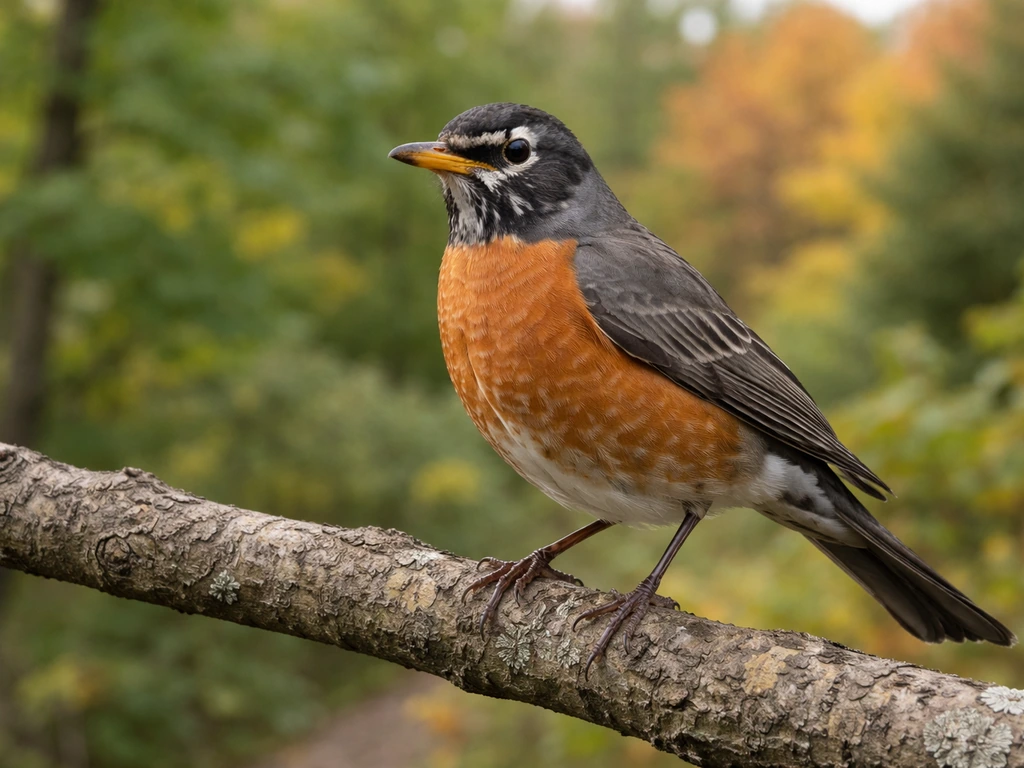
What Is the Michigan State Bird? ID and History
Discover Michigan’s official state bird, why it was chosen, and quick ID tips plus lookalike comparison.
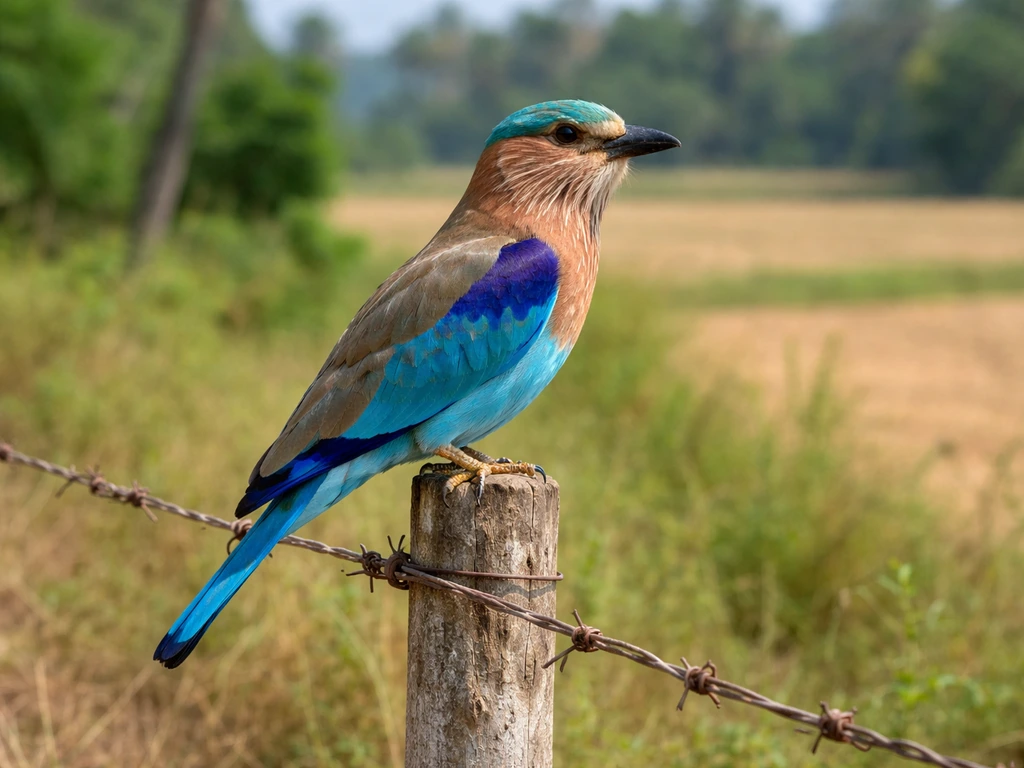
Which Is Karnataka State Bird? Identification and Facts
Discover Karnataka’s official state bird, key ID traits, where to spot it, and why it was chosen.