Tennessee is not a bird. It is a U.S. state in the southeastern United States, and its official state bird is the Northern Mockingbird (Mimus polyglottos), designated in 1933. If you landed here wondering whether "Tennessee" referred to some species of bird, the short version is: no, but the bird Tennessee chose as its symbol is one of the most recognizable singers in North America.
Is Tennessee a Bird? Tennessee State Bird and Identification Guide

Marcus Webb
30 Apr 2026
Quick answer: Is Tennessee a bird?
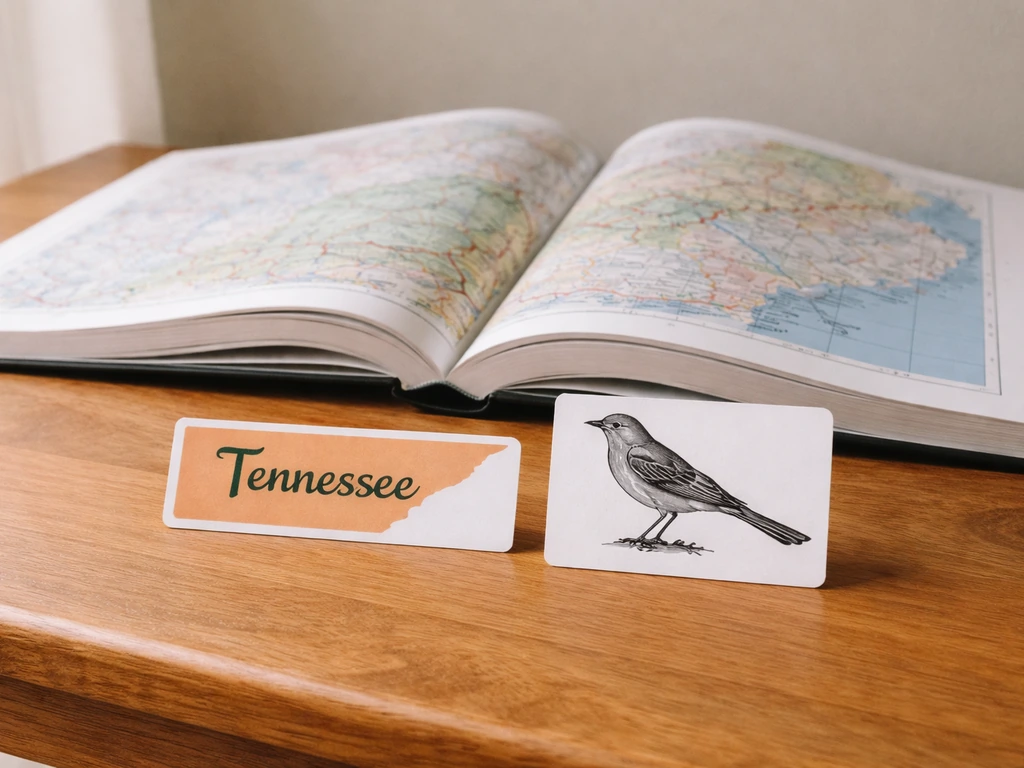
Tennessee is a state, not a species. Search queries phrased as "is Tennessee a bird" usually come from two places: someone genuinely unsure whether the word refers to a bird type, or someone who typed their question quickly and meant to ask about Tennessee's state bird. Either way, you are in the right place. Tennessee is the 16th state of the United States, and like every other state, it has an official state bird selected to represent it symbolically. That bird is the Northern Mockingbird.
This kind of confusion is more common than you might think. Queries like "is Georgia a bird," "is Mississippi a bird," or "is a turkey a federal bird" all follow the same pattern of mixing up a place name or a word with an actual bird species. For more on how the term “federal bird” works, see whether a turkey is federally recognized as a national bird is a turkey a federal bird. None of the 50 U.S. states are birds, but every single one of them has chosen an official state bird. Tennessee's choice is the Northern Mockingbird, and it has held that designation for over 90 years.
Tennessee's official state bird: the Northern Mockingbird
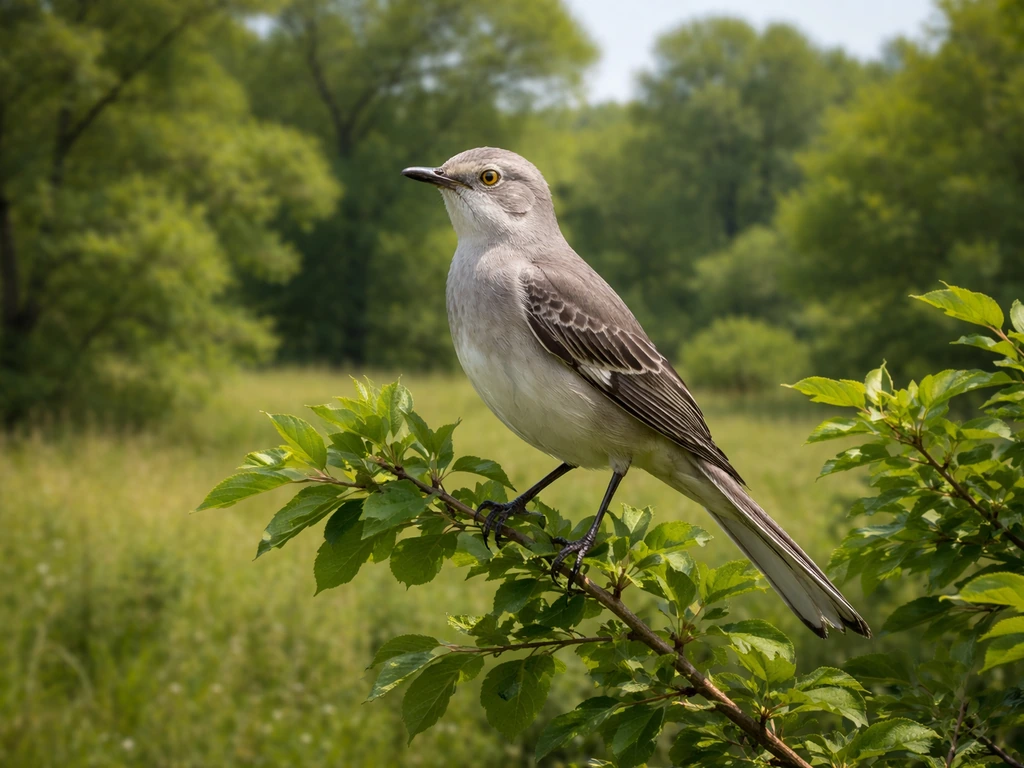
Tennessee's official state bird is the Northern Mockingbird, scientific name Mimus polyglottos. The designation was made official in 1933, confirmed by Senate Joint Resolution No. Tennessee’s legislative manual and Capitol Archives document that the mockingbird was selected on April 11, 1933, with confirmation by Senate Joint Resolution No. 51. 51 adopted by the 68th General Assembly. Both TN.gov's official State Symbols page and the Tennessee Secretary of State's civics page list the bird as "The Mockingbird, Mimus polyglottos." The TWRA (Tennessee Wildlife Resources Agency) also recognizes it on their species pages as the Tennessee state bird.
How to identify the Tennessee state bird
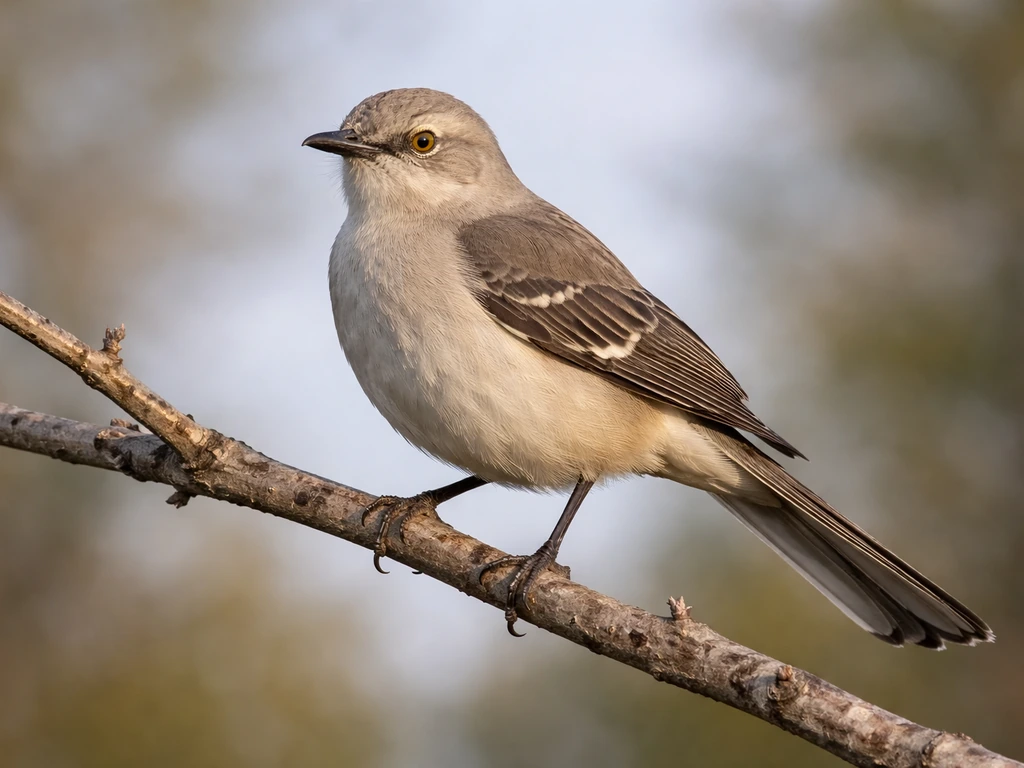
The Northern Mockingbird is a medium-sized songbird with a few very reliable field marks. Overall, it is gray-brown on top and paler, almost whitish, on the underside. The easiest way to confirm you are looking at a mockingbird is to watch it fly: it has large white patches on each wing that flash prominently in flight, plus white outer tail feathers that fan out as it moves. At rest, you can see two white wingbars on each wing.
Behavior is just as helpful as appearance for identification. Mockingbirds are loud and confident. Males sing for extended periods, including at night, and they are famous for mimicking other birds and even man-made sounds like car horns, cell phone ringtones, warning bells, and creaky hinges. If you hear what sounds like ten different birds coming from one spot, and then you see a single gray bird sitting on a fence post or treetop, you are almost certainly looking at a Northern Mockingbird.
In terms of habitat, mockingbirds prefer open areas. Look for them at forest edges, farms, parks, suburban gardens, and backyards. They are year-round residents across Tennessee, so you do not need to time your visit seasonally. They are also territorial and will actively defend their spot, which makes them easier to spot than many shyer species.
| Feature | What to look for |
|---|---|
| Size | Medium, roughly the size of a robin |
| Color | Gray-brown above, pale gray-white below |
| Wing markings | Two white wingbars; large white wing patches flash in flight |
| Tail | White outer tail feathers visible in flight |
| Sound | Loud, varied song; mimics other birds and mechanical sounds |
| Habitat | Open areas: forest edges, parks, farms, suburban yards |
| Season in TN | Year-round resident |
Why Tennessee chose the mockingbird
The Northern Mockingbird was not chosen by a government committee sitting around a table. The Tennessee Ornithological Society ran an election on April 11, 1933, and the mockingbird won. According to the Nashville Banner's April 16, 1933 edition (and confirmed in the Tennessee Blue Book), that vote led directly to Senate Joint Resolution No. 51, which made the selection official later that same year.
The symbolic reasoning is straightforward: the mockingbird is especially noted for its skill in mimicking the songs of other birds, making it one of the most accomplished singers in the region. For a state with a strong musical heritage, that vocal ability carries real cultural weight. The Tennessee Blue Book specifically highlights the bird's mimicry as a defining characteristic, and the TWRA notes its ability to reproduce sounds from musical instruments to modern electronic devices. It is a bird that is simultaneously native, widespread, and genuinely impressive, which makes it a sensible and lasting state symbol.
States that share the Northern Mockingbird as their state bird
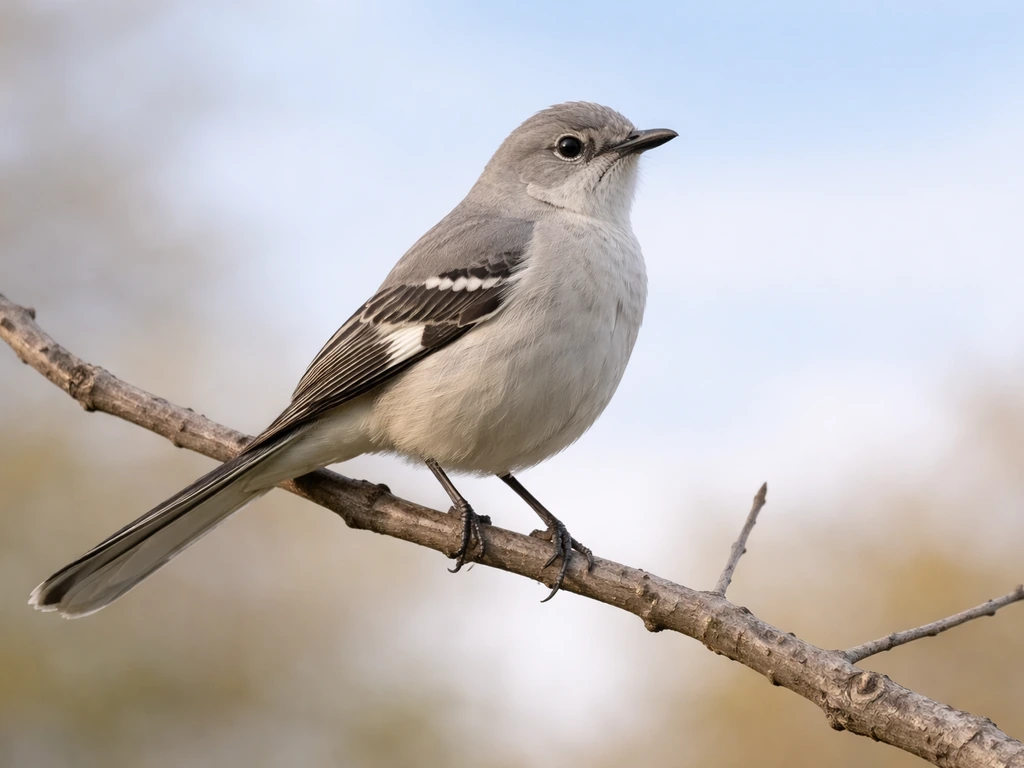
Tennessee is far from alone in this choice. The Northern Mockingbird is one of the most shared state birds in the country. Four other states have also designated Mimus polyglottos as their official state bird: Arkansas, Florida, Mississippi, and Texas. Wikipedia's northern mockingbird species overview lists the species as the state bird of Arkansas, Florida, Mississippi, Tennessee, and Texas blank" rel="noopener noreferrer">Arkansas, Florida, Mississippi, and Texas. That is five states total claiming the same species, which puts the Northern Mockingbird in a small group of birds with multi-state recognition.
| State | Official state bird name | Scientific name | Year designated |
|---|---|---|---|
| Tennessee | Mockingbird | Mimus polyglottos | 1933 |
| Arkansas | Mockingbird | Mimus polyglottos | 1929 |
| Florida | Mockingbird (Common Mockingbird) | Mimus polyglottos | 1927 |
| Mississippi | Mockingbird | Mimus polyglottos | 1944 |
| Texas | Northern Mockingbird | Mimus polyglottos | 1927 |
The pattern here is entirely regional. All five states are in the South, where the Northern Mockingbird is abundant and culturally familiar. Florida and Texas both designated the mockingbird in 1927, making them the earliest adopters among this group. Tennessee followed in 1933, Mississippi in 1944.
If you are researching Georgia's state bird, that is a different bird entirely: Georgia chose the Brown Thrasher, which is a separate species despite also being a member of the mimid family. If you are wondering why the Brown Thrasher is Georgia’s state bird, it comes down to the bird’s local presence and its longstanding symbolic value Georgia's state bird. If you are researching what Georgia's state bird is, look for the Brown Thrasher as Georgia's official choice.
Where to verify and explore further
For official verification of Tennessee's state bird, the two most authoritative sources are TN.gov's State Symbols page and the Tennessee Secretary of State's civics page, both of which list the mockingbird with its scientific name. The TWRA's species page for the Northern Mockingbird also confirms its status as Tennessee's state bird and includes habitat and behavior details.
For bird identification beyond what you can get from a state symbols page, the Cornell Lab of Ornithology's All About Birds database and the Audubon Society's field guide are the most reliable free resources. Both include photos, range maps, and audio recordings of the Northern Mockingbird's call, which is genuinely useful if you are trying to confirm a sighting.
If you are exploring state birds more broadly, each U.S. state has its own official symbols page maintained by the state government, typically through the Secretary of State's office. When in doubt about whether a common name in one state refers to the same species as another state's bird, check the scientific name: Mimus polyglottos is the definitive identifier that links Tennessee's mockingbird to the same bird recognized by Arkansas, Florida, Mississippi, and Texas. The scientific name cuts through regional naming differences every time.
- TN.gov State Symbols page: official listing of "The Mockingbird, Mimus polyglottos" with 1933 designation date
- Tennessee Secretary of State civics page: includes the Nashville Banner 1933 election context
- TWRA Northern Mockingbird page: wildlife detail plus state bird confirmation
- All About Birds (Cornell Lab): photos, range maps, and audio for identification
- Audubon Field Guide: visual ID notes including white wing patches and behavioral cues
- Each state's Secretary of State or official government symbols page for cross-state verification
FAQ
Is the state bird of Tennessee just “the mockingbird,” or a specific type?
No. The official state bird is the Northern Mockingbird (Mimus polyglottos), not “the mockingbird” in general. Other mockingbirds exist, but Tennessee’s designation specifically matches the Northern Mockingbird species.
Do I need to visit Tennessee in a specific season to see the state bird?
Yes, they are common year-round. Mockingbirds in Tennessee do not require a migration season to see, but they can be harder to spot during heavy storms or when they are low to the ground in thick cover.
What’s the fastest way to confirm it’s a Northern Mockingbird when it’s mimicking other sounds?
If you hear multiple birdlike voices, it helps to look for the signature flight and wing flashes. During flight, the large white patches on the wings and the white outer tail feathers are the quickest confirmation, especially if the sound is confusing.
If I see another bird near the one that mimics sounds, does that change how I should identify it?
Not usually. Northern Mockingbirds defend territories, so one bird can dominate a fence line or treetop, but they may still be accompanied by other species foraging nearby. Use the wing patches, white wingbars, and vocal style together, not sound alone.
How can I tell if a guide is talking about Tennessee’s state bird versus a different “mockingbird”?
Typically, you can confirm with the scientific name. If a guide or website uses a different common name, check whether it says Mimus polyglottos. For Tennessee’s state bird, the scientific name is the deciding factor.
Can mockingbirds really sing at night in Tennessee, or is that a sign of a different bird?
Yes. The Northern Mockingbird can sing at night, so a nighttime chorus does not mean the bird is a different species or a different “bird Tennessee.” If you also see the flash of white in flight, that strongly supports Northern Mockingbird.
What habitats in Tennessee are most likely to have Northern Mockingbirds?
Look for open-edge habitats like fence lines, parks, farms, and suburban yards. Dense interior forest is usually less productive than the forest edge, because mockingbirds prefer places where they can perch, sing, and watch for intruders.
Is the Tennessee state bird also a federally recognized national bird?
Many people mix up state-bird questions with “federal bird” questions because both use the word bird, but the systems are different. Tennessee’s state bird is a state symbol, not a federal designation.
When comparing state birds, how do I avoid mixing up different mockingbird species?
If you are comparing state birds across states, don’t assume all “mockingbirds” are the same species. Tennessee uses Mimus polyglottos, while some other states selected different mimids, so cross-check the scientific name before concluding they match.