North Carolina's official state bird is the Northern Cardinal (Cardinalis cardinalis). That's the direct answer. The designation has been on the books since 1943, and it's never changed. If you're looking for a quick confirmation, a study aid, or just satisfying some curiosity, you're in the right place.
What Is North Carolina’s State Bird? Facts, History, ID

Marcus Webb
20 Apr 2026
The official designation and how to verify it
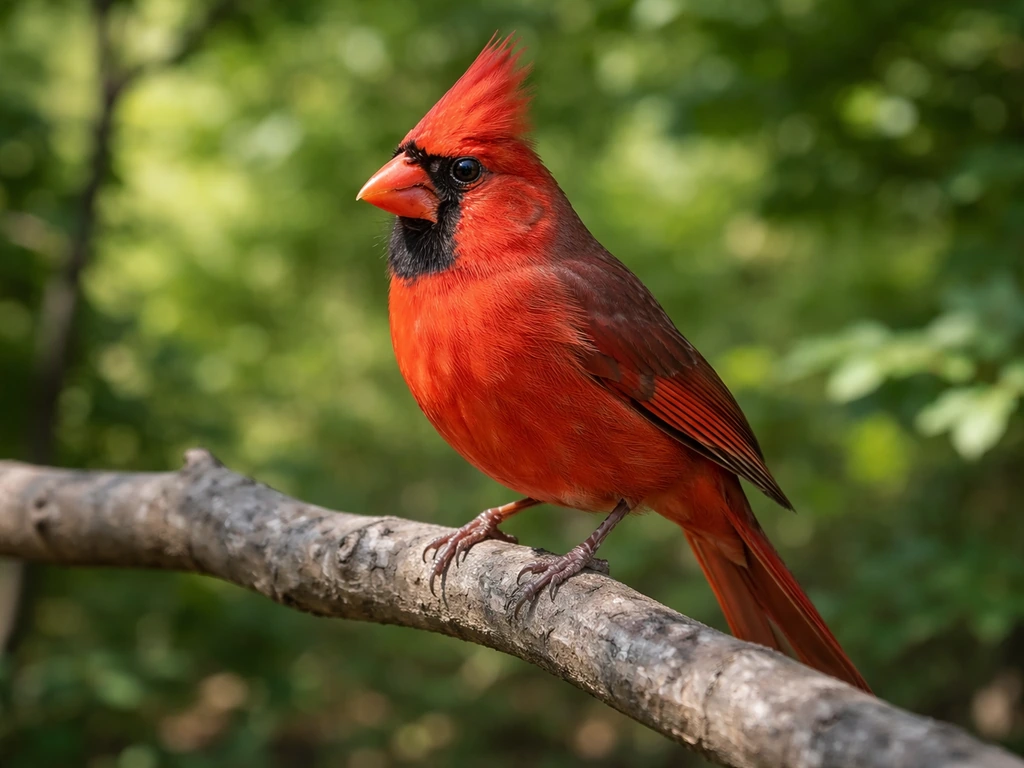
The cardinal became North Carolina's state bird on March 4, 1943, when the General Assembly passed Senate Bill 151 (Session Laws 1943, c. 595). It was ratified by the state senate four days later. Today the designation is codified in N.C. Gen. Stat. § 145-2, which reads: 'The cardinal is hereby declared to be the official State bird of North Carolina.' That statute sits inside Chapter 145 of the NC General Statutes, the chapter specifically covering State Symbols and Other Official Adoptions.
If you need to verify this yourself, the most reliable route is to look up N.C. Gen. Stat. § 145-2 directly on the North Carolina General Assembly's enacted-legislation website. The N.C. Secretary of State also maintains a State Symbols page that lists the cardinal as the official state bird, and NCpedia (the state's official encyclopedia) confirms it as well. Any of those sources will give you a clean, citable confirmation.
How to recognize the Northern Cardinal
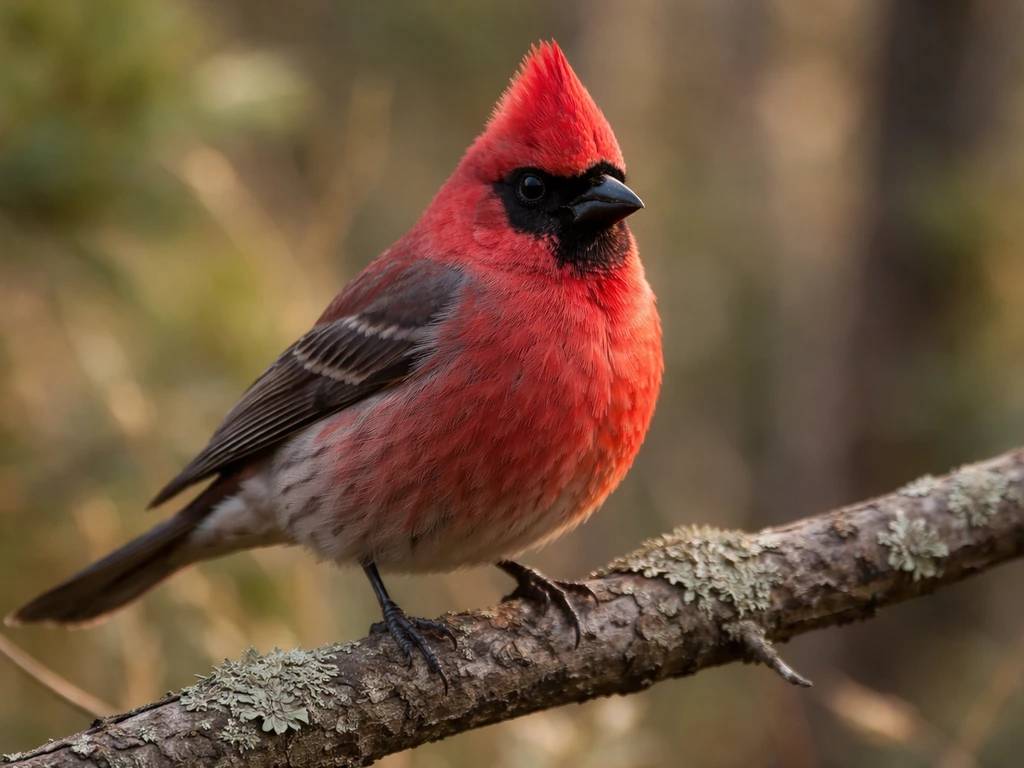
The Northern Cardinal is a fairly large songbird, coming in at about 8 to 9 inches in body length with a wingspan of 9 to 12 inches. It has a distinctive profile: a prominent crest on the head, a thick short bill suited for cracking seeds, and a long tail. Once you know the silhouette, you'll spot it quickly.
Males vs. females
The male is brilliant crimson red all over, with a bold black facial mask around the bill and eyes and an orange-red bill. It's one of the most recognizable birds in North America. The female is noticeably less flashy, but she's not plain either. She's mostly grayish-brown with warm reddish tones on the wings, tail, and crest, and she shares the same crest shape and orange-red bill. Both sexes carry that signature raised crest, which is a reliable field mark at any angle.
Song and call
The cardinal's song is a loud, clear whistle. Listen for repeated phrases that sound like 'cheer-cheer-cheer' or variations on that pattern. Both males and females sing, which is less common among songbirds. If you're in a North Carolina backyard and hear a bright, whistled song coming from a shrub line or tree edge, there's a solid chance it's a cardinal. They're abundant year-round residents across the state.
Why North Carolina picked the cardinal
The selection wasn't handed down from above. The northern cardinal also stands out because it is a year-round resident of the state, making it a familiar symbol in every season year-round resident of North Carolina. It came from a genuine public campaign. The North Carolina Bird Club initiated the push to designate an official state bird, spreading the word through newspapers, local birding and wildlife clubs, and schools. Schoolchildren across the state were encouraged to vote alongside adult members of nature clubs. The cardinal won that vote, and the General Assembly made it official in 1943.
The reasoning behind the choice isn't hard to understand. The Northern Cardinal is a year-round resident of North Carolina, meaning it doesn't migrate and disappears nowhere in winter. It's common in backyards, woodlands, and forest edges throughout the state. It's visually striking, easy to identify, and familiar to residents across every county. As state-bird choices go, the cardinal is a genuinely representative pick, not just a popular one.
North Carolina's state bird and state flower together
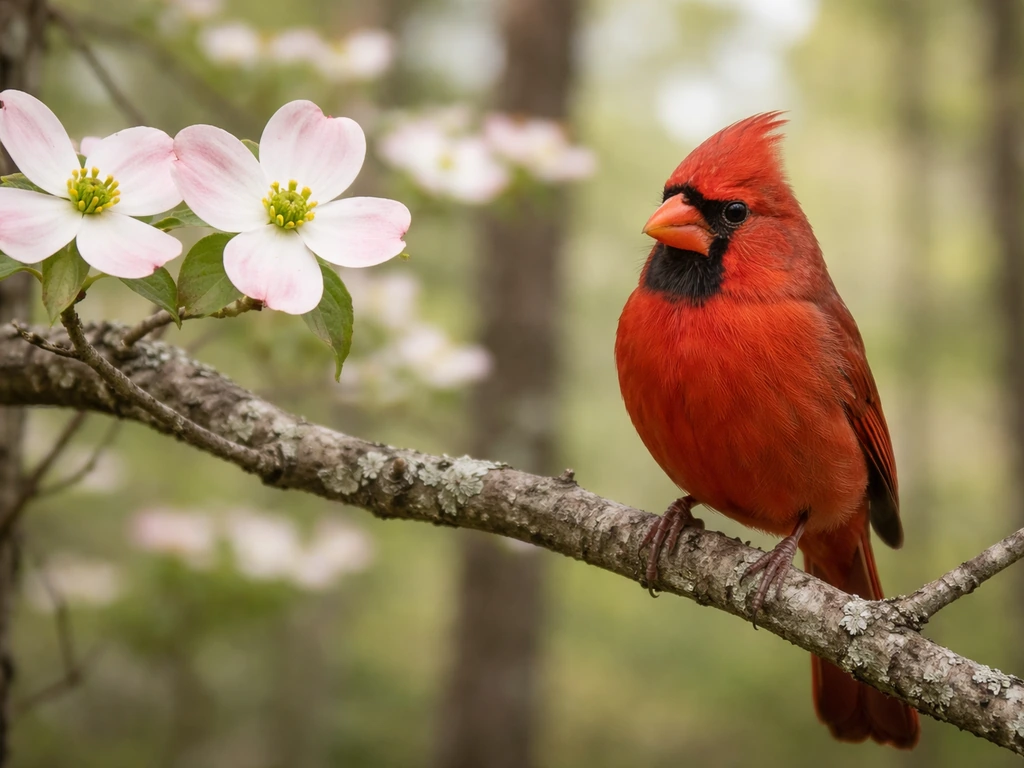
If you're looking for the full pairing, North Carolina's state flower is the Dogwood (Cornus florida). The dogwood was designated as the official state flower on March 15, 1941, about two years before the cardinal became the state bird. Like the cardinal designation, the dogwood's status is codified in Chapter 145 of the NC General Statutes. Both symbols are native to the state and deeply tied to the Carolina landscape: dogwood trees bloom across North Carolina's forests and roadsides in spring, while cardinals are a constant backyard presence all year long.
How many states share the cardinal as their state bird
North Carolina is far from alone in claiming the cardinal. It's actually the most widely shared state bird in the country, claimed by seven states total. Here's the full list:
- Illinois
- Indiana
- Kentucky
- North Carolina
- Ohio
- Virginia
- West Virginia
That's a concentrated cluster of states in the eastern and midwestern United States, which makes geographic sense. The Northern Cardinal's natural range covers the entire eastern half of North America, so all seven states have strong resident populations. The fact that so many states independently arrived at the same choice is a testament to how visible and beloved the bird is across the region. If you're curious how Virginia or West Virginia's designation compares historically, the statutory timelines differ, but the bird is the same species: Cardinalis cardinalis.
| State | State Bird | Year Designated |
|---|---|---|
| North Carolina | Northern Cardinal | 1943 |
| Illinois | Northern Cardinal | 1929 |
| Indiana | Northern Cardinal | 1933 |
| Kentucky | Northern Cardinal | 1926 |
| Ohio | Northern Cardinal | 1933 |
| Virginia | Northern Cardinal | 1950 |
| West Virginia | Northern Cardinal | 1949 |
A note on neighboring states
If you're comparing North Carolina's state bird to neighboring South Carolina's, they're different. For South Carolina, the official state bird is the Carolina Wren, not the Northern Cardinal what is sc state bird. South Carolina's official state bird is the Carolina Wren, not the cardinal. The Carolina Wren is a much smaller, brown-and-buff bird with a notably loud voice for its size. It's worth knowing the distinction, especially if you're working through state symbols for the Southeast or trying to keep the Carolinas straight on a quiz or worksheet. If you're curious why the Carolina Wren is the state bird in South Carolina, that's explained next why is the carolina wren the state bird.
The quick reference version
| Detail | Information |
|---|---|
| State bird | Northern Cardinal |
| Scientific name | Cardinalis cardinalis |
| Year designated | 1943 |
| Legal authority | N.C. Gen. Stat. § 145-2 |
| State flower (paired symbol) | Dogwood (Cornus florida) |
| Other states with the same bird | Illinois, Indiana, Kentucky, Ohio, Virginia, West Virginia |
| Body length | 8–9 inches |
| Wingspan | 9–12 inches |
| Key field marks (male) | Brilliant red plumage, black facial mask, prominent crest, orange-red bill |
| Key field marks (female) | Grayish-brown with reddish tones, same crest and bill shape |
FAQ
Is North Carolina’s state bird the Northern Cardinal year-round, or does it change by season?
Yes, the official state bird remains the Northern Cardinal. The designation was made in 1943 and is set out in North Carolina’s statutes, so there is no seasonal swap or separate “summer” vs “winter” state bird.
How can I confirm it’s the Northern Cardinal and not another red songbird?
A common mistake is confusing the Northern Cardinal with similar red cardinals, or with a totally different local songbird that happens to look red. The raised crest, thick short bill, long tail, and the male’s black facial mask are the most reliable visual checks, even when the bird is in partial shade.
What should I listen for if I want to identify the cardinal by its song?
If you rely on sound, focus on repeated, clear whistle phrases like “cheer-cheer-cheer.” Also note that both males and females can sing, so hearing a cardinal does not automatically mean you are hearing a male.
Do cardinals that look different still count as the state bird?
The state bird refers to the species, not a specific subspecies or color phase. In the field you might notice variation in how bright the red looks depending on lighting and wear, but the crest shape and bill profile should still match.
Do you have to see the state bird in a certain part of North Carolina to count as a valid identification?
No, you generally will not need to match the bird in a specific geographic region of the state. Because cardinals are abundant across North Carolina and are year-round residents, you can encounter them statewide, not just in coastal or mountain areas.
What wording should I use to answer “what is North Carolina’s state bird” correctly on a test?
For a quiz or worksheet, it is safest to use the full official name and scientific name: Northern Cardinal (Cardinalis cardinalis). If space is limited, the common name alone is usually accepted, but the scientific name can help if the question asks for “species.”
What’s the best backup method if I only get a quick look or brief audio?
If you cannot confirm by sight, combine two cues: crest plus bill (best for visual ID), and the “cheer” style whistle (best for audio ID). Waiting to see the bird’s head profile is often more accurate than trying to ID from distance.
I’m comparing state birds in the Carolinas, what’s the most common mix-up to avoid?
North Carolina’s state bird and neighboring states’ symbols differ, so it’s easy to mix them up when comparing the Carolinas. For example, South Carolina’s state bird is the Carolina Wren, so don’t assume the same answer across both states.
Next Articles
What Is the State Bird of Florida? Official Bird, ID Tips
Florida’s official state bird is the Northern mockingbird. Learn why it was chosen and how to spot it.
What Is the Tennessee State Bird? Identification and History
Learn the Tennessee state bird, how to identify it, its key traits, and the history behind its official designation.
What Is Georgia’s State Bird? Identification Guide
Georgia’s official state bird and how to identify it in the wild, plus what it shares with other states