North Carolina chose the Northern Cardinal as its state bird in 1943 because it won a public vote by a wide margin. The North Carolina Bird Club organized a statewide campaign through newspapers, local clubs, and schools, and more than 23,000 votes were cast. The cardinal came out on top, and the state legislature made it official under Session Law 1943, c. 595, now codified as G.S. 145-2. That statute reads simply: 'The cardinal is hereby declared to be the official State bird of North Carolina.' It has been the state bird ever since.
Why Is the Cardinal the State Bird of North Carolina?

Marcus Webb
6 May 2026
What exactly is the Northern Cardinal?
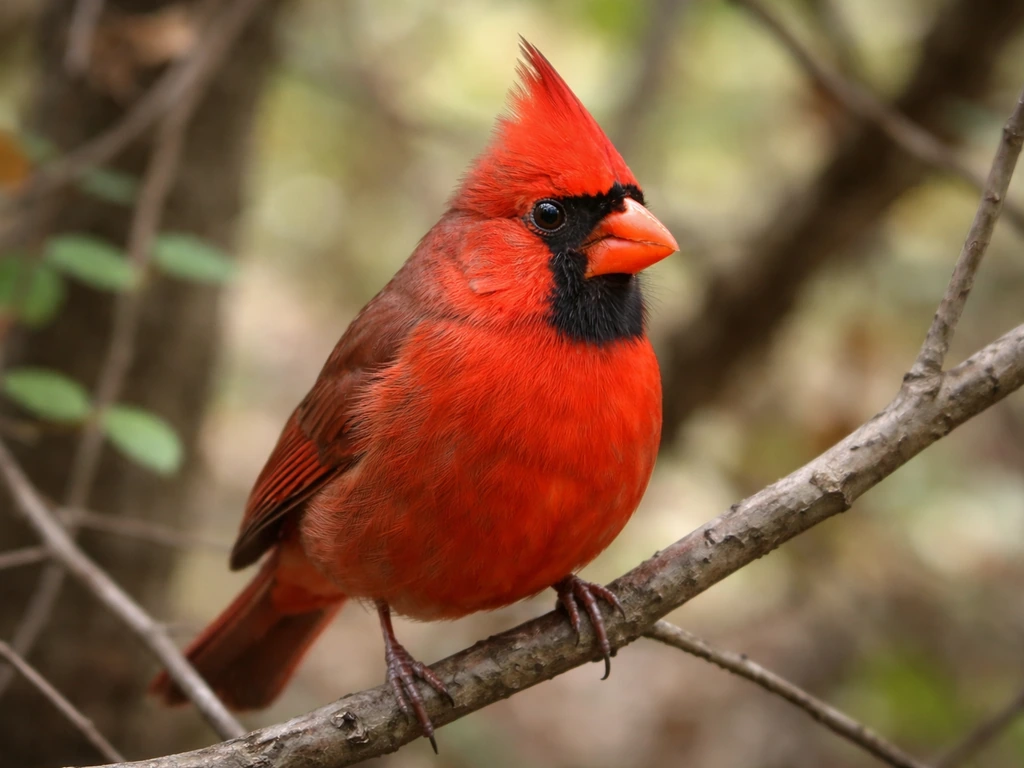
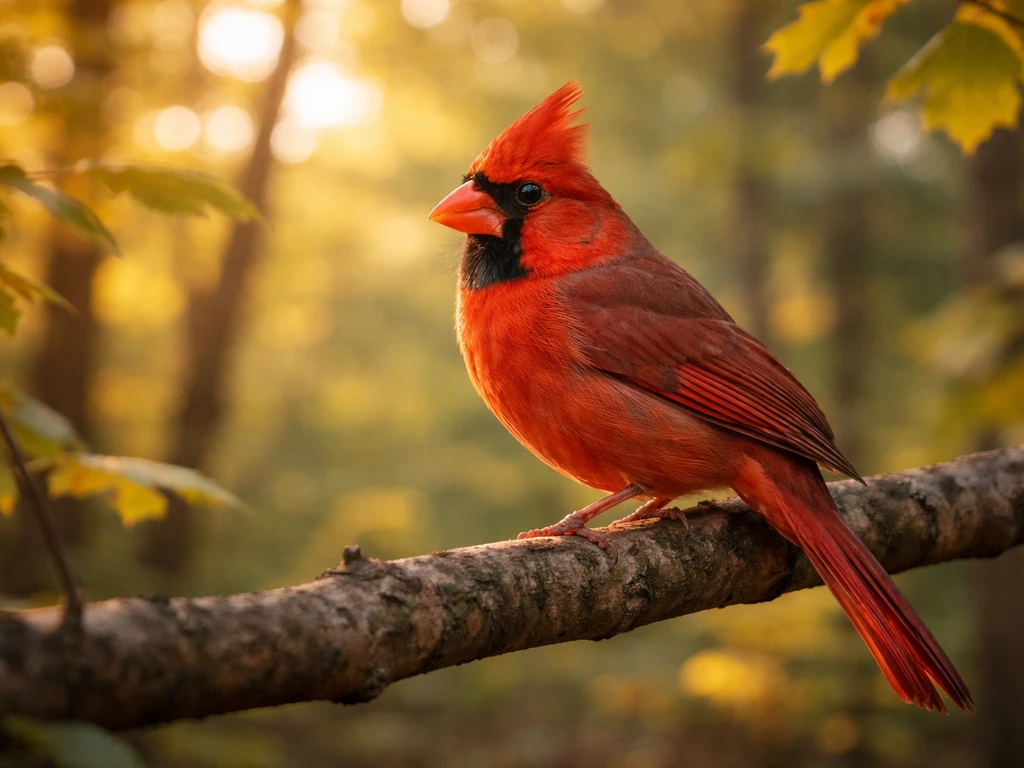
The bird in question is the Northern Cardinal (Cardinalis cardinalis), not to be confused with the Pyrrhuloxia (sometimes called the 'desert cardinal') or the Vermilion Cardinal found in South America. The Northern Cardinal is the species you know from backyard feeders across the eastern United States: a medium-sized songbird about 8 to 9 inches long with a distinctive pointed crest and a heavy, cone-shaped orange-red bill.
The male is an unmistakable bright red all over with a black mask around the face and throat. The female is a warm buff-brown with reddish tinges on the crest, wings, and tail, and the same striking red bill. If you're in North Carolina and you're looking at a crested, chunky songbird with that red bill, you're almost certainly looking at the right species.
How and when North Carolina made it official
The designation goes back to 1943. The North Carolina Bird Club, a group dedicated to ornithology in the state, decided it was time for North Carolina to have an official state bird. Rather than just picking one internally, they took it to the public. They ran a campaign through newspapers and engaged local clubs and schools across the state to get as many people as possible involved in the vote.
More than 23,000 votes were cast, which was a substantial showing for a public engagement campaign in 1943. The cardinal won a plurality of those votes, which gave the Bird Club the public backing they needed to bring the proposal to the legislature. The General Assembly then passed Session Law 1943, c. 595, formally designating the cardinal as the official state bird. That law is now preserved in the North Carolina General Statutes at G.S. 145-2 and has never been amended or replaced.
Why the cardinal resonated with North Carolinians
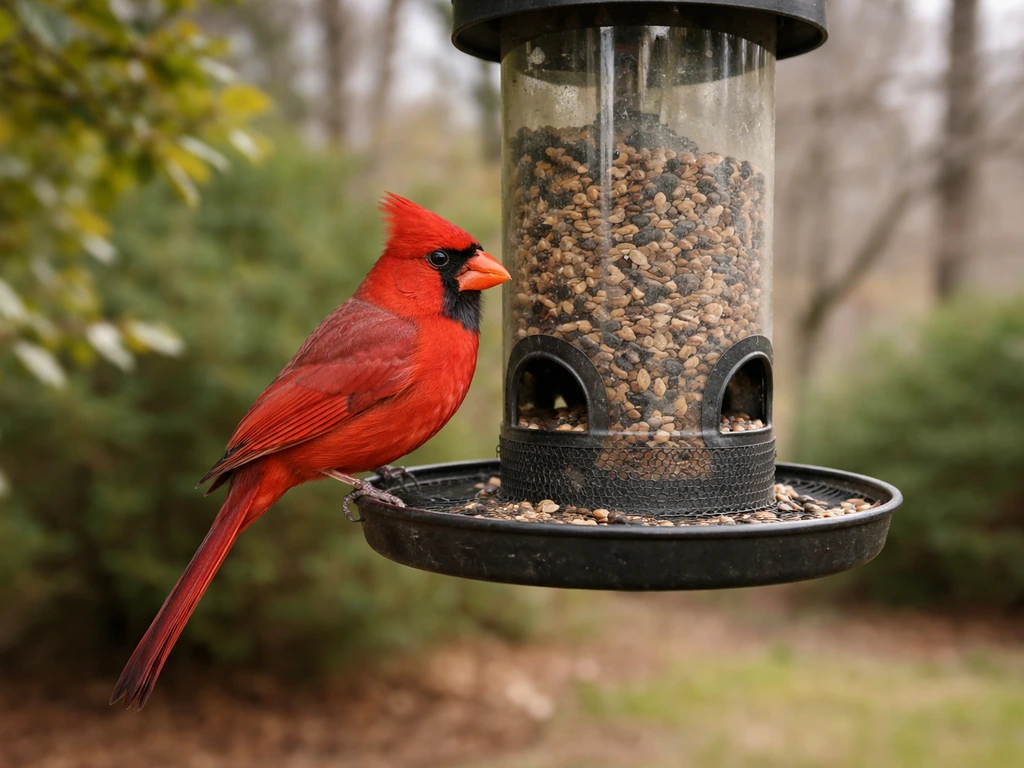
The public vote result isn't surprising when you think about it. The Northern Cardinal checks almost every box you'd want for a state symbol. It's present year-round across the entire state, from the coastal plain to the mountains, so no region of North Carolina feels left out. It doesn't migrate south in winter, which means people see it at their feeders in January just as easily as in July. That year-round visibility matters: a state bird that vanishes for half the year isn't much of a symbol.
The male's vivid red plumage also makes it one of the most visually striking birds in the eastern United States. It's immediately recognizable, even to people who don't consider themselves birders. The cardinal has a strong cultural presence too: it appears on Christmas cards, sports team logos, and garden decorations across the South. In 1943, when the vote was held, the cardinal was already deeply embedded in the everyday awareness of North Carolinians, which almost certainly drove the high vote count.
The male also sings loudly and persistently, with a clear whistled 'cheer-cheer-cheer' or 'birdy-birdy-birdy' that carries well. Both males and females sing, which is relatively unusual among North American songbirds. That combination of year-round presence, unmistakable appearance, and strong voice gave the cardinal a familiarity that no other candidate could easily match.
Spotting the cardinal in North Carolina
You'll find Northern Cardinals in virtually every habitat across North Carolina: woodland edges, suburban backyards, overgrown fields, hedgerows, and parks. They favor areas with dense shrubs for cover and nesting. If you're in the Piedmont or coastal plain, they're genuinely one of the most common birds at any feeder. In the mountains, they're still common in lower elevations and valley towns, though less abundant at high-elevation spruce-fir forests.
Quick identification cues to confirm you have the right bird:
- Prominent pointed crest (both sexes have it, unlike most other songbirds)
- Heavy orange-red conical bill, distinctly thick compared to sparrows or finches
- Male: entirely red body with a black mask from the face down to the throat
- Female: warm buff-brown with red highlights on crest, wings, and tail; same red bill
- Chunky body shape, about the size of a large sparrow but noticeably heavier
- Clear, loud whistled song; often sings from an exposed perch at the top of a shrub or small tree
At feeders, cardinals prefer sunflower seeds and safflower seeds. They tend to forage lower to the ground than many other feeder birds and often feed in pairs or small family groups. If you're trying to attract them, a platform feeder or a large hopper feeder near shrubby cover is your best bet.
North Carolina isn't alone: other states with the Northern Cardinal
One thing worth knowing is that North Carolina shares this state bird with six other states, making the Northern Cardinal the most commonly adopted state bird in the country. Wikipedia’s compiled list of U.S. state birds shows the Northern Cardinal is designated as a state bird for multiple states and includes North Carolina’s 1943 entry Northern Cardinal is the state bird for multiple states and includes North Carolina’s entry (1943). Here's the full list:
| State | Year Designated |
|---|---|
| Illinois | 1929 |
| Indiana | 1933 |
| Kentucky | 1942 |
| North Carolina | 1943 |
| Ohio | 1933 |
| Virginia | 1950 |
| West Virginia | 1949 |
The pattern here is telling: every single one of these states is in the eastern half of the United States, which is the core of the Northern Cardinal's natural range. The bird's combination of year-round residency, vivid appearance, and widespread familiarity made it a popular and intuitive choice for state legislatures throughout the region during the mid-20th century. North Carolina was right in the middle of that wave of designations.
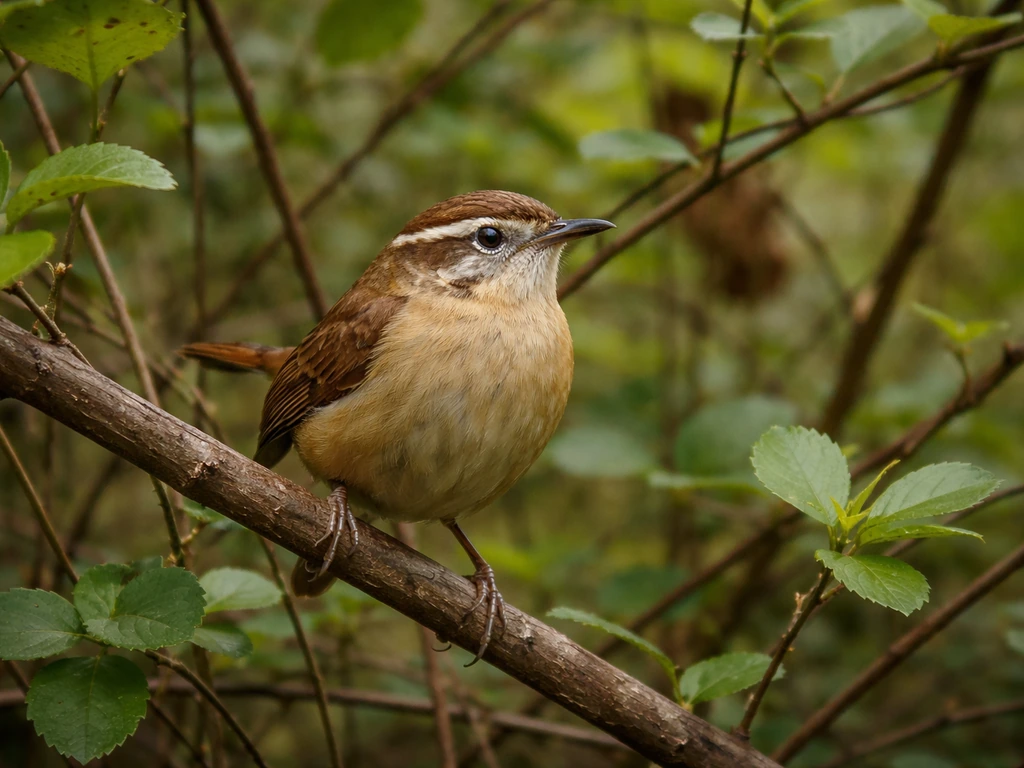
It's also worth noting the regional comparison: neighboring South Carolina chose a completely different bird as its state symbol (the Carolina Wren), which is a small, energetic brown bird with a very loud voice. South Carolina, however, has its own different state bird state bird of South Carolina. That state's choice reflects a different set of priorities, leaning toward a bird that is uniquely associated with the Carolinas by name.
If you're curious about how neighboring states made their choices, the contrast between North Carolina's cardinal and South Carolina's wren is a good illustration of how state bird selections can reflect quite different values even in geographically close states. If you’re also wondering what the South Carolina state bird is, it’s a different species than North Carolina’s cardinal.
What this all means for North Carolina's state identity
The Northern Cardinal became North Carolina's state bird through a genuinely democratic process in 1943: a public campaign, over 23,000 votes, a clear winner, and a legislative act that has stood unchanged for over 80 years. The reasons behind the choice are practical and cultural in equal measure. The bird lives in North Carolina year-round, it's visible to everyone from backyard birders to casual observers, and its brilliant red color gives it an undeniable symbolic weight. Whether you're looking up G.S. 145-2 for a school project or just trying to figure out why that red bird on your feeder matters, the answer is the same: North Carolinians picked it themselves, and it's easy to see why.
FAQ
What does the state law actually say about why the cardinal was chosen?
G.S. 145-2 declares the cardinal as the official state bird, it does not spell out the “why” in legal language. The motivation came from the 1943 public campaign and subsequent legislative approval, which is why the historical context matters more than the statute text itself.
Is North Carolina’s state bird the northern cardinal specifically, or a “cardinal” in general?
It is the Northern Cardinal (Cardinalis cardinalis). In practice, people sometimes say “cardinal” loosely, but the official designation refers to the species found in North Carolina backyards and throughout the eastern United States.
How can I be sure I am seeing the right species and not the Pyrrhuloxia (desert cardinal)?
In North Carolina, Pyrrhuloxia is not the typical backyard visitor. The easiest practical check is geography and appearance, the Pyrrhuloxia is more associated with the Southwest and has a different overall coloration pattern, while the Northern Cardinal is the familiar year-round red bird with the heavy cone-shaped bill.
If cardinals are year-round, why do some people say they only show up in winter?
Cardinals are present in all seasons, but they can be less noticeable in summer when dense foliage hides them. Winter often increases feeder visibility because people put out seed, and cardinals also naturally spend more time in open, shrub-adjacent areas near human activity.
Do cardinals migrate out of North Carolina at any point?
They do not make a long-distance winter migration like some northern songbirds. While there can be local movement or variation in how common you see them by area, they generally remain within the state year-round.
What is the fastest way to attract Northern Cardinals to a feeder?
Use sunflower or safflower seed and place the feeder near dense shrubs or a hedgerow, cardinals prefer cover and often feed lower than many other birds. A platform or large hopper feeder works well because it gives them space to perch and feed in their usual foraging style.
Why do I sometimes see male cardinals but not females, or vice versa?
Female cardinals can be harder to spot because their plumage is more buff-brown than bright red, and they may stay closer to cover during certain times. Also, you may notice males more at feeders first because they can be more visible or active around food sources, especially when they are defending territory.
Do males and females sing, and does that affect how people identify them?
Yes, both sexes sing, but it is often the male’s louder, more frequent whistled calls that people remember. In practice, if you hear consistent clear “cheer-cheer-cheer” style calls near shrubs or feeders, odds are high you are hearing resident cardinals, even if the bird is partially hidden.
Why do people claim North Carolina’s vote was “democratic” if the legislature still approved it?
The key democratic part was the statewide public vote organized in 1943. The legislature then formalized the result through a session law, meaning the public essentially picked the winner and the state government made it official.
Does North Carolina share the Northern Cardinal as a state bird with other states?
Yes. The Northern Cardinal is one of the most commonly adopted state birds, and it is shared by multiple states. North Carolina’s selection fits the same broader pattern of the cardinal being strongly familiar across the eastern United States.
Next Article
What Is SC State Bird? Official Bird, Identification, History
Discover SC state bird: identify the Carolina wren, learn key traits, range, and history of its official designation.