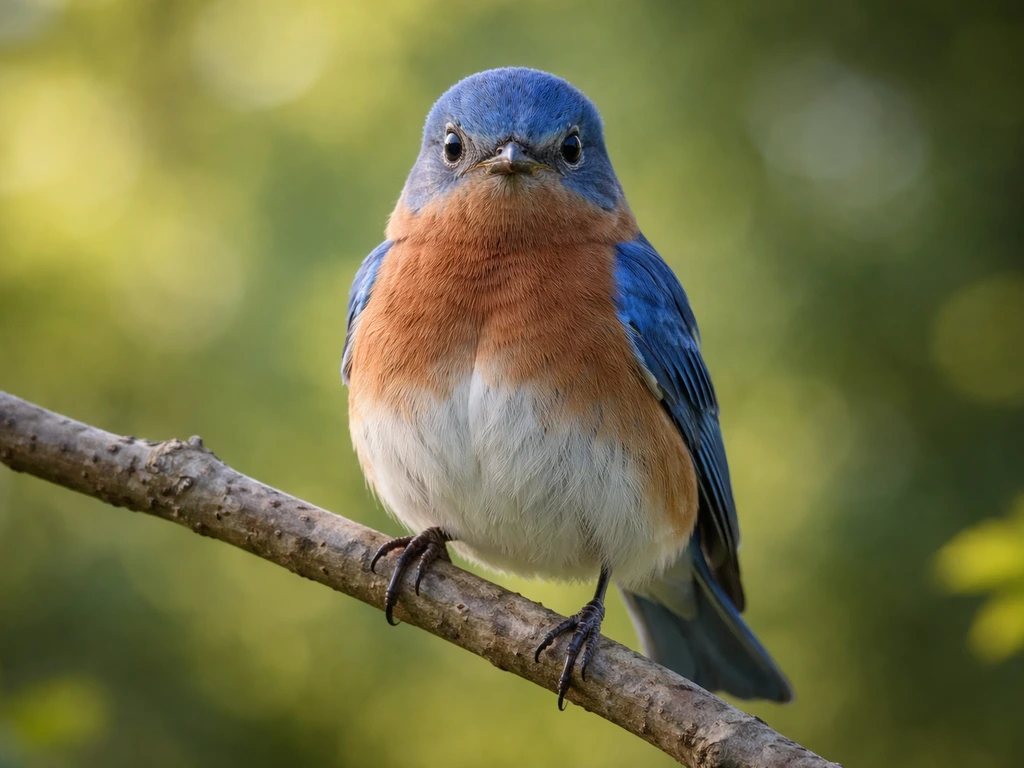
New York's state bird is the Eastern Bluebird (Sialia sialis), officially designated on May 18, 1970, when Governor Nelson Rockefeller signed the bill into law. New York's state flower is the rose, but the exact variety is commonly referenced as the wild rose used for the state designation. The reason it took so long is genuinely interesting: the bird had informal "state bird" status as early as 1928, but it took a population collapse of nearly 92% and a grassroots push from conservation advocates to finally get it written into law.
Why Is the Eastern Bluebird the NY State Bird?

Marcus Webb
21 May 2026
The official designation: what the law actually says
New York's state bird is codified in the New York Consolidated Laws, State Law (STL), Article 6, Section 78, which reads: "The bluebird (Sialia Sialis) shall be the official bird of the state of New York." You can read the current statutory wording directly on NYSenate.gov's official legislation portal, which also includes a historical revision selector so you can verify the law hasn't changed. The New York State Library and the New York State Department of Environmental Conservation both confirm the 1970 adoption date, and the NYSDEC's Eastern Bluebird page describes it plainly as "New York's state bird, named in 1970."
What "bluebird" actually means here: quick ID guide
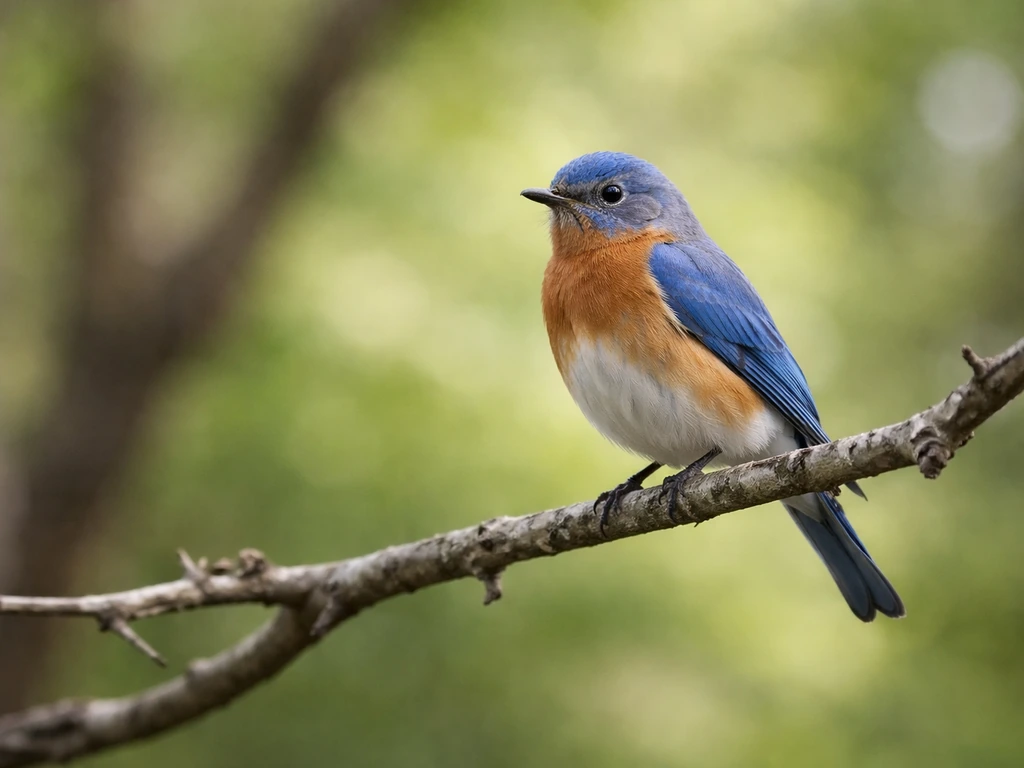
The word "bluebird" gets used loosely, so it's worth being clear. There are three bluebird species in North America: the Eastern Bluebird (Sialia sialis), the Western Bluebird (Sialia mexicana), and the Mountain Bluebird (Sialia currucoides). New York's state bird is specifically the Eastern Bluebird. Roadrunners are the state birds of different places in the U. If you're curious about how New Mexico ended up choosing the roadrunner, the same kind of history explains why it became the New Mexico state bird why is the roadrunner the new mexico bird. S., but not of New York is the roadrunner a state bird. Here's how to tell it apart from the others.
| Feature | Eastern Bluebird (NY) | Western Bluebird | Mountain Bluebird |
|---|---|---|---|
| Throat color (male) | Orange-red/rusty | Blue | Blue |
| Belly (male) | Orange-red chest and flanks | Orange-brown chest, gray belly | Pale blue or white |
| Overall color (male) | Bright blue back, rusty breast | Blue with orange patch on back | All sky-blue |
| Length | 6–8 in (15–20 cm) | 6–7 in (15–18 cm) | 6.5–7.5 in (16.5–19 cm) |
| Wingspan | 10–13 in (25–33 cm) | 11–13 in (28–33 cm) | 11–14 in (28–35.5 cm) |
| Weight | 1.0–1.1 oz (28–31 g) | 0.8–1.1 oz (24–31 g) | 1.0–1.2 oz (28–34 g) |
The single easiest field mark: a male Eastern Bluebird has an orange-red throat. If the throat is blue, you're looking at a Western or Mountain Bluebird, neither of which lives in New York naturally. Female Eastern Bluebirds are subtler, with grayish-blue upperparts, a hint of rusty wash on the breast, and white eye rings. They're cavity nesters, so you'll often spot them around orchards, forest edges, and open fields where nest boxes have been installed.
Why New York chose the Eastern Bluebird
The 1928 proposal: an informal vote that stuck for 42 years
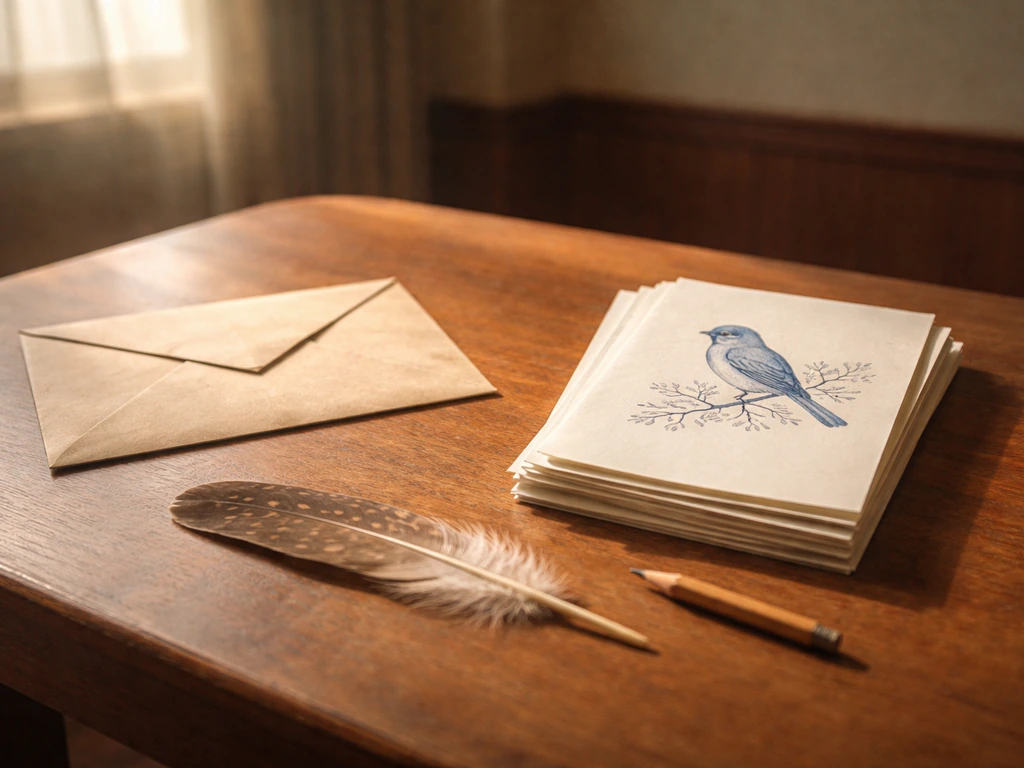
On April 13, 1928, Bird Day, the bluebird won an informal referendum organized in connection with the New York State Federation of Women's Clubs. The vote gave the Eastern Bluebird a kind of unofficial "state bird" status that Audubon societies and conservation groups acknowledged for decades, but it was never formally codified. The bird was considered a natural fit: it was a familiar, beloved presence in rural New York, widely associated with spring arrival and open farmland landscapes that were central to the state's character at the time.
The 1970 push: a conservation crisis forced the issue
What finally moved the bluebird from symbolic choice to legal state bird was alarming: by the late 1960s, Eastern Bluebird populations had declined by roughly 92% from historic levels. Habitat loss, competition from introduced cavity nesters like House Sparrows and European Starlings, and reduced availability of suitable nesting trees had hit the species hard. A couple from Marathon, in Cortland County, Robert and Christopher Allen, noticed the decline being discussed at a Federation convention and asked their assemblyman, George M.
Michaels, to push for official legislation. The result was the bill Rockefeller signed on May 18, 1970. The designation wasn't just ceremonial recognition; it was also a statement of conservation intent, shining a spotlight on a species that was genuinely struggling.
The symbolism: harbinger of spring
The Eastern Bluebird carries a long cultural association with optimism and the return of warm weather. The New York State Bluebird Society describes it as an "azure harbinger of spring," and that framing captures exactly why it resonated in 1928 and still does today. Eastern Bluebirds generally return to New York in early to mid-March, making them one of the earlier spring arrivals that New Yorkers watch for after long winters. That seasonal role, combined with the bird's striking appearance and approachable habitat, made it a natural symbol.
How the bluebird fits New York's landscape
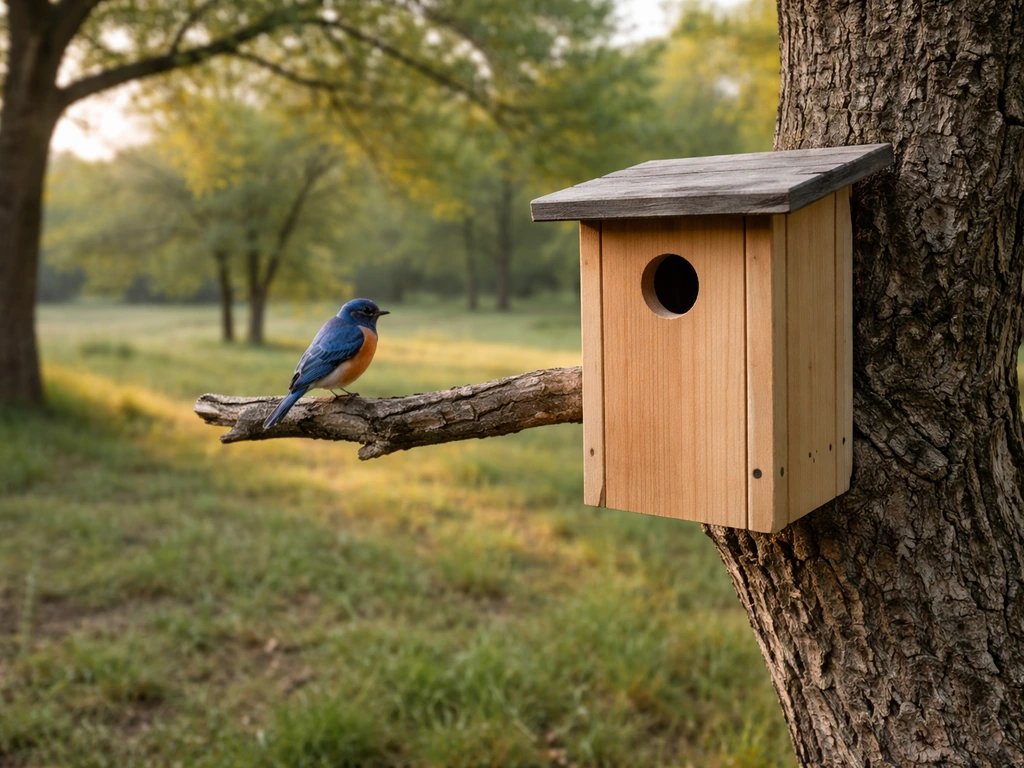
Eastern Bluebirds are birds of open country with patchy vegetation and large trees or nest boxes nearby. Think meadows, orchards, golf courses, roadsides, and rural farmland with fence posts. That description maps well onto large stretches of upstate New York, from the Hudson Valley to the Finger Lakes region and beyond. You'll commonly see males perched on wire fences or wooden posts, scanning the ground below for insects before dropping down to catch them.
The cavity-nesting habit is central to understanding both the bird's behavior and its conservation story in New York. Natural cavities in old trees are increasingly scarce, and introduced competitors fight for every available hole. The New York State Bluebird Society has coordinated nest box trail programs across the state for decades, and those efforts have directly contributed to the population recovery that followed the 1970 designation. Choosing the bluebird as state bird gave these programs visibility and community support.
How New York's state bird compares to neighboring state birds
New York isn't alone in appreciating the bluebird. In Delaware, a different blue bird was chosen as the state bird, which is why many people ask why the blue hen is Delaware’s state bird. Missouri made the Eastern Bluebird its official state bird back in 1927, a year before New York's informal vote.
Missouri’s Secretary of State likewise notes that the Eastern Bluebird (Sialia sialis) has been Missouri’s official state bird since 1927 Missouri made the Eastern Bluebird its official state bird in 1927.
That makes Missouri and New York both Eastern Bluebird states, though the species appears on New York's official books more than four decades after Missouri's. Idaho and Nevada went a different route, both designating the Mountain Bluebird as their state bird. Connecticut chose the American Robin, adopted in 1943, which is ecologically a close neighbor in habitat terms but a very different bird culturally.
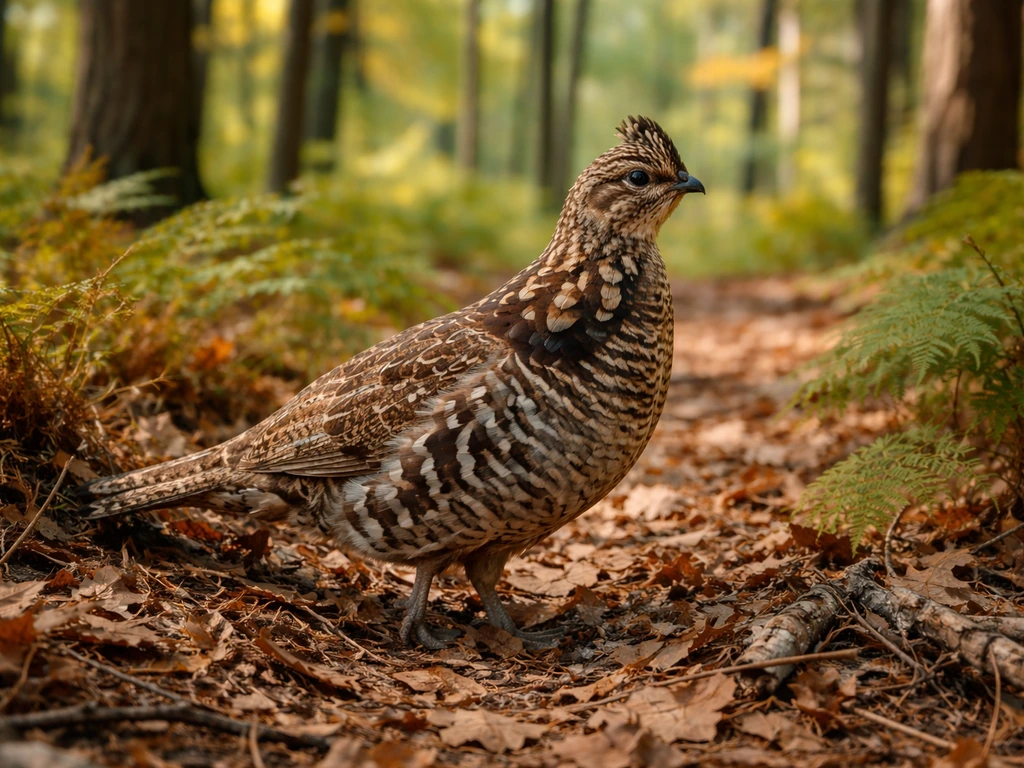
Pennsylvania went with the Ruffed Grouse, a forest species that reflects that state's wilder, more densely wooded character compared to the open-country bluebird. The ruffed grouse was chosen in part because it fits Pennsylvania's forest landscape and was already a well-known game bird in the state Pennsylvania went with the Ruffed Grouse.
The pattern across northeastern states shows each one landing on a bird that reflects its dominant landscape, and for New York, open agricultural country and the promise of spring made the Eastern Bluebird the obvious choice.
Fast facts and where to verify
- Official name in statute: "The bluebird (Sialia Sialis)" — New York Consolidated Laws, STL § 78
- Officially designated: May 18, 1970, signed by Governor Nelson Rockefeller
- Informal state bird since: April 13, 1928 (Bird Day referendum, New York State Federation of Women's Clubs)
- Population decline that triggered formal action: approximately 92% reduction by the late 1960s
- Return to New York each year: typically early to mid-March
- Key field mark: orange-red throat (not blue, unlike Western or Mountain Bluebirds)
- Size: 6–8 inches long, 10–13 inch wingspan, about 1 ounce
- Habitat: open fields, orchards, rural roadsides, forest edges with nest boxes or large trees
To verify the official designation today, go directly to NYSenate.gov and search for State Law (STL) § 78. The exact statutory wording is right there, including the Latin species name Sialia sialis. The New York State Department of Environmental Conservation also has an Eastern Bluebird species page that confirms the 1970 state bird status and provides current habitat and range information. If you want deeper historical context, the New York State Bluebird Society's FAQ page is the most concise single source for understanding the 1928-to-1970 timeline and why the conservation crisis was the real catalyst for official designation.
FAQ
How can I tell I’m looking at the Eastern Bluebird, not a different “bluebird”?
Because New York’s law names the Eastern Bluebird specifically (Sialia sialis), not a generic “bluebird.” If you see a blue throat, that is a Western or Mountain Bluebird, and those species do not naturally occur in New York.
When and where in New York am I most likely to spot an Eastern Bluebird?
Your best odds for seeing one are during early morning and late afternoon, especially near open fields and fence lines (meadows, orchards, roadsides, and golf courses). They often perch on exposed spots while scanning for insects, then drop to feed.
Do Eastern Bluebirds build nests in trees like other songbirds in New York?
If you are searching for a nest, focus on cavity sites, such as old trees with natural holes or well-maintained nest boxes placed in open-country habitat. The birds are cavity nesters, so looking for nests in open branches usually leads to confusion.
What role do invasive cavity nesters play in Eastern Bluebird declines today?
Yes, competition matters. House Sparrows and European Starlings can take over cavities and reduce breeding success. Many community nest box programs use management practices (like entrance hole size and careful monitoring) to improve outcomes for Eastern Bluebirds.
Did the 1970 law simply formalize the 1928 vote, or was there a separate conservation crisis?
New York’s designation was largely driven by the late-1960s population crash, but the earlier informal support came from public sentiment. In other words, the 1970 law was not just a symbolic upgrade of the 1928 vote, it aligned with urgent conservation needs.
Is there any special legal status for Eastern Bluebirds in New York beyond being the state bird?
The state bird law only specifies the species, it does not create a hunting or wildlife-protection exception. If you encounter one, treat it like any protected native bird, do not disturb nests, and avoid removing eggs or tampering with cavities.
What can residents actually do to support Eastern Bluebirds in New York?
The species can still decline locally if nesting sites are limited or if predators and cavity competitors are high. For the most reliable improvements, keep helping with habitat and nest box programs, since nest box trails were specifically part of the recovery approach.
If Eastern Bluebirds return in early to mid-March, will they always show up that early?
Not necessarily. New York has an Eastern Bluebird law, but seasonal weather, food availability, and local habitat quality can affect how early or how many birds show up. Early March sightings are common, but timing can shift year to year.
Where is the exact official legal wording for New York’s state bird, and how do I confirm it is the right species?
If you want to double-check the official wording, confirm State Law (STL) § 78 on NYSenate.gov. The statute is short but includes the scientific name, which is the easiest way to verify it is the Eastern Bluebird rather than another “blue bird.”
Next Article
Why Is the Ruffed Grouse Pennsylvania’s State Bird?
Discover why the ruffed grouse is Pennsylvania’s state bird, its key traits, history, habitats, and where to spot it.