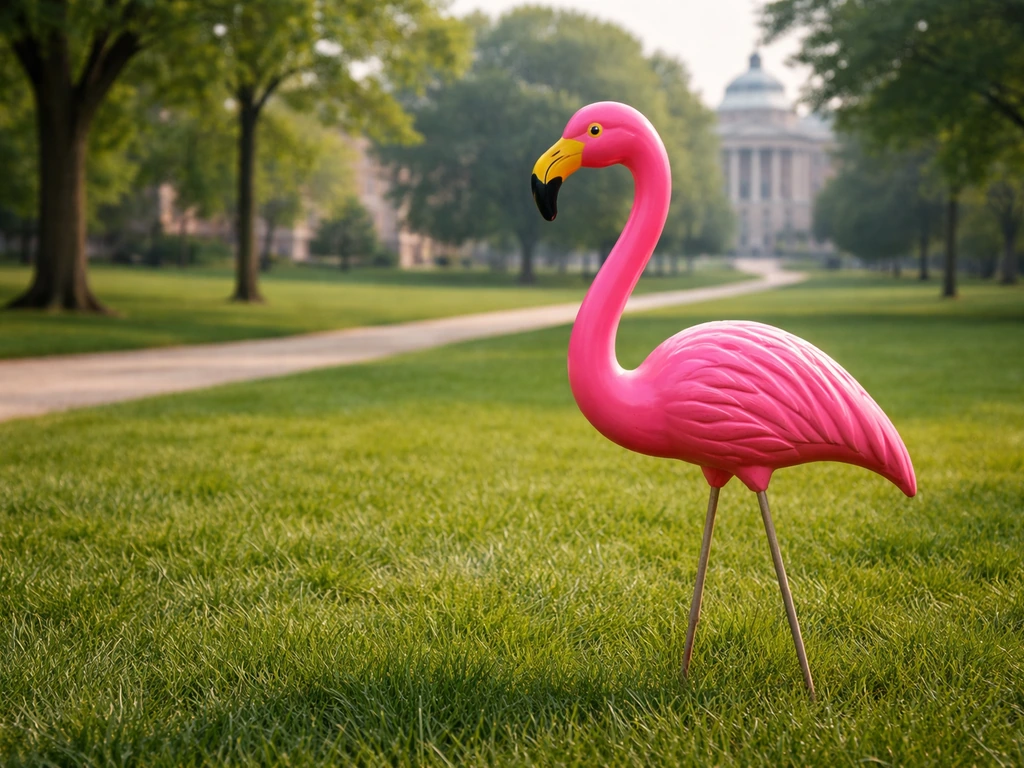
Madison, Wisconsin's official city bird is the plastic pink flamingo. Not a real flamingo, not a native Wisconsin species, a plastic lawn ornament. The city's Common Council made it official on September 1, 2009 (enactment date September 3, 2009) through Resolution RES-09-00727, formally proclaiming the plastic pink flamingo the official "bird" of Madison, Wisconsin. The quotation marks around "bird" in the resolution are very much intentional.
What Is the Official Bird of Madison Wisconsin

Marcus Webb
14 May 2026
The city bird vs. the state bird: don't mix these up
If you landed here looking for Wisconsin's official state bird, that's a different answer entirely. If you're asking about which sports teams mascot is also its state's official bird, look at the Wisconsin state bird discussion next which sports teams mascot is also its states official bird. The Wisconsin state bird is the American robin (Turdus migratorius), a designation set by the state legislature and recognized statewide. Madison's plastic pink flamingo is a city-level symbol only, adopted by Madison's local government and applying to the city alone. City bird designations and state bird designations come from completely separate governing bodies and carry different scopes. So if someone asks "what is the official bird of Wisconsin," the answer is the American robin. If they specifically ask about Madison, the city, the answer is the plastic pink flamingo.
How to verify the designation yourself
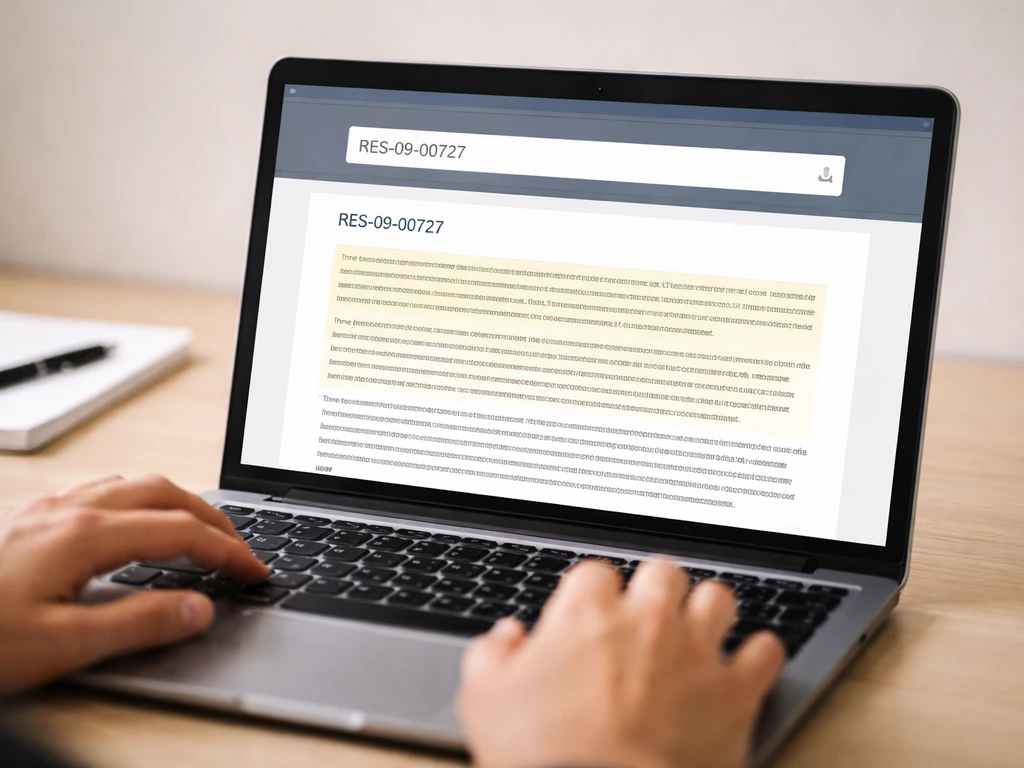
The cleanest way to confirm Madison's official city bird is to look up the resolution directly in Madison's legislative database. The document is Resolution RES-09-00727, also filed as File #15721, and it's publicly searchable through the City of Madison's Legistar system. The resolution text explicitly states the Mayor and Common Council "proclaims the plastic pink flamingo the official 'bird' of Madison, Wisconsin." Beyond the primary legislative record, Madison's own official tourism body (Destination Madison / VisitMadison) lists it in their visitor FAQ and fun facts pages, and even the Madison Police Department's 2022 Annual Report mentions it in a "More Than You Know" section. Multiple official city sources confirm the same thing.
One thing to watch: Madison also has a separate "Bird City Wisconsin" recognition from Madison Parks, granted in September 2013. That's a conservation program recognizing bird-friendly habitat practices, and it has nothing to do with the official city bird designation. Don't let that page send you down the wrong path.
Why a plastic flamingo? The Bascom Hill prank
The origin goes back to the early morning of September 4, 1979. A group of University of Wisconsin-Madison students placed 1,008 plastic pink flamingos on Bascom Hill overnight. Bascom Hill is one of the most iconic spots on the UW-Madison campus, and the sight of over a thousand plastic flamingos covering it became an instant piece of Madison lore. The prank became a beloved local tradition, with flamingos appearing on Bascom Hill "every spring" in subsequent years as an unofficial ritual.
When the 30th anniversary of the prank approached in 2009, the Common Council moved to memorialize it permanently. The resolution's "WHEREAS" clauses directly reference the September 4, 1979 prank and its 30th anniversary as the reason for the proclamation. It's a genuinely unusual city symbol, but it reflects Madison's culture: quirky, university-driven, and proud of the weird things that make it distinct. The city has leaned into it further since then, including deploying six-foot-tall pink flamingo sculptures along State Street during a 2024 pedestrian mall experiment called #FlocktoState. The City of Madison DPCED’s State Street 2024 project page describes #FlocktoState as including six-foot-tall pink flamingo sculptures deploying six-foot-tall pink flamingo sculptures along State Street during a 2024 pedestrian mall experiment called #FlocktoState.
What does a plastic pink flamingo actually look like (species basics)
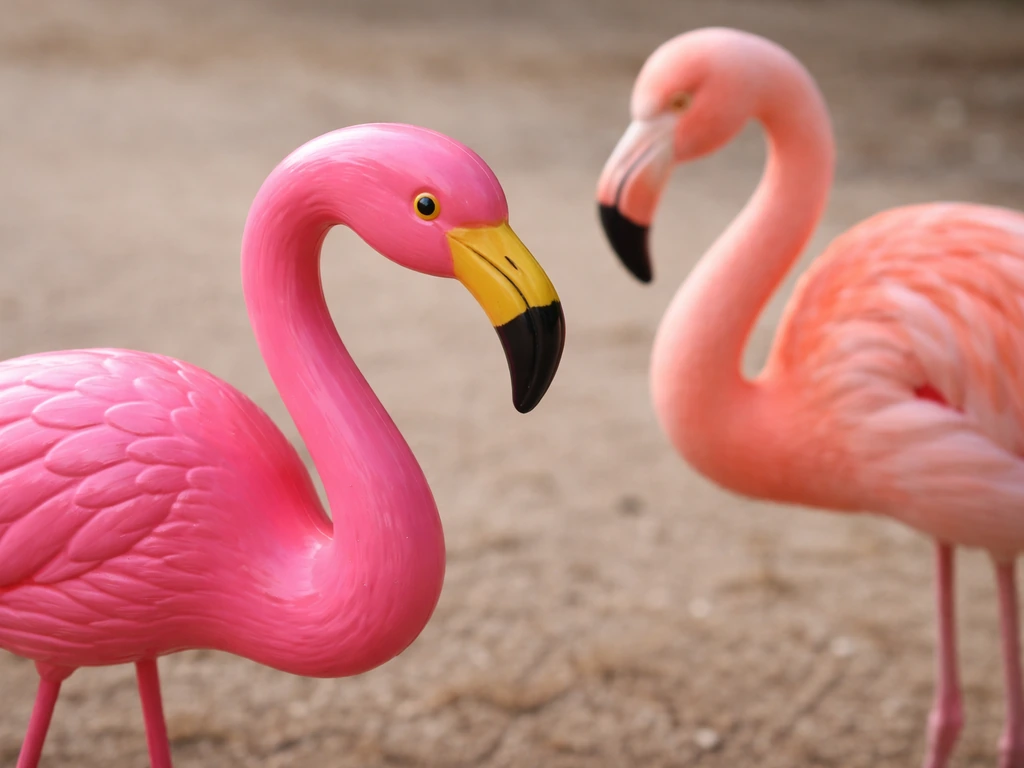
Since Madison's official bird is the plastic version, there's no field identification involved in the traditional sense. The lawn ornament is modeled after the American flamingo (Phoenicopterus ruber), the real species that inspired the design. Real flamingos are large wading birds standing roughly 3.3 to 4.6 feet tall, recognized by their bright pink-to-coral plumage, distinctive downward-bent bill, and long thin legs. The plastic version, mass-produced since the 1950s (the iconic design was created by artist Don Featherstone in 1957), captures the basic silhouette: a one-legged or two-legged pink bird on a metal stake, meant for sticking in the ground.
Real flamingos aren't native to Wisconsin and won't be spotted in the wild there. Their natural range covers parts of the Caribbean, Central America, and coastal South America. In Wisconsin, you're far more likely to see the American robin, the actual state bird, foraging on a lawn than anything resembling a flamingo outside of a yard decoration.
How Madison's city bird compares to Wisconsin's state bird
| Feature | Madison City Bird | Wisconsin State Bird |
|---|---|---|
| Official designation | Plastic pink flamingo | American robin |
| Scientific name | N/A (lawn ornament) | Turdus migratorius |
| Governing body | Madison Common Council | Wisconsin State Legislature |
| Year designated | 2009 | 1949 |
| Reason chosen | 30th anniversary of the 1979 Bascom Hill prank | Schoolchildren voted it most common and beloved state bird |
| Is it a real bird? | No | Yes |
| Found in the wild in Wisconsin? | No | Yes, common statewide |
The American robin is one of the most widely shared state birds in the country, designated by Michigan and Connecticut as well, making it an interesting case study in overlapping state symbols. If you're curious about how Wisconsin's robin compares to neighboring states' designations, the Michigan state bird and Wisconsin state bird topics go deeper on that. If you want to know what the Michigan state bird is, that comparison can help clarify how different states choose their official birds. Madison's flamingo, by contrast, is about as unique a city bird as you'll find anywhere.
Where to go from here
If you want the primary source, start with the City of Madison's Legistar legislative database and search for File #15721 or RES-09-00727. That gives you the full resolution text straight from the city. For a quick confirmation without the legislative search, Destination Madison's visitor FAQ and fun facts pages both list the plastic pink flamingo as the official city bird and explain its origins clearly.
If you're actually researching Wisconsin's state bird rather than Madison's city bird, the Wisconsin DNR's bird pages cover the American robin in detail, including audio identification to help you recognize the species by call. And if you want to dig into how official bird designations work across the country, which states share birds, which states chose unusual ones, and how the selection process typically worked, the broader Wisconsin state bird page is a good next read.
- City of Madison Legistar system: search File #15721 or RES-09-00727 for the full resolution text
- Destination Madison (VisitMadison): visitor FAQ and fun facts pages confirm the designation in plain language
- Wisconsin DNR American Robin page: covers Wisconsin's actual state bird with identification details and audio
- Wisconsin.gov Wisconsin for Kids: quick reference for state symbols including the robin
- City of Madison DPCED page on the State Street Pedestrian Mall: shows how the flamingo symbol is used in current city projects
FAQ
Is Madison’s official bird something you can see in the wild?
No. Madison’s “official bird” is a city designation for a plastic lawn ornament, not a native species or a real animal you’d expect to spot in nature.
How do I tell whether I’m reading about Madison’s city bird or Wisconsin’s state bird?
If you want the designation that applies to Madison as a city, use the resolution (RES-09-00727, File #15721). If you want the bird for the whole state, use the state bird designation, which is handled by Wisconsin’s state legislature.
Does the Bird City Wisconsin program mean the official bird designation is different?
Madison’s recognition “Bird City Wisconsin” is a separate conservation status related to bird-friendly habitat practices. It does not change the official city bird established by the Common Council resolution.
Does Madison’s official bird apply statewide, like the state bird does?
No. Wisconsin has an official state bird, but Madison’s plastic flamingo is specifically limited to Madison city boundaries because the proclamation is by the city’s governing body.
What wording should I look for if I’m verifying Madison’s official bird in official documents?
Look for the wording that explicitly says the Mayor and Common Council “proclaims” the plastic pink flamingo the official “bird.” The quotation marks around bird are intentional and help confirm you are reading the correct local designation.
What is the official reason Madison adopted the plastic pink flamingo as its bird?
The proclamation is tied to the 2009 memorialization of the 1979 Bascom Hill flamingo prank. If you’re trying to determine “why,” the resolution’s WHEREAS clauses are the quickest place to confirm that timeline.
If I see a flamingo in Madison, does that count as the official bird?
Real flamingos are not native to Wisconsin and generally would not be present in the wild. If you see a “flamingo” in Madison, it will almost certainly be a decoration or an art installation rather than a wildlife sighting.
Are there bird ID tips for Madison’s official city bird?
No field identification guides won’t help much here, because the “bird” is a model lawn ornament. If you want a visual reference to the design, the ornament is modeled after the real American flamingo silhouette.
Does Madison’s official bird designation affect bird conservation or local wildlife rules?
The City’s “official bird” is not the same category as wildlife protection or conservation status. It’s a cultural and symbolic designation, so it doesn’t imply anything about local regulations for birds or habitats.
Next Articles
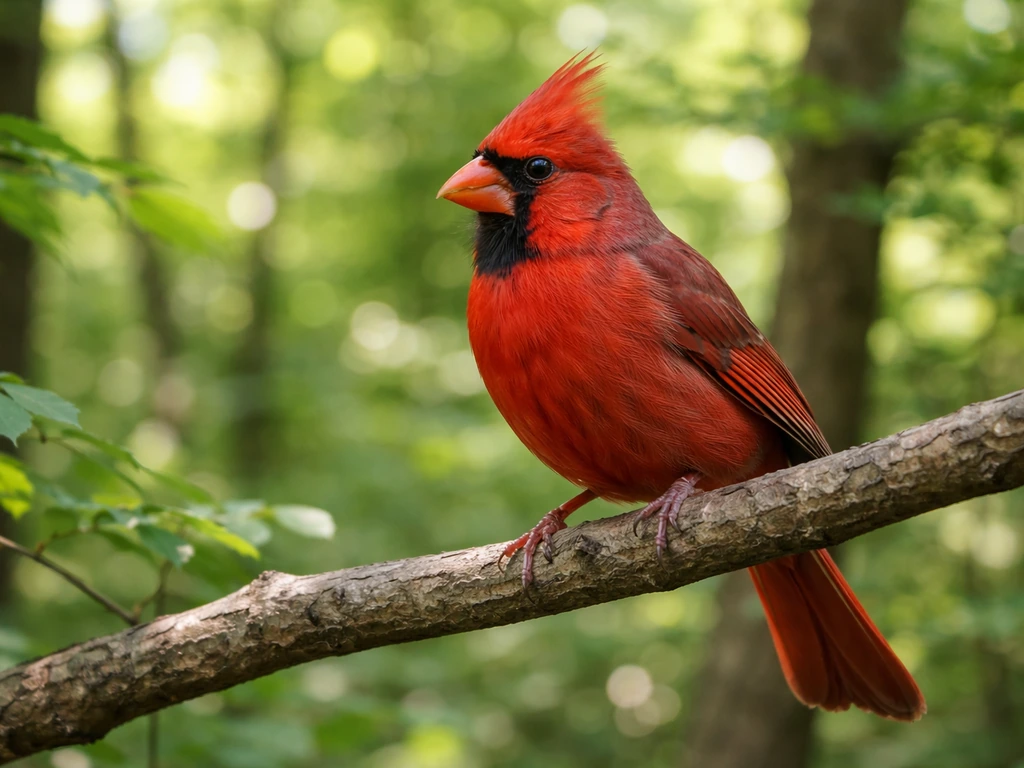
What Is the Official Bird of Your State? Find Yours
Find your state’s official bird fast, with ID tips, why it was chosen, and history to help you spot it outdoors.
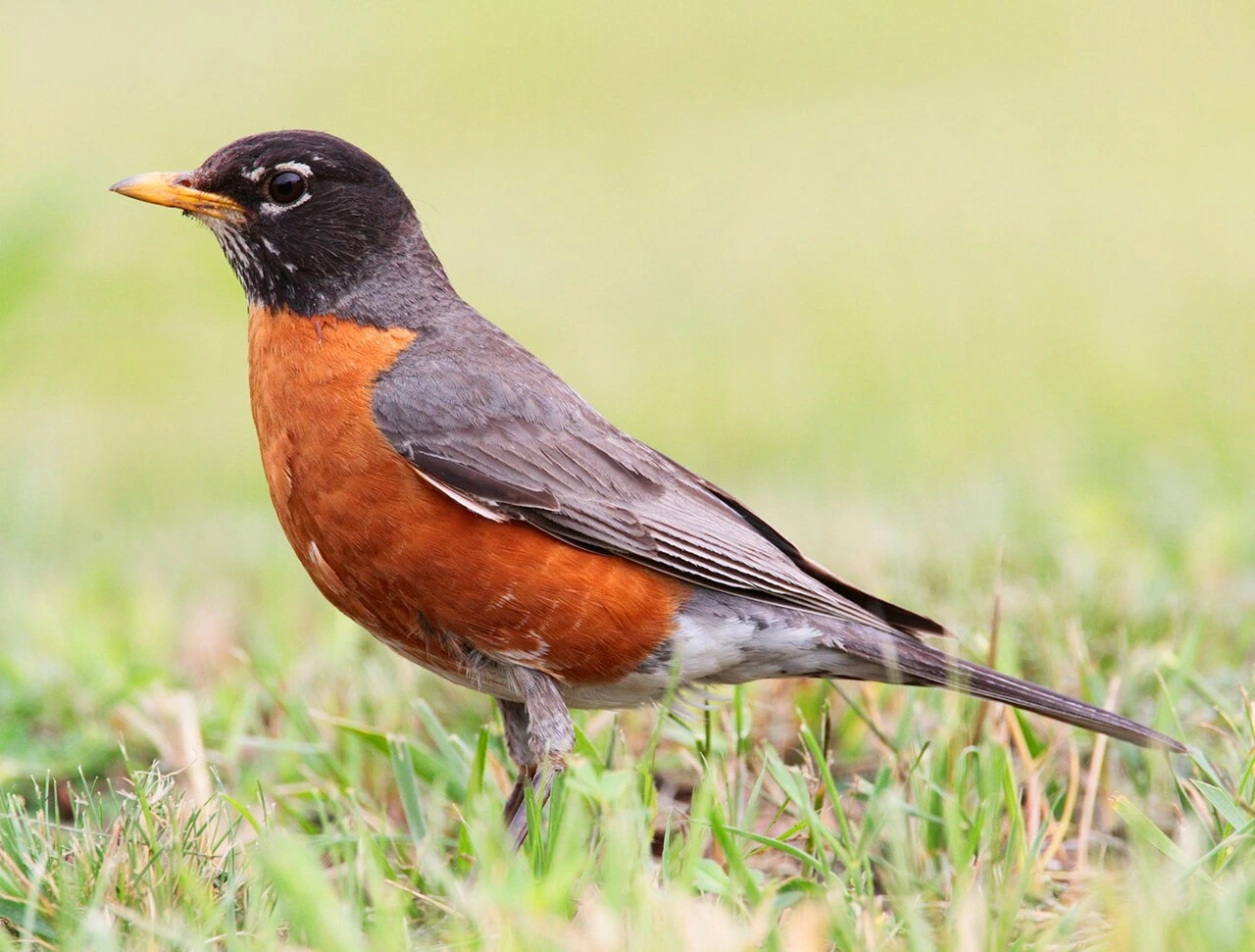
What Is the Wisconsin State Bird? Facts and Identification
Find Wisconsin’s official state bird, key ID traits, why it was chosen, history, and how it compares to other states.
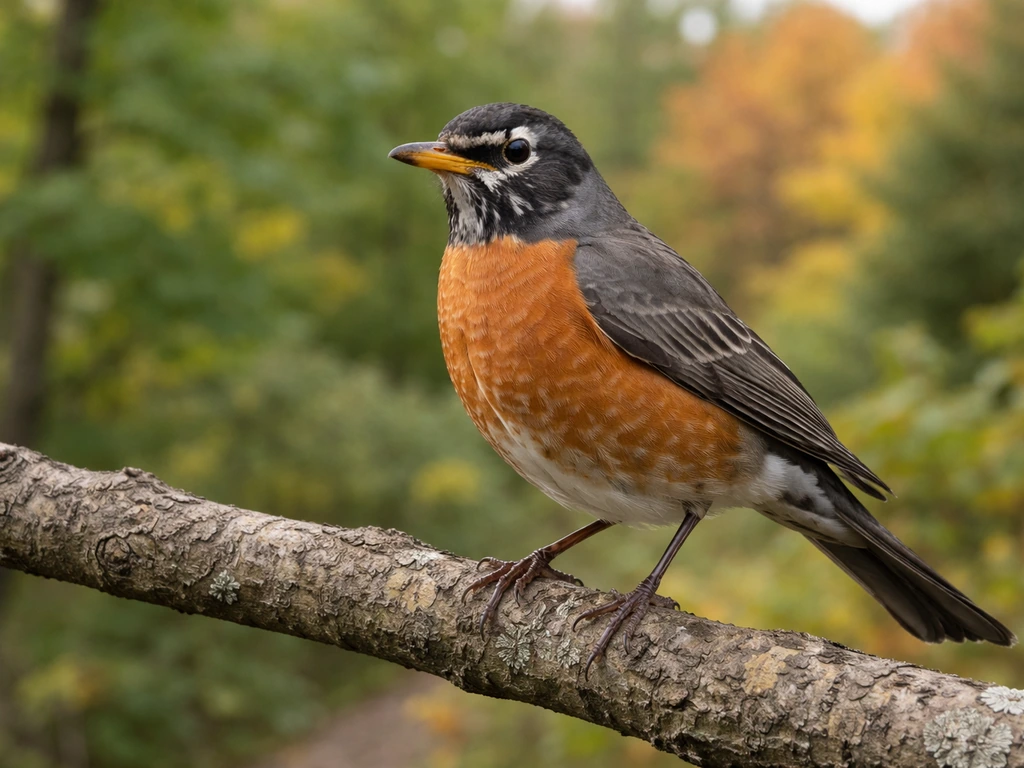
What Is the Michigan State Bird? ID and History
Discover Michigan’s official state bird, why it was chosen, and quick ID tips plus lookalike comparison.