Every U.S. state has one official state bird, designated by its state legislature through a statute or resolution. So when you search 'what is the state bird,' the answer depends entirely on which state you mean. This guide gives you the full list of all 50 state birds, explains how to confirm yours quickly, tells you why states chose the birds they did, and flags which states share the same species.
What Is the State Bird? Official Birds for Every U.S. State

Marcus Webb
20 Apr 2026
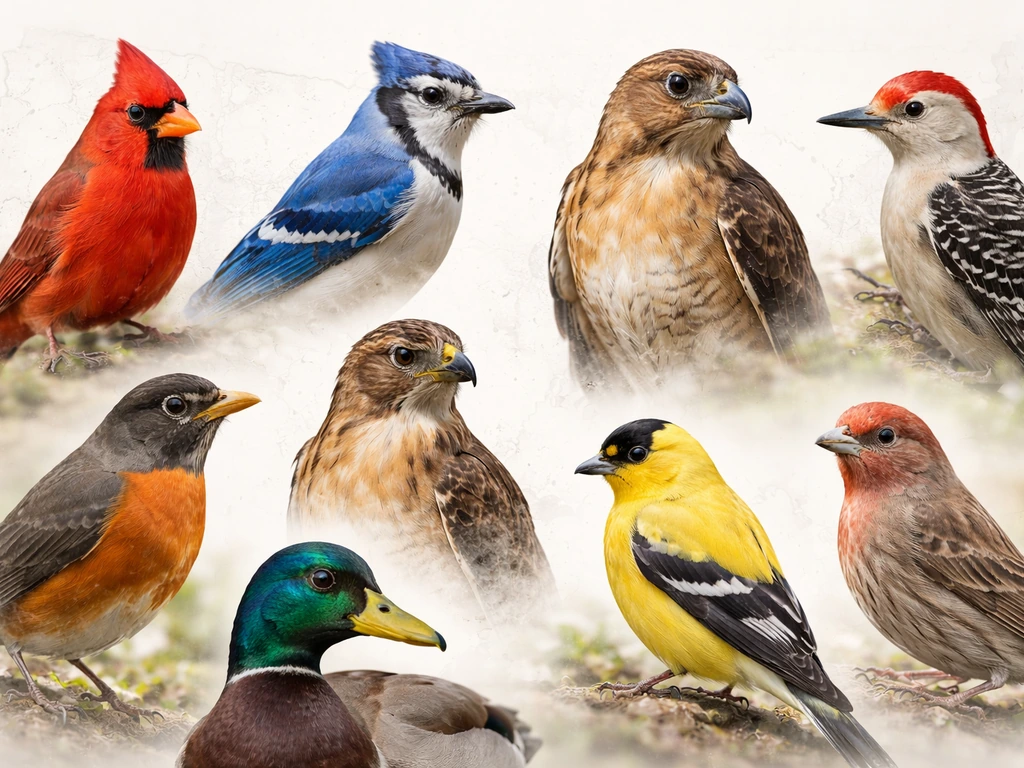
What 'state bird' actually means in the U.S.
A state bird is an officially designated symbol created when a state legislature passes a statute or resolution naming a specific bird species as that state's official bird. This is not an informal tradition or a popularity vote. It is law. A typical statute reads something like: '[Species] is hereby declared to be the official State bird of [State].' North Carolina's statute (§ 145-2) uses almost exactly that language for the Northern Cardinal, adopted March 8, 1943. Indiana's code has its own separate section titled simply 'Cardinal' with identical declarative language.
Some states codify the designation in a numbered chapter of state statutes (Nevada's Mountain Bluebird appears in Nevada Revised Statutes Chapter 235). Others passed a Senate Joint Resolution that was never folded into the main code, as Tennessee did for the Mockingbird. Either way, the designation carries official weight. A few states have also gone further, creating dedicated 'state symbols' websites that link each symbol directly to the underlying legislative resolution, the model Texas uses through its State Library and Archives Commission.
One thing worth noting: state birds are just one category of official state symbols. States also designate state flowers, state trees, state fish, and in some cases a separate 'state game bird' (Georgia, for example, designated the Bobwhite Quail as its state game bird through a separate resolution). If you are specifically looking for the official state bird, make sure the source you are reading refers to that category, not another symbol.
How to find your state bird fast

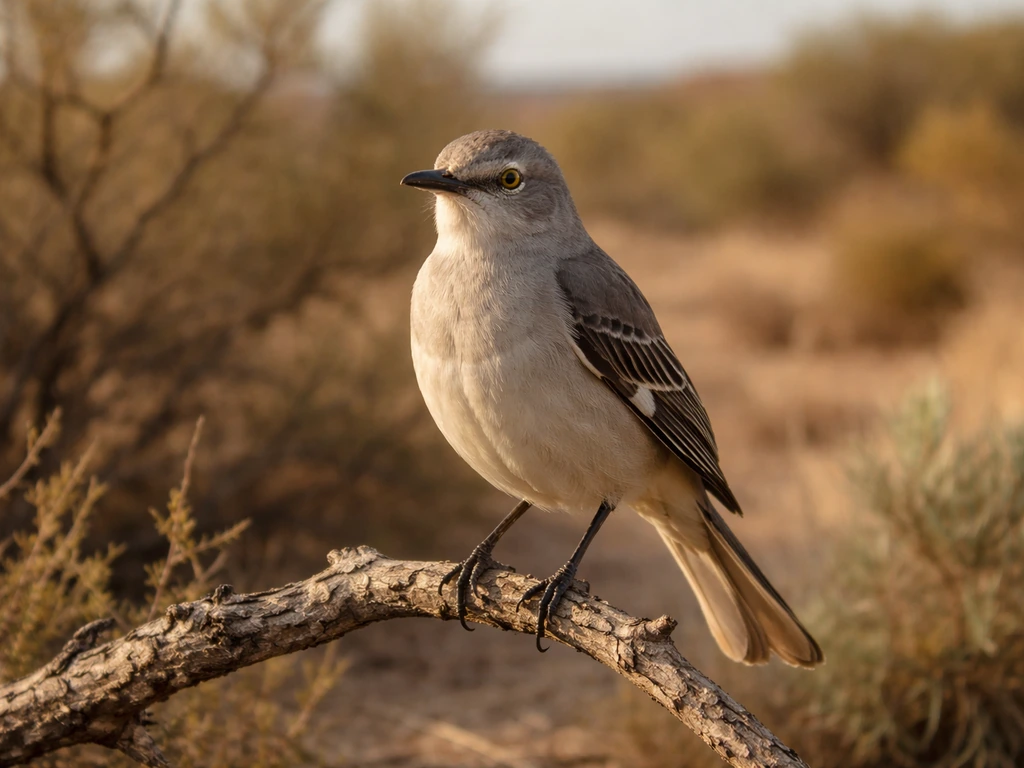
The quickest reliable path is to go directly to your state government's official symbols page. Most Secretary of State offices or state library sites maintain a list. Minnesota's Office of the Secretary of State, for instance, lists 'State Bird: Loon' on a single symbols directory page. Texas's State Library site lists every symbol alongside a citation to the specific legislative resolution that created it. For Texas, the state bird is the Northern Mockingbird, and you can confirm the statutory citation on its state page what is the state bird in texas. These official pages are the ones to trust.
If you want to verify at the statutory level, search your state legislature's online code for the phrase 'official state bird.' That phrase appears in the actual enacted text in most states, so it surfaces quickly. North Carolina's Chapter 145, Nevada's NRS Chapter 235, and Indiana's IC 1-2-8-1 are all examples where a direct search lands you on the exact line of law.
Consolidated lists (like the one on Wikipedia or sites that rank state birds by popularity) are useful as a starting index, but treat them as a navigation tool rather than a primary source. Always cross-check against the official state page or the actual statute if you need to cite or confirm the bird for anything formal.
State bird list: all 50 states at a glance
The table below lists every U.S. state and its official state bird. Use it as a quick-reference index, then follow through to each state's individual page for species facts, identification notes, and the story behind why that bird was chosen.
| State | Official State Bird |
|---|---|
| Alabama | Northern Flicker (Yellowhammer) |
| Alaska | Willow Ptarmigan |
| Arizona | Cactus Wren |
| Arkansas | Northern Mockingbird |
| California | California Quail |
| Colorado | Lark Bunting |
| Connecticut | American Robin |
| Delaware | Delaware Blue Hen Chicken |
| Florida | Northern Mockingbird |
| Georgia | Brown Thrasher |
| Hawaii | Nene (Hawaiian Goose) |
| Idaho | Mountain Bluebird |
| Illinois | Northern Cardinal |
| Indiana | Northern Cardinal |
| Iowa | American Goldfinch |
| Kansas | Western Meadowlark |
| Kentucky | Northern Cardinal |
| Louisiana | Brown Pelican |
| Maine | Black-capped Chickadee |
| Maryland | Baltimore Oriole |
| Massachusetts | Black-capped Chickadee |
| Michigan | American Robin |
| Minnesota | Common Loon |
| Mississippi | Northern Mockingbird |
| Missouri | Eastern Bluebird |
| Montana | Western Meadowlark |
| Nebraska | Western Meadowlark |
| Nevada | Mountain Bluebird |
| New Hampshire | Purple Finch |
| New Jersey | American Goldfinch |
| New Mexico | Greater Roadrunner |
| New York | Eastern Bluebird |
| North Carolina | Northern Cardinal |
| North Dakota | Western Meadowlark |
| Ohio | Northern Cardinal |
| Oklahoma | Scissor-tailed Flycatcher |
| Oregon | Western Meadowlark |
| Pennsylvania | Ruffed Grouse |
| Rhode Island | Rhode Island Red Chicken |
| South Carolina | Carolina Wren |
| South Dakota | Ring-necked Pheasant |
| Tennessee | Northern Mockingbird |
| Texas | Northern Mockingbird |
| Utah | California Gull |
| Vermont | Hermit Thrush |
| Virginia | Northern Cardinal |
| Washington | Willow Goldfinch (American Goldfinch) |
| West Virginia | Northern Cardinal |
| Wisconsin | American Robin |
| Wyoming | Western Meadowlark |
Each state's page on this site goes deeper: exact statutory language, adoption year, species identification, and the reasoning behind the choice. If you are looking for a specific state, the individual state pages are the best place to start. Texas, for example, has its own page covering the Northern Mockingbird alongside the legislative history behind that designation.
Why each state chose the bird it did
State bird designations started in the 1920s. The General Federation of Women's Clubs played a significant role in pushing states to adopt official birds, encouraging selections tied to local heritage and cultural identity. That push created a wave of early adoptions across the country, and states continued adding and formalizing designations for decades after, with Arizona being among the later ones, officially designating the Cactus Wren in 1973.
The motivations behind specific choices tend to fall into a few recognizable patterns. Legislative resolutions and statute preambles are the best window into official reasoning, and they usually cite one or more of these themes:
- Cultural familiarity and visibility: the bird is widely recognized by residents and closely associated with the state's landscape or identity
- Heritage and regional character: the bird appears in local history, folklore, or has long been part of everyday life in the state (the Mockingbird's melodic presence across the South is a clear example)
- Ecological distinctiveness: the bird is native to or especially prominent in that state's habitat, like the Cactus Wren thriving in Arizona's Sonoran Desert
- Conservation significance: some designations were tied to recovery narratives, as with South Carolina's designation of the American Bald Eagle as its state bird of prey, with legislative language referencing the species' endangered status and recovery
- Sporting and pastoral tradition: states with strong hunting cultures sometimes chose game birds, as Georgia did for the Bobwhite Quail as state game bird, citing hunting heritage in the 'whereas' clauses of the resolution
In practice, most early state bird selections combined cultural familiarity with regional presence. A bird that residents already recognized, that appeared commonly in backyards and fields, and that felt distinctly tied to the state's character was the natural choice. That explains why the Northern Cardinal and Northern Mockingbird appear across multiple states: both are highly visible, musically distinctive, and deeply familiar to large portions of the country.
What you'll find on each state bird page
The individual state pages on this site are built around three things: what the bird looks like and how to identify it, why the state chose it, and the historical context around when and how it was designated.
Identification basics
For each species, you will find the common name, scientific name, and key identification features: size, plumage, distinctive markings, and behavioral or call characteristics. The Northern Cardinal, for example, is impossible to miss once you know the male's all-red plumage and prominent crest, but the female is a warm brown with reddish tinges and a similarly distinctive crest and orange-red bill. Cornell Lab's identification tools note that look-alike species like the Pyrrhuloxia can confuse birders in the Southwest, so understanding those distinctions matters. The Common Loon's haunting 'tremolo' call is as much an identification tool as its black-and-white checkered back. Each page highlights whatever features are most useful for recognizing that species in the field.
The selection story
Every state page covers the reasons behind the choice, pulling from legislative language, historical records, and cultural context. This is where you will learn things like the exact date North Carolina ratified its cardinal designation (March 8, 1943) or why Minnesota's Common Loon, with its eerie call and striking summer plumage, felt like the only real choice for a state defined by lakes.
Legislative and historical details

Where available, pages include the citation to the specific statute or resolution, the adoption year, and any relevant historical background. For states like Texas, where a centralized symbols website links each official symbol to its underlying legislative resolution, that citation path is straightforward. For states that designated their bird through a joint resolution that was never codified, the historical record requires a bit more digging, and the state pages reflect that context.
Shared state birds: more states than you'd think picked the same one
One of the more surprising things about the full 50-state list is how many states landed on the same bird independently. The Northern Cardinal is the most shared, claimed by seven states: Illinois, Indiana, Kentucky, North Carolina, Ohio, Virginia, and West Virginia. The Western Meadowlark is the official bird of six states: Kansas, Montana, Nebraska, North Dakota, Oregon, and Wyoming. The Northern Mockingbird is the choice of five states: Arkansas, Florida, Mississippi, Tennessee, and Texas.
The American Goldfinch is another duplicate. Iowa and New Jersey both designate it as their state bird, and Washington's official bird is the Willow Goldfinch, which is the same species (American Goldfinch) under a regional common name. The Mountain Bluebird is shared by Idaho and Nevada. The Black-capped Chickadee is claimed by both Maine and Massachusetts. The American Robin is the official bird of Connecticut, Michigan, and Wisconsin.
These overlaps are not a problem legally or symbolically: each state made its own independent designation through its own legislative act. But they do reveal something interesting about which birds were considered most representative of American regional life in the early-to-mid 20th century when most of these designations were made. The birds that appear on multiple lists tend to be highly visible, widely distributed species that residents across large regions all recognized and valued.
For a full breakdown of which birds appear most frequently across all 50 states, the most common state bird topic covers exactly that, including the ranking of the most-shared species. For a full breakdown of which bird is most often chosen across the country, see the most common state bird guide.
Historical context and interesting threads to follow
The history of state bird designations is a window into how Americans thought about regional identity and conservation across the 20th century. The movement started in the 1920s, driven largely by civic organizations like the General Federation of Women's Clubs, which encouraged states to formalize symbols tied to local heritage. Early adopters picked birds that were already culturally embedded: the Cardinal in the mid-Atlantic and upper South, the Meadowlark across the Great Plains, the Mockingbird throughout the Deep South.
The timeline was not a single wave. States continued to adopt and in some cases revise their designations over decades. Arizona was one of the later additions, formalizing the Cactus Wren in 1973. Some states, like Delaware and Rhode Island, made unconventional choices by selecting domestic breeds (the Delaware Blue Hen and the Rhode Island Red) rather than wild species, reflecting agricultural heritage and, in Delaware's case, a Revolutionary War-era association with soldiers who bred fighting chickens.
There are also genuinely unusual designations worth exploring. If you have seen the topic of the state bird that is not alive, that thread gets into cases like these domestic breeds and the symbolic, historical reasoning behind them. And for context on the one symbol that appears on state seals across the country rather than in state statute bird lists, the discussion of what state the Bald Eagle represents as a state bird is worth reading separately, since the Bald Eagle is primarily the national bird rather than a common official state bird choice. The bald eagle is what state bird is worth checking because it is often discussed as a state symbol even when it is more commonly known for representing the nation.
The meaning behind state bird selections, as a broader concept, connects individual legislative choices to a wider American tradition of using nature as a symbol of regional character. This section also covers the meaning behind the official choice, including what the symbol is intended to represent meaning behind state bird selections. Each bird on the 50-state list carries that kind of layered meaning: part ecology, part history, part civic pride. The individual state pages are where those layers get unpacked fully.
FAQ
If a state has more than one “official bird” mentioned online, which one is the state bird?
Look for the specific category wording, usually “official State bird” in the enacted text. Other state designations exist alongside it, like “state game bird,” which can sound similar but is created under a different resolution or statute.
What if my state’s bird was set by a resolution that is not currently in the main code?
Use the state government symbols page, since it often links the bird to the original legislative action even if it never became part of the codified statutes. Then, if you need the formal wording, search the legislature’s resolution archives for the same species name and the year of adoption.
How can I confirm the bird’s scientific name if I’m citing it for a school project or publication?
Start from your state’s official symbols page or the underlying statute, then cross-check the species name and scientific naming used by that state. Some states use a common-name label that matches the same species even if regional common names differ.
Do state bird designations ever change, or are they always fixed forever?
They can change over time through new legislation, especially if the state revises the designation or adopts a new symbol. When verifying, rely on the most recent official symbols page or the latest enacted text rather than an older third-party list.
Why do some state birds seem to share the same species, even when the common names look different?
Different states may use their own common-name phrasing for the same species, or they may emphasize a regional common name. In those cases, treat the scientific name as the deciding identifier when you’re trying to determine whether two states actually chose the same bird.
What is the easiest way to search for the statute language without knowing the exact year?
Search your state’s online code for the phrase “official state bird” rather than guessing a bird name. This usually lands you directly on the enacted section that declares the species, even if the adoption year is not nearby.
If I want to know “why” the state chose the bird, is the statute enough?
Often the statute provides the formal declaration and may include a short rationale, but for deeper context you may need the legislative history or the explanations compiled on the state symbols page. The deeper “why” details are frequently included on the individual state bird pages.
Can a state choose a domestic breed as the official state bird?
Yes, a small number of states selected domestic breeds instead of a wild bird species. If you are only expecting wildlife birds, confirm what type of organism the statute names (domestic breed versus native species) before using it as an identification guide.
Are state birds the same as state seals or national symbols like the Bald Eagle?
No. State birds come from a specific state designation for a bird species, while some broader national icon usage, including the Bald Eagle, is commonly discussed as a “state bird” in casual conversation but is not always an official state bird designation in the statute-list sense.
What should I do if my state bird page shows a link to a resolution but the wording conflicts with another source?
Prefer the official state page and the enacted text it cites, since secondary sites sometimes mix similar symbols or repeat outdated common-name labels. If there is still disagreement, use the statute or resolution text as the tie-breaker and match the species named there.