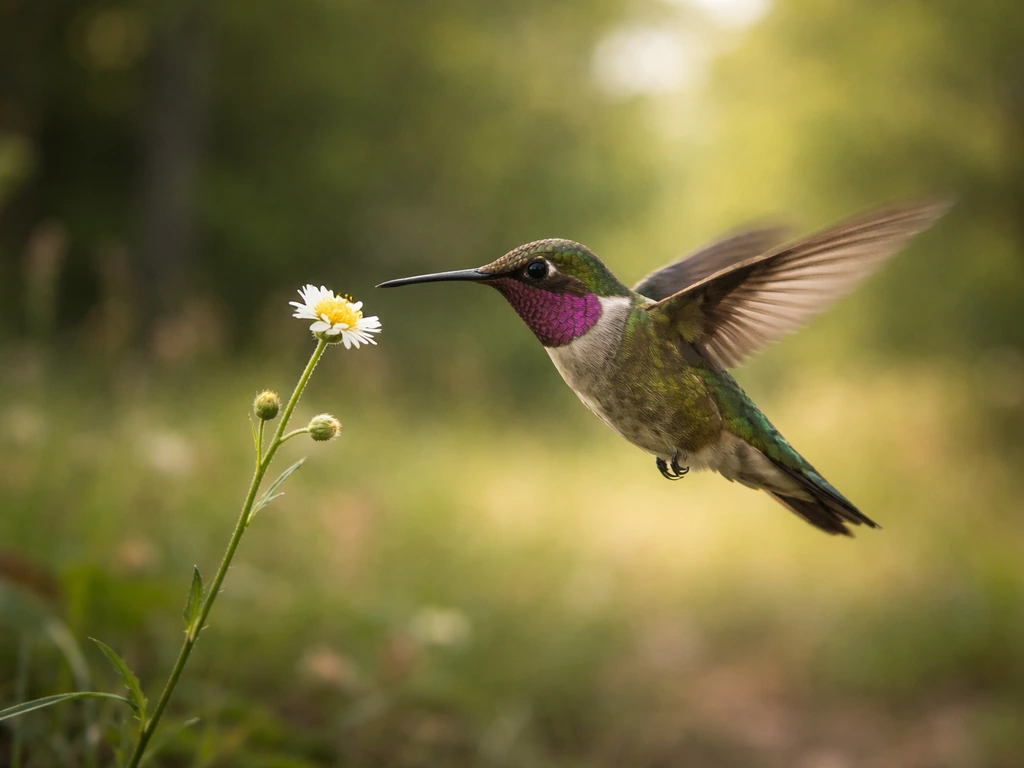
No U.S. state has officially named a hummingbird as its state bird. Not one of the 50 states, not even states with large hummingbird populations like Arizona, California, or Texas, has passed legislation designating any hummingbird species as its official state bird. The hummingbird simply does not appear on the official list anywhere.
Is the Hummingbird a State Bird? Which State Has It

Marcus Webb
13 May 2026
Which state has the hummingbird as its state bird?
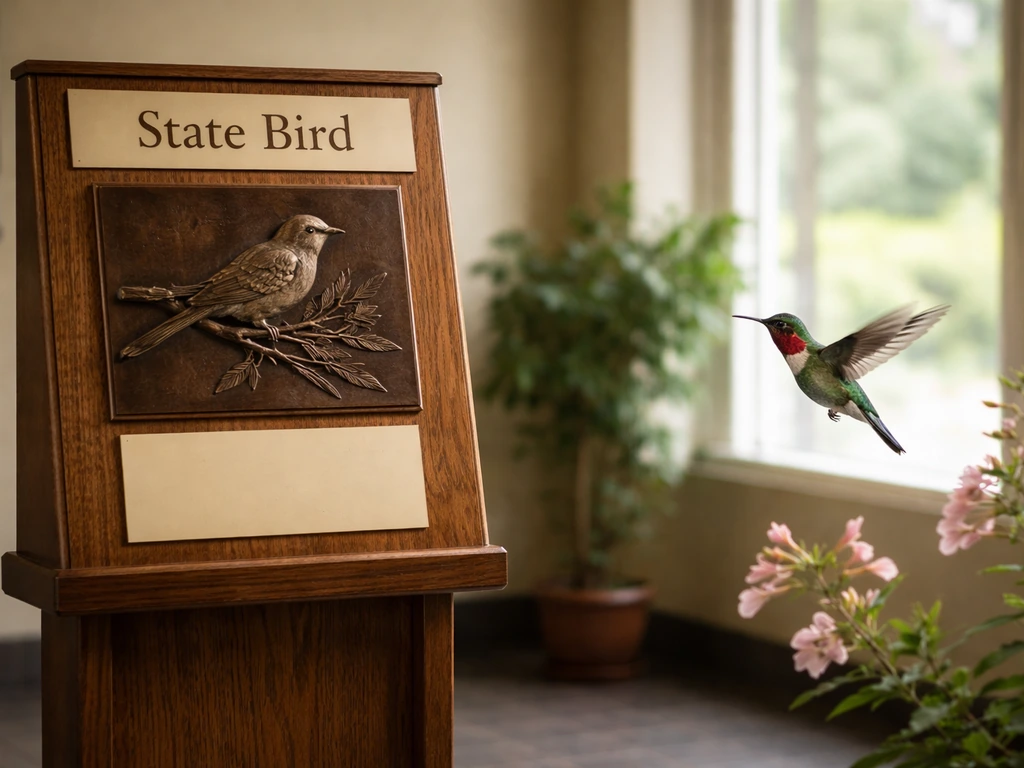
The direct answer: none. There is no U.S. state that officially designates a hummingbird, in any species, as its state bird. If you came across a claim online that a particular state's bird is a hummingbird, that most likely came from an aggregator or informal birding site rather than an actual state law or proclamation. Always cross-check those kinds of claims against official state government pages.
Some aggregator pages have floated the idea that a hummingbird was "considered" for state-bird status in certain states, but considered is a long way from adopted. Some aggregator pages claim a hummingbird was “considered” for state-bird status, but that is not the same as an adopted state bird a hummingbird was "considered" for state-bird status. No state legislature has ever passed a bill making a hummingbird the official state bird. So if you are doing research, filling out a quiz, or just satisfying curiosity, the answer is zero states.
Why no hummingbird has been officially chosen
State birds were mostly chosen during two concentrated waves: the 1920s through 1930s, largely driven by women's clubs and conservation groups, and then again around statehood anniversaries in the mid-20th century. During those periods, the birds most likely to get nominated were ones that were common across the state, culturally familiar to schoolchildren, and easy to identify at a glance. Hummingbirds, while beloved, are relatively small, migrate through rather than settle year-round in most states, and more than a dozen species overlap in the western U.S., making it hard to pin a single "hummingbird" identity to a state.
That does not mean hummingbirds lack a cultural presence in states like Arizona or New Mexico, where multiple species breed and are a big deal for birders. It just means no legislature formalized that enthusiasm into official symbol status. The birds that won those designations were typically robins, cardinals, mockingbirds, meadowlarks, and similar species with broad year-round visibility.
A closer look at common hummingbird species in the U.S.
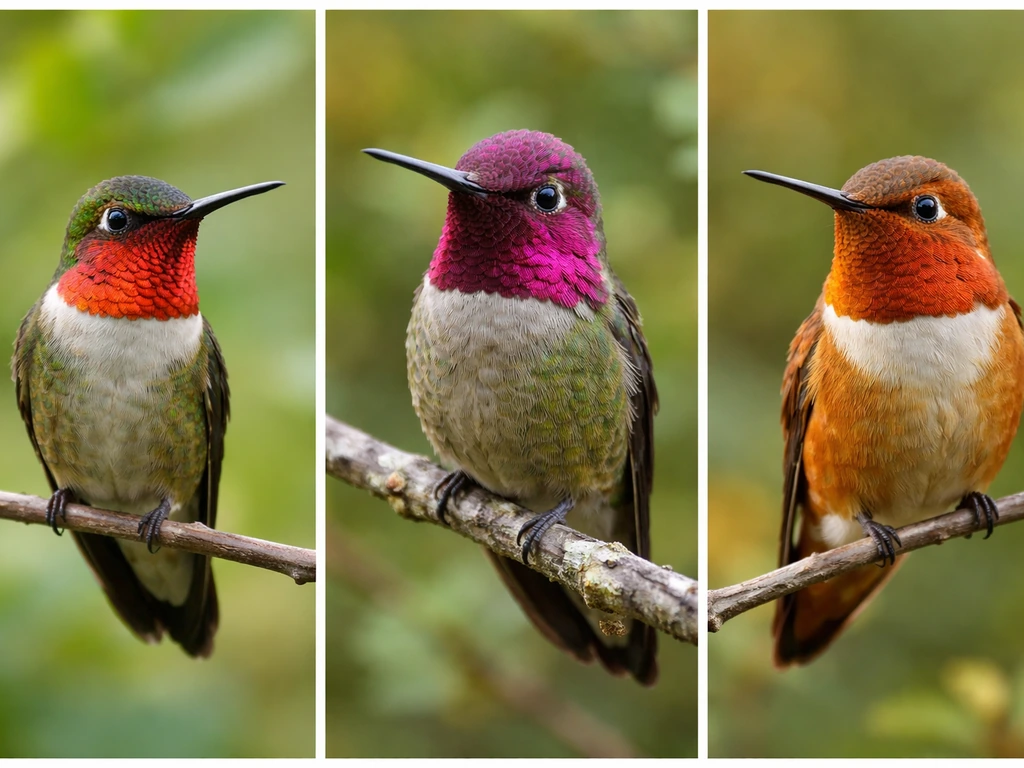
Even though no state has claimed one officially, it helps to know which hummingbird species would be the most plausible candidates if any state did make that move, and which ones people are most likely thinking of when they search this question.
| Species | Primary Range | Key Identification Feature |
|---|---|---|
| Ruby-throated Hummingbird | Eastern U.S., as far west as the Great Plains | Brilliant iridescent red throat on males; only hummingbird in most eastern states |
| Anna's Hummingbird | Pacific Coast, California year-round | Rose-red crown and throat; one of the few hummingbirds that overwinters in the U.S. |
| Rufous Hummingbird | Pacific Northwest through Alaska in summer | Bright orange-rufous coloring; longest migration of any U.S. hummingbird |
| Black-chinned Hummingbird | Western U.S., common in Texas and Arizona | Black throat with a purple iridescent band; most widespread western species |
| Broad-tailed Hummingbird | Rocky Mountain states | Metallic rose-pink throat; distinctive trilling wingbeat from males in flight |
The Ruby-throated Hummingbird is the one most eastern residents picture when they say "hummingbird." It breeds across all eastern states and is the only species reliably found east of the Mississippi. In western states, multiple species overlap, which partly explains why none of them became the symbolic "hummingbird state." There was no single obvious choice.
How to quickly confirm any state bird claim
The fastest way to verify a state bird is to go straight to the official state government website or the state's department of state, which lists official state symbols. For example, the Pennsylvania Game Commission details hummingbird species information on its official Pennsylvania wildlife page official state government website. Florida's state bird, for example, is the Northern Mockingbird, confirmed directly through the Florida Department of State. Every state maintains a similar page. If a source other than an official state government page or a well-sourced ornithological reference is making the claim, treat it with skepticism.
- Search "[state name] official state symbols" to land on the state government's own page.
- Look for legislation or statute references, not just informal lists.
- Check whether the bird listed is a specific species (like "Northern Mockingbird") rather than a vague category (like just "hummingbird"), which is a red flag for inaccurate sources.
- Use a dedicated state-bird reference site that sources from official designations rather than aggregators.
States with birds people sometimes confuse with hummingbirds
A few common mix-ups are worth addressing. No state has a state bird that is nicknamed or commonly mistaken for a hummingbird, but some confusion arises because people associate certain colorful, small, or fast birds with hummingbirds loosely. The states most likely to generate this confusion are western and southwestern ones where hummingbirds are highly visible.
- Arizona: State bird is the Cactus Wren, a large wren known for its raspy call and cactus nesting habits, not a hummingbird.
- California: State bird is the California Quail, a ground-dwelling bird with a distinctive topknot plume.
- New Mexico: State bird is the Greater Roadrunner, famous from cartoons and very much not a hummingbird.
- Texas: State bird is the Northern Mockingbird, chosen for its musical range and widespread presence.
- Florida: State bird is also the Northern Mockingbird, a reminder that popular, widespread birds often beat out more exotic options.
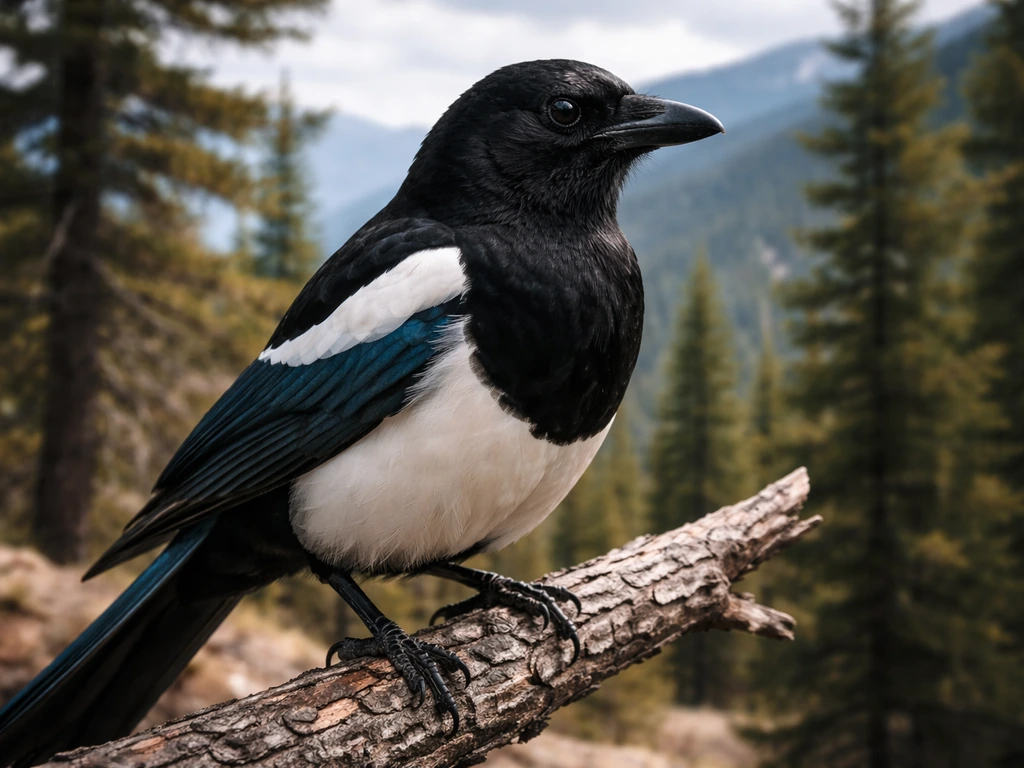
It is also worth noting that the broader world of official state birds includes some surprising and exotic-sounding designations. The peacock is widely recognized, but it is not typically listed as an official state bird in the United States. If you are curious about other birds that did (or did not) make it to official status, birds like the flamingo, magpie, and peacock follow a similar pattern to the hummingbird: widely recognized and often associated with specific regions, but generally not on the official state bird roster in the U. That same question, though, is really about whether any state has officially designated a flamingo as a state bird, and the answer follows the same rule as hummingbirds the flamingo. For example, people sometimes ask whether the magpie is a state bird, but it generally does not appear on official state-bird rosters. S.
The bottom line on hummingbirds and state bird status
Hummingbirds are genuinely spectacular birds, and it is easy to understand why someone might expect at least one state to have claimed one. But as of today, no U.S. state has officially designated any hummingbird species as its state bird. The Indian roller is a bird associated with India, so it does not have official state-bird status in the United States Indian roller is state bird. For example, the hornbill is the national bird of which state: it is the national bird of India. Some people also search for the Indian paradise flycatcher state-bird claim, but it is not officially designated as a state bird anywhere in the U.S the Indian paradise flycatcher is the state bird of. The birds that carry official state status are overwhelmingly familiar, year-round residents that schoolchildren could spot on a winter morning. If that ever changes and a state does pass a hummingbird designation into law, it would be a notable first. For now, the hummingbird remains a beloved but unofficial presence in American ornithology and state symbolism.
FAQ
Why do some websites say a specific state has a hummingbird as its state bird?
Those claims usually come from non-government aggregators, quiz sites, or birding communities that mix up informal “state bird” lists with official designations. The reliable check is the state government “state symbols” page or the exact bill/proclamation text, not a summary article.
Has any U.S. territory or district (not a state) officially adopted a hummingbird as a symbol bird?
The article focuses on the 50 states, but hummingbird state-bird claims are still typically absent even for other U.S. jurisdictions. If you want certainty, search the territory or district’s official symbols list the same way you would for a state, since some places use different naming conventions.
What if a state officially recognized a hummingbird in a resolution or school program, but not by state-bird law?
Only formal legislative or official-symbol adoption qualifies as a true “state bird.” Community events, classroom mascots, or conservation group campaigns can create “unofficial” buzz, but they do not replace an official designation recorded by the state.
Which hummingbird species is most often assumed to be “the” state hummingbird if one were chosen?
When people picture a generic hummingbird in the U.S., they usually mean the Ruby-throated Hummingbird because it’s the most consistently recognized option east of the Mississippi. Western states often think in terms of multiple local species, which is one reason a single statewide “hummingbird” is harder to pin down.
Could a state designate “hummingbird” as a group instead of a specific species?
In practice, official symbols are usually named at the species level or clearly defined taxon. Because hummingbirds can include many overlapping species across regions, lawmakers would likely need a precise species name to avoid ambiguity.
How can I verify a claim quickly without reading long bills?
Go to the state’s official “state symbols” index, then cross-check the state bird entry against the official page, not a cached snippet. If the claim is real, the entry will typically include the name of the adopted bird and the authorizing reference.
Are there any similarly named symbols that people confuse with “state bird,” like state animal or state insect?
Yes. Some states have birds as “state bird,” but also have separate categories like state animal, state fish, or state insect. A hummingbird-related symbol could be confused if a state adopted a different kind of wildlife designation and the online source labeled it as a state bird.
Do any non-U.S. countries use hummingbirds as official “state” symbols?
The article is limited to U.S. states, but your best next step is to check the country’s equivalent of state or regional symbols, since naming and legal processes differ widely. If you need a U.S.-specific answer, stick to the state government sources because international pages often get reused online.
Next Article
Is the Magpie a State Bird? Which States Designate It
Find which US states officially list the magpie as a state bird and the exact species wording used.