No U.S. state's official state bird is called the peacock. The peacock (technically a male blue peafowl) does not appear in any state bird designation across all 50 states. If you searched for this expecting to find a match, the honest answer is: it doesn't exist in the official U.S. state bird list.
What State Bird Is the Peacock? Which State Uses It

Marcus Webb
22 May 2026
So, which state has the peacock as its state bird?
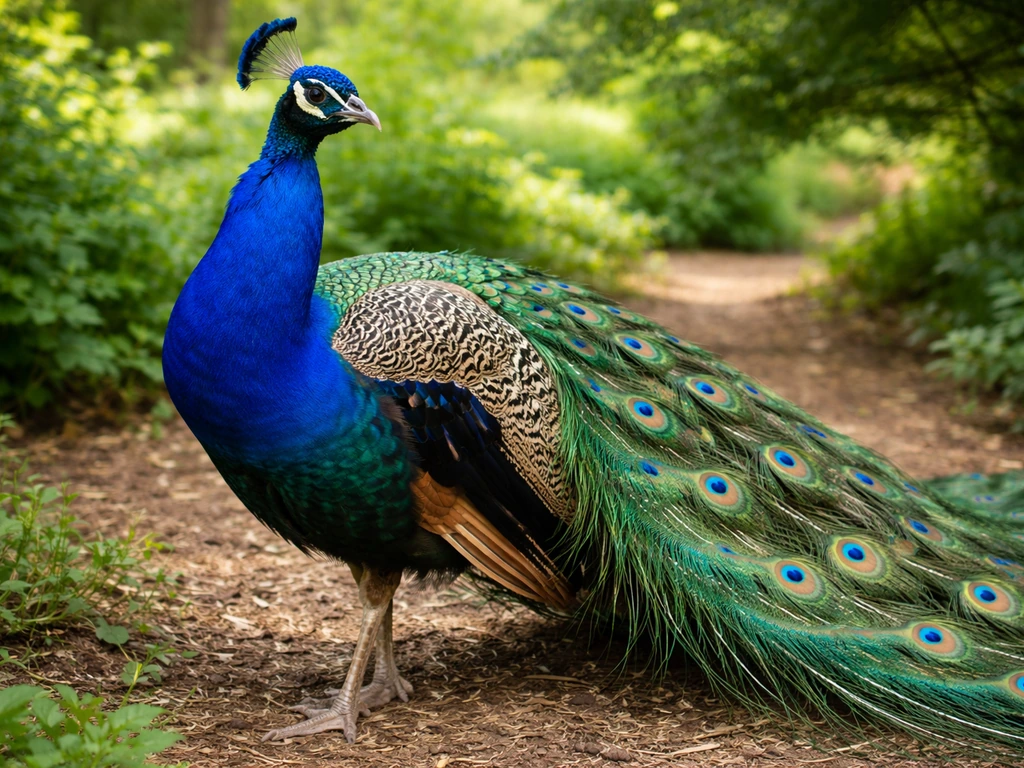
None of them do. After checking every official state bird designation across the United States, neither "peacock" nor "peafowl" appears as an official state bird in any state's legislation or state symbol law. This isn't a technicality or a naming quirk hiding behind a scientific name. Peafowl simply aren't in the running anywhere in the U.S. state bird system. The bird is native to South Asia, and while peacocks have become popular in feral and domestic settings across the American South and Southwest, that cultural familiarity hasn't translated into any official state designation.
Peacock, peafowl, or something else? Clearing up the confusion
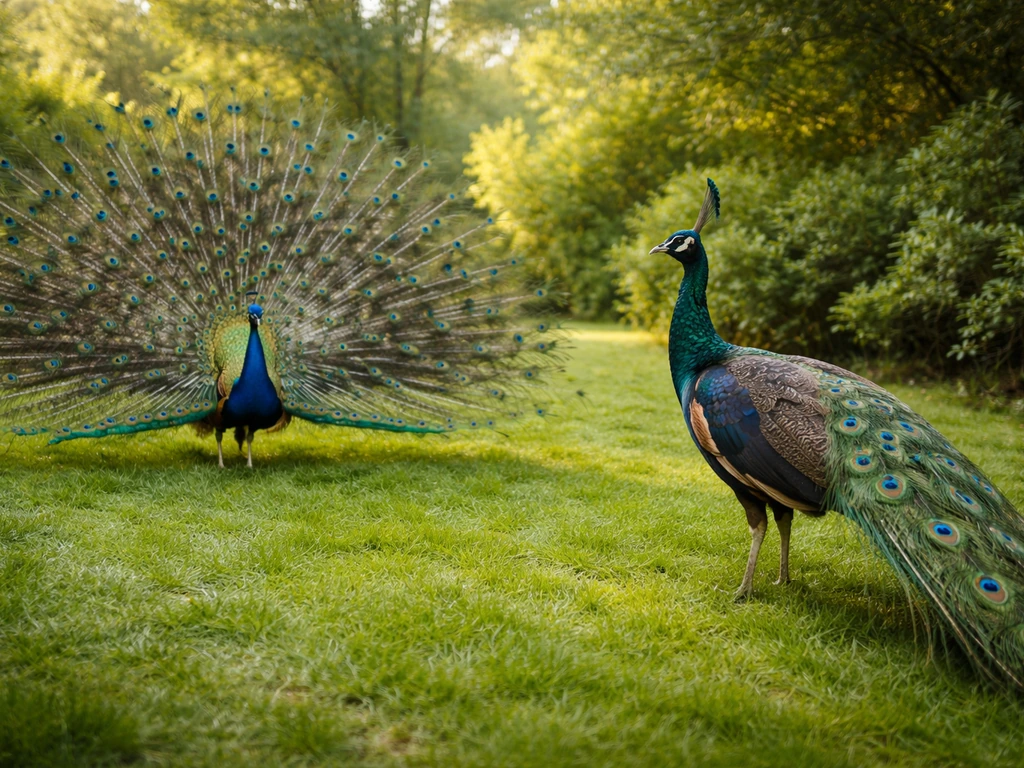
The word "peacock" is one of the most casually misused bird names out there. Strictly speaking, a peacock is only the male of the species Pavo cristatus, the Indian or blue peafowl. The female is a peahen, and together they're peafowl. Most people use "peacock" for all of them, which is fine in casual conversation but matters when you're checking official designations, where exact names count.
It's also worth separating peafowl from visually similar birds that do have state bird status. The wild turkey (a large, showy native bird) holds official status in several state contexts. Certain pheasants and grouse, which belong to the same family (Phasianidae) as peafowl, come up frequently in bird discussions. But none of these are peacocks, and none of this changes the bottom line: peafowl don't hold a state bird designation in the U.S.
One area where peacocks do show up in official symbolism is internationally. India's national bird is the Indian peafowl, which may be where some of this confusion originates. You can also compare India’s national symbolism with the Indian roller’s status as the state bird of multiple Indian states. Searches mixing national birds with state birds sometimes pull up these international results. If you're researching Indian state birds, the picture changes entirely. For example, the Indian roller is the state bird of several Indian states, and the Indian paradise flycatcher holds designation in others. But for U.S. state birds specifically, peafowl are absent.
Do any states share a peacock-related symbol at all?
No U.S. state uses peacock or peafowl as a shared or alternate state bird designation. There's no partial match, no historical designation that was later changed, and no state that lists it as a secondary symbol. The bird simply has no foothold in U.S. state ornithological symbolism. If you've seen a list somewhere claiming otherwise, it's not drawing from official state statutes.
Why states pick the birds they do (and why peacock never made the cut)
Most state bird designations happened between the 1920s and 1950s, often driven by schoolchildren's votes, wildlife conservation groups, or state legislature initiatives that wanted to highlight a bird native to the region. The criteria almost always centered on birds that were common, recognizable to residents, and ecologically tied to the state's landscape. Native species got strong preference.
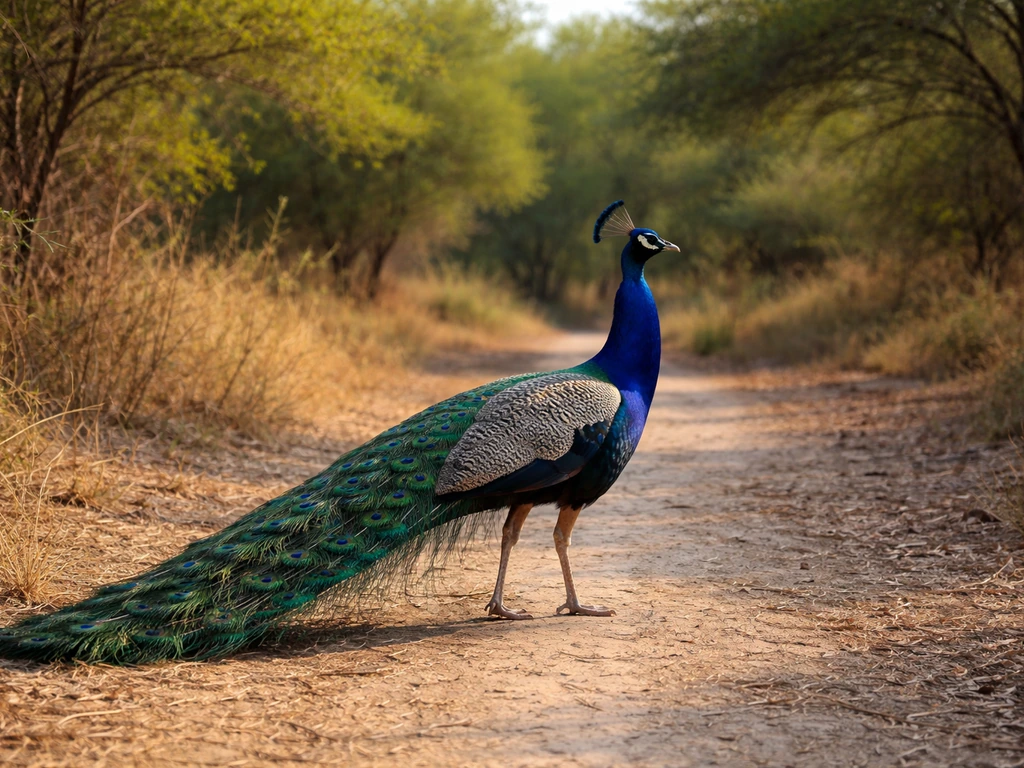
Peafowl are native to the Indian subcontinent, not North America. They weren't part of the natural environment that early 20th-century Americans associated with their state's identity. Birds like the northern mockingbird, the western meadowlark, and the northern cardinal won out repeatedly because they were birds people actually saw in their backyards, fields, and forests. Peafowl, even where feral populations exist today (parts of Florida, California, and Texas), didn't have that connection when these designations were being made.
What a peacock actually looks like (so you know you've got the right bird)
If you're trying to identify a peacock in the field or confirm what you're looking at, here are the basics. The male Indian peafowl (the classic "peacock") is one of the most visually unmistakable birds in the world. He has a brilliant iridescent blue-green head and neck, a white face with blue eye patches, and the famous train, a fan of elongated upper tail coverts (not true tail feathers) covered in large "eye" spots in shimmering green, blue, and bronze. That train can reach 5 to 6 feet long. Total body length including the train is often 7 to 8 feet.
The female peahen is far more muted: brown and buff overall with a greenish neck and no train. Juveniles of both sexes look similar to the female until the male develops his train at around 3 years old. Peacocks are loud birds. Their call is a sharp, carrying "may-AWE" that sounds almost like a cat or a person calling out, and it carries long distances. If you're in an area with feral peafowl, you'll often hear them before you see them.
| Feature | Male Peacock | Female Peahen |
|---|---|---|
| Plumage | Iridescent blue-green head and neck, colorful train | Brown and buff overall, greenish neck |
| Train | Up to 5-6 feet, with eye-spot feathers | Absent |
| Total length | 7-8 feet including train | Around 3 feet |
| Call | Loud, carrying "may-AWE" | Similar but less frequent |
| Age at full color | Around 3 years | N/A |
Where to go next on this site
Since the peacock isn't a U. S. state bird, the best next step depends on what brought you here. If you're curious about large or exotic-looking birds in official state designations, browsing the full state bird list is a good place to start.
Wikipedia’s overview of state birds also reflects that peacock or peafowl confusion comes from [mixing unrelated national bird results with U. S. state-bird claims](https://en. wikipedia.
org/wiki/Statebird). If you were curious about whether specific birds hold any state designation at all, this site covers exactly those questions. You might find it interesting to check whether the flamingo is a state bird (another vivid, non-native-looking bird that people often ask about) or whether the hummingbird appears anywhere on the official list. Many readers also wonder, is the hummingbird a state bird, and the official answer depends on which state you mean.
If your interest leans toward international bird symbolism rather than U. S. states, the Indian roller's state bird designations across Indian states, the Indian paradise flycatcher's official role, and the hornbill's national bird status in certain regions are all covered on this site and make for interesting comparisons to the U. The hornbill is the national bird of which state: it is the national bird of India.
S. system. The magpie is another bird people frequently search, wondering if it holds any official U. S.
state status. The magpie question is a common one, so check whether the magpie is a state bird in the official list state status. Each of these pages follows the same format: a direct answer, the designation context, and identification help, so you can get in and out quickly with the answer you need.
FAQ
Which U.S. state bird is closest to a peacock, since peacock is not on the list?
No U.S. state has an official “peacock” state bird designation, and none use “peafowl” as an alternate, secondary, or partial label. If a list says otherwise, it is usually mixing U.S. state birds with international birds (for example, India’s national bird) or using casual naming.
Why might I still see peacocks in my state if no state has them as the official state bird?
Peacocks can be present in parts of the U.S. as feral or domestic escapees, but official state bird status depends on a formal designation in state law. A bird being seen locally does not automatically qualify it for state symbolism.
Does it matter whether I’m looking for “peacock” versus “peafowl” in state bird searches?
The term “peacock” usually gets used for the whole species, but official bird designations care about exact names. A peacock is the male (blue peafowl), a female is a peahen, and the group name is peafowl, but neither “peacock” nor “peafowl” appears as an official state bird label anywhere in the U.S.
Could an international (like India’s) peafowl status be causing incorrect U.S. state bird results online?
Some countries do use peafowl in national symbolism, which can bleed into search results. For U.S. state birds specifically, the correct approach is to check state bird designations by state, not national bird lists or international articles.
What should I check if a site claims my state’s official bird is a peacock?
If you saw “peacock” on a website, it may be referring to a different symbol type, such as a state animal, state reptile, or a non-binding educational program, not an official state bird statute. The only way to confirm is to cross-check the actual state bird legislation or official state symbol list for that state.
How can I confirm whether what I’m seeing is actually a peacock or peafowl if they’re in my area?
Peacocks, peahens, and juveniles can look different, and juveniles often resemble a peahen more than a male. If you are trying to confirm you are seeing peafowl, focus on the male’s characteristic long train with “eye” spots and the loud, carrying call, otherwise you might misidentify the species.
If peacock is not a state bird, are there other popular birds people commonly confuse as state birds?
Yes, many people also wonder about other striking non-native-looking birds. The correct next step is to check the specific bird’s official status for each U.S. state rather than assuming popularity or appearance equals state bird designation.
What’s a good search strategy if I’m researching state bird designations in general?
If your goal is U.S. information, searching for “peacock state bird” will not yield a true match, but you can pivot to a broader question like “which state birds are not native” or “what birds are designated as state birds” to learn the pattern. For U.S.-specific bird symbolism, use state-by-state designation lists instead of genus-level or casual name searches.