Colorado's state bird is the lark bunting, scientifically known as Calamospiza melanocorys. That's the official answer, codified in Colorado Revised Statutes Section 24-80-910, which formally declares: 'The lark bunting... is hereby made and declared to be the state bird of the state of Colorado.' It has held that designation since April 29, 1931, when the Colorado State Legislature passed Senate Bill No. 251.
What Is Colorado’s State Bird? Identification and Facts

Marcus Webb
18 Apr 2026
How to spot a lark bunting in the field
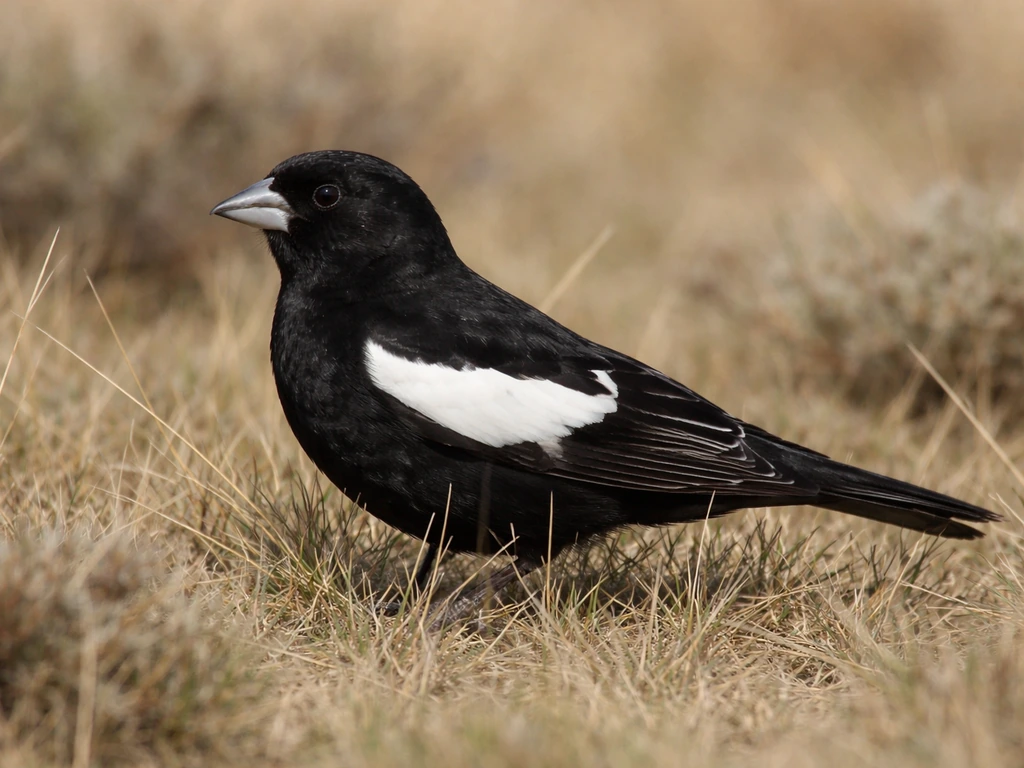
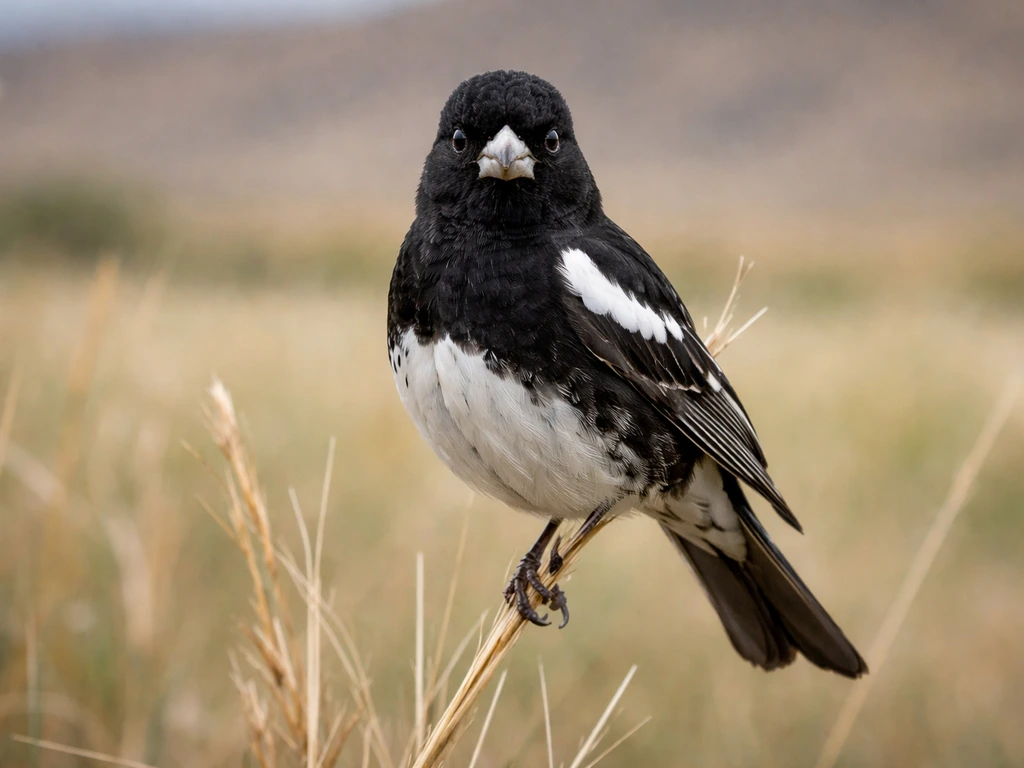
The lark bunting is a medium-sized songbird, measuring 5.5 to 7.1 inches (14 to 18 cm) in length. If you're looking at one for the first time, the breeding male is hard to miss: he's overall black with a bold, large white wing patch and a thick, conical silver bill. That combination is pretty distinctive once you've seen it.
Females and non-breeding males are trickier. They look like a lot of other brown, streaky grassland songbirds, which is where beginners often get confused. The reliable trick for separating lark buntings from lookalikes is to focus on two things: the very thick, bluish-gray bill and the long white patch along the folded wing. Both features are visible even on the drabber birds, and together they're a reliable ID lock.
During breeding season, males add another identification cue through behavior. They flutter up from the grass in a distinctive flight display while delivering a complex, varied whistling song. The species is actually unusual among North American birds in having blank" rel="noopener noreferrer">two different flight-song types. If you're out on the Colorado plains in late spring or early summer and you see a small bird launching itself up from the grass and singing on the way down, there's a good chance you're looking at a lark bunting.
Quick ID checklist
- Size: 5.5 to 7.1 inches long (about the size of a large sparrow)
- Breeding male: all-black body with a prominent white wing patch
- Bill: thick, conical, and bluish-gray or silver in color
- Wing patch: a long white patch visible along the folded wing on all plumages
- Song: complex, varied whistling, sometimes delivered during a flight display
- Habitat: open grasslands and shortgrass prairies, especially eastern Colorado
Why Colorado picked the lark bunting
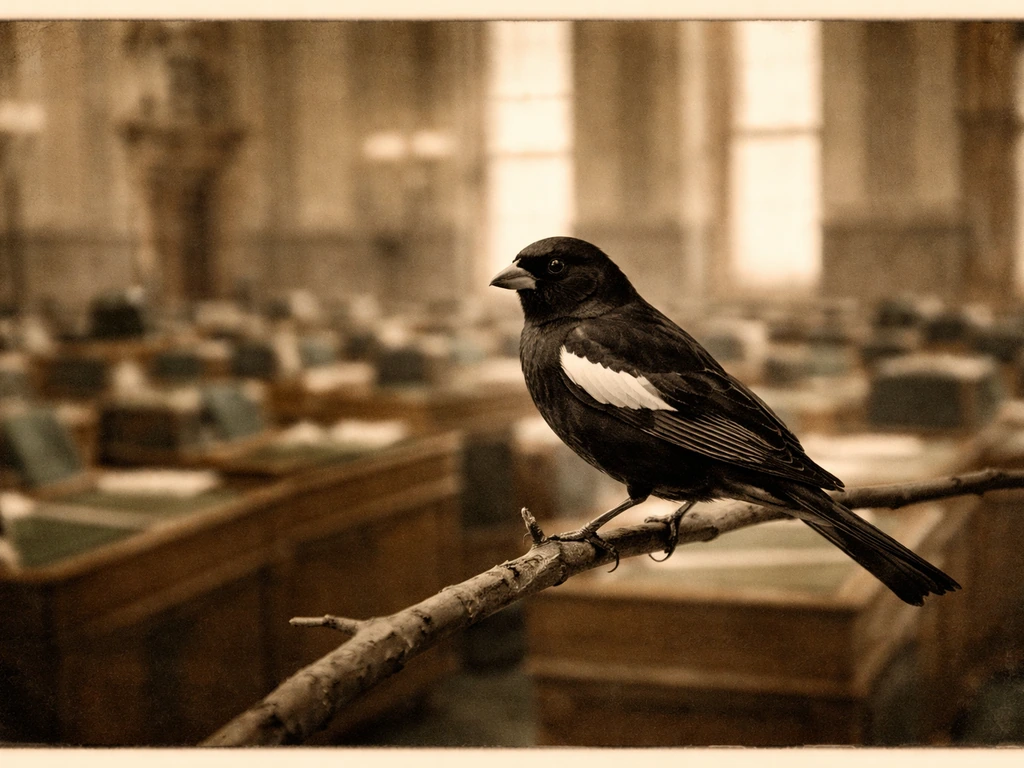
The story behind the lark bunting's designation is genuinely interesting. When Colorado legislators started discussing a state bird in the early 1930s, the obvious popular candidates were birds like the American robin, the western meadowlark, and the mountain bluebird. The problem was that several of those species had already been claimed by other states, or were in the process of being claimed. Legislators wanted a bird that was uniquely Colorado's, both symbolically and practically.
The lark bunting fit the bill perfectly. It is native to the Great Plains and the shortgrass prairies of Colorado, and it hadn't been adopted by any other state. It represented the wide-open landscapes of eastern Colorado, which made it a fitting symbol for a state whose geography ranges from flat plains to the Rocky Mountains. On April 29, 1931, Senate Bill No. 251 made it official. If you want a deeper look at the competing candidates and how the decision played out, the history behind why the lark bunting became Colorado's state bird is worth exploring on its own.
A few things that make the lark bunting stand out
Beyond its role as a state symbol, the lark bunting has some genuinely interesting natural history worth knowing about.
- Diet skews heavily toward insects: roughly 80% of an adult's diet is animal matter (primarily insects), with only about 20% plant material. During breeding season, they're essentially insect-hunting machines.
- Nesting is compact and precise: the cup nest measures about 3.7 inches across on the outside, with an interior cup approximately 3 inches across and 1.5 inches deep. Incubation lasts around 10 to 12 days.
- Two distinct flight songs: the lark bunting is one of the few North American bird species documented to have two different types of flight song, making it a subject of ongoing interest for researchers studying bird communication.
- Seasonal transformation: the breeding male's black-and-white plumage is striking, but outside of breeding season the males molt into a much plainer brown-streaked appearance, which catches first-time observers off guard.
- Grassland indicator species: lark buntings are closely tied to shortgrass and mixed-grass prairie health, so their population trends are often used as a barometer for Great Plains grassland conservation.
Does any other state share the lark bunting?
No. The lark bunting is Colorado's exclusively. It is the only U.S. state that claims Calamospiza melanocorys as its official state bird. That uniqueness was actually one of the deliberate reasons it was chosen in the first place, as noted above.
That said, it's worth knowing how Colorado's choice compares to neighboring and similar states, especially if you're building a broader picture of state birds across the region.
| State | State Bird | Shared With Other States? |
|---|---|---|
| Colorado | Lark Bunting (Calamospiza melanocorys) | No, unique to Colorado |
| Kansas | Western Meadowlark (Sturnella neglecta) | Yes, shared with 5 other states |
| Nebraska | Western Meadowlark (Sturnella neglecta) | Yes, shared with 5 other states |
| Wyoming | Western Meadowlark (Sturnella neglecta) | Yes, shared with 5 other states |
| Idaho | Mountain Bluebird (Sialia currucoides) | Yes, shared with Nevada |
| Nevada | Mountain Bluebird (Sialia currucoides) | Yes, shared with Idaho |
The western meadowlark is by far the most popular state bird in Colorado's region, claimed by six states in total, which is part of why Colorado's legislators steered away from it in 1931. The mountain bluebird was another strong contender at the time, and it's notable that Colorado skipped it in favor of the lark bunting even though the mountain bluebird is arguably more visually dramatic. If you're curious about how other states made their choices, the Illinois state bird selection, for example, has its own interesting legislative history worth comparing. Illinois' state bird selection has its own official answer, so you can look it up by state bird name what is the state bird of illinois.
Where and when to see Colorado's state bird
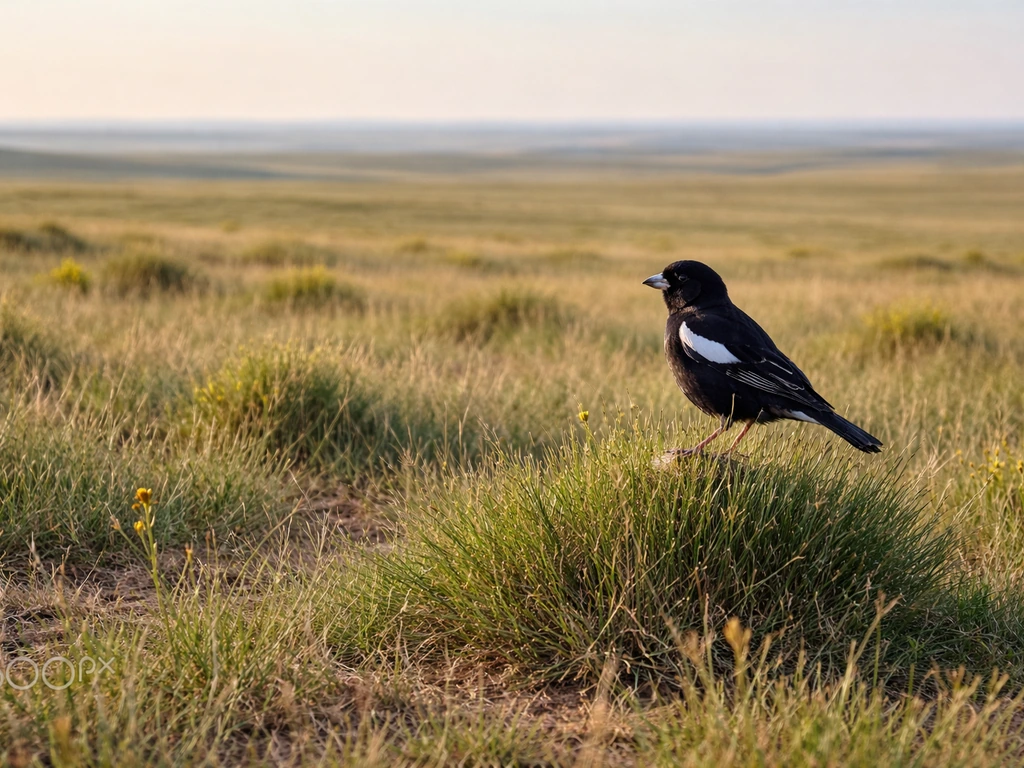
If you want to see a lark bunting in Colorado, head to the eastern plains during late spring and summer. The shortgrass prairie stretching from the Denver metro area eastward toward Kansas and Nebraska is prime territory. If you're wondering why the lark bunting was chosen, the short answer is that it fit Colorado's geography and was uniquely tied to the state why is the lark bunting colorado's state bird. Comanche National Grassland in the southeastern corner of the state is one of the best spots. Lark buntings are migratory, wintering in the southwestern U.S. and Mexico, so they're not a year-round resident. Late April through August is your window. Watch fence lines, roadsides through grassland, and open fields. Once you learn that thick silver bill and white wing patch, you'll start picking them out quickly.
If you want to practice drawing or sketching the bird for art or study purposes, focusing on that bold black-and-white wing contrast in the breeding male is the key feature to capture. If you're looking for a step-by-step guide, check out how to draw the state bird for a practical sketching approach. It's what makes the lark bunting immediately recognizable, and it's a natural starting point whether you're working from a field guide or from a live sighting. Use the same beginner-friendly shapes and proportions when you follow a how-to drawing guide for the lark bunting how to draw colorado state bird. If you’re specifically trying to draw the California state bird, you can use a similar step-by-step approach tailored to its shape and markings.
FAQ
How can I confirm I’m seeing a lark bunting if it’s not in breeding season?
In non-breeding plumage, don’t rely on the overall color. Look for the combination of a very thick bluish-gray bill plus a long white patch along the folded wing. Those two field marks stay useful even when the bird looks like other brown, streaky grassland songbirds.
Are lark buntings common across all of Colorado or only in certain regions?
They’re most associated with the eastern plains and shortgrass prairie. You’re most likely to find them on grasslands and open fields from the Denver area eastward, while mountain and dense forest habitats are much less productive for sightings.
What time of year should I plan for lark bunting sightings in Colorado?
Expect your best chances from late April through August. They migrate, wintering in the southwestern U.S. and Mexico, so they are not a reliable year-round sight on the ground.
What’s the difference between a lark bunting and a grassland bird that looks similar in photos?
Two things help most: the bill thickness and color, and the wing pattern. If the bird lacks the thick bluish-gray bill or the long white folded-wing patch, it’s less likely to be a lark bunting.
Do both male and female lark buntings sing, or is it mostly males?
The distinctive flight-song display described for identification is mainly associated with breeding males. If you hear a complex whistling while a small bird launches from grass and sings during the upward or downward motion, that’s a strong clue toward a male lark bunting.
If I only get a brief look, what’s the fastest ID check I can do?
Use a “bill plus wing” quick check. Scan first for the thick bluish-gray conical bill, then confirm the long white patch along the folded wing. Even without perfect lighting, that pairing usually stands out.
Where can I reliably see lark buntings without a guide, and what should I watch for?
Try fence lines, roadsides that cut through grassland, and open fields during late spring and early summer. Patience matters, because they often start the display by fluttering up from grass, then moving through a short singing sequence.
Are there any other states that use Calamospiza melanocorys as a state bird?
Colorado is the only U.S. state that officially uses Calamospiza melanocorys as its state bird, so if you’re comparing state-bird lists across the country, it’s a unique designation.
Is the lark bunting the official state bird, or is it sometimes listed differently online?
It is officially designated as the state bird. If you see conflicting listings elsewhere, treat them as secondary errors or outdated content, and prioritize the official state designation when you’re verifying the name.
Can the bird be hard to identify from a distance, and how do I adjust my expectations?
Yes, the drabber birds can blend into other brown, streaky grassland songbirds. At distance, rely on shape and the two steady marks (thick bill and long white wing patch), and use behavior (a flutter up from grass with whistling) when you get sound or motion cues.
Next Article
Which Is Karnataka State Bird? Identification and Facts
Discover Karnataka’s official state bird, key ID traits, where to spot it, and why it was chosen.