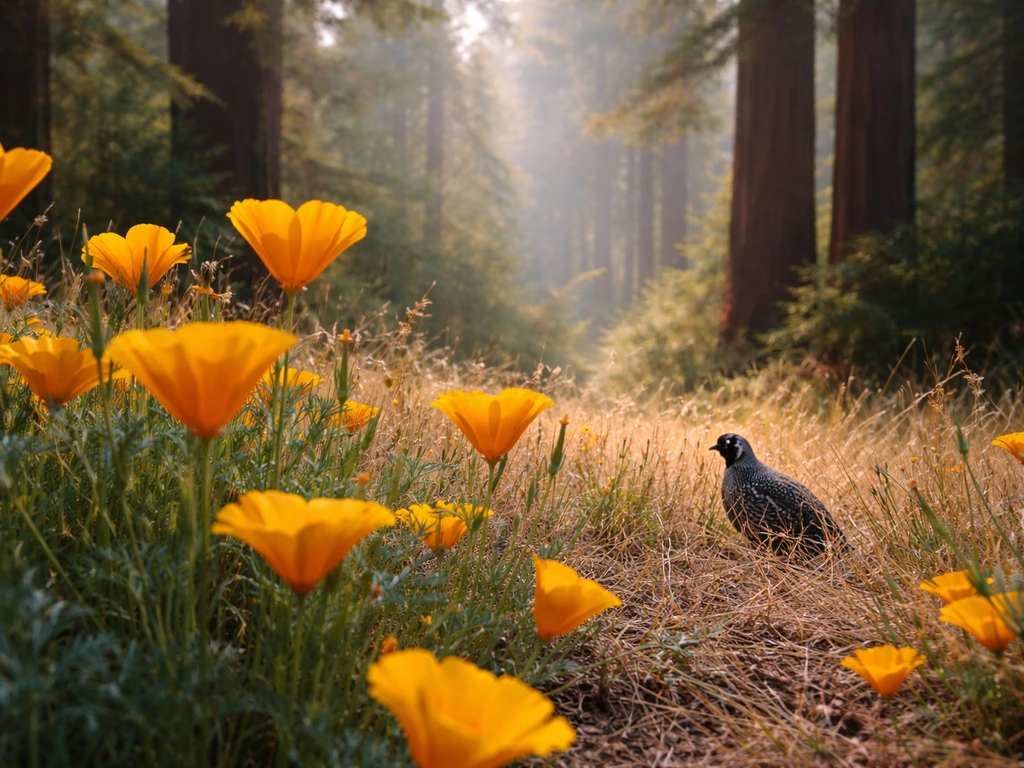
California's state bird is the California valley quail (Lophortyx californica), and what makes it genuinely unusual is a combination of things you rarely see in a single bird: a dramatic teardrop-shaped head plume, a complex social structure built around communal groups called coveys, and a strong preference for running over flying. It's one of the most visually distinctive state birds in the country, and once you know what to look for, it's also one of the most reliably findable.
What Makes the State Bird of California Unusual?
Marcus Webb
11 Jun 2026
California's Official State Bird
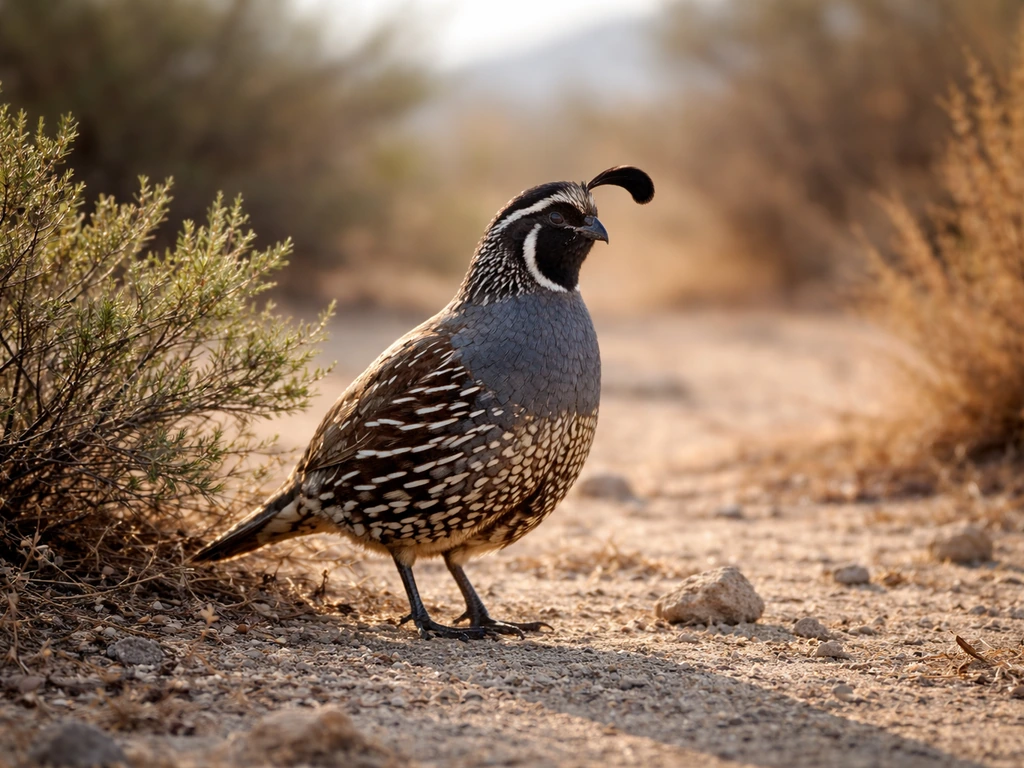
The California valley quail has been the official state bird since 1931, codified in blank" rel="noopener noreferrer">California Government Code §423, which designates it as the "official bird and avifaunal emblem of the State. If you are looking for the specific local answer for Redondo Beach, California, the official bird is the California valley quail, the same state symbol described above official bird of Redondo Beach California.
" It's sometimes called the California quail or valley quail interchangeably, and the scientific name Lophortyx californica appears in both the statute and official state symbol compilations. The California State Capitol Museum lists it simply as the California Valley Quail, and it's recognized on the state symbols page alongside the golden poppy and the grizzly bear.
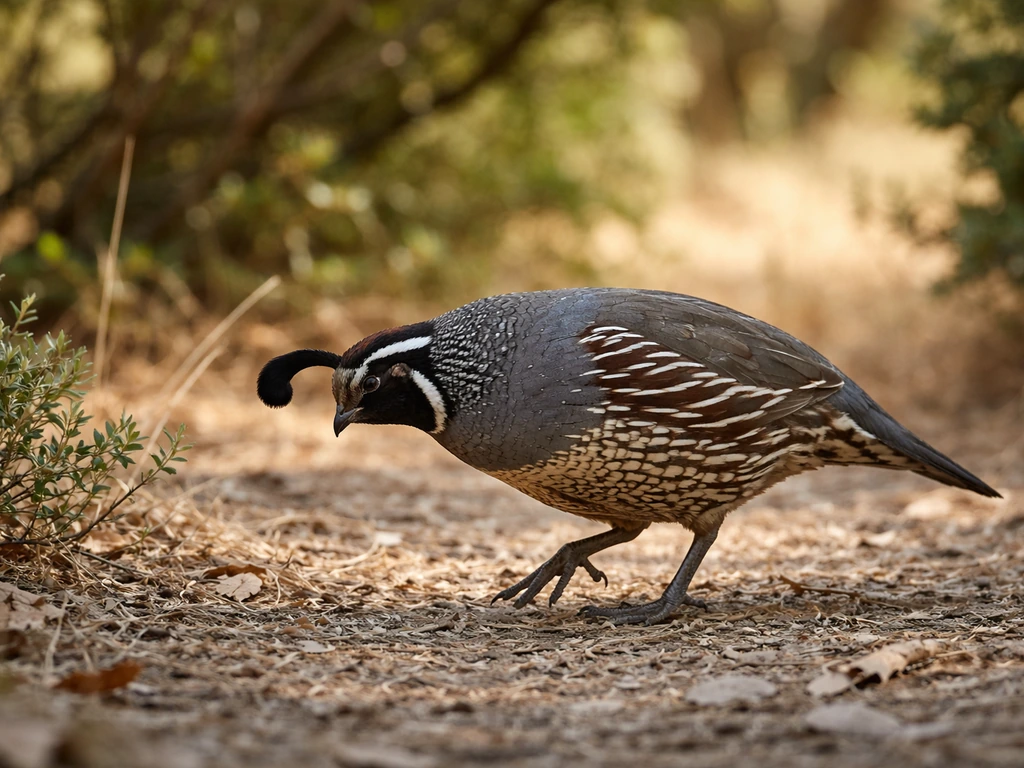
At roughly 9 to 11 inches long, it's a medium-sized ground bird, stocky and compact. Males are the showstoppers: a rich blue-gray chest, a chestnut-brown back, a cream-and-brown scaled belly pattern, a black face with a bold white stripe above the eye, and that unmistakable forward-curving black plume on the head. Females are more subdued in coloring but share the same plume, just shorter.
Why California Chose the Valley Quail
By 1931, the California valley quail was already deeply embedded in the state's identity. It was native to California's diverse terrain, thriving in coastal scrub, oak woodland, and the Central Valley long before European settlement. It was familiar to everyone from hunters to farmers to urban residents, which made it a rare candidate that could represent both rural and developing California simultaneously.
The quail also carried practical symbolism: it was resilient, adaptable, and distinctly Californian in the sense that it wasn't shared with dozens of other states as a common species. That native exclusivity mattered when legislatures were picking symbols meant to represent something genuinely local. The bird's name itself includes "California," which made the choice feel obvious in retrospect. The historical context around why California selected it is closely tied to growing state pride in the early 20th century, when many states were formalizing their official symbols for the first time.
What Actually Makes It Unusual
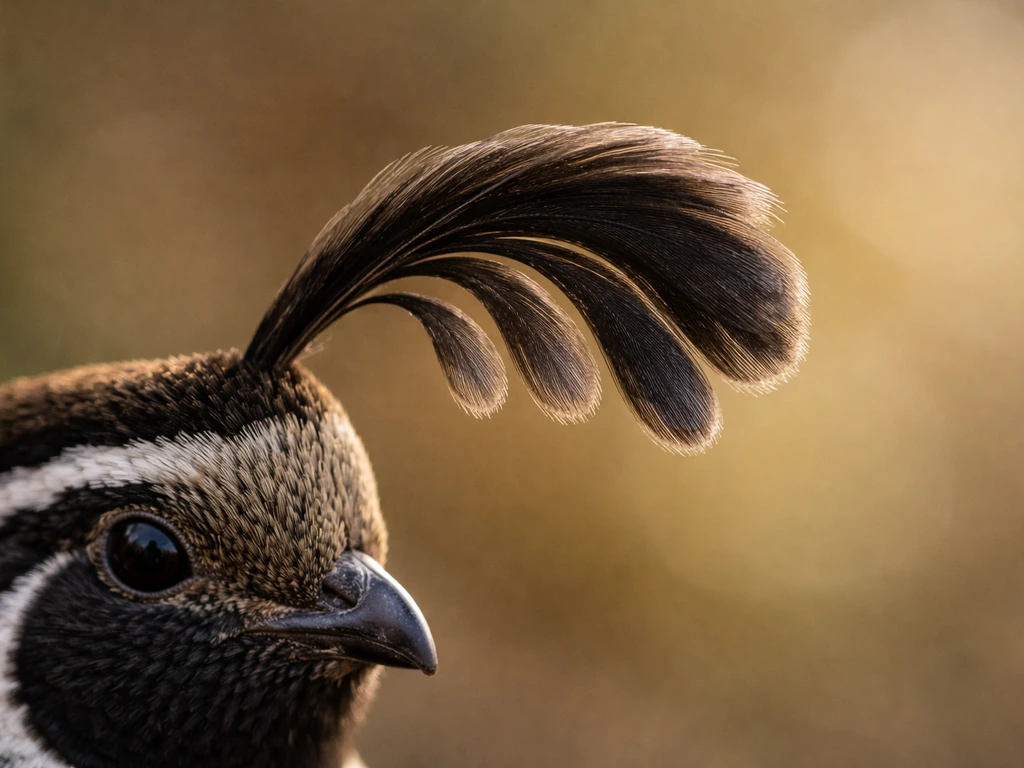
The head plume is the first thing people notice, and it's legitimately strange. It's not a single feather but a cluster of six overlapping feathers that droop forward like a comma or teardrop. No other common North American bird wears anything quite like it. When a male is alert or excited, the plume becomes more erect, giving it an almost cartoonish expressiveness. It's one of the most recognizable silhouettes in American birding.
The call is equally distinctive. The primary contact call is a three-note chi-CA-go sound, sometimes transcribed as "cu-ca-cow." Once you've heard it, you'll recognize it instantly on every future walk. There's also a lower, soft clucking the birds use while foraging, and a sharp single-note alarm call they give before scattering into brush. Most birders learn the California quail by ear before they ever get a clear look at one.
Then there's the behavior: California quail strongly prefer running to flying. When startled, a covey will sprint through underbrush at surprising speed rather than take off. When they do fly, it's in a short, explosive burst followed by a glide, almost always back into cover. This ground-bound lifestyle is part of what makes them unusual compared to most birds named as state symbols, which tend to be more aerial species like robins, cardinals, or meadowlarks.
Where They Live and How They Act Day to Day
California quail are birds of edges: they love the transition zone between open ground and dense shrubby cover. Coastal sage scrub, chaparral, oak woodland edges, grasslands with shrubby borders, agricultural areas, and even suburban parks and gardens all work for them. They need water access, especially in summer, so creek corridors, stock ponds, and backyard water features pull them in reliably.
The covey is the key social unit. Outside of breeding season, California quail travel in groups that can range from a handful of birds to over 50. In the morning, a covey typically leaves a roosting tree (they actually roost up in trees or shrubs at night, which surprises people who think of them as purely ground birds) and moves down to forage on seeds, leaves, and small insects. They spend midday loafing in shade or dust-bathing, then forage again in the late afternoon before returning to roost.
During breeding season, males take a sentinel role: you'll often see a single male perched prominently on a fence post, rock, or low branch, calling while the covey feeds below. That posture is one of the most iconic images associated with this bird and makes them surprisingly easy to spot during spring and early summer.
How to Find One in the Real World
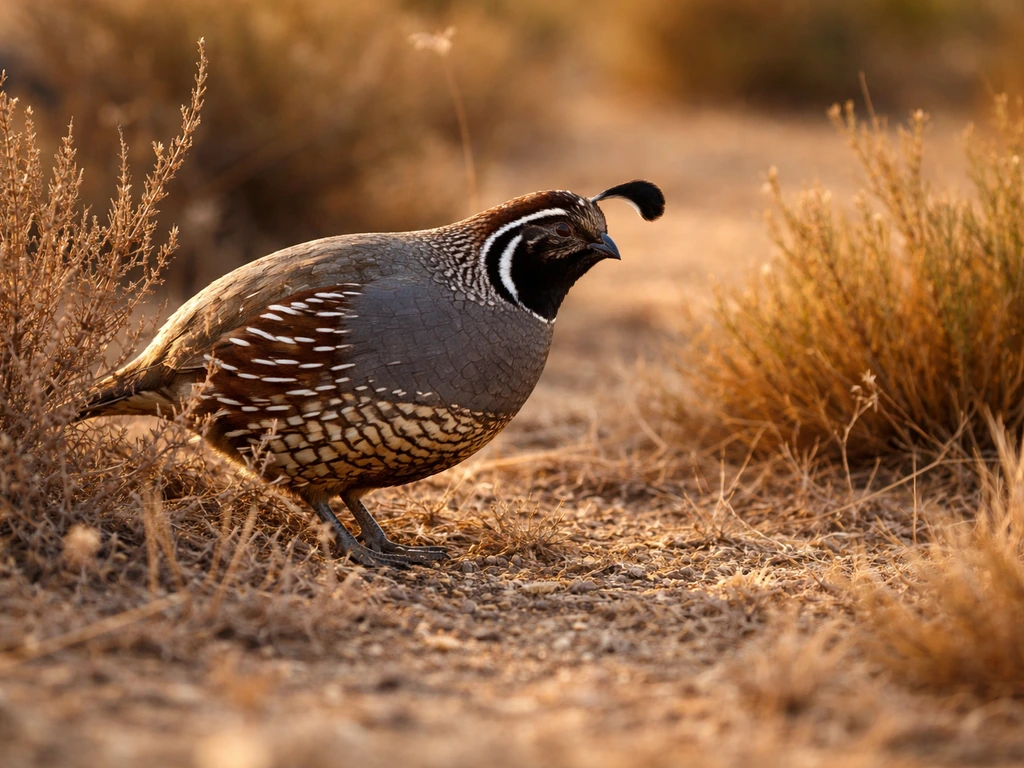
If you're in California and want to see a valley quail, early morning and late afternoon are your best windows. The birds are active at those times and vocal, making them easy to locate by sound. Head to any area with a mix of open ground and shrubby cover: state and regional parks in the Bay Area, the foothills of the Sierra Nevada, coastal scrub in Southern California, and the Central Valley all hold healthy populations.
Listen first. The chi-CA-go call carries well and will often tip you off before you see anything. Then look at the base of shrubs and along dirt paths where the birds forage. Once you spot one bird, look around: there are almost always more. Coveys tend to spread out while feeding but stay within a few dozen yards of each other.
If you have a yard in California, a low, reliable water source and native shrubs like toyon, coyote brush, or coffeeberry will bring them to you. Many California gardeners attract resident coveys year-round this way, especially in suburban foothills neighborhoods.
- Visit in early morning or late afternoon for peak activity and calling
- Target edge habitat: open ground next to dense shrubs or chaparral
- Listen for the three-note chi-CA-go call before scanning visually
- Look at ground level, especially along dirt paths, under oaks, or near water
- Check fence posts and low perches in spring for sentinel males
- In gardens, plant native shrubs and add a low water dish to attract coveys
How It Compares to Other State Birds
Most state birds are songbirds. If you are doing a crossword, its state bird is the california gull crossword clue because California has a famous alternate that often shows up in puzzles. The northern cardinal is the state bird of seven states. The western meadowlark holds six states.
The American robin covers three. Against that backdrop, California's choice of a ground-dwelling, plume-wearing game bird is genuinely uncommon. If you're wondering why California chose the valley quail in particular, it's mainly because the bird was already deeply tied to the state's landscape and identity before it became the official state bird California's choice of a ground-dwelling, plume-wearing game bird.
The California quail is one of only a handful of state birds that belong to the order Galliformes (which includes chickens, turkeys, pheasants, and quail) rather than the perching bird order that dominates state bird lists.
| State Bird | Type | States Using It | Distinctive Trait |
|---|---|---|---|
| California Valley Quail | Ground bird / Galliform | 1 (California only) | Forward-curving head plume, covey behavior |
| Northern Cardinal | Songbird / Perching bird | 7 states | Bright red male plumage |
| Western Meadowlark | Songbird / Perching bird | 6 states | Complex melodic song |
| American Robin | Songbird / Perching bird | 3 states | Red-orange breast, widespread familiarity |
| Ruffed Grouse (PA) | Ground bird / Galliform | 1 (Pennsylvania) | Drumming display, forest habitat |
No other state has chosen the California quail as its bird, which adds to the sense that this choice reflects something genuinely regional rather than a default to a commonly recognized species. The only other state bird in the same family worth comparing is Pennsylvania's ruffed grouse, another Galliform, but the grouse is a forest specialist without the quail's iconic plume or covey behavior. Nevada, which borders California and shares much of the same Great Basin habitat, went with the mountain bluebird instead, so the valley quail remains exclusively Californian in the world of state symbols.
For readers curious about other quail-related state symbol questions or how California's bird fits into the broader picture of state symbols, the quail's selection history and the symbolism behind the choice connect naturally to the broader story of why California adopted this bird over other candidates.
Next Steps If You Want to Dig Deeper
To confirm the official designation, California Government Code §423 is publicly accessible through the California Legislative Information website and states the bird directly. [California Government Code §423](https://leginfo. legislature. ca.
gov/faces/codes_displayText. xhtml? article=&chapter=2. &division=2.
&lawCode=GOV&part=&title=1. ) states that “The California valley quail (Lophortyx californica) is the official bird and avifaunal emblem of the State. ”. If you're also wondering about the California state flower, the golden poppy is the official match for the same set of state symbols California state bird and flower.
The California State Capitol Museum also lists state symbols and is a reliable source for historical context around when and why the designation was made. For identification practice, the Cornell Lab of Ornithology's All About Birds database has recordings of all the California quail's calls, which is the fastest way to lock the sound into memory before your next outing.
For local birding, eBird (also from Cornell Lab) lets you pull up recent sightings of California quail near your location today, sorted by date and mapped to specific spots. This is the most practical tool for finding active coveys quickly. Most California Audubon chapter websites also maintain local hotspot lists that flag reliable quail habitat by region, from the coast to the inland valleys.
- Look up California Government Code §423 to see the exact official language designating the state bird
- Visit All About Birds (Cornell Lab) and search "California quail" to hear the chi-CA-go call before your next outing
- Open eBird and search your zip code for recent California quail sightings to find active spots nearby
- Check your local Audubon chapter's website for regional hotspot guides to quail habitat
- If you have a yard, add a shallow water dish and native shrubs to potentially attract a resident covey
FAQ
If the valley quail is a ground bird, where do they sleep?
No. The California valley quail can roost in trees or tall shrubs at night, so you might spot them perched at dusk or early morning even though they spend most daylight time running and foraging on the ground.
Why do I sometimes see what looks like one large bird group instead of a covey?
In the late summer and early fall, coveys can swell quickly, which can make a group look like a “single” large bird at first glance. Use call recognition (the three-note chi-CA-go) to confirm you are tracking quail rather than a mix of other small ground birds.
Can the plume appearance help tell males from females, or is it always confusing?
The teardrop-shaped head plume can look different depending on mood and angle. It tends to look more dramatic when the bird is alert, and it can look shorter on females since they share the plume but with less contrast than males.
Why do valley quail seem to disappear from a spot that used to have them?
Yes, especially during dry periods. If there is limited water nearby, quail may shift their foraging range and become much harder to find even in otherwise good habitat. Adding or preserving a dependable water source nearby often improves consistency for yard watching.
What’s the best way to approach for spotting without flushing them too quickly?
You can, but be careful. Quail often freeze briefly and then sprint into brush, so approaching too fast can cause them to scatter before you get a clear view. Slow down, stay near cover edges, and focus on listening first to avoid losing them.
How can I confidently identify California quail if visibility is poor?
The most reliable method is to confirm the call first, then match the silhouette. The chi-CA-go call is the key, and the black face with a white eye stripe plus the forward-curving plume usually seals the ID once you see one clear bird in the group.
Where exactly should I walk if I want the highest chance of seeing them?
Easily. They usually don’t “hunt” in the open like many birds, they move through edge habitat (open ground plus dense shrubs) and run back to cover after disturbance. Walking dirt paths along shrub borders and creek corridors tends to outperform scanning large open fields.
Do their colors change enough during the year to affect identification?
Molting or seasonal wear can dull plumage contrast, making the chest and face pattern less crisp than textbook images. If colors seem muted, rely more on the plume shape and the call, since those remain more consistent for identification.
Should I use time of day alone, or is there a better way to plan an outing?
They are often easiest to locate by sound during the morning and late afternoon windows, but eBird-style reports can show you when they’re actively vocal in your area. If you arrive at midday on a hot, quiet day, you may see less calling and fewer runners.
Are the common names (California quail vs. valley quail) interchangeable for the state bird?
If you’re using a crossword clue or a school assignment, “California quail,” “valley quail,” and “California valley quail” all refer to the same official species. Just match the context to “state bird” to avoid confusion with other quail species in the region.
Next Article
What Is the California State Bird and Flower? Plus Tree
Official CA symbols: state bird, flower, and tree, with species names, traits, and why they were chosen.