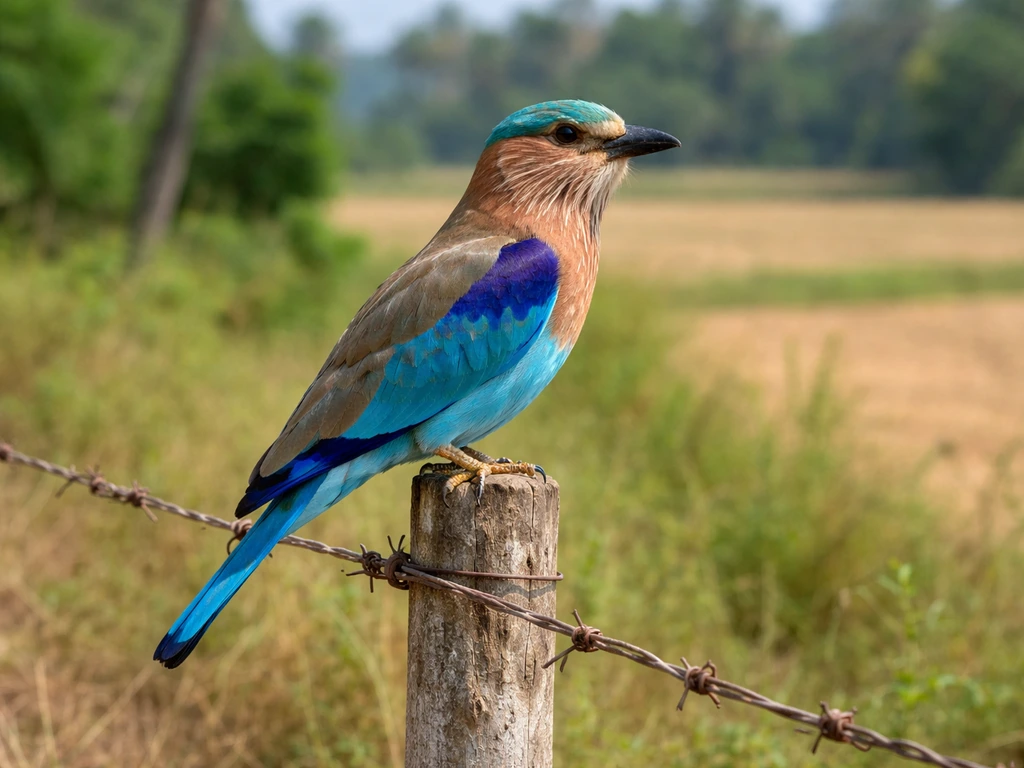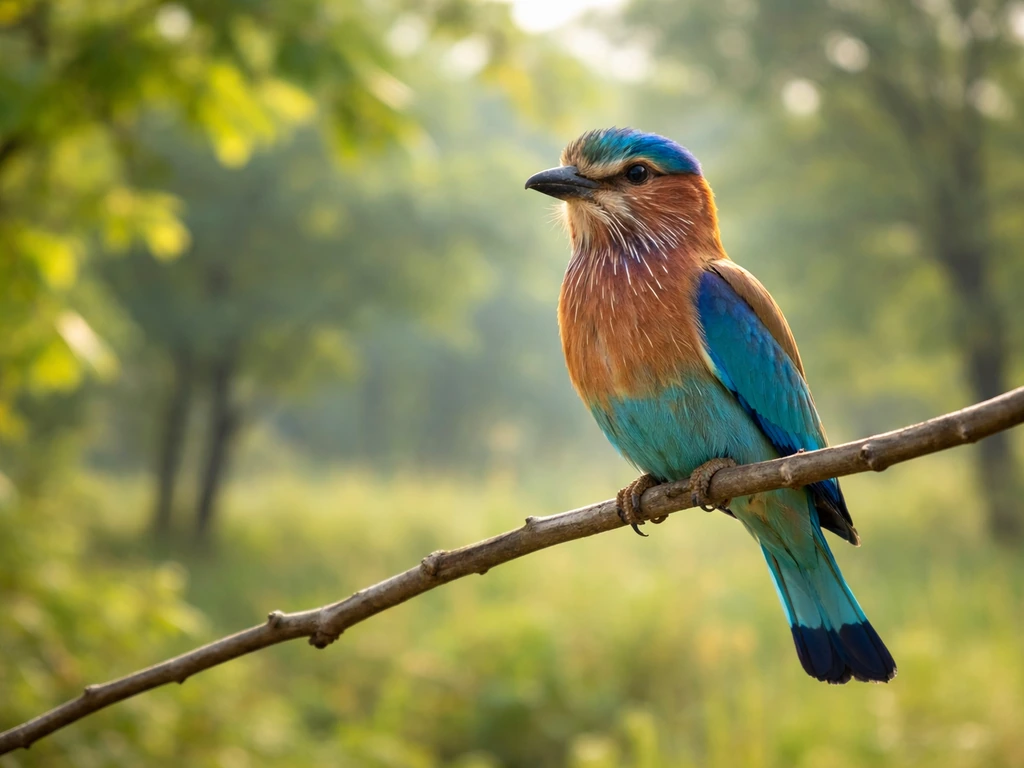
The eastern bluebird became Missouri's official state bird on March 30, 1927, when the Missouri General Assembly passed Senate Bill 321 designating it as the state symbol. That decision has held ever since, codified today in RSMo §10.010.
Why Eastern Bluebird Is Missouri’s State Bird

Marcus Webb
27 Mar 2026

The short answer for why the bluebird was chosen comes directly from the Missouri Department of Conservation: it was common in Missouri and considered a symbol of happiness. Those two reasons might sound simple, but they actually capture something real about why this bird felt like the right fit for the state at the time, and still does today.
The official story behind the 1927 designation
On March 30, 1927, the Missouri General Assembly passed legislation making the native bluebird (Sialia sialis) the official bird of Missouri. The current law, RSMo §10.010, uses exactly this language: "The native 'bluebird' (Sialia Sialis) is selected for and shall be known as the official bird of the state of Missouri." The law was later codified with an approval date of June 13, 1957, and became effective August 28, 1957, but the original designation goes all the way back to that March 1927 act.
Missouri's Official Manual (the state almanac published by the Secretary of State) blank" rel="noopener noreferrer">confirms the March 30, 1927 date and adds that the bluebird is "considered a symbol of happiness" and is "common in Missouri from early spring until late November." That visibility window is a big part of why the bird made sense as a state symbol. Missourians throughout the state could actually see it for most of the year, not just during a brief seasonal window.
Why happiness, and why this bird specifically
The happiness symbolism attached to bluebirds isn't just Missouri's invention. Bluebirds have carried that meaning across American and European folk culture for centuries, tied to their bright plumage and the fact that they often appear in early spring, a natural signal that winter is ending. For Missouri lawmakers in 1927, choosing a bird that already carried that cultural weight made sense.
The eastern bluebird also earned its place through sheer presence. It's not a rare species that Missourians would only glimpse on a lucky day. You can find bluebirds in savannas, pastures, cemeteries, city parks, and backyards across the state anywhere with short grass and scattered trees nearby. That accessibility mattered. A state bird should feel like it belongs to everyone in the state, not just birdwatchers who know where to look.
The male's bright blue plumage and rusty-orange chest make it one of the more striking birds you'll spot in Missouri, and its non-aggressive nature means it tolerates human presence well. That combination of beauty and approachability is part of what made it feel right as a symbol.
What the eastern bluebird actually looks like

If you're trying to spot one, the male eastern bluebird is hard to miss. It has vivid blue upperparts and a warm rusty-orange breast, with a white belly. Females are more muted, with grayish-blue wings and a softer orange wash on the chest, but still distinctive compared to most backyard birds. The quick field tip: look for the blue flash on the back and wings when the bird is perched or in flight. That's the giveaway.
When and where to see them in Missouri
Bluebirds are present in Missouri from early spring through late November, and in some southern parts of the state, you may find them year-round. Bluebirds are present in Missouri from early spring through late fall, with some year-round residents in the southern part of the state, according to the Missouri Secretary of State’s official state-symbols page. They breed in spring and summer, typically raising two broods per season with clutches of two to seven eggs. That makes spring one of the best times to observe nesting behavior.
Their preferred habitats are open areas with short grass and nearby perch spots like fence posts or scattered trees. Savannas, rural pastures, golf courses, cemeteries, and suburban parks all fit the bill. If you've driven along a Missouri county road in April and seen a bright blue bird perched on a barbed-wire fence, that was almost certainly an eastern bluebird.
Attracting bluebirds to your own yard

One of the reasons bluebirds stay so visible across Missouri is that people actively invite them in. Bluebird nest boxes have been a popular backyard project for decades, and the Missouri Department of Conservation and University of Missouri Extension both encourage Missourians to put them up. Bluebirds are cavity nesters, meaning they look for holes in trees or man-made boxes to raise their young. Providing a properly sized nest box in an open yard with short grass nearby is one of the most reliable ways to bring them in.
Box placement matters. You want it mounted on a pole (not a tree, where predators can climb) at about five feet off the ground, facing an open area. Monitoring the box through the season and keeping house sparrows from taking it over will give bluebirds a much better shot at successfully raising their brood.
A quick summary of the key facts
| Detail | Fact |
|---|---|
| Official name | Eastern Bluebird (Sialia sialis) |
| Designated state bird | March 30, 1927 |
| Legislation | Missouri Senate Bill 321 (1927) |
| Current law | RSMo §10.010 |
| Official reasons given | Common in Missouri; symbol of happiness |
| Typical presence in Missouri | Early spring through late November |
| Breeding season | Spring and summer, 2 broods per season |
| Typical habitat | Savannas, pastures, parks, open backyards |
Why this still matters today
Nearly a century after that 1927 vote, the eastern bluebird still earns its designation. If you're wondering what is the state bird of Mississippi, that's a different bird with its own official designation. If you're wondering what is the state bird of missouri, that is the eastern bluebird, officially designated in 1927. If you're also curious about the neighboring state, you might be asking what is the state bird of louisiana. If you are also curious about Louisiana's bird symbols, you may want to check what bird is on the louisiana flag as a related point. If you're also wondering what bird is on the Louisiana quarter, that's part of the same category of bird symbols Louisiana features on its currency. That curiosity also often leads people to ask why the brown pelican is Louisiana's state bird. It's one of Missouri's most recognizable native birds, genuinely common across the state, and easy for anyone to observe without needing special equipment or remote locations. The state bird of Louisiana is also an official symbol with its own history and species details. For educators, that makes it a perfect teaching subject. For anyone curious about Missouri's natural identity, it's a bird that actually shows up, season after season, living up to what the legislature said it represented back in 1927.
FAQ
Is the Missouri state bird actually the eastern bluebird, or could it be a different bluebird species?
Missouri’s law names the native “bluebird” as Sialia sialis, which is the eastern bluebird. If you see a similar-looking bird in Missouri, it should still be Sialia sialis for the state symbol purpose, but check features like the male’s bright blue back and rusty-orange breast to avoid confusing it with other small blue birds.
Why did lawmakers pick a bird that’s common, instead of something more rare or unique?
A state symbol has to be recognizable to residents, not just experts. The rationale in Missouri’s official materials ties to the eastern bluebird being common across the state for a long season, so everyday people could actually see it in backyards, parks, and open fields rather than only in special locations.
When is the best time of year to see the eastern bluebird in Missouri?
Plan around early spring through late November. That window matters because it overlaps with when bluebirds are most visible and actively using perches, plus spring is prime time for spotting nesting behavior if you’re watching near likely habitat or near a nest box.
Do eastern bluebirds stay in Missouri year-round?
Often yes in parts of southern Missouri, but not statewide in the same way every winter. In many areas, you’ll get fewer sightings outside the main season, so if you’re searching in mid-winter, focus on southern areas and any locations where bluebirds have access to open ground and shelter.
Where exactly should I look in Missouri if I want to spot one fast?
Target open areas with short grass and nearby “sit spots” like fence posts, low branches, or scattered trees. Cemeteries, pastures, golf courses, parks, and suburban edges with maintained lawns are common places, because bluebirds like to perch and scan for food from exposed ground.
What’s the easiest way to tell male from female in the field?
Males are usually the easiest because their vivid blue upperparts and rusty-orange chest stand out. Females are more subdued, with grayish-blue wings and a softer orange wash on the chest, so look for the overall blue flash rather than expecting the same bold coloring you see on males.
If I put up a bluebird nest box, will it definitely attract bluebirds in Missouri?
It increases your odds a lot, but it’s not guaranteed. The biggest “make or break” factors are correct box type and size, placing it on a pole (so predators cannot climb like they can from trees), positioning it facing an open area, and managing competitors like house sparrows.
What are common mistakes people make with bluebird nest boxes?
Three big ones: placing boxes in trees where predators and climbing competitors are easier, mounting too low or too high (aim for about five feet), and forgetting to monitor. Also, if house sparrows take over, bluebirds often won’t use the box, so competitor control becomes part of the job.
How can I avoid confusing eastern bluebirds with other similar backyard birds?
Use the “combination test.” In Missouri, a male eastern bluebird typically shows a bright blue back and wings plus a rusty-orange breast. If the bird is more uniformly blue-gray or lacks that warm chest color pattern, slow down and re-check with a field guide rather than assuming it’s a bluebird.
Are eastern bluebirds safe to feed or is it better to focus only on nest boxes?
Bluebird nest boxes are usually the more practical approach for helping them reproduce. Feeding can work for some bird species, but for bluebirds, your best immediate payoff often comes from improving nesting habitat (and preserving open ground) rather than relying on feeders alone.