Oklahoma chose the scissor-tailed flycatcher as its state bird in 1951 for three clear reasons: the bird eats harmful insects, its nesting range is centered squarely on Oklahoma, and no other state had claimed it. That combination made it an obvious, uncontested choice, and it has been codified in Oklahoma Statutes § 25-98 ever since.
Why Is the Scissor-Tailed Flycatcher Oklahoma State Bird?

Marcus Webb
4 May 2026
What Oklahoma's state bird is and how it was chosen
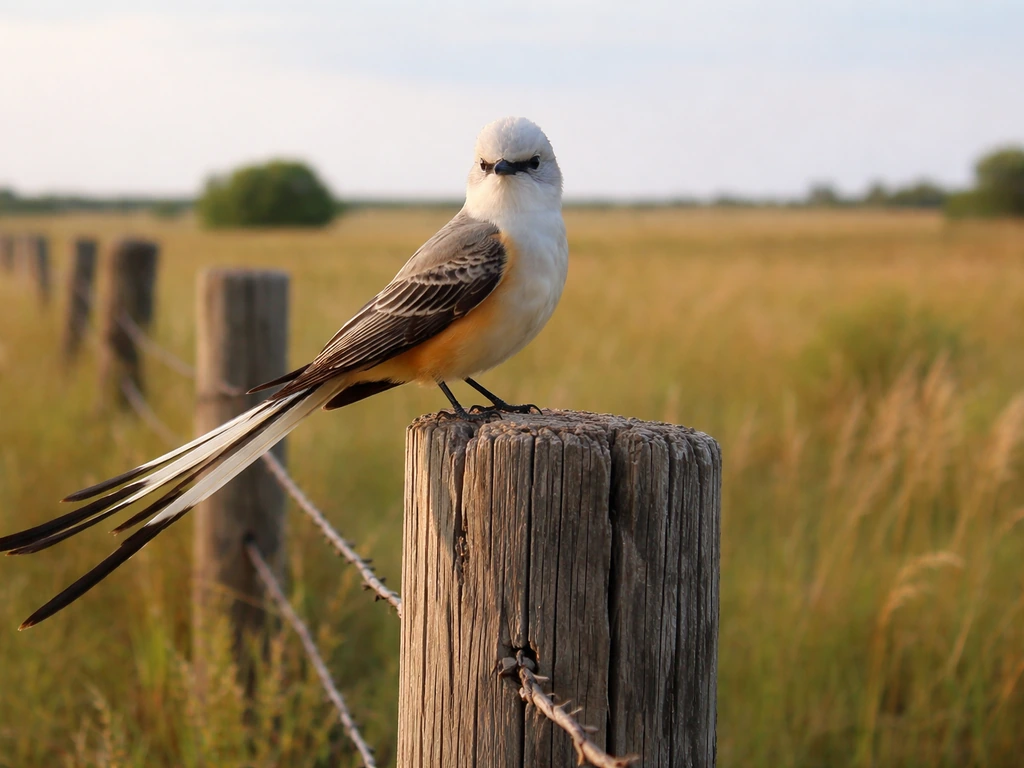
The scissor-tailed flycatcher (Muscivora forficata) is Oklahoma's official state bird, adopted on May 26, 1951, when the governor signed House Joint Resolution No. 21 into law. The resolution codified what bird advocates and wildlife groups in Oklahoma had been pushing for: a bird that was visually distinctive, ecologically useful, and uniquely connected to the state. This is why people often ask what Oklahoma's state bird is and how the scissor-tailed flycatcher became the official pick in 1951 uniquely connected to the state. The official statute, 25 OS § 98, simply reads: 'The scissor-tailed flycatcher, Muscivora Forficata, is hereby designated and adopted as the state bird of the State of Oklahoma.'
The campaign was backed by Oklahoma's Audubon Society, garden clubs, and wildlife supporters across the state. Inside the legislature, Lou Allard, chairman of the House of Representatives Committee on Game and Fish, provided the key backing that finally got HJR 21 across the finish line. It wasn't a smooth road, there was at least one failed attempt to designate the scissortail before this resolution succeeded.
Scissor-tailed flycatcher identification basics
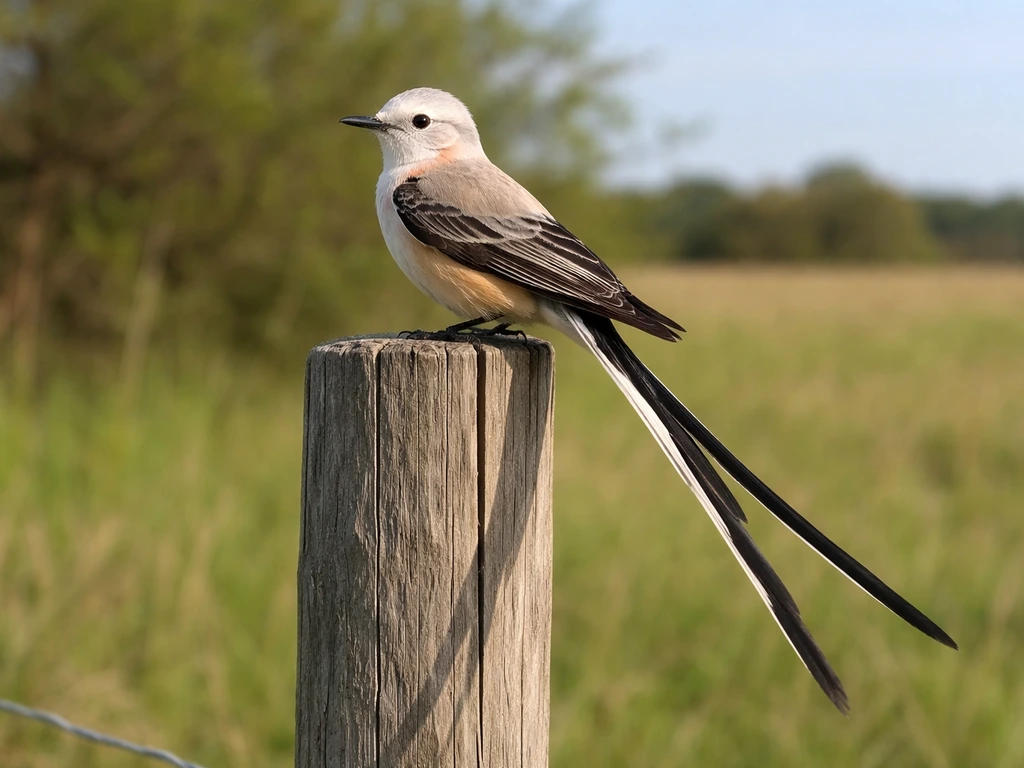
If you're trying to confirm you've spotted one, the tail is unmistakable. The scissor-tailed flycatcher is a slender, stout-billed bird with an extremely long, deeply forked tail, those streaming tail feathers can reach nine inches on their own. The bird is pale gray overall with salmon-pink flanks and a pale belly. When it takes off, you get the best view: salmon-pink underwing patches flash prominently, and those long tail streamers flare wide as the bird maneuvers to catch insects mid-air.
At a distance, sitting still on a fence post or wire, it can briefly fool you into thinking you're looking at a slim, long-tailed mockingbird. But the moment it flies, identification becomes easy and reliable. Look for the salmon-pink underwings and the dramatic black-and-white tail opening like scissors. Back on its perch, the tail folds back up and the bird scans for the next insect. It's one of the most visually distinctive birds you'll find in North America. If you're wondering what the bird of the United States is, that varies by context and can refer to different official symbols.
| Field Mark | What to Look For |
|---|---|
| Tail | Very long, deeply forked; streamers up to 9 inches |
| Body color | Pale gray overall, salmon-pink flanks and belly |
| In flight | Conspicuous salmon-pink underwing patches; tail flares open |
| Shape | Slender, stout-billed flycatcher silhouette |
| Perching behavior | Sits on fences, wires, and open tree branches between insect-catching flights |
Why Oklahoma picked this bird: the historical reasoning
The Oklahoma Historical Society's encyclopedia is direct about the rationale: the scissortail was chosen for its diet of harmful insects, its Oklahoma-centered nesting range, and the fortunate fact that no other state had already claimed it. Those three points gave legislators and advocates a clean, defensible case. This wasn't a bird that just passed through Oklahoma or appeared occasionally, it bred here, nested here, and depended on Oklahoma's open landscape more than almost anywhere else.
The practical angle, that the bird eats harmful insects, carried real weight in the early 1950s when agricultural communities valued any natural pest control. Flycatchers are aerial hunters, and the scissortail is relentless at it. Seeing it as a friend to farmers and gardeners made it easy to build broad public support for the designation.
How the scissortail fits Oklahoma's landscape
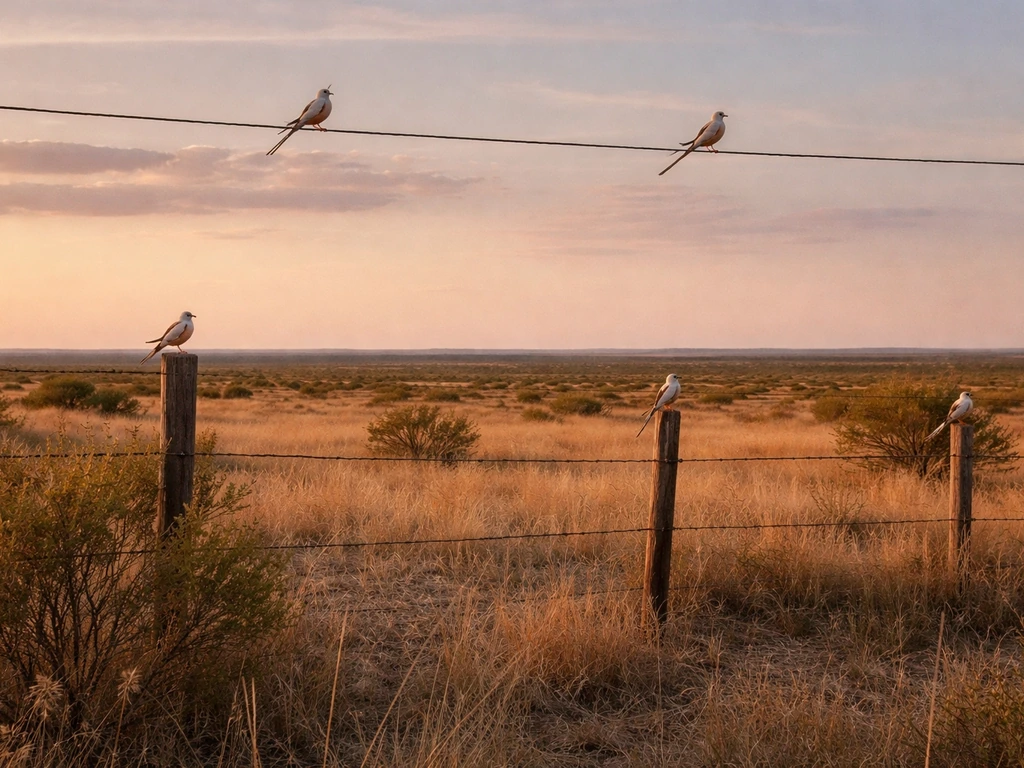
Drive through Oklahoma's open prairies and you'll see scissortails perched on fence lines and telephone wires, scanning for insects below. That's their signature move: sit high in the open, spot a grasshopper or beetle, drop to catch it in flight, and return to the perch. Oklahoma's mix of open grassland dotted with scattered trees and tree-lined country roads is exactly what this species needs.
Scissortails typically arrive in Oklahoma by early April and stay through October, with a few lingering into November. Their breeding season runs through summer, and by late August something impressive happens: they start gathering in communal roost trees in the evenings. These late-summer roosts can hold large numbers of birds, making August and early September a great time to see them in dramatic concentrations before they head south. eBird data shows peak occurrence in Oklahoma generally running from late May through mid-August, which covers the core of their nesting activity.
The official adoption: legislation and timeline
Here's the precise legislative timeline worth knowing if you need it for reference or a school project. The scissor-tailed flycatcher was designated Oklahoma's state bird through House Joint Resolution Number 21, signed by the governor on May 26, 1951. That resolution became codified in the Oklahoma Statutes as 25 OS § 98, which remains current law today. Oklahoma Statutes Title 25 includes the state bird provision at § 25-98, which designates the scissor-tailed flycatcher as Oklahoma’s state bird blank" rel="noopener noreferrer">25 OS § 98. The 2022 version of the statutes still carries the same language: 'The scissor-tailed flycatcher, Muscivora Forficata, is hereby designated and adopted as the state bird of the State of Oklahoma.' The scientific name used in statute, Muscivora forficata, is an older taxonomic designation; modern ornithology classifies it as Tyrannus forficatus, but the statute has not been updated to reflect that nomenclature change. The U.S. Fish & Wildlife Service lists the scissor-tailed flycatcher’s accepted scientific name as blank" rel="noopener noreferrer">Tyrannus forficatus.
- Failed first attempt to designate the scissortail as state bird (pre-1951)
- House Joint Resolution No. 21 introduced with backing from Lou Allard, chairman of the House Committee on Game and Fish
- Support from Oklahoma's Audubon Society, garden clubs, and wildlife advocates
- HJR No. 21 signed into law: May 26, 1951
- Codified in Oklahoma Statutes § 25-98, still current as of 2022
Which states share this bird, and what makes Oklahoma's pick unique
No other U.S. state has designated the scissor-tailed flycatcher as its state bird. That's a meaningful distinction. Most popular state birds, the northern cardinal, the western meadowlark, the American robin, are shared by multiple states. Oklahoma's choice stands alone on the list, which was actually one of the explicit reasons it was chosen in the first place. The advocates pushing for the scissortail in 1951 noted it as a point in the bird's favor that no other state had claimed it, giving Oklahoma a uniquely identifiable symbol.
For comparison, Oklahoma's neighbor Kansas uses the western meadowlark, and Texas uses the northern mockingbird. Both of those birds appear in Oklahoma regularly too, but neither is nearly as associated with the state the way the scissortail is. The scissortail's nesting range is genuinely Oklahoma-centered, making it a more authentic regional symbol than most states can claim for their chosen bird. If you're curious how Oklahoma's quarter reflects this symbolism, the scissor-tailed flycatcher also appears on the Oklahoma state quarter, which is another nod to how deeply the bird is tied to the state's identity. The bird on the U.S. dollar bill is an entirely different species than Oklahoma's scissor-tailed flycatcher, so the two should not be confused. The bird featured on the Oklahoma quarter is the scissor-tailed flycatcher Oklahoma state quarter. The bird featured on the Idaho quarter is commonly identified as a mountain bluebird.
How to spot one yourself in Oklahoma
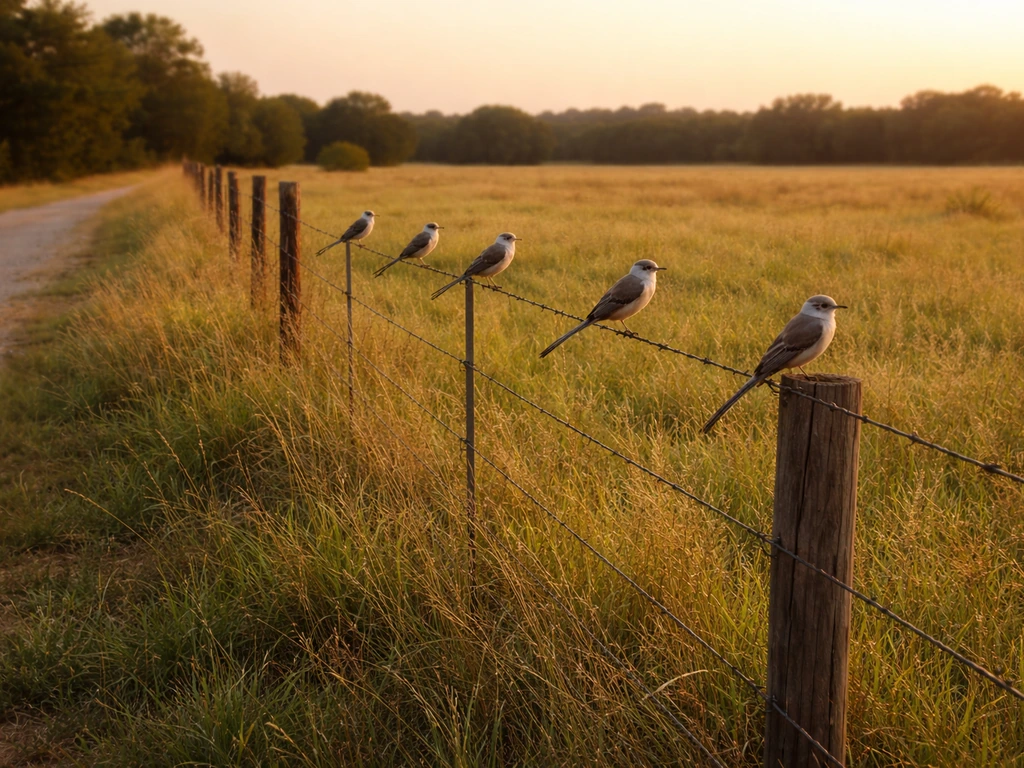
The easiest way to find a scissortail in Oklahoma is to drive a rural highway through open country between April and September and watch the fence lines. They perch in the open, so they're not hard to spot once you know what you're looking for. Focus on that impossibly long tail, the pale body, and the pink flush on the sides. If the bird takes flight, you'll see the salmon-pink underwings immediately and any remaining doubt disappears.
For a more spectacular show, look for late-summer roosts in late August. Scissortails gather in trees near open fields toward dusk, sometimes in groups of dozens. Apps like eBird can help you find recent sightings near your location. The Oklahoma Department of Wildlife Conservation's field guide also has current range and habitat notes that are worth checking before a dedicated birding trip. If you want to go deeper on the species itself, Cornell Lab's All About Birds and the Audubon field guide both have detailed identification photos and range maps that pair well with the historical context covered here.
Quick facts to remember
- Official state bird of Oklahoma since May 26, 1951 (House Joint Resolution No. 21)
- Codified in Oklahoma Statutes § 25-98
- Chosen for its insect-eating diet, Oklahoma-centered nesting range, and uniqueness (no other state claimed it)
- Identified by its very long forked tail (streamers up to 9 inches), pale gray body, and salmon-pink underwings in flight
- Present in Oklahoma from early April through October; late-August roosts are a seasonal highlight
- The only U.S. state bird that is a scissor-tailed flycatcher — no other state shares it
FAQ
Is the scissor-tailed flycatcher truly unique to Oklahoma, or does it just show up there?
It breeds and nests in Oklahoma in a way that historically supported the “Oklahoma-centered” argument for state bird selection. While the species occurs across parts of North America, its nesting emphasis aligns strongly with Oklahoma’s open grassland and edge habitat rather than being merely a passage migrant.
Why did legislators care so much about “no other state had claimed it”?
Because shared, widely chosen species make it harder to argue for a distinctive state symbol. Oklahoma’s case was stronger since it could present the scissortail as an exclusive identity marker, not a bird already used by other states with similar cultural recognition.
What name should I use when reading older Oklahoma statute or school materials, Muscivora forficata or Tyrannus forficatus?
Use Muscivora forficata when you are specifically quoting the legal wording in 25 OS § 98. For everyday birding and modern identification resources, Tyrannus forficatus is the current accepted scientific name, and the bird is the same species.
How can I avoid confusing a scissor-tailed flycatcher with a mockingbird?
Distance can make them look like “long-tailed” birds, but the scissortail’s salmon-pink underwing flashes and its deeply forked tail that opens with flight are the key tells. Mockingbirds do not show the same dramatic pink underwing pattern, and their tail shape is not as extreme or scissor-like.
When is the best time to see scissortails in Oklahoma, if I only have one weekend?
Late August and early September are often your best bet if you want larger groups, because they start forming communal roosts in trees toward dusk. For typical regular sightings, late May through mid-August matches peak occurrence during nesting activity.
Do scissor-tailed flycatchers stay in Oklahoma year-round?
They generally arrive by early April and leave by October, with a few individuals sometimes lingering into November. If you go outside that window, expect fewer sightings and check local reports for unusual late-season birds.
Where should I look in the landscape for the highest odds of seeing one?
Focus on open country, fence lines, and telephone wires over grassland or pasture edges, especially near scattered trees. The species tends to perch high in the open and drop to catch insects mid-air, so “edge habitat” often beats deep woods for spotting.
Are the late-summer roosts predictable, and what time of day should I search?
They tend to form toward dusk, when birds gather in trees near open fields. Exact locations can vary by year, so it helps to check recent sightings in apps like eBird before you drive out, rather than relying on a single fixed spot.
Does the scissor-tailed flycatcher appear on Oklahoma’s quarter in the same way as in bird ID guides?
It should match the general look people recognize from identification, especially the long forked tail and the pale body with pinkish coloration. Still, coin art can be simplified, so treat it as a symbolic likeness, not a substitute for real-world ID cues like underwing color and tail shape in flight.
If someone asks “What is the bird of the United States?”, is it the same as Oklahoma’s state bird?
Not necessarily. “Bird of the United States” can refer to different official or widely used symbols, and the meaning depends on context. Oklahoma’s state bird is specifically the scissor-tailed flycatcher, as set by statute.
Next Articles
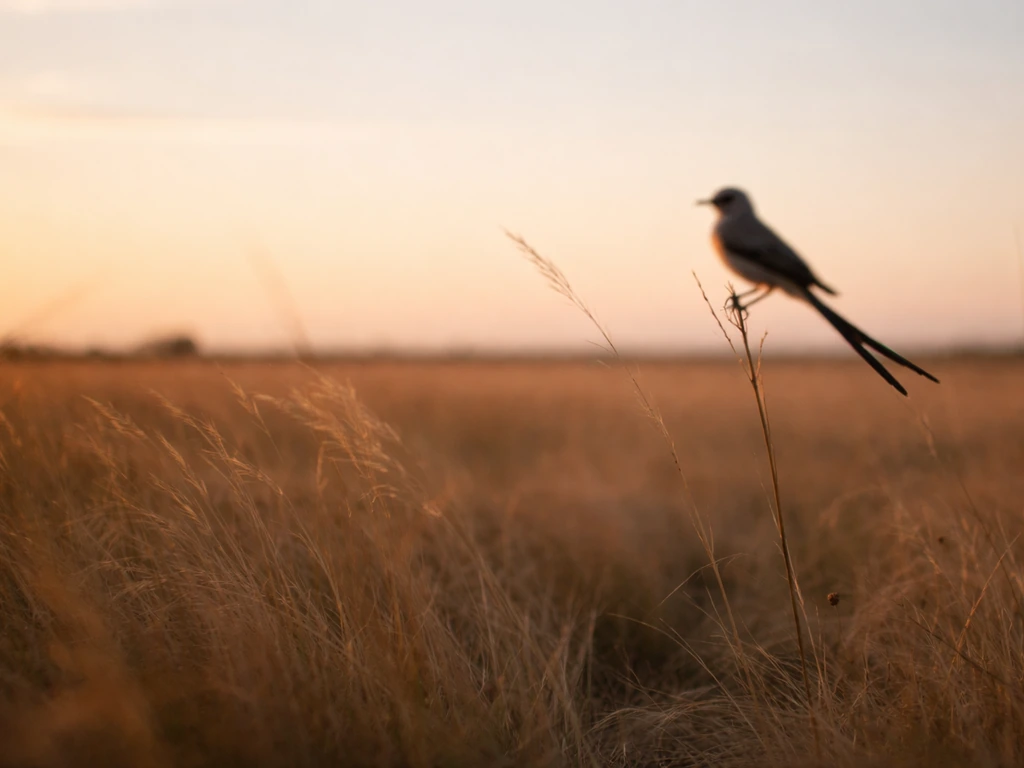
What Is the Bird of Oklahoma State Bird Guide
Learn Oklahoma’s official state bird, how to identify it, where to find it, and why it was chosen.
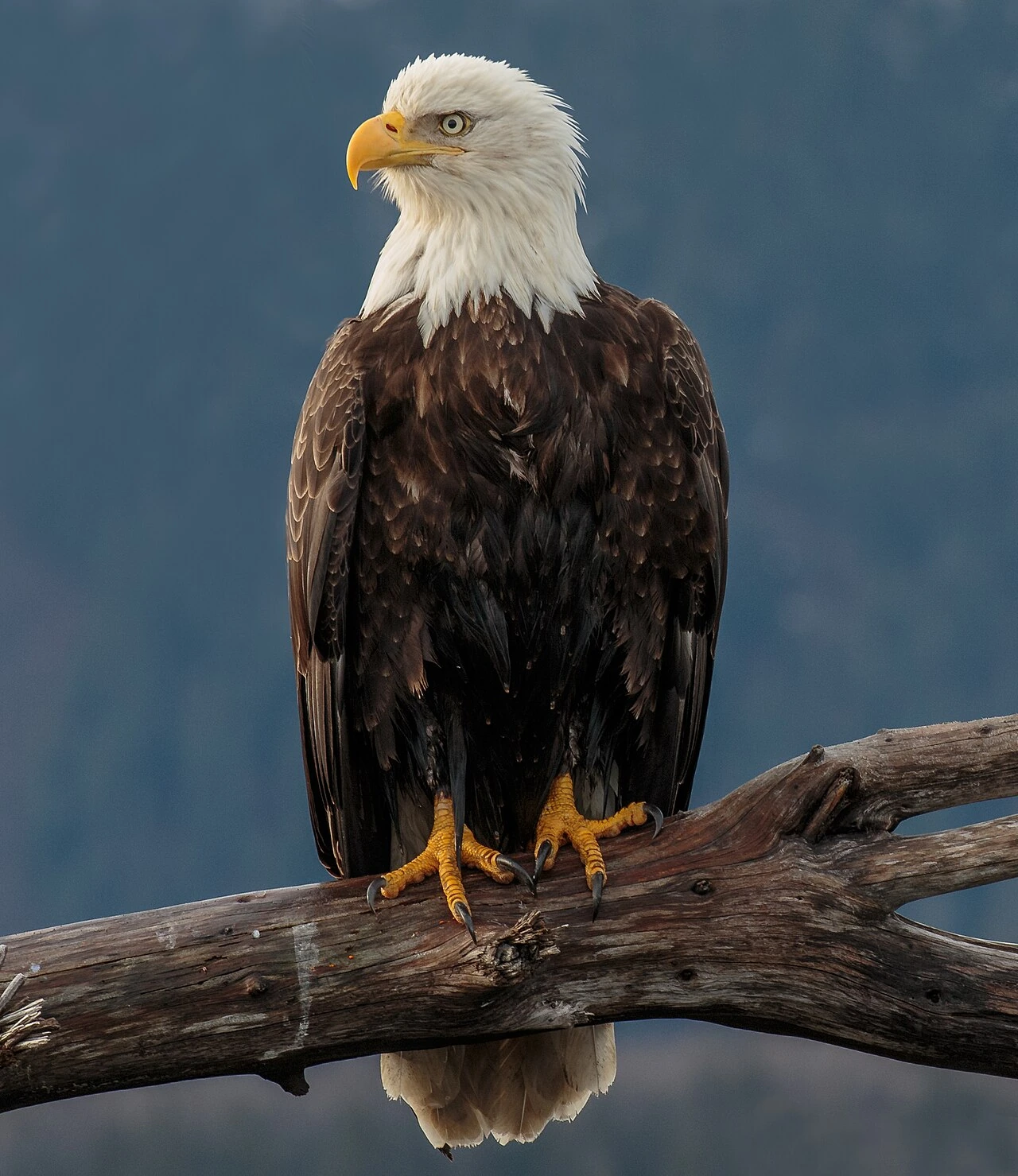
What Is the Bird of the United States? National and State Birds
Find the US national bird and official state birds by state, including shared birds and how to identify them.

What Is Oklahoma’s State Bird? Scissor-Tailed Flycatcher
Oklahoma state bird is the scissor-tailed flycatcher, how to spot it, plus best places and times to see it.