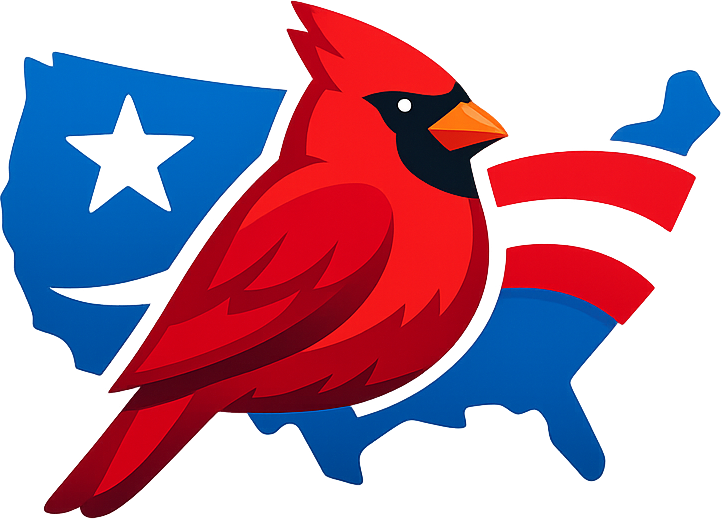
Idaho chose the mountain bluebird as its state bird because the species is a natural, highly visible symbol of Idaho's open landscapes. It nests across the state's sagebrush-steppe, mountain meadows, high desert, and forested valleys, making it one of the most recognizable birds an Idahoan or visitor is likely to encounter in the wild. The legislature made it official on February 28, 1931, and the designation has held ever since.
Why Is the Mountain Bluebird Idaho’s State Bird?

Marcus Webb
20 May 2026
What the Mountain Bluebird Looks Like (Quick ID for Idaho)
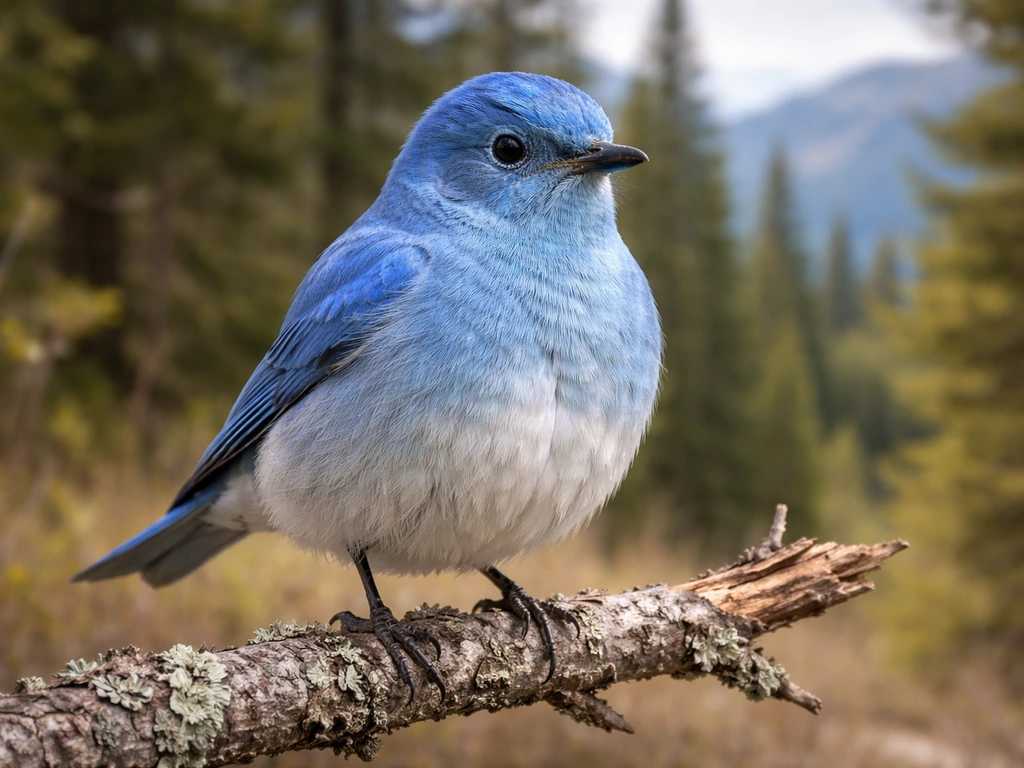
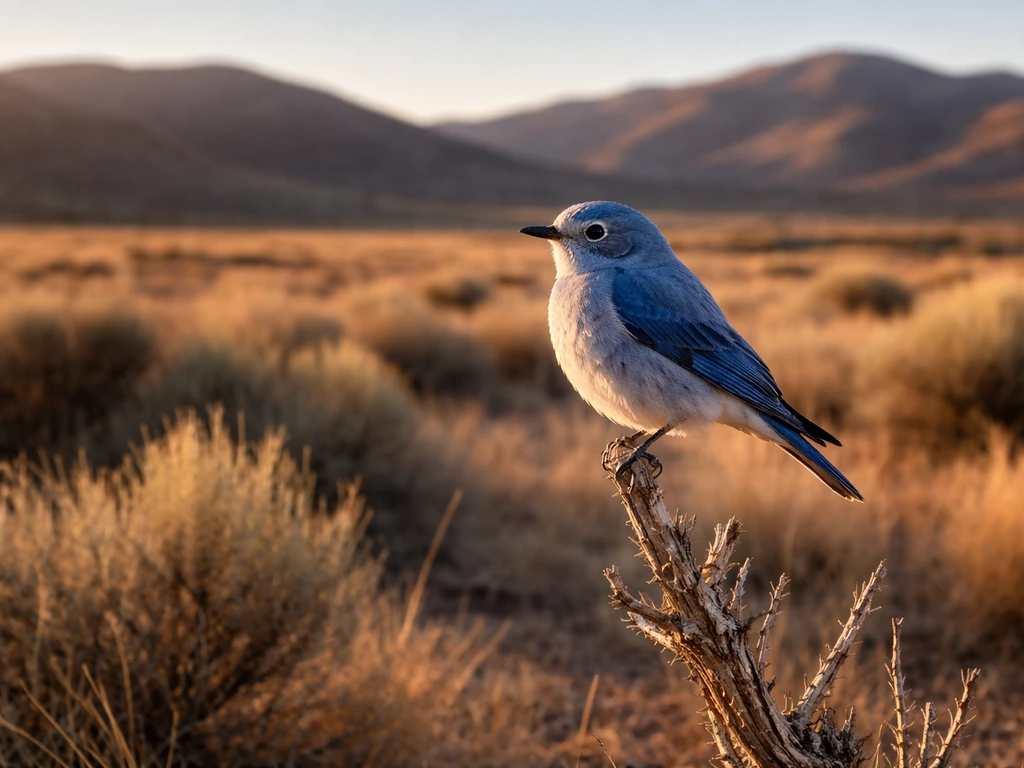
The mountain bluebird (Sialia currucoides) is a small thrush, measuring roughly 6.5 to 8 inches (17 to 20 cm) in length. The male is the easier of the two sexes to identify: it's an almost electric, sky-blue bird with a pale blue belly and no rust or orange coloring on its chest. That's the key field mark that separates it from its eastern cousin. The female is considerably duller, showing soft blue on the wings and tail, a reddish-brown throat, and a buff-colored underside overall.
One quick field trick: if you're above 5,000 feet in elevation anywhere in Idaho and you spot a bluebird, it's almost certainly a mountain bluebird. It's the only bluebird species that regularly occurs at those higher elevations. Lower down, you might also encounter the western bluebird, which Idaho Fish and Game confirms is the other bluebird species present in the state. The eastern bluebird, by contrast, has a distinctly orange throat and breast, so it's not hard to rule out.
In the field, the mountain bluebird's song is described as a soft, coarse, two-noted slur. It's not a flashy sound, but once you key in on it against Idaho's open terrain, it's easy to lock in. The species has two song types, so you may hear some variation between birds and settings.
What It Actually Means to Be Idaho's State Bird
Idaho Code § 67-4501 reads plainly: 'The Mountain Bluebird (Sialia currucoides) is hereby designated and declared to be the state bird of the state of Idaho. If you are comparing other states' official symbols, you may also be asking what is the state bird of rhode island, which is a common neighboring question people look up after learning about Idaho's. ' That's the legal backbone of the designation. The Idaho Secretary of State's office lists it under official state emblems, and Idaho.blank" rel="noopener noreferrer">gov includes it on the state's facts and symbols page. It's not a ceremonial suggestion or a popular vote winner with no teeth. It's a statutory designation, the same legal weight as any other official state symbol.
In practical terms, being the state bird means the mountain bluebird represents Idaho in educational materials, government publications, and conservation conversations. You might also be wondering about other state birds, such as what the state bird of Iowa is. It gives the species a public profile that can support habitat awareness and bluebird nest-box programs run by agencies like Idaho Fish and Game.
Why Idaho Picked the Mountain Bluebird
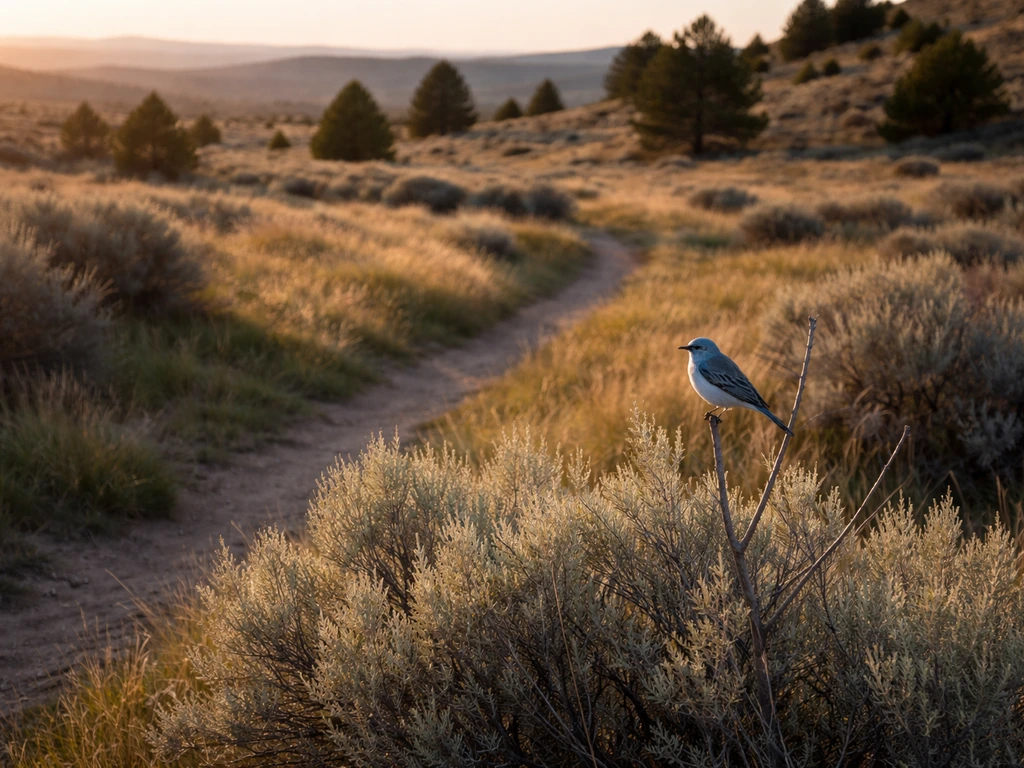
The core reason is fit. The mountain bluebird isn't a bird that just passes through Idaho. It breeds across the state's most distinctive and expansive habitats: sagebrush-steppe valleys, high desert juniper and mahogany country, mountain meadows, and open ridges. Idaho has a lot of that terrain, and the mountain bluebird is woven into it.
Its foraging behavior also makes it conspicuous, which matters for a bird that's supposed to represent a state. Mountain bluebirds hunt by hovering over open fields and dropping to the ground when they spot prey, or by perching on shrubs and tall grasses before pouncing. That low-hovering style, almost like a small kestrel, is distinctive and visible. You don't need binoculars to notice it. For people working the land or spending time in Idaho's open country in the early 20th century, this would have been a very familiar bird.
There's also a symbolic dimension that shows up in how states frame bluebird selections generally. Bluebirds carry long-standing associations with happiness and positive symbolism in American culture. Missouri cited similar reasoning when it designated the eastern bluebird as its state bird in 1927, a few years before Idaho acted. Idaho's legislature didn't leave an elaborate record of its reasoning the way some later state-bird designations did, but the combination of the bird's genuine presence statewide and its cultural resonance made it a natural fit.
How and When It Became Official
The Idaho legislature approved the state bird act on February 28, 1931. The session law text, preserved by the Idaho State Historical Society, reads: 'Approved February 28, 1931. STATE BIRD… That the Mountain Bluebird… is hereby designated and declared to be the state bird of the State of Idaho.' The statute is recorded in Idaho Code § 67-4501, with the legislative history tracing back to 1931, chapter 64, section 1, page 113. A 2015 amendment (chapter 244, section 56) touched the code but did not change the state bird designation itself.
That 1931 date puts Idaho in an early wave of state-bird designations. Many states were formalizing their official symbols during the 1920s and 1930s, often driven by women's clubs, conservation groups, and schoolchildren's campaigns. Idaho moved quickly and cleanly, and the choice has remained uncontested for nearly a century.
Where to Find Mountain Bluebirds in Idaho
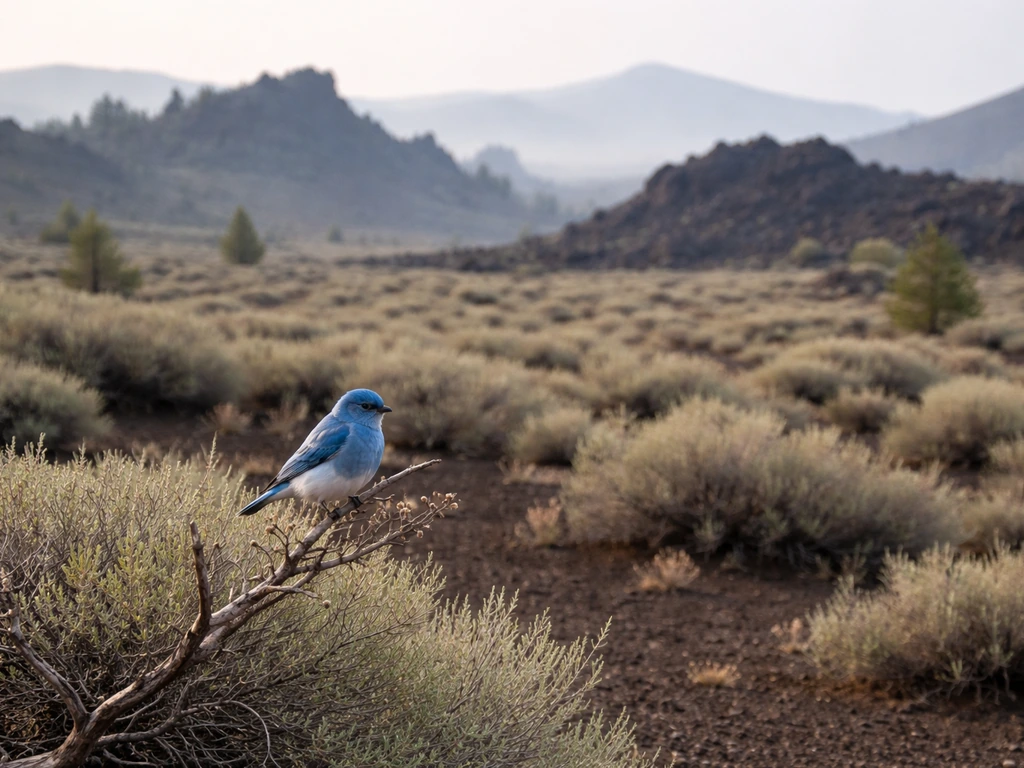
If you want to see Idaho's state bird in person, you have a lot of options. The species is present across the state and is well represented at Craters of the Moon National Monument and Preserve, where it's described as common throughout the northern portions of the monument from March through October. That's a reliable, accessible spot with good open habitat.
More broadly, look in any open area with scattered trees or shrubs: grasslands, sagebrush flats, open woodlands, pastures, and mountain meadows all fit the bill. Mountain bluebirds are secondary cavity nesters, meaning they use holes in trees or rocky outcrops rather than building open-cup nests. They readily accept nest boxes, which Idaho Fish and Game has actively promoted to offset habitat loss from clearing of trees with natural cavities. Driving rural roads in spring and early summer, you'll often spot them perched on fence posts or hovering low over fields.
- Visit Craters of the Moon National Monument from March through October for reliable sightings in open, rocky terrain.
- Scan fence posts, power lines, and shrub tops along rural roads in open country. Mountain bluebirds perch prominently.
- Watch for the hover-and-drop foraging move over grassy or brushy fields. It's a distinctive behavior that helps confirm the ID.
- Check nest boxes in open habitat, especially in areas where Idaho Fish and Game has installed bluebird boxes.
- Use eBird to find recent reported sightings near your location before heading out. The platform shows where the species is most actively being observed across Idaho in real time.
- Listen for the soft, two-noted slur song in open meadows and sagebrush areas. It's subtle but distinctive once you know it.
How Idaho's Choice Fits the Bigger Picture
Idaho is one of a small number of states that designated a bluebird as its official bird, and it's the only state to claim the mountain bluebird specifically. Other states in the bluebird group went with the eastern bluebird: New York and Missouri are two examples. That regional split makes sense given geography. Eastern bluebirds dominate the eastern half of the country, while mountain bluebirds are a western species tied to the Rocky Mountains, the Great Basin, and the High Plains. Idaho sits squarely in that mountain bluebird range.
It's worth noting that Nevada also designates the mountain bluebird as its state bird, making it one of the relatively rare cases where two states share the same official bird. That overlap reflects how naturally the species fits the broader Intermountain West landscape that Idaho and Nevada share. If you're curious how other western states handled their selections, Utah's state bird choice offers another interesting comparison from the same region.
You might be wondering about the same topic in Utah, where the state bird is often discussed alongside how and why each state made its selection Utah's state bird choice. If you want a quick answer to what the Utah state bird is, look for Utah's official bird designation in state symbol lists Utah's state bird choice.
| State | State Bird | Year Designated |
|---|---|---|
| Idaho | Mountain Bluebird (Sialia currucoides) | 1931 |
| Nevada | Mountain Bluebird (Sialia currucoides) | 1967 |
| Missouri | Eastern Bluebird (Sialia sialis) | 1927 |
| New York | Eastern Bluebird (Sialia sialis) | 1970 |
Idaho's 1931 designation was early, and the bird it chose genuinely belongs to the state's landscape in a way that stands up to scrutiny. The mountain bluebird isn't a symbolic stretch or a politically convenient pick. It's a bird that breeds in Idaho's most iconic open habitats, is visible to anyone spending time outdoors, and has real ecological ties to the state's sagebrush and mountain terrain. That combination of visibility, authenticity, and longevity is what makes the designation hold up nearly 95 years later. The name comes from how the mascot connects to the school’s chosen imagery, including the meaning behind the bird reference why is Iowa State mascot a bird.
FAQ
When is the best time of year to see a mountain bluebird in Idaho?
The easiest window is spring through early fall. In places like Craters of the Moon, it’s commonly reported from about March through October. If you are driving rural roads, mornings and early evenings in that period tend to produce more sightings because birds are actively foraging and using perches.
If I see a bluebird in Idaho, how can I tell if it is the mountain bluebird versus a different species?
Use both plumage and location. Males are the most reliable, with a sky-blue body and a key point of no orange or rust on the chest. Also consider elevation, if you are above roughly 5,000 feet in Idaho and it looks like a true bluebird, it is very likely the mountain bluebird rather than the western bluebird.
Do mountain bluebirds depend on nest boxes in Idaho?
Nest boxes are not the only option, but they can make a big difference. Mountain bluebirds are secondary cavity nesters, so they rely on existing holes in trees or rocky outcrops. When cavities are limited, nest boxes increase nesting opportunities, which is why wildlife agencies have promoted them.
Where in Idaho should I look if I want a higher chance of spotting the state bird?
Prioritize open ground with scattered trees or shrubs, such as sagebrush flats, open woodlands, pasture edges, grasslands, and mountain meadows. Mountain bluebirds often perch where they can see prey, so look for fence posts, low shrubs, and roadside or field edges rather than dense forest interior.
What behavior should I expect if I am watching the bird hunt?
Watch for hovering over open areas followed by a drop to the ground, or for perching on a shrub or tall grass then pouncing when prey is spotted. That low, quick hunting style is part of why the birds are conspicuous and easy to recognize in open Idaho terrain.
Why do some people confuse mountain bluebirds with other “bluebird” species in the state?
People often focus only on the overall blue color and miss the throat and chest cues. Eastern bluebird has a distinctly orange throat and breast, while the male mountain bluebird lacks orange or rust on the chest. If you are unsure, rely on that contrast first, then confirm with the elevation and habitat setting.
Is Idaho’s state bird designation ever changed or reconsidered?
The official designation comes from Idaho Code and is not merely a seasonal campaign. While the Idaho Code text can be amended over time, the state bird itself has remained the mountain bluebird since the 1931 legislative approval, so practical changes would require a new law.
Does “state bird” mean Idaho is required to protect mountain bluebirds?
Not automatically in the way a single law might, but it does elevate the species in education and conservation messaging. In practice, protections and management still depend on habitat and wildlife regulations and on agency programs, such as habitat awareness and nest-box support in areas where natural cavities have declined.
Can the mountain bluebird be seen at higher elevations year-round?
Not typically. In cold months, conditions and food availability can change, and sightings become less predictable. If you are planning a trip for birding, plan around the more reliable March through October period that has been reported in common open habitats.
Why do two different states choose the mountain bluebird, does it indicate a shared landscape?
Yes. When multiple states share the same official bird, it usually reflects that the species fits both states ecologically. The mountain bluebird is naturally tied to Intermountain West habitats, which is why you see the overlap between Idaho and Nevada’s official symbol choice.
Next Article
Why Is the Seagull Utah’s State Bird? The Real Species
Explains why Utah’s state bird is the California gull, not any seagull, with identification tips and historical reasons.