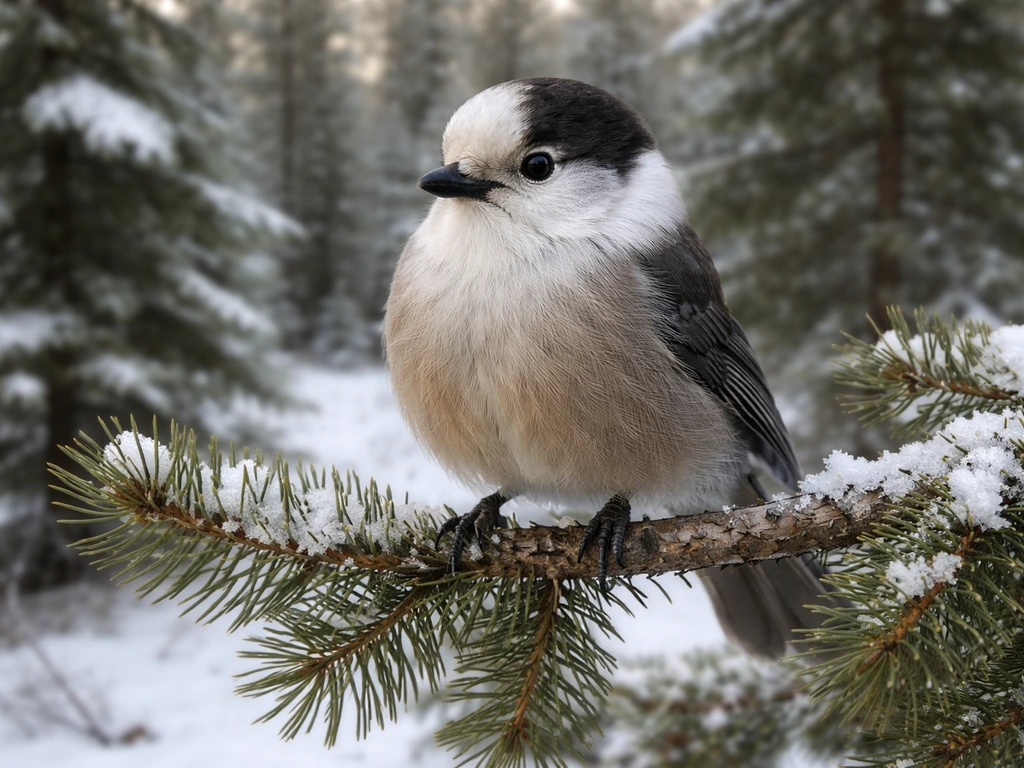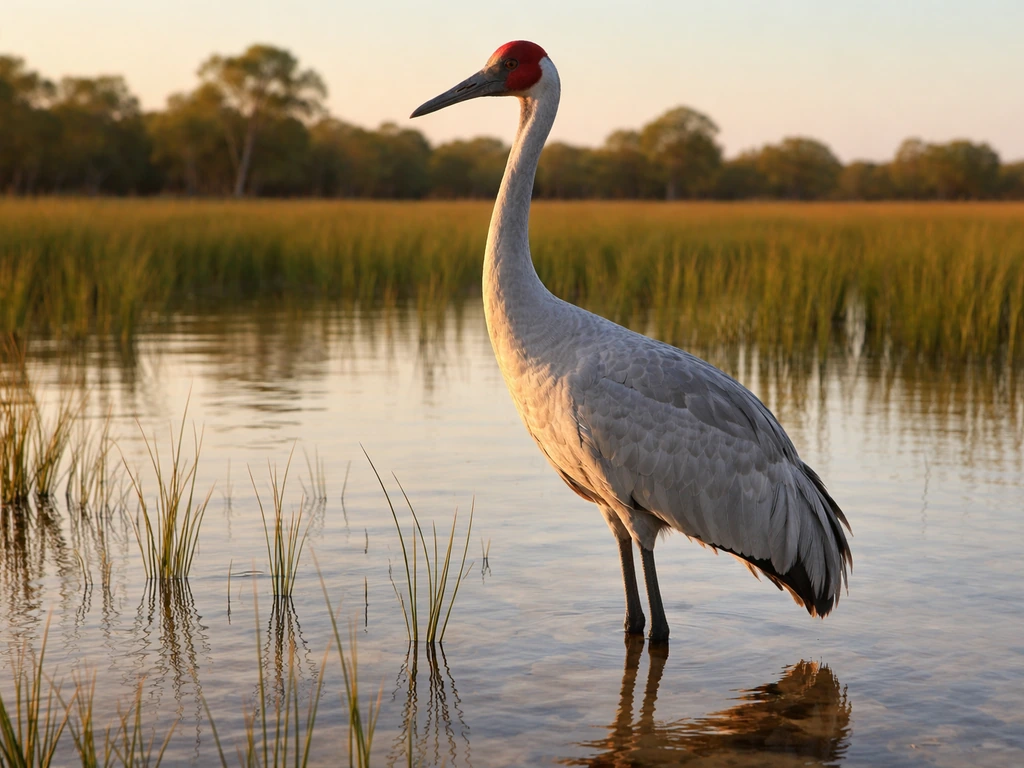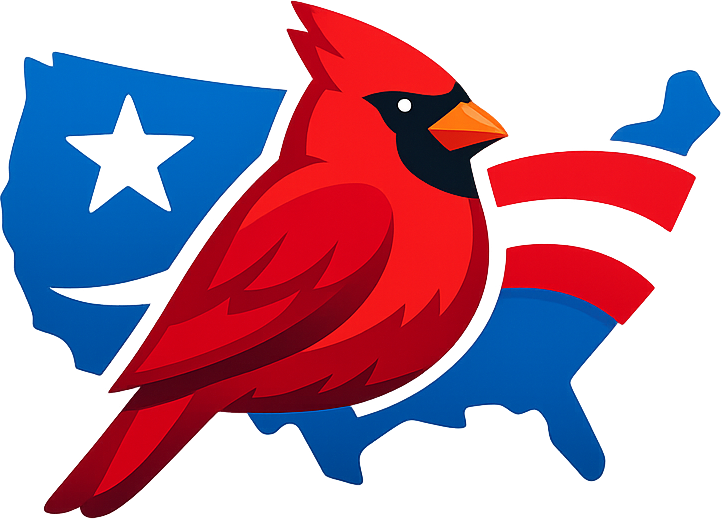
There is no U.S. state named Victoria. If you landed here searching for the state bird of Victoria, you were most likely thinking of Vermont or Virginia. Vermont's official state bird is the Hermit Thrush (Catharus guttatus), adopted in 1941. Virginia's official state bird is the Northern Cardinal (Cardinalis cardinalis), codified in Code of Virginia § 1-510. If you meant the Australian state of Victoria, that answer is different: Victoria's official state bird emblem is the Helmeted Honeyeater. This guide covers all three so you can quickly find the right answer.
What Is the State Bird of Victoria? Official Answer

Marcus Webb
9 Jun 2026
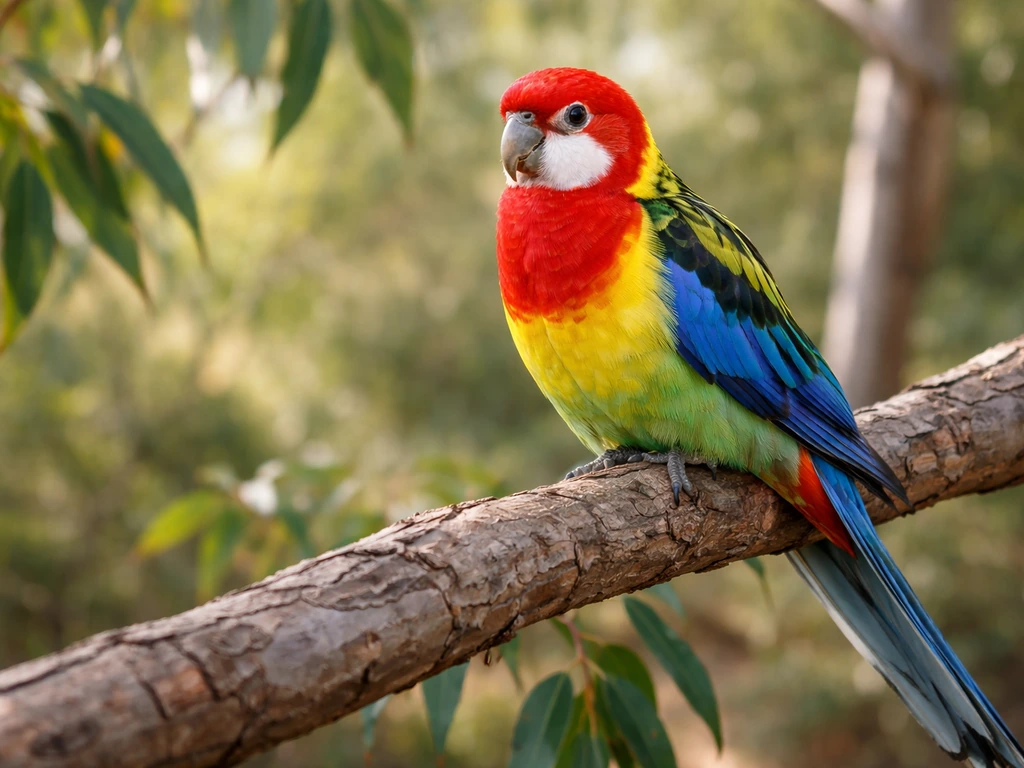
Victoria is not a U.S. state, here's the disambiguation
"Victoria" is a common name in Australia (it's one of the country's most populated states), but it does not correspond to any of the 50 U.S. states. In the United States, "Victoria" refers to cities and communities, not a state. The two U.S. states whose names are most commonly confused with Victoria in search queries are Vermont and Virginia. Both start with "V," both have legally codified state birds, and both are worth covering here so you can confirm which one you actually needed.
Vermont's state bird: the Hermit Thrush
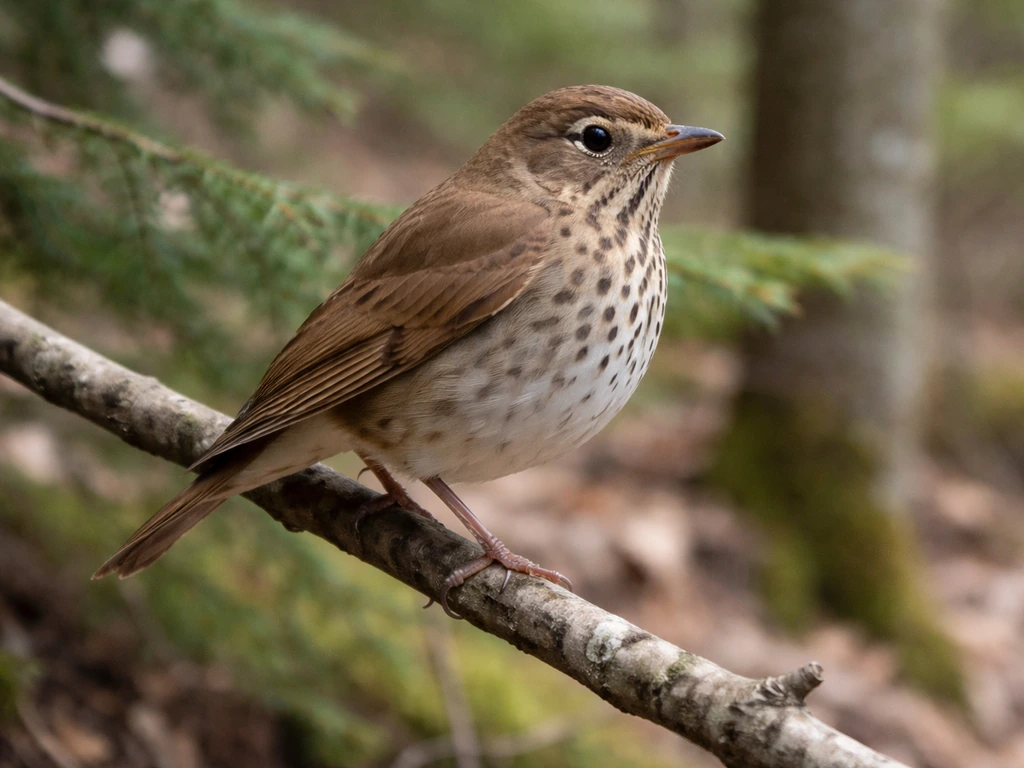
Vermont's state bird is the Hermit Thrush, officially declared in 1941 and codified in 1 V.S.A. § 497, which reads simply: "The State Bird shall be the hermit thrush." It's one of the quieter, less flashy state bird choices in the country, which is honestly part of the appeal.
Identifying the Hermit Thrush
The Hermit Thrush (Catharus guttatus) is a medium-sized songbird, brownish overall with a spotted breast and a distinctively rusty-red tail that it raises and slowly lowers, a behavior that's almost diagnostic in the field. Its song is one of the most celebrated in North American birding: a haunting, flute-like series of phrases that echo through forest clearings. If you hear a spiraling, ethereal melody in a Vermont woodland, that's almost certainly your bird.
Where to find it in Vermont
Vermont Fish & Wildlife describes its habitat as forest interiors with openings nearby, such as ponds or meadows. In Vermont, the Hermit Thrush is present from April through October across all 14 counties, then departs by mid-October. It breeds in the state's extensive coniferous and mixed forests, making it a genuinely fitting symbol for a heavily forested state.
Why Vermont chose the Hermit Thrush
Vermont adopted the Hermit Thrush in 1941 as a deliberate nod to a bird that is native to the state and breeds there, rather than a year-round resident that winters elsewhere. The choice reflected a preference for a bird with a genuine, deep connection to Vermont's landscape and seasons. Its extraordinary song also carries cultural weight: poets and naturalists have praised it for generations, and Walt Whitman famously referenced it in "When Lilacs Last in the Dooryard Bloom'd." Vermont's selection was about authenticity and natural heritage, not just visual appeal.
Virginia's state bird: the Northern Cardinal
Virginia's state bird is the Northern Cardinal, officially designated under Code of Virginia § 1-510 as "Bird, Northern Cardinal (Cardinalis cardinalis)." This is one of the most recognizable state bird choices in the country, and Virginia's adoption of it predates several other states that followed suit.
Identifying the Northern Cardinal
The Northern Cardinal is hard to mistake. Adult males are brilliant red with a prominent crest and a heavy orange-red bill, surrounded by a black mask that extends from the face down to the throat. Females are buff-brown with reddish tinges on the crest, wings, and tail. Cornell Lab's All About Birds highlights the heavy bill and prominent crest as the key structural ID features. The Cardinal's song is a series of loud, clear whistles, often described as a "cheer-cheer-cheer" or "birdy-birdy-birdy" pattern.
Where to find it in Virginia
The Northern Cardinal is a non-migratory, year-round resident across virtually all of Virginia and the eastern United States. According to Audubon's field guide, it favors woodland edges, thickets, suburban gardens, and towns, especially areas with dense shrubs for nesting. If you're in Virginia, you'll likely spot one at a backyard feeder or hedgerow any month of the year. That ubiquity and year-round presence is a big part of why it resonates as a state symbol.
Why Virginia chose the Northern Cardinal
Virginia's legislative record, including the original House Resolution language, specifically cited the Cardinal's "bright plumage and cheerful song" as central reasons for the designation. The bird is also deeply embedded in Virginia's identity: it's common statewide, beloved by residents across urban and rural settings alike, and its vivid red color gives it symbolic visual impact. The combination of beauty, song, and year-round presence made it an easy and popular choice.
How to confirm you have the right bird at a glance
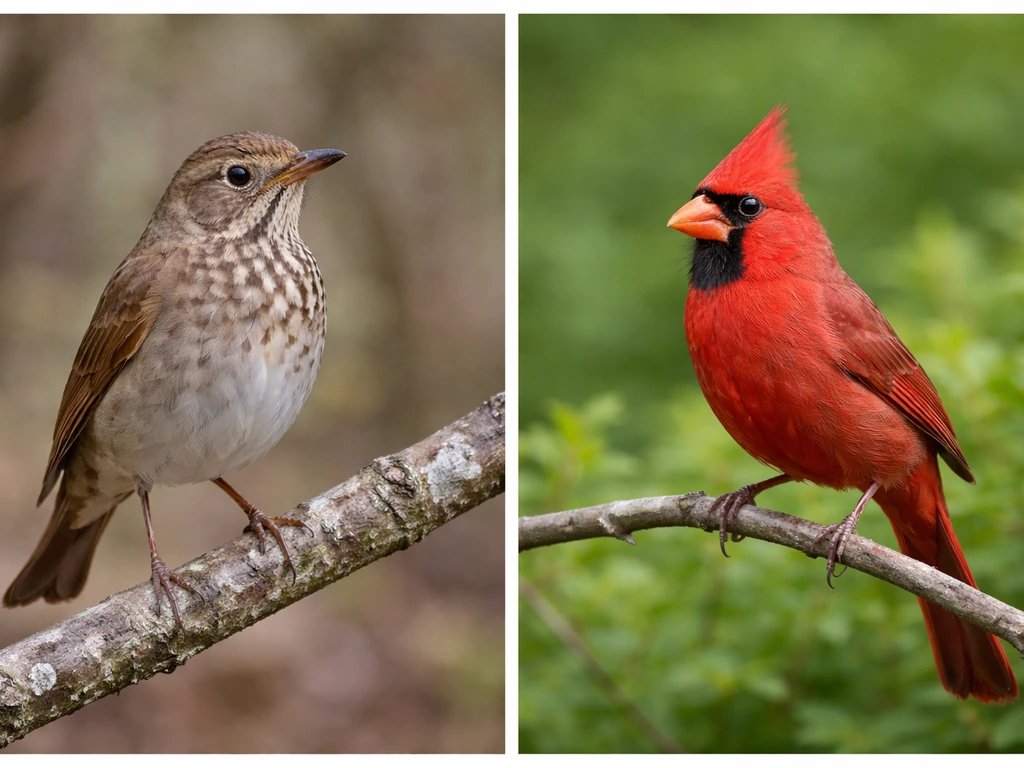
| Feature | Hermit Thrush (Vermont) | Northern Cardinal (Virginia) |
|---|---|---|
| Scientific name | Catharus guttatus | Cardinalis cardinalis |
| Size | Robin-sized, compact | Robin-sized, stocky |
| Key visual trait | Rusty tail, spotted breast | Bright red (male), prominent crest |
| Bill shape | Slender, pointed | Heavy, cone-shaped |
| Song | Flute-like, spiraling phrases | Loud, clear whistled notes |
| Season in state | April through October (migratory) | Year-round resident |
| Typical habitat | Forest interiors near openings | Woodland edges, gardens, thickets |
| Adopted as state bird | 1941 | Codified in Code of Virginia § 1-510 |
Other states that share the same bird
The Hermit Thrush is a relatively unique state bird choice. Vermont is the only U.S. state to have designated it as an official state bird, which gives Vermont a distinctive identity in the state-bird world.
The Northern Cardinal, on the other hand, is one of the most shared state birds in the country. Seven states in total have named it their official state bird: Virginia, Illinois, Indiana, Kentucky, North Carolina, Ohio, and West Virginia. That's a significant cluster of eastern and midwestern states, which tracks with the Cardinal's natural range and its broad popularity as a backyard bird across that region. If you're trying to identify your state's bird and you see "Northern Cardinal" on the list, there's a good chance you're in one of those seven states.
What about the actual state of Victoria (Australia)?
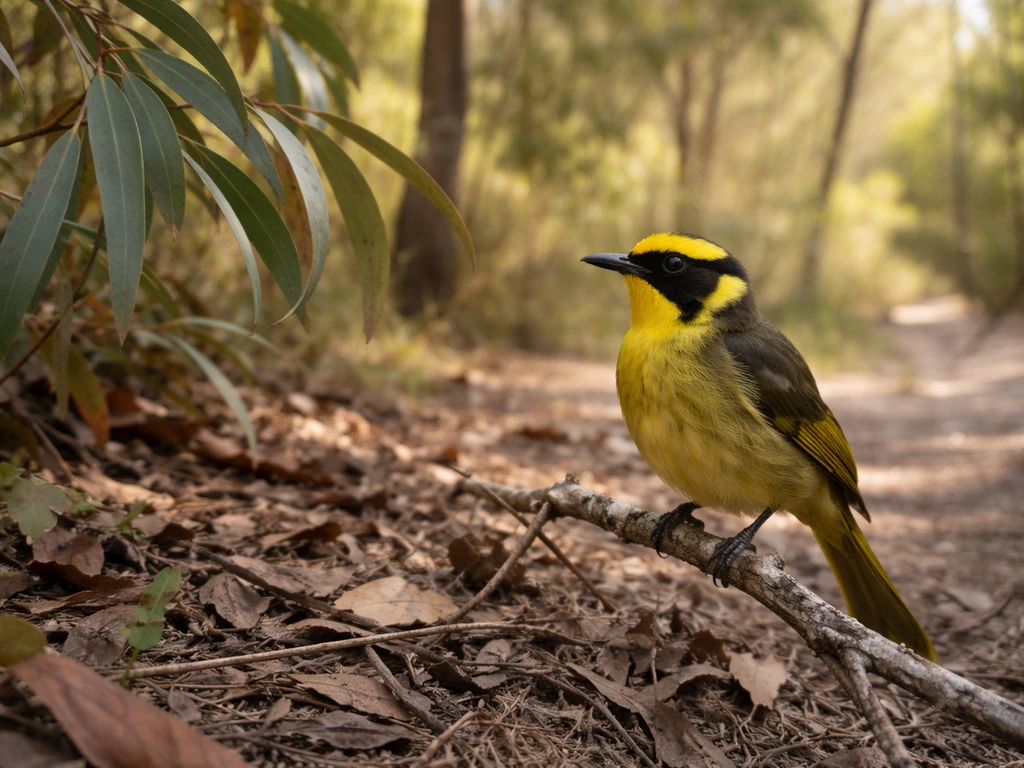
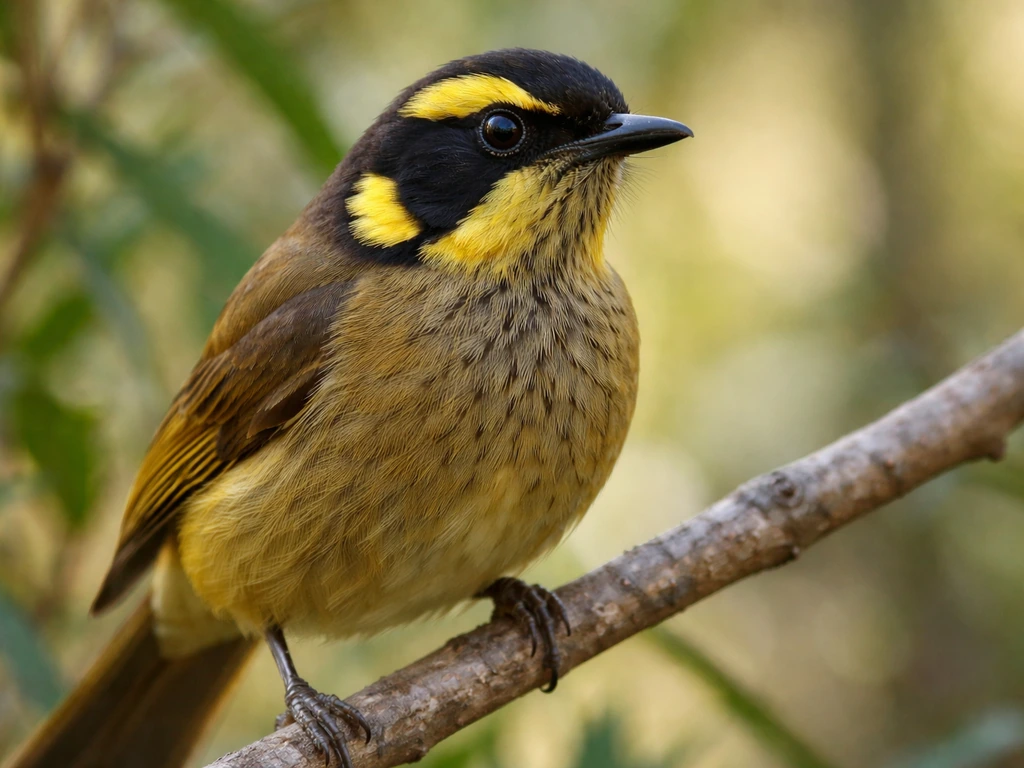
If you genuinely were looking for the Australian state of Victoria, its official state bird emblem is the Helmeted Honeyeater (Lichenostomus melanops cassidix), a critically endangered subspecies of the Yellow-tufted Honeyeater. For example, the state bird of Queensland is the Australian Magpie. It's a striking bird with a golden-yellow crest and bright plumage, found only in a small area of Victoria's Yarra Valley. It's worth noting that Australian states use the term "state bird emblem" rather than "state bird," but the concept is the same. This site focuses specifically on U.S. state birds, so for deeper detail on Australian state emblems, you'd want to check the Victoria state government resources directly.
Exploring more state birds on this site
Now that you have the right answer for Vermont or Virginia, it's easy to keep exploring. This site has individual pages for every U.S. state's official bird, each covering identification traits, the history behind the choice, and comparative notes on which states share the same species. If you were curious about other states in the mid-Atlantic or New England regions, Vermont and Virginia are both covered in full detail.
If you're interested in how other jurisdictions outside the U. S. handle official bird designations, Canadian provinces follow a similar tradition with their own provincial birds. To get the exact species, look up what is Manitoba's provincial bird. Quebec, Newfoundland and Labrador, Manitoba, and Alberta each have a designated provincial bird, and those make for interesting comparisons to their American counterparts.
If you meant Newfoundland and Labrador instead of a U. S. state or Australia’s Victoria, see what is the provincial bird of newfoundland and labrador for the next related answer. Alberta's provincial bird is the Western Meadowlark.
If you're looking for Manitoba's provincial bird, the dedicated page for Manitoba will point you to the specific species right away. Quebec’s provincial bird is the Great Gray Owl. The patterns of bird symbolism across North America reveal a lot about regional ecology and cultural identity.
The quickest path forward on this site is to search or browse by state name. Every page is built around the same lookup-first format: direct answer at the top, identification details, the story behind the choice, and comparative context. Whether you need a quick answer for a trivia night or you're building a deeper knowledge of American ornithology and state symbols, the reference library here is designed to make that easy.
FAQ
Why do I keep seeing “Victoria” results when I search for a U.S. state bird?
In the U.S., there is no “state bird of Victoria” because Victoria is not one of the 50 states. The closest common search results are Vermont (Hermit Thrush) and Virginia (Northern Cardinal), so confirming whether you meant a U.S. state name or Australia’s Victoria is the key first step.
How can I tell whether a “Victoria” bird result is Australia or the U.S.?
If you are looking at a list of “state birds” and you see the Helmeted Honeyeater, that is an Australian state emblem for Victoria, not a U.S. state bird. Australian jurisdictions often label it “state bird emblem,” which can be confusing if you are expecting U.S. terminology.
If I mix up Vermont and Virginia, what’s the correct state bird for each?
For the U.S. states that match the common confusion, Vermont and Virginia both have codified state birds, but they are different species. Vermont’s is the Hermit Thrush, Virginia’s is the Northern Cardinal, so you cannot substitute one for the other even though both are “V” states.
What if I never see the bird that a “Victoria” page says is the state emblem?
Helmeted Honeyeater is listed as Victoria’s emblem and is a critically endangered subspecies, which means it is not likely to be encountered like a common backyard bird. If your real-world sightings don’t match a “state bird,” the issue is often that you are looking at the wrong jurisdiction or expecting a rare species to be local and frequent.
What should I verify before using a state-bird answer for trivia or a school project?
When confirming a state bird, prioritize the official species name and whether the designation is a “state bird” (U.S.) versus a “state bird emblem” (Australia). Using the wrong category can lead to mixing up Vermont or Virginia with Australia’s Victoria.
What search phrase will get me the right “Victoria” answer fastest?
If you want the quickest correct answer for your exact target, search by the full phrase you meant, for example “state bird of Vermont,” “state bird of Virginia,” or “Victoria state bird emblem Australia.” That removes ambiguity caused by “Victoria” being used in multiple countries and contexts.