The state bird of Maharashtra is the Yellow-footed Green Pigeon, known locally as Hariyal (or Haroli) in Marathi. Wikipedia’s list of Indian state birds also records the blank" rel="noopener noreferrer">Yellow-footed Green Pigeon as Maharashtra’s state bird. The state bird of Sikkim is the Red-billed Blue Magpie. Its scientific name is Treron phoenicopterus. This bird has held the state bird designation officially, and in 2011 the Maharashtra State Wildlife Board confirmed it would remain the state bird after a proposal to replace it with the Forest Owlet was considered and ultimately rejected.
Which Is the State Bird of Maharashtra? Key Facts

Marcus Webb
12 Jun 2026
Wait, is Maharashtra a U.S. state?
It is not. Maharashtra is one of India's largest states, home to Mumbai, and it has its own set of official state symbols just as U.S. states do. This site is primarily a reference for the official state birds of all 50 U.S. states, so Maharashtra does not appear in the main U.S. listings here. That said, the question comes up often enough, and the answer is clear and verifiable, so it is worth covering directly. You can find the state bird of Rajasthan by looking at Rajasthan’s official state symbol listings, which name the designated bird for the state. If you are looking for a U.S. state bird, every American state has its own designated bird chosen through state legislature, and those are covered in detail across this site. For Maharashtra specifically, the answer comes from Indian state symbol designations, not U.S. legislative records.
How to identify the Yellow-footed Green Pigeon
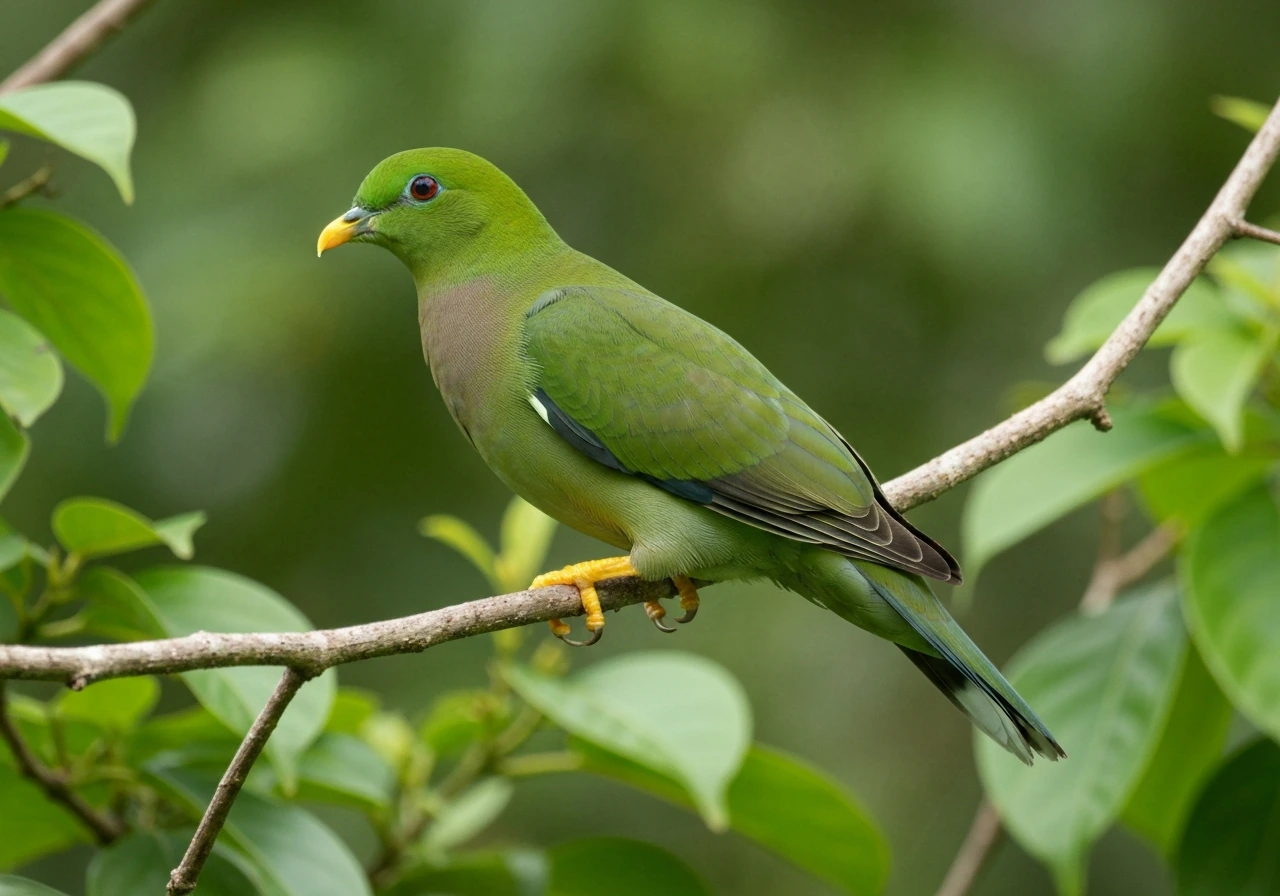
If you want to confirm a sighting, the Yellow-footed Green Pigeon is not difficult to pick out once you know what to look for. The most obvious field mark is right in the name: the feet and legs are a vivid yellow, which stands out sharply against the bird's olive-green body plumage. The overall build is that of a sturdy, medium-sized pigeon, entirely green on the body with no dramatic streaking or barring.
In the field, listen for a mellow, whistling call, sometimes rendered as a soft 'kwa-kow' type phrase. The bird is most reliably found in and around fruiting trees, especially banyan and other Ficus species, since it is a frugivore that feeds heavily on soft fruit. Banyan trees at the edge of forests or even in older urban parks and gardens are a reliable spot to look. The birds often sun themselves on exposed branches at the tops of dense trees in the early morning, which makes them visible despite the camouflaging green plumage.
- Olive-green body plumage, no bold streaking
- Bright yellow feet and legs (the definitive field mark)
- Medium pigeon build, similar in size to a feral pigeon
- Mellow, whistling call
- Strongly associated with fruiting fig and banyan trees
- Range covers much of South Asia including India, Nepal, Sri Lanka, Pakistan, Bangladesh, and Bhutan
Why Maharashtra chose this bird
The Hariyal is deeply woven into Maharashtra's cultural fabric. The bird features in Marathi folk songs and poetry, making it a recognizable symbol well beyond just the birding community. Unlike many state bird choices that are tied primarily to rarity or conservation status, the Yellow-footed Green Pigeon was embraced partly because it is genuinely familiar to people across Maharashtra, from forested rural areas to cities with old trees.
The 2011 State Wildlife Board episode is worth knowing about. The Bombay Natural History Society (BNHS) put forward a proposal to switch the state bird to the Forest Owlet, a critically rare species that many felt deserved the spotlight to boost conservation awareness. Experts were divided, with some arguing the Forest Owlet's rarity would give it more symbolic power, while others felt that switching away from the beloved and recognizable Hariyal made little practical sense. The State Wildlife Board ultimately decided the Yellow-footed Green Pigeon would remain the state bird, keeping continuity with the cultural and ecological identity already associated with the species.
Comparing with other Indian state birds and where to look next
India's state bird system mirrors the U.S. model in interesting ways. Each state designates its own bird, and the choices often reflect a mix of ecological presence, cultural significance, and conservation priorities. If you are also checking Arunachal Pradesh, the state bird question for that region is answered on this page as well. The Yellow-footed Green Pigeon is fairly distinctive in that not many other Indian states use it as their symbol, which makes Maharashtra's choice stand out in a list context. Other Indian states have gone for more immediately dramatic birds: Odisha chose the Indian Roller, Rajasthan designated the Great Indian Bustard (a critically endangered species), and Uttarakhand went with the Himalayan Monal. You can find the state bird of Odisha by looking up its official state symbol designation. Punjab's state bird, the Northern Goshawk (or Black Francolin depending on the source consulted), reflects that state's very different ecology. If you are comparing Maharashtra with other Indian states, Punjab's state bird is the Northern Goshawk.
If you want to cross-reference Maharashtra's designation or verify the information independently, a few approaches work well. The blank" rel="noopener noreferrer">Yellow-footed green pigeon is commonly reported in English as the “Yellow-footed green pigeon” and in Marathi as “Hariyal” or “Haroli”. District portals on the Government of Maharashtra's official NIC domain (nic.in) reference the Hariyal as the state bird in nature and national park content. The Wikipedia list of Indian state birds provides a consolidated table with binomial names, which you can cross-check against species databases. If you are also curious about India's other state symbols, you can check what the state bird of Jharkhand is as well. For the bird itself, ornithological databases that carry audio recordings under the name 'Yellow-footed Green-Pigeon Treron phoenicopterus' let you confirm the call. Searching for 'Maharashtra state bird Hariyal yellow-footed green pigeon site:nic.in' will get you directly to government-sourced confirmation.
| Indian State | State Bird | Scientific Name |
|---|---|---|
| Maharashtra | Yellow-footed Green Pigeon (Hariyal) | Treron phoenicopterus |
| Rajasthan | Great Indian Bustard | Ardeotis nigriceps |
| Odisha | Indian Roller | Coracias benghalensis |
| Uttarakhand | Himalayan Monal | Lophophorus impejanus |
| Assam | White-winged Wood Duck | Asarcornis scutulata |
| Sikkim | Blood Pheasant | Ithaginis cruentus |
| Arunachal Pradesh | Great Hornbill | Buceros bicornis |
| Jharkhand | Asian Koel | Eudynamys scolopaceus |
| Punjab | Northern Goshawk | Accipiter gentilis |
For U.S. For the state bird of Assam, the designated species is the help needed to verify your answer in the same way. state bird lookups, every American state has its own page on this site with identification details, historical context, and designation reasons. The structure is the same: a named species, a story behind the choice, and field marks to confirm a sighting. Exploring how U.S. and Indian states approach these designations side by side is genuinely interesting, and the patterns of what birds get chosen, and why, are more similar across the two countries than you might expect.
FAQ
Is the state bird of Maharashtra definitely the Yellow-footed Green Pigeon, or are there competing birds people mix up with it?
It is the Yellow-footed Green Pigeon (Hariyal/Haroli). The main point of confusion comes from past discussion about replacing it with the Forest Owlet, but the 2011 confirmation kept the Hariyal as the official state bird.
What is the scientific name I should use to verify Maharashtra’s state bird in bird databases?
Use Treron phoenicopterus. This scientific name is the most reliable way to confirm you are looking at the correct species across field guides, checklists, and audio libraries.
How can I confirm a sighting if the bird’s green camouflage makes it hard to see details?
Focus on the legs and feet, they are vivid yellow, that is the standout field mark. Also, look for a medium-sized pigeon shape in the canopy of fruiting trees, especially banyan and other Ficus species.
When is the Yellow-footed Green Pigeon most likely to be visible?
Early morning is often best, the birds commonly sun themselves on exposed branches at the tops of dense trees. That behavior can make them easier to spot even when they blend with surrounding foliage.
What kind of sound should I listen for, and how reliable is it for identification?
Listen for a mellow whistling call that can sound like a soft “kwa-kow” type phrase. It is helpful, but for best confidence, combine the call with the yellow feet and the pigeon-like build.
Is it correct to search for Maharashtra’s state bird on U.S.-style listings?
No. Maharashtra’s state bird designation is from India’s state symbol system, not U.S. legislative records. If you land on U.S.-focused state-bird pages, Maharashtra is typically not listed there.
Where can I cross-check the designation using government or reference sources?
A practical approach is to search directly for Maharashtra state bird Hariyal yellow-footed green pigeon on government domains such as nic.in, and then cross-check the species name using consolidated lists that include scientific binomials.
Does the Yellow-footed Green Pigeon’s diet relate to why it is chosen as the state bird?
Yes, it is strongly frugivorous, so it is closely tied to fruiting trees like banyan and other Ficus. That familiarity with common fruiting habitats helps explain why the species is recognized by people across varied parts of Maharashtra.
If I’m traveling in Maharashtra, what habitats should I prioritize for better chances of seeing the bird?
Prioritize areas with large, older trees, especially banyan stands, and fruiting forests or edges. Older urban parks and gardens can also be productive if they have suitable big trees in a canopy-rich setting.
Could this bird be confused with other green pigeons, and what should I do to avoid misidentification?
Yes, green pigeons can look similar at a distance, so avoid relying on color alone. Confirm the vivid yellow legs and feet, then corroborate with behavior (canopy presence around fruiting trees) and the characteristic soft whistling call.
Next Articles
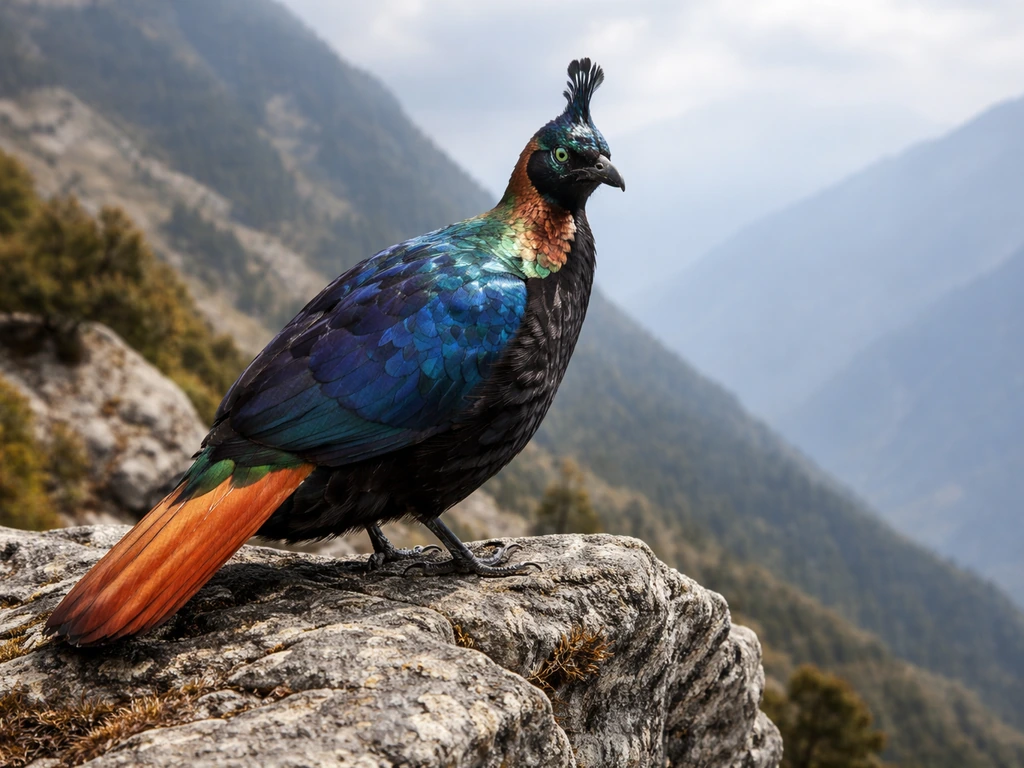
State Bird of Uttarakhand: Which Bird It Is
Uttarakhand’s state bird is the Himalayan monal. Learn key ID traits, habitat, and why it became the state symbol.
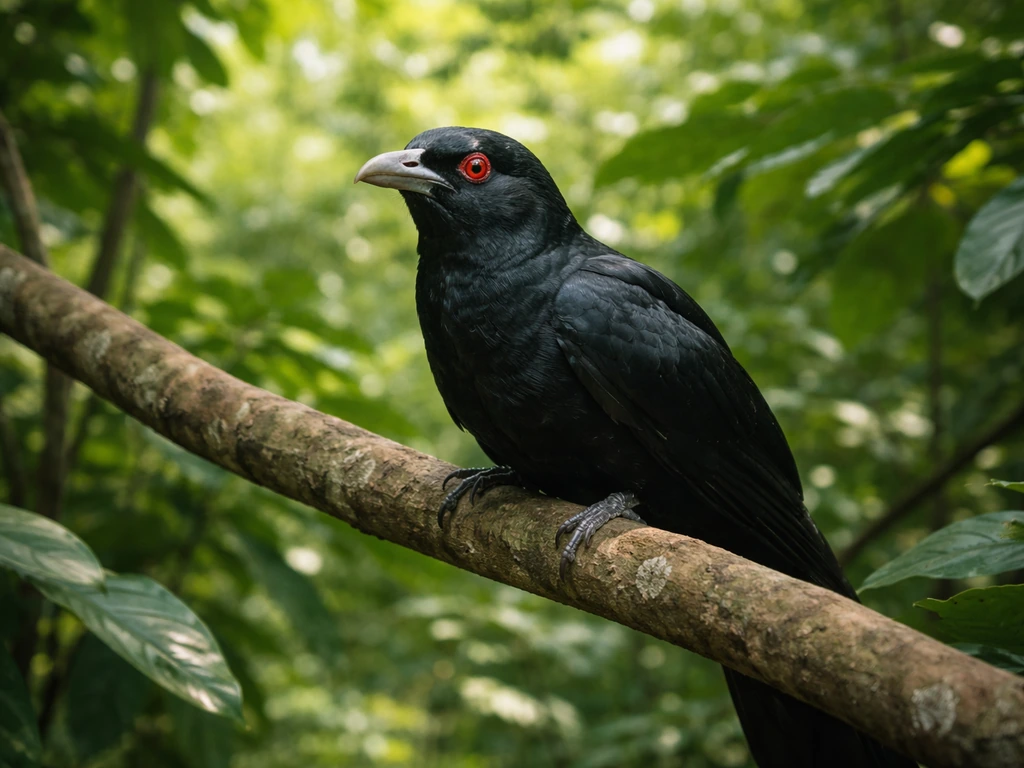
What Is the State Bird of Jharkhand? Answer and Details
What is Jharkhand state bird? Learn the bird’s name, key features, habitat, and why it was chosen.
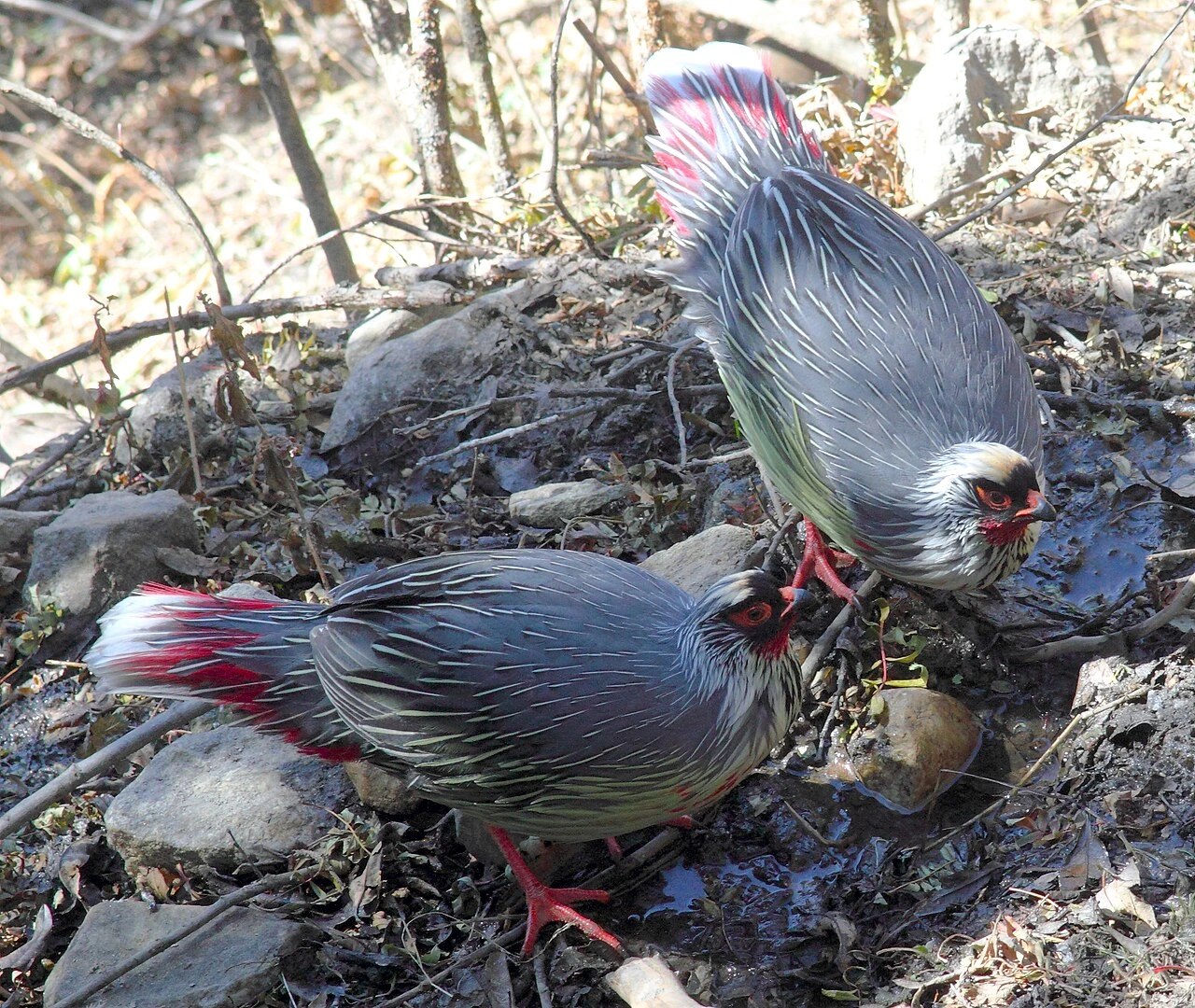
What Is the State Bird of Sikkim? Official Answer
Sikkim state bird is the Himalayan whistling thrush. Learn official designation, ID tips, symbolism, history, and simila