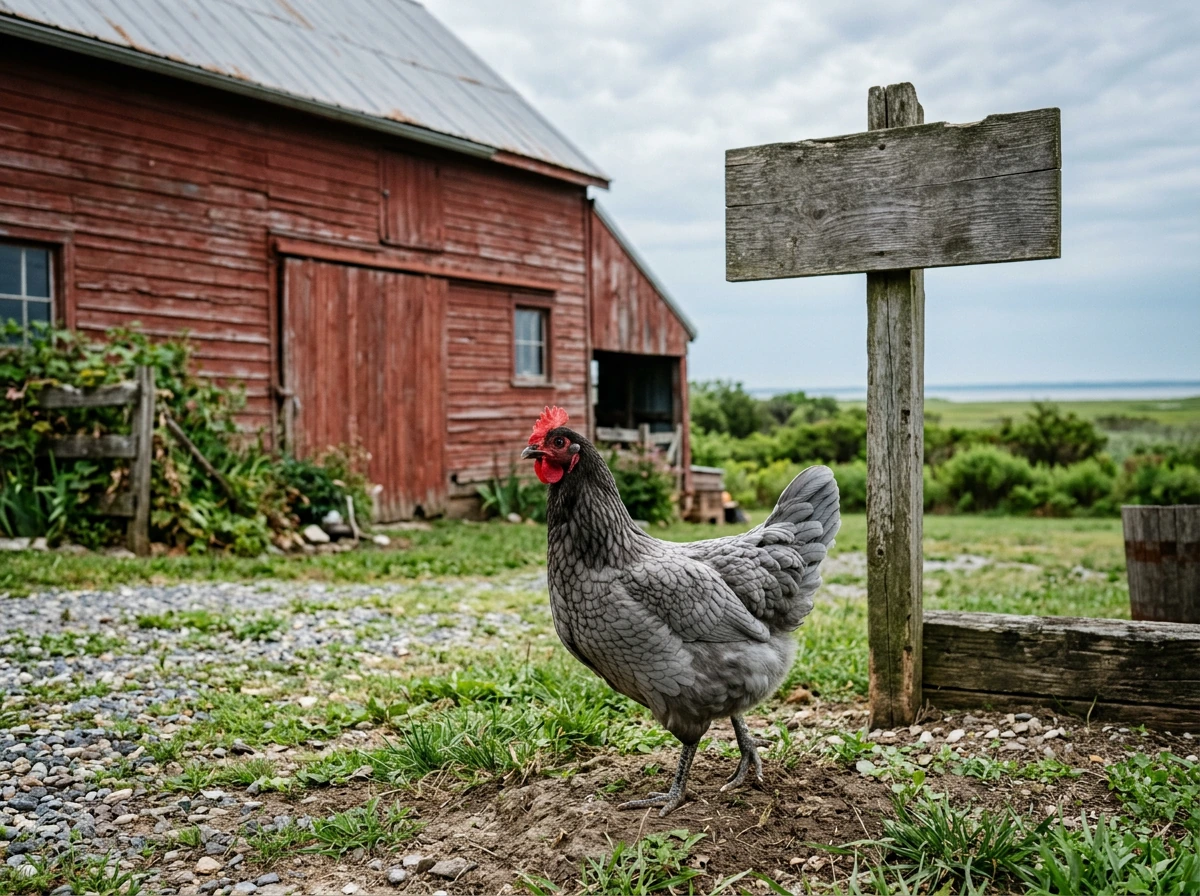
New Hampshire's official state bird is the Purple Finch (Haemorhous purpureus). It was designated by state statute on April 25, 1957, and the law is direct: "blank" rel="noopener noreferrer">The purple finch is hereby designated as the official state bird of New Hampshire." That designation has been on the books ever since, codified in New Hampshire Revised Statutes Section 3:10.
What Is the New Hampshire State Bird? Identification Guide

Marcus Webb
23 Mar 2026

What the Purple Finch looks and sounds like
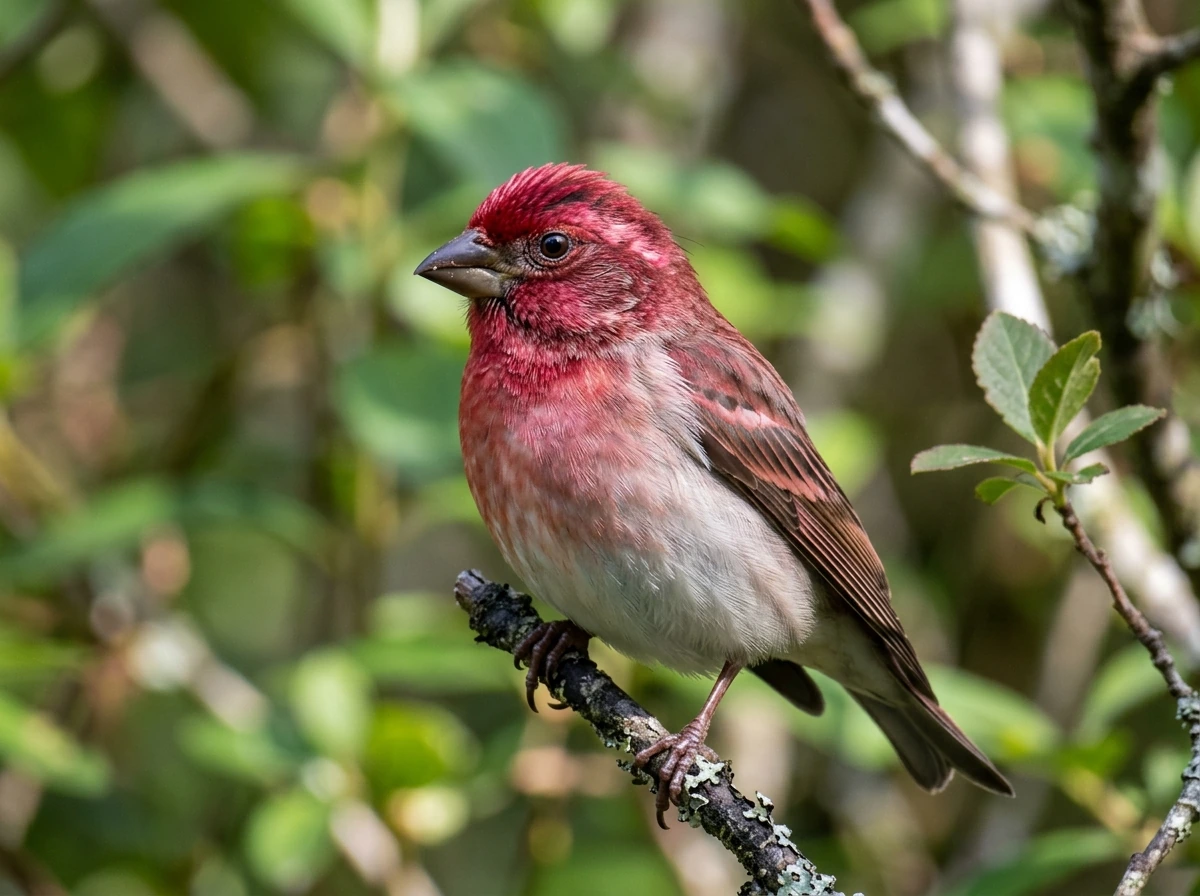
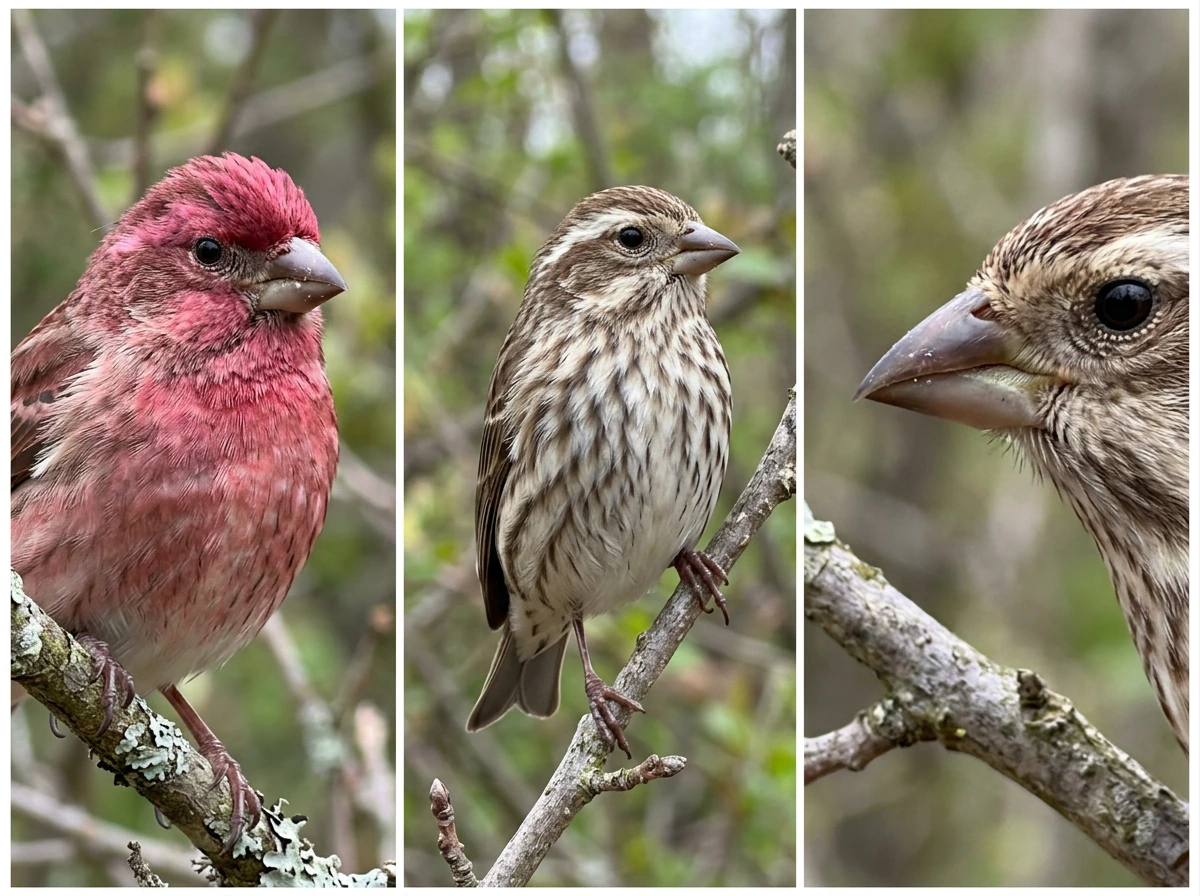
The Purple Finch is a medium-sized songbird in the finch family, and the first thing to know is that the name is a little misleading. The male is not truly purple; he has a deep raspberry-red wash over his head, breast, and back that looks almost like he was dipped in cranberry juice. His belly and wings are white to pale, and critically, he lacks brown streaking on his breast and belly. The female and immature birds look nothing like the male. They are brown and heavily streaked, almost sparrow-like, which trips up a lot of beginners.
For the song, think rich and slurred. The Purple Finch sings a fast, rolling warble that flows together smoothly rather than sounding choppy or mechanical. blank" rel="noopener noreferrer">For a quick field call, listen for a short, low "tek" note. That single-note call is one of the more reliable ways to pick this species out when you can't get a clear visual.
If you're trying to confirm you have a Purple Finch and not a House Finch (a very common mix-up), focus on three things: the Purple Finch has a more distinctly colored, almost rounded purple-red head, the tail has a noticeable fork when spread, and the breast and belly are clean without the brown streaking you'll see on a male House Finch. The call notes are also different, so getting familiar with the "tek" is genuinely useful.
Why New Hampshire picked the Purple Finch
The 1957 designation reflects a species that is genuinely at home in New Hampshire. The Purple Finch breeds throughout the state, though it is far more common in the northern and western regions where coniferous and mixed forests dominate the landscape. New Hampshire's terrain, heavily forested and anchored by the White Mountains, is exactly the kind of habitat this bird thrives in: moist coniferous and mixed woodland where it nests and forages.
Choosing a forest-dwelling songbird that naturally breeds across the state was a practical fit for a state whose identity is closely tied to its forests and rural character. The Purple Finch is not a showy exotic; it's a bird that New Hampshire residents actually encounter, particularly in the northern half of the state. That grounded, place-specific quality is consistent with how many states approach their bird designations.
Species facts that help confirm the right bird
| Feature | Detail |
|---|---|
| Scientific name | Haemorhous purpureus |
| Male plumage | Raspberry-red head, breast, and back; clean white belly with no brown streaking |
| Female plumage | Brown and heavily streaked; sparrow-like appearance |
| Song | Rich, fast, slurred warbling |
| Call note | Short, low "tek" |
| Tail shape | Forked (shorter and more forked than House Finch) |
| Habitat in NH | Coniferous and mixed forests; more common in northern and western NH |
| Peak migration timing | South in October and November; north again in April |
Knowing the seasonal timing helps if you're trying to find one in the field. Purple Finches are present year-round in New Hampshire but move noticeably. Peak fall migration runs through October and November, and the northward return happens around April. Outside of migration, your best bet for finding them is in denser forested areas, particularly conifers, rather than open suburban yards.
How it compares to other state birds
New Hampshire is the only U.S. state with the Purple Finch as its official bird. In a Reddit thread about Purple Finch versus House Finch identification in New Hampshire, commenters specifically mention the Purple Finch as New Hampshire’s state bird in the context of confirming which species they’re seeing. No other state has claimed it, which makes New Hampshire's designation unique in the national lineup. This is worth noting because many states share species: the Northern Cardinal, for example, is the state bird of seven different states, and the Western Meadowlark is claimed by six.
Among New Hampshire's neighbors, the bird choices vary. New York's state bird is the Eastern Bluebird, New York's state bird is the Eastern Bluebird, Pennsylvania chose the Ruffed Grouse, and New Jersey went with the Eastern Goldfinch (also called the American Goldfinch). Among New Hampshire's neighbors, the bird choices vary.
New York's state bird is the Eastern Bluebird, New York's state bird is the Eastern Bluebird, Pennsylvania chose the Ruffed Grouse, and New Jersey went with the Eastern Goldfinch (also called the American Goldfinch). Delaware's state bird is the Delaware Blue Hen (a domestic chicken variety rather than a wild species), making it one of the more unusual picks in the Northeast.
If you want to compare these choices side by side, the individual pages on this site for New York, Pennsylvania, New Jersey, and Delaware each walk through those designations in detail. is the Delaware Blue Hen (a domestic chicken variety rather than a wild species), making it one of the more unusual picks in the Northeast. Delaware’s state bird is the Blue Hen, a well-known symbol of the state.
If you want to compare these choices side by side, the individual pages on this site for New York, Pennsylvania, New Jersey, and Delaware each walk through those designations in detail.
The Purple Finch fits neatly into the broader pattern of northeastern states picking forest birds that match their landscape. It's a more understated choice compared to the bold red of the Cardinal or the flashy blue of the Bluebird, but it's arguably one of the more ecologically honest picks in the region.
Where to go from here
To verify the designation yourself, the authoritative source is the 2024 New Hampshire Revised Statutes, Section 3:10, which is publicly available through Justia and the state legislature's own website. The statute language is unambiguous and short, so it takes about 30 seconds to confirm.
For identification help, NH Audubon's Purple Finch profile is the best in-state resource. It includes habitat maps, population trend data, and New Hampshire-specific seasonal information. Cornell Lab's All About Birds page for the Purple Finch is also excellent and links to audio recordings from the Macaulay Library, which is the fastest way to learn the song and call by ear before you head into the field.
If you're exploring state birds beyond New Hampshire, this site covers all 50 states individually. Pages on nearby states like New York, Pennsylvania, and New Jersey are good starting points for regional comparison, and if you're curious about which states share the same bird (like the Blue Jay question that comes up often), those comparative pages are worth a look too.
FAQ
Is the Purple Finch definitely the official New Hampshire state bird, or could it have changed since 1957?
It has remained the official bird since the April 25, 1957 statute. To double-check for any later amendments, verify the current text of New Hampshire Revised Statutes Section 3:10 rather than relying on older summaries.
What are the fastest field marks to separate Purple Finch from House Finch?
Look for a rounded, more solid purple-red wash on the head and breast of an adult male Purple Finch, and check for the absence of brown streaking on the breast and belly. House Finches more often show brown streaks on those areas.
How can I confirm a Purple Finch by sound if the bird is hidden in dense trees?
Prioritize the short, low single-note call often described as a “tek.” Song can vary, so use the call as your first filter, then circle back to the richer, slurred warble once you get a better view.
Do Purple Finches look the same in winter as they do in summer?
They can look less “crimson” when light levels are low and the plumage can appear more muted at a distance. The female and immatures are also naturally more brown and streaked, so season affects brightness more than the core identification traits.
Where in New Hampshire am I most likely to find Purple Finches year-round?
They are most consistently found in denser, forested habitats, especially coniferous and mixed woodland. Open suburban yards are usually less reliable than wooded edges, ravines, and larger blocks of forest.
What if I see a Purple Finch in my yard, does that guarantee it is nesting locally nearby?
Not necessarily. Purple Finches can show up from wider movements, especially around migration periods. Local nesting is more likely where you have sustained conifer or mixed forest habitat nearby.
Are Purple Finches common enough to expect on every birding trip in New Hampshire?
They are present statewide, but they are not typically a “guaranteed” yard species. Your odds improve in the northern and western parts of the state and during times when forests are active with feeding, from fall migration through early winter.
Is New Hampshire the only state with the Purple Finch as a state bird?
Yes, New Hampshire is the only U.S. state that has the Purple Finch as its official state bird. Many other states use different species that may overlap in range, but they do not designate Purple Finch.
Do Purple Finch identification tips apply equally to young birds and females?
Not fully. The female and immature birds are heavily streaked and can resemble other small brown songbirds, so be extra cautious and rely on multiple clues, including behavior in habitat and any available call notes.
What is the quickest way to verify the state bird designation using primary sources?
Check the current wording of New Hampshire Revised Statutes Section 3:10. The statute text is short, and the official designation is stated directly, so it is usually a quick confirm rather than a long interpretation exercise.
Next Article
What Is the Delaware State Bird? Identification and Facts
Delaware state bird identification and key facts on the state symbol, plus why chosen and how it compares to other state