Pennsylvania's State Bird: The Ruffed Grouse
Pennsylvania's official state bird is the ruffed grouse (Bonasa umbellus). It was designated the official state game bird of Pennsylvania on June 22, 1931, under Act P.L. 662, No. 234. Whether you're searching for the Pennsylvania state bird, the PA state bird, or the bird of Pennsylvania, the answer is the same: the ruffed grouse. This is one of the few state birds specifically classified as a "state game bird," which reflects Pennsylvania's deep hunting culture and the species' long history as prized upland game.
How to Identify a Ruffed Grouse
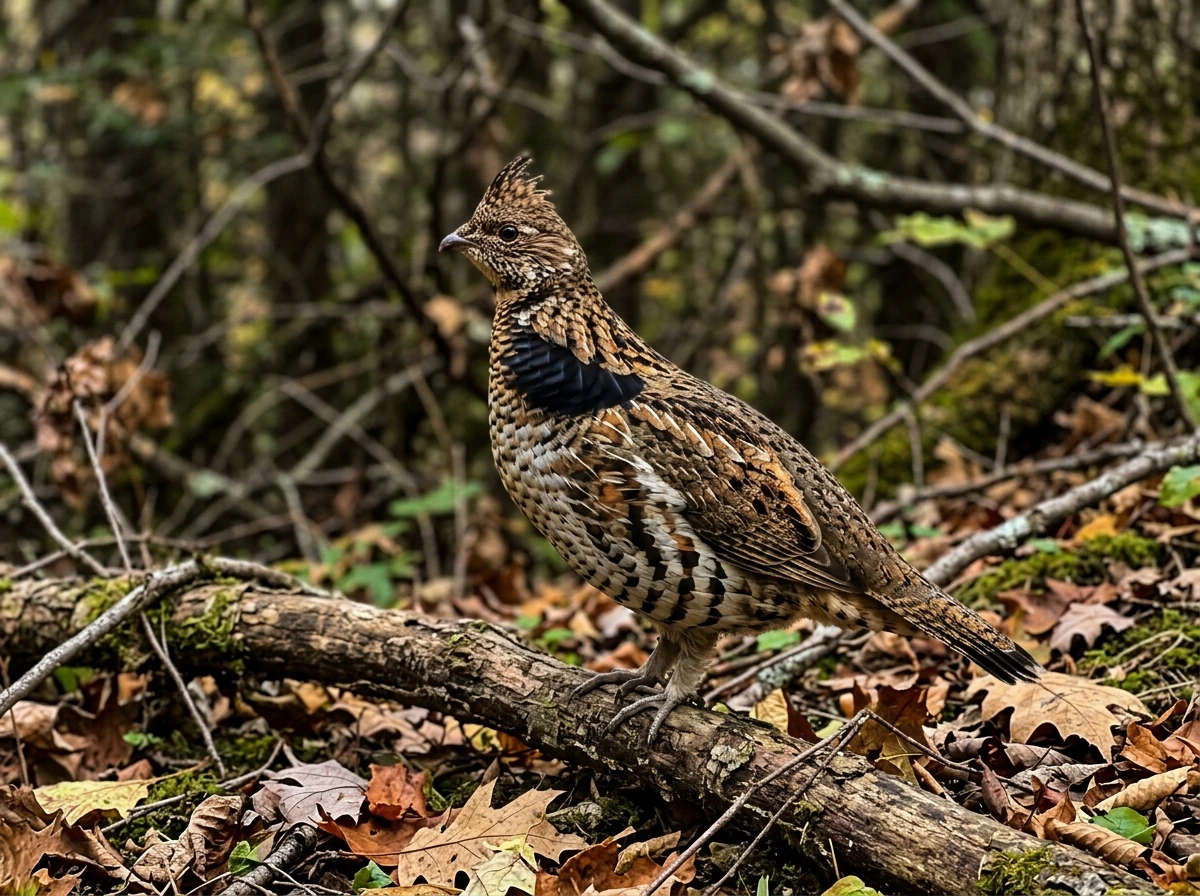
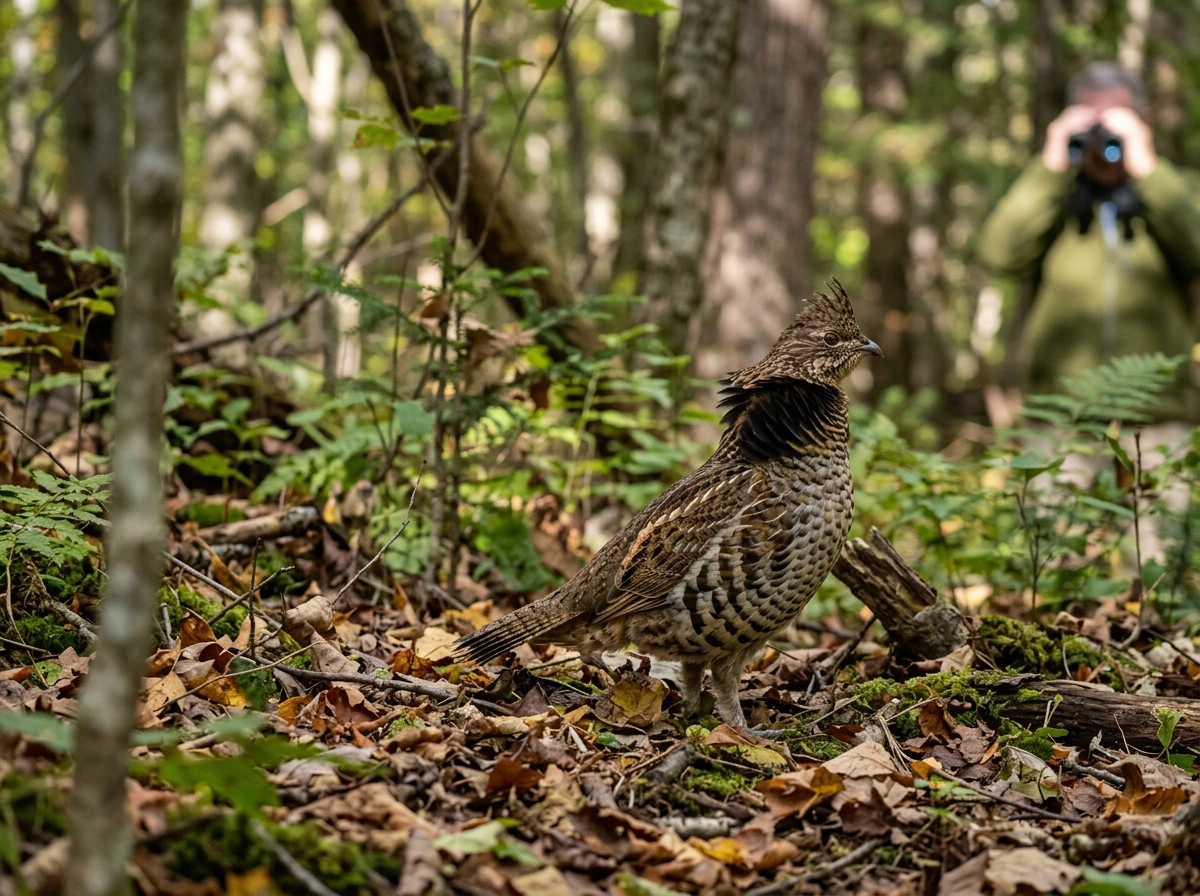
The ruffed grouse is a medium-to-large woodland bird with a very distinctive profile once you know what to look for. According to the Pennsylvania Game Commission, it weighs about 1.5 pounds, measures 15.5 to 19 inches in body length, and has a wingspread of 22 to 25 inches. It's a stocky, ground-dwelling bird, not the kind of thing you'd expect to see at a backyard feeder.
The three features that immediately separate it from other woodland birds are its short triangular crest on the head, the long black neck feathers (the "ruff") that it can erect dramatically during display, and its fan-shaped tail with a wide dark band near the tip. That tail band is one of the most reliable field marks. Both sexes look similar, which is fairly unusual among game birds, though males are slightly larger and have a more complete tail band than females.
The overall plumage is a beautifully cryptic mix of brown, gray, black, and buff tones that blends almost perfectly into the leaf litter and undergrowth of Pennsylvania forests. You're far more likely to hear one before you see it. The male's drumming display is unmistakable: standing on a low log or stump, he beats his wings in an accelerating series of thumps that lasts about 8 to 10 seconds, with wings beating up to around 50 times. It's a low, resonant sound that carries through the woods and sounds almost mechanical up close. If you flush one from cover, expect a sudden explosive burst of wings and a fast, weaving flight through the trees.
Quick ID Checklist
- Body length 15.5 to 19 inches, wingspan 22 to 25 inches, weight around 1.5 pounds
- Short triangular crest on the head
- Long black "ruff" feathers on the neck, especially visible during display
- Fan-shaped tail with a wide dark band near the tip
- Cryptic brown-gray-buff plumage that blends into forest floor
- Male drumming display from a low log or stump, lasting 8 to 10 seconds
- Explosive flushing behavior from dense cover when startled
How to Tell It Apart from Similar Species
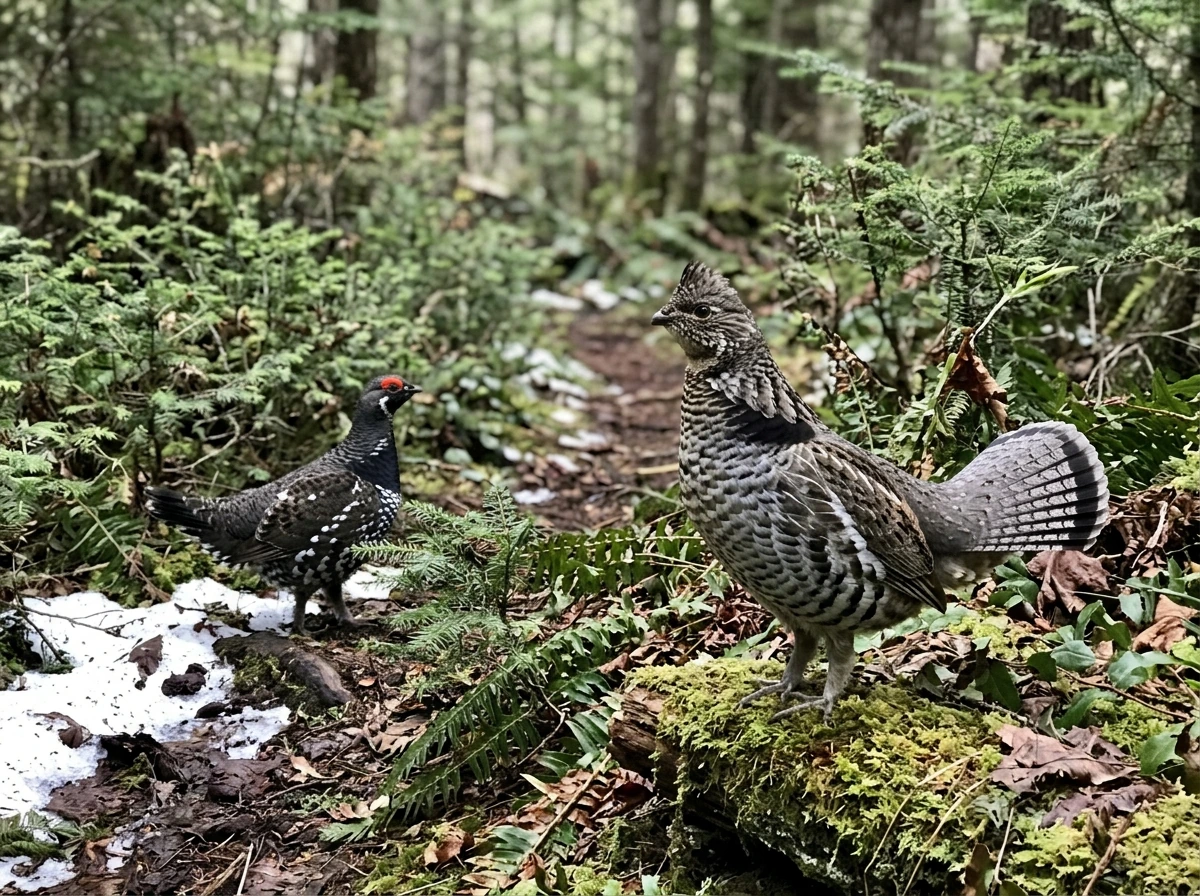
In Pennsylvania you're unlikely to confuse the ruffed grouse with much, but if you're birding in the broader Appalachian region or looking at range maps, the key separation from spruce grouse and blue grouse is straightforward: both of those species are noticeably darker overall and lack the ruffed grouse's bold dark subterminal tail band. The ruffed grouse's tail band is the quickest confirmation in hand or in a clean field view.
Where to Find Ruffed Grouse in Pennsylvania
Ruffed grouse are found throughout forested regions of North America, and Pennsylvania sits squarely in the core of their Appalachian range. what is the new hampshire state bird Within the state, your best odds are in young, mixed forests with dense undergrowth, particularly in the northern and central counties where large blocks of state forest and game lands still support healthy populations. what is the new york state bird is a natural next question if you are comparing Pennsylvania's ruffed grouse to other state bird selections. If you’re also curious about Delaware, this guide answers what is the delaware state bird. The species' broader distribution extends down through the Appalachians into Kentucky, Tennessee, and the Carolinas, but Pennsylvania has long been considered one of the strongholds.
The habitat key is young forest. Ruffed grouse thrive in areas with early successional growth: thickets, regenerating clear-cuts, and forest edges where there's a mix of dense shrubby cover and some mature trees nearby. The Pennsylvania Game Commission's management guidance specifically emphasizes creating and maintaining young forest patches with interspersed protective cover. For winter, conifer cover matters a lot, and the state's management plans recommend planting conifers like white spruce and Norway spruce in clumps or bands of five to support grouse through the cold months.
If you want to find one, focus your efforts on state game lands and state forests in northcentral and northeastern Pennsylvania in early morning during spring, when drumming males are most active. eBird's Pennsylvania-specific occurrence data backs this up, with the densest ruffed grouse sightings concentrated in the forested interior of the state rather than the more developed southeastern corner. Grouse nest on the ground, usually at the base of a tree or under a fallen log, laying 6 to 16 white or buff eggs, so spring and early summer searches should be done carefully to avoid disturbing nesting birds.
Why Pennsylvania Chose the Ruffed Grouse
The ruffed grouse was chosen because it represents Pennsylvania authentically. The Pennsylvania Game Commission describes the species as one whose beauty is admired by hunters and non-hunters alike, which is a real distinction in a state with one of the largest hunting populations in the country. The grouse isn't just a symbol on paper; it has been a central part of Pennsylvania's outdoor culture for generations.
The designation as "state game bird" rather than simply "state bird" is also significant. Pennsylvania made a deliberate choice to recognize the ruffed grouse specifically in the context of wildlife conservation and the hunting tradition, rather than picking a common songbird. At the time of designation in 1931, wildlife conservation was gaining serious momentum as a public policy issue across the country, and designating a game species helped elevate awareness of responsible wildlife management.
The ruffed grouse is also genuinely native and ecologically representative of Pennsylvania's landscape. Pennsylvania's forests, especially the mixed hardwood and conifer forests of the Allegheny Plateau and the northern tier, are exactly the habitat this bird evolved for. Choosing it as the state bird was a natural fit: it's a species found throughout the state, intimately tied to Pennsylvania's forested character, and challenging enough to hunt that it commands deep respect among sportspeople.
The Story Behind the 1931 Designation
Pennsylvania adopted the ruffed grouse as its official state game bird on June 22, 1931. The specific language in Act P.L. 662, No. 234 reads: "That the ruffed grouse (bonasa umbellus) is hereby selected, designated and adopted as the State game bird of Pennsylvania." It's direct and unambiguous, which is fitting for a state that has always had a practical, no-nonsense relationship with its wildlife.
The early 1930s were an important period for state wildlife symbols nationwide. A broader movement led by organizations like the General Federation of Women's Clubs during the 1920s encouraged states to designate official state birds, and Pennsylvania's 1931 designation came in that same wave of awareness around state identity and wildlife conservation. The ruffed grouse had already been important to Pennsylvania hunters for well over a century by that point, and by the early 20th century conservationists like William T. Hornaday were sounding alarms about declining game bird populations across the country. Formalizing the grouse as the state's game bird was partly a statement of pride and partly a call to protect it.
How Pennsylvania's State Bird Compares to Neighboring States
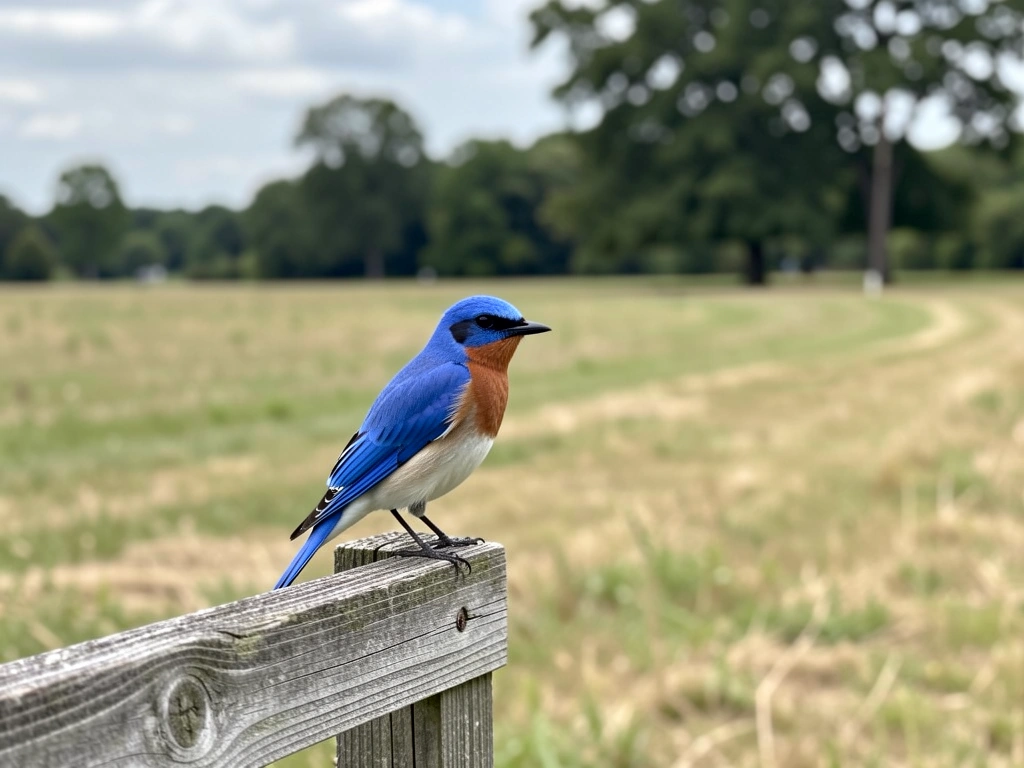
No other state shares the ruffed grouse as its state bird, which makes Pennsylvania's choice unique. Most neighboring states went with songbirds. New York chose the eastern bluebird You can find more details about these neighbors on their respective state bird pages.
Pennsylvania's decision to choose a game bird rather than a songbird sets it apart from most of the country. The majority of states that designated birds in the early-to-mid 20th century went with widely recognized, often small and melodious species. Pennsylvania's grouse is a bigger, wilder, and more elusive bird, which says something about how the state sees its own character and outdoor heritage.
| State | State Bird | Bird Type | Year Designated |
|---|
| Pennsylvania | Ruffed Grouse | Game bird (upland) | 1931 |
| New York | Eastern Bluebird | Songbird | 1970 |
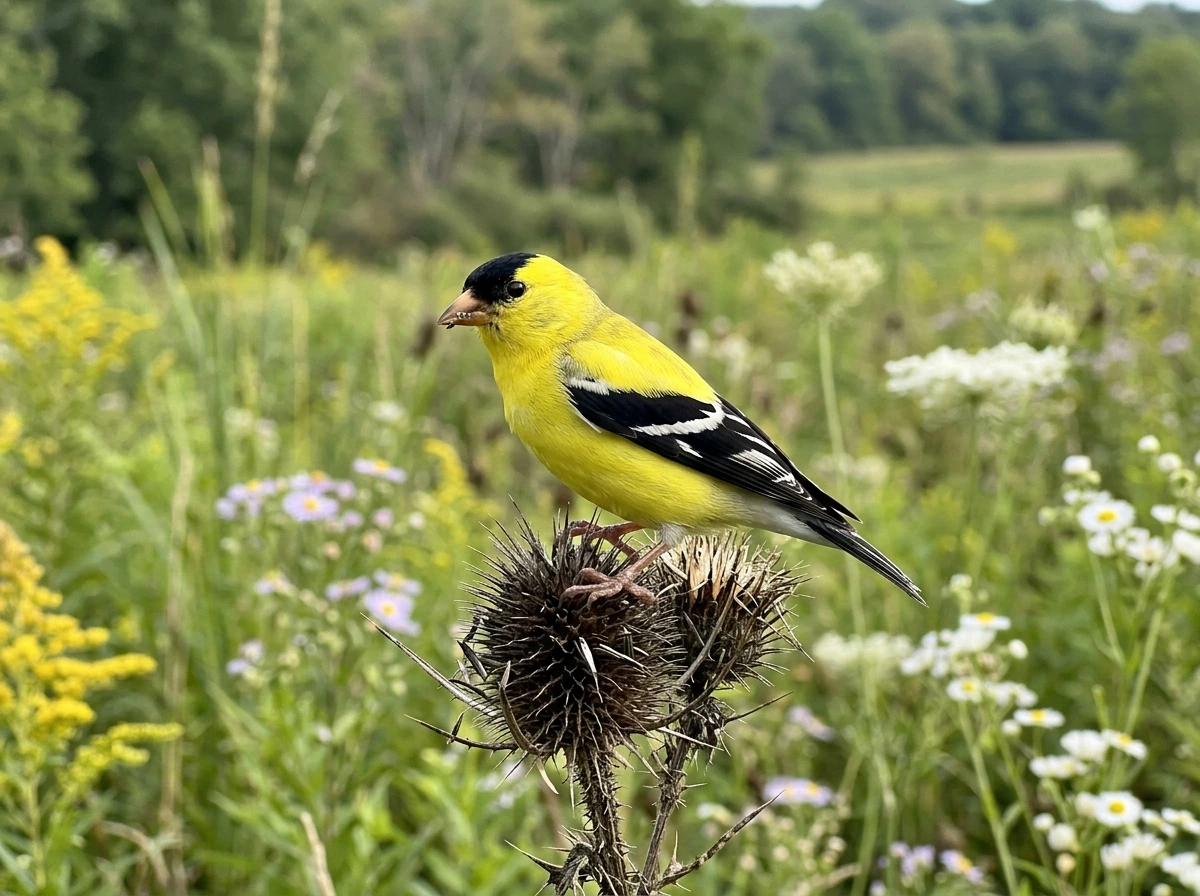
| New Jersey | American Goldfinch | Songbird | 1935 |
| Delaware | Delaware Blue Hen | Domestic fowl | 1939 |
| New Hampshire | Purple Finch | Songbird | 1957 |
The ruffed grouse's uniqueness as a state symbol is worth appreciating. It's not a bird that sits still on a branch for easy viewing. It flushes hard, drums in the spring woods, and blends into the forest floor with almost perfect camouflage. That it's Pennsylvania's state bird, and Pennsylvania's alone among all 50 states, makes it one of the more distinctive and fitting choices in the whole system of state bird designations.
Where to Go From Here
If you want to see a ruffed grouse in Pennsylvania, spring is your best window. Head to state game lands in the northern counties early in the morning and listen for drumming. If you're researching state birds more broadly, Pennsylvania's choice stands out as one of the most regionally authentic in the country. For comparison, check out what neighboring states chose: New York's bluebird and New Jersey's goldfinch are covered in their own pages on this site, and the full pattern of which birds got chosen across states reveals a lot about how each state sees its own natural identity.