The St. Louis Cardinals are the clearest example of a professional sports team whose mascot is also their home state's official bird. Illinois designated the cardinal (Cardinalis cardinalis) as its official state bird, and the Cardinals play in St. Louis, Illinois's largest metropolitan anchor. But the answer gets richer than just one team: seven U.S. states all share the northern cardinal as their official state bird, and several other sports teams named 'Cardinals' play in or are associated with those same states. If you're trying to nail down one specific match, the St. Louis Cardinals and Illinois is the most direct answer. If you want the full picture, read on.
Which Sports Teams Mascot Is Its State Official Bird?

Marcus Webb
6 Jun 2026
The matching teams and state birds
Seven states have officially designated the northern cardinal as their state bird: Illinois, Indiana, Kentucky, North Carolina, Ohio, Virginia, and West Virginia. The St. Louis Cardinals (MLB) are the flagship example of a team whose mascot bird is the official state bird of the state they play in. Their official mascot is Fredbird, an anthropomorphic cardinal, and the team branding is built entirely around the cardinal. Illinois statute literally spells it out: 'The bird Cardinalis cardinalis, commonly known as the "Cardinal", is designated the official State Bird of the State of Illinois.'
Beyond the MLB team, the Arizona Cardinals (NFL) also carry the name, though Arizona's official state bird is the cactus wren, not the cardinal. That makes the Arizona Cardinals a name-only match with no state-bird connection. The Louisville Cardinals (University of Louisville, NCAA) are based in Kentucky, and Kentucky's state bird is the cardinal, described in statute as 'the native redbird, commonly known as the Kentucky cardinal.' That's a genuine match. The Ball State Cardinals, North Carolina Central Eagles (not cardinals), and other college teams add more layers, but the confirmed, clean mascot-equals-state-bird matches center on teams in cardinal-bird states.
| Team | League | State | State Bird | Mascot Match? |
|---|---|---|---|---|
| St. Louis Cardinals | MLB | Illinois | Northern Cardinal | Yes |
| Louisville Cardinals | NCAA | Kentucky | Northern Cardinal (Kentucky Cardinal) | Yes |
| Arizona Cardinals | NFL | Arizona | Cactus Wren | No |
| Ball State Cardinals | NCAA | Indiana | Northern Cardinal | Yes |
| Wesleyan Cardinals (NC) | NCAA | North Carolina | Northern Cardinal | Yes |
How to verify the mascot matches the state bird exactly
The key step is comparing the official wording in the state's statute against the team's mascot name. These don't always line up cleanly because states use different official phrasings. Illinois says 'commonly known as the Cardinal.' Kentucky's statute says 'native redbird, commonly known as the Kentucky cardinal.' West Virginia's legislative page simply says 'Cardinal.' Indiana uses the phrase 'Red Bird or Cardinal' in official FAQs. North Carolina's statute reads 'The cardinal is hereby declared to be the official State bird.' All of these refer to the same species, Cardinalis cardinalis, but the naming varies.
For a mascot match to count, the team's name or mascot label should correspond to one of those common names used by the state. 'Cardinals' as a team name matches every one of those state designations because each state uses 'cardinal' somewhere in its official language. Where you need to be careful is with teams that use a related name but refer to a different bird entirely, like the Baltimore Orioles (Maryland's state bird is the Baltimore oriole, so that's another genuine match worth noting) or the Philadelphia Eagles (the bald eagle is the national bird, not Pennsylvania's state bird, which is the ruffed grouse).
Starting from the team vs. starting from the state bird
If you already know the team

- Identify the state or city the team is based in or associated with.
- Look up that state's official bird using a state symbols reference or the state legislature's official statutes page.
- Compare the state bird's common name to the team's mascot name.
- Check the scientific name if the common name is ambiguous (e.g., 'cardinal' vs. 'redbird' both refer to Cardinalis cardinalis).
If you already know the state bird
- Start with the bird's common name (e.g., 'cardinal' for Illinois, Indiana, Kentucky, etc.).
- Search for professional and college sports teams that use that bird name as their mascot.
- Filter by teams located in states where that bird is the official designation.
- Confirm the match using the team's official mascot page and the state's legislative record.
What a solid state-bird page should tell you
When you pull up a reference page for a state bird, it should do more than just name the bird. A good state-bird entry gives you the official statutory language (including the exact phrase the legislature used), the year the bird was designated, the species' identifying features, and the reason the state chose it. For the cardinal specifically, Indiana chose it in 1933, making Indiana one of the earliest adopters. Illinois, Kentucky, North Carolina, Ohio, Virginia, and West Virginia all followed at different points. The reasons are similar across states: the cardinal is year-round, visually distinctive (the male's bright red plumage is unmistakable), and beloved by residents.
On the species side, the northern cardinal (Cardinalis cardinalis) is a medium-sized songbird, roughly 8 to 9 inches long, with a prominent crest and a heavy, cone-shaped orange-red bill. Males are a vivid red all over; females are brown with red tinges on the crest, wings, and tail. Both sexes sing, which is unusual among North American songbirds. You'll find them at feeders year-round across the eastern and central U.S., which is part of why so many states claimed them as their own symbol.
Shared birds and naming ambiguity across states and teams
The northern cardinal being the official state bird for seven states is the main source of confusion when matching mascots to state birds. It means that a team named 'Cardinals' based in any of those seven states technically has a legitimate match. The complication comes with teams that are named after a state or region that spans multiple designations, or teams that moved cities. The Arizona Cardinals, for example, originated in Chicago (an Illinois-based cardinal state) before moving to St. Louis and then to Arizona. Their name predates their current state, so Arizona's cactus wren doesn't factor in historically.
Another ambiguity: some states use 'redbird' as an alternate common name for the cardinal, as Kentucky's statute explicitly does. If a team were ever called the 'Redbirds,' that would still count as a match for Kentucky or any other cardinal-bird state. The Memphis Redbirds (AAA baseball, Triple-A affiliate of the Cardinals) are a real example, and Tennessee's state bird is the mockingbird, not the cardinal, so that one doesn't match. Always go back to the statute's wording to close the loop.
It's also worth knowing that several other states have sports teams whose mascot is their state bird, making the cardinal match less unique in principle. The Baltimore Orioles match Maryland's state bird (the Baltimore oriole). The New Orleans Pelicans match Louisiana's state bird (the brown pelican). These patterns are worth keeping in mind if you're building a complete list rather than just answering the cardinal question.
Where to cross-check and what to read next
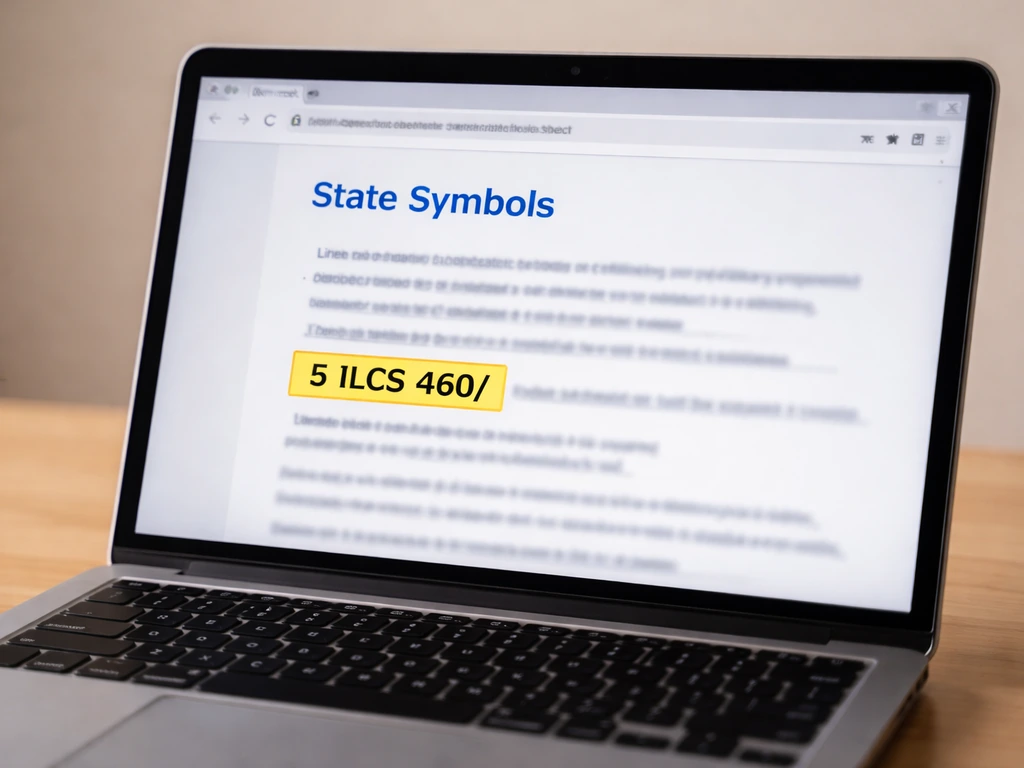
The most reliable way to verify any mascot-to-state-bird match is to go directly to the state legislature's official statutes page and search for the state symbols section. Every state that has an official bird has it codified in law, and the exact language matters when you're trying to match it to a mascot name. For the cardinal specifically, the seven states listed above all have their own statutory language, and each one phrases the designation slightly differently.
- For Illinois: check 5 ILCS 460/ (State Designations Act) for the exact 'Cardinalis cardinalis, commonly known as the Cardinal' language.
- For Kentucky: look at KRS § 2.080, which uses 'native redbird, commonly known as the Kentucky cardinal.'
- For North Carolina: see N.C. Gen. Stat. § 145-2, which uses 'The cardinal is hereby declared to be the official State bird.'
- For West Virginia: the West Virginia Legislature's state symbols page confirms the cardinal designation from a 1949 House Resolution.
- For Indiana: IN.gov FAQs confirm 'Red Bird or Cardinal' as the common name used in official materials.
- For Virginia: state-facing tourism and government sources list 'Northern Cardinal (Cardinalis cardinalis)' as the state bird.
If you're researching a specific state in depth, the individual state bird pages on this site cover the full picture for each designation: the statutory language, the year it was chosen, identification details, and how the bird compares to neighboring states' choices. The Michigan state bird page and the Wisconsin state bird page are useful comparisons since both border cardinal-bird states but chose different birds (the American robin for both Michigan and Wisconsin). Michigan's state bird is the American robin, so that page is a good direct check if you're comparing cardinal-bird states to neighboring choices.
The official bird of Madison, Wisconsin is the American robin, since Wisconsin's state bird is the American robin. The Wisconsin state bird page gives the official designation and the specific statutory wording for the American robin in Wisconsin. If you're wondering what is the Michigan state bird, compare Michigan's official designation to the bird choices used in nearby states. That contrast helps illustrate why the cardinal states stand out as a distinct regional cluster.
If you want to dig into what any official state bird page should include, the guide on what the official bird of your state covers the structure and context you'd expect to find. The official bird of your state is the bird that the state legislature has designated in statute as the state symbol.
Once you've confirmed your match using statutory language, cross-check the team's official mascot page to make sure the bird name is explicitly used as the mascot (not just a logo or color scheme). For the St. Louis Cardinals, the official mascot Fredbird is described directly as a cardinal, which closes the loop completely. That two-source verification, statute plus team, is the cleanest way to answer this question with confidence.
FAQ
Does a team have to be based in the state where the state bird is designated for it to count?
Yes, practically. The cleanest matches are when the team’s current home state aligns with the state’s official bird. If the franchise started elsewhere (like the Cardinals starting in Chicago), the historical origin may explain the name, but your verification should still focus on the team’s current location and the state’s present statutory language.
If a team is named “Cardinals,” does that automatically mean its mascot bird matches the official state bird?
In cardinal-bird states, it usually does, but you still need the mascot label to confirm. A team might use “Cardinals” for branding while the mascot is described differently (for example, an owl or generic “bird” character). The article’s best practice, statute plus an explicit mascot description, is what closes that gap.
What if a state’s bird entry uses a different wording like “redbird” or “red bird”?
Treat alternate common names as matches when they point to the same species. Kentucky’s statute uses “native redbird, commonly known as the Kentucky cardinal,” so “Redbirds” would count as a synonym match. The key is matching the state’s common-name language to the cardinal species it references, not just the team’s color scheme.
Are there any “Cardinals” teams in cardinal-bird states that might still not match because of the mascot type?
Yes, it can happen if the mascot is not explicitly a cardinal in description. “Cardinals” as a name could be used while the character is portrayed as a different bird or as an animal without identifying species. That’s why the article recommends checking the team’s official mascot page for explicit “cardinal” wording, not just the logo.
How do I handle borderline cases where a state bird overlaps with other birds’ names?
Use species clarity, not just shared English names. “Cardinal” in the state bird context refers to Cardinalis cardinalis, but other states’ bird names can be ambiguous if you only rely on casual terminology. For uncertain matches, compare the state statute’s species identifiers or the bird’s defining physical description.
Does it matter whether the state bird was designated early or recently?
Not for whether the match is valid, but it can help resolve confusion when comparing multiple states. The article notes some states adopted the northern cardinal in different years, which can explain why a team’s name appears in multiple places. Still, always rely on the current official statutory language for the final call.
If I want a complete list of mascot-to-state-bird matches, where should I start to avoid missing teams?
Start by listing all official state birds, then filter for team names that directly reuse those bird common names (for example, Cardinals, Pelicans, Orioles). After that, verify each candidate with two checks: the exact statute wording and the team’s official mascot description that explicitly uses the same bird label.
What’s the fastest verification workflow when I’m matching a specific team to its state bird?
Use a two-source checklist. First, open the state’s statutes or official state symbols section and capture the exact bird wording. Second, open the team’s official mascot page and confirm the mascot is described as that bird (species or common-name label). If both align, the match is solid.