A turkey is not a federal bird in the sense most people mean when they ask that question. There is no U.S. federal designation called a 'federal bird' that applies to turkeys. The only official 'national bird' designation in U.S. federal law belongs to the bald eagle, established under 36 U.S. Code § 306. Turkeys, including wild turkeys, do not hold that kind of symbolic federal title. However, wild turkeys do receive some federal attention through wildlife management regulations, which is where the confusion usually comes from.
Is a Turkey a Federal Bird? Wild vs Domestic Explained

Marcus Webb
12 May 2026
Federal birds vs. state birds: what these terms actually mean
These two categories are completely separate, and mixing them up is easy if you are new to the topic. A state bird is a species officially designated by a state legislature as that state's symbolic bird. If you are asking about another state's official symbol, for example why the brown thrasher is the state bird of Georgia, the same definition applies: it is a legislature-designated symbolic species. All 50 U.S. states have done this, and the choices range from the northern mockingbird (shared by several Southern states) to the California quail. State birds are symbolic honors, not legal protections.
A 'federal bird' could technically mean one of two things. First, it could mean a bird with a federal symbolic designation, the way the bald eagle is the national bird under federal law. Second, it could mean a bird species that falls under federal wildlife protection law, which applies to a large number of species through statutes like the Migratory Bird Treaty Act. These two meanings are very different, and most confusion around turkeys comes from blending them together.
What 'federal protection' for birds actually covers
When wildlife agencies and lawyers talk about birds having 'federal' status, they are almost always referring to the Migratory Bird Treaty Act (MBTA), codified at 16 U.S. Code § 703. This law implements international treaties between the U.S. and other countries (Canada, Mexico, Japan, and Russia) and makes it unlawful to pursue, hunt, take, capture, kill, possess, or transport migratory birds and their parts, nests, or eggs without a federal permit. The U.S. Fish and Wildlife Service (USFWS) administers this and maintains the official list of covered species. 50 CFR § 10.13 includes the regulatory list of bird species protected under the Migratory Bird Treaty Act (MBTA) 50 CFR § 10.13 contains the regulatory list of bird species protected under the MBTA.
The key point is that 'federally protected' under the MBTA is not the same as being a 'national bird' or a federally designated symbol. Hundreds of bird species are covered by the MBTA. Being on that list means you are protected from harm, not that you hold any honorary title. The bald eagle is the only species with a dedicated national bird designation in U.S. federal statute.
Is a turkey a federal bird?
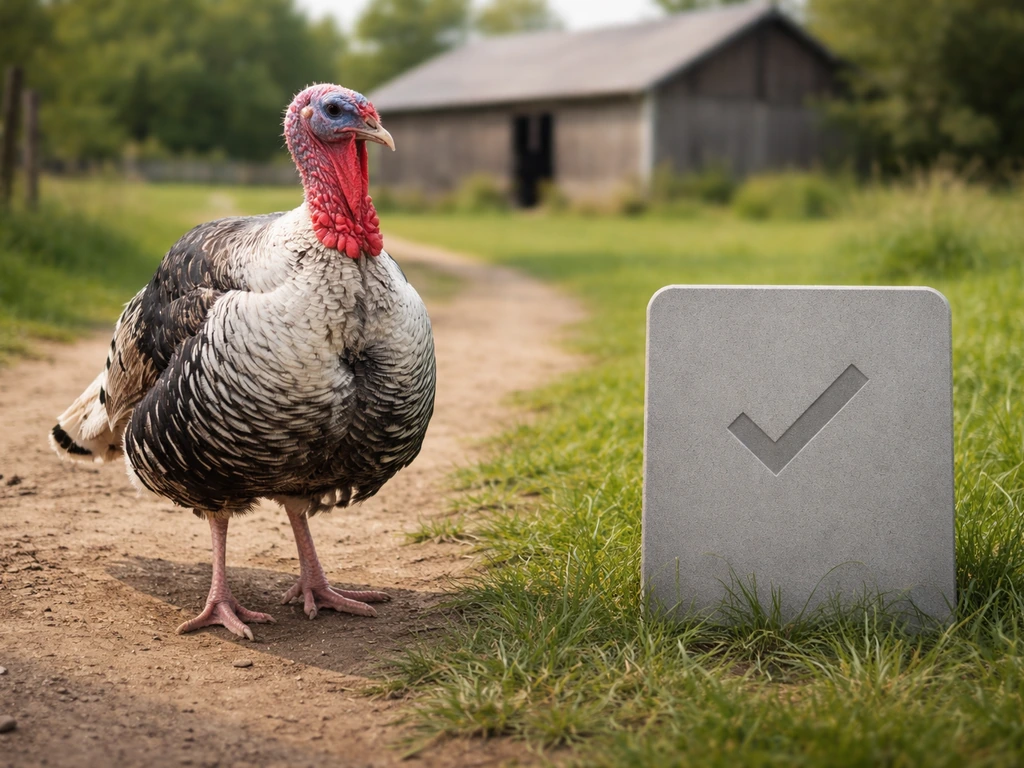
No, a turkey is not a federal bird in any official, symbolic sense. There is no federal law or executive order designating the turkey as a national bird or federal symbol of the United States. You may have heard the popular story that Benjamin Franklin preferred the turkey over the bald eagle, but that was a personal opinion expressed in a private letter, not a proposal that ever reached law. blank" rel="noopener noreferrer">The bald eagle became the national emblem in 1782 and the formal national bird under federal statute. The turkey never did.
Turkeys also are not a state bird for any of the 50 states, so they don't carry that kind of designation either. If you are actually looking for what the what is the tennessee state bird is, you can use the same state-bird lookup idea described here state bird lookup. If you are working through a state-bird lookup and wondering whether turkey belongs in that category, the answer is no.
Is a wild turkey a federal bird?
The wild turkey (Meleagris gallopavo) is not listed as a migratory bird under the MBTA, so it does not carry federal wildlife protection through that statute. Wild turkeys are managed primarily at the state level through state fish and wildlife agencies. Hunting seasons, bag limits, and permits for wild turkey are set by individual states, not the federal government. This is a meaningful difference from species like the Canada goose or the wood duck, which are migratory and fall under the MBTA's federal framework.
That said, wild turkeys on federal lands (national forests, national parks, wildlife refuges) are subject to federal rules specific to those properties, and the USFWS does coordinate wild turkey management through programs with state agencies. But that coordination is different from a bird being 'federally protected' under the MBTA. In practical terms: if you are asking whether hunting or possessing a wild turkey requires a federal permit the way a migratory bird would, the answer is generally no. You need a state hunting license and comply with state regulations.
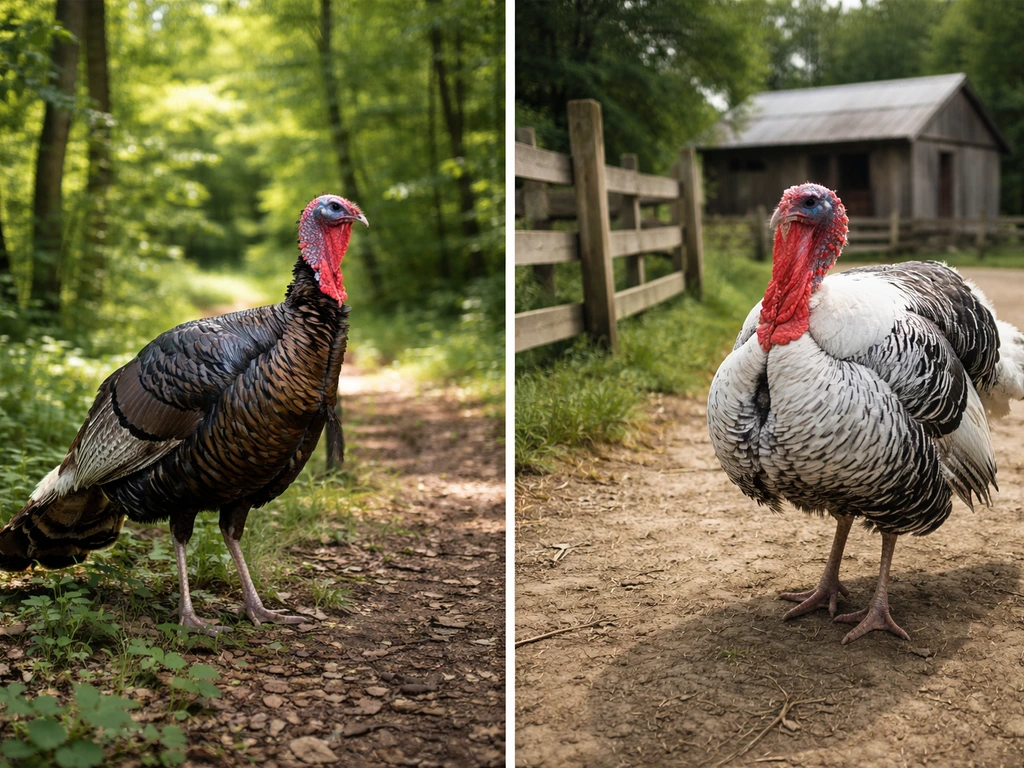
Wild turkey vs. domestic turkey: make sure you are asking about the right bird
This distinction matters more than it might seem. The wild turkey (Meleagris gallopavo) is a native North American species that lives in forests and open woodlands. It is the bird most people are asking about in a wildlife or state-bird context. Domestic turkeys are selectively bred farm animals derived from the same species but are treated entirely as livestock under agriculture law, not wildlife law. Federal wildlife rules simply do not apply to domestic turkeys at all.
| Feature | Wild Turkey | Domestic Turkey |
|---|---|---|
| Species | Meleagris gallopavo (native wildlife) | Meleagris gallopavo (domestic breed) |
| Governed by | State wildlife agencies (primarily) | USDA / agricultural regulations |
| MBTA protection | Not covered (not a migratory bird) | Not applicable (livestock) |
| Federal symbolic status | None | None |
| State bird of any U.S. state | No | No |
| Hunting regulations | State-issued licenses and permits | N/A (farmed animal) |
If someone says 'turkey' in a wildlife or birding conversation, they almost always mean the wild turkey. If they mean federal protections around food safety or poultry farming, that is a completely different regulatory world governed by the USDA, not the USFWS.
How to confirm the turkey's status yourself
If you want to verify any of this directly, here is exactly where to look and what to check.
- Check the USFWS migratory bird list: Go to fws.gov and search for 'migratory bird species list.' The USFWS publishes the official list of birds protected under the MBTA. You can search for 'turkey' or 'Meleagris gallopavo' and confirm it is not on the list.
- Check 36 U.S. Code § 306 for the national bird designation: The full text is available at uscode.house.gov. This is the statute that names the bald eagle as the national bird. Turkey is not mentioned.
- Contact your state wildlife agency: For wild turkey hunting rules, permits, and population status, your state fish and wildlife agency is the right source. Each state manages wild turkeys independently.
- Check the USFWS Species Status Assessment portal: If you want to know whether the wild turkey has any federal conservation status (threatened or endangered), the USFWS Environmental Conservation Online System (ECOS) at ecos.fws.gov lets you search by species.
- For domestic turkey questions, go to the USDA: Any regulations around turkey farming, food safety, or commercial production are handled by the U.S. Department of Agriculture, not wildlife agencies.
Where this fits in the bigger picture of state and national birds
If you landed here while researching state birds, the turkey is simply not part of that story. No state has chosen the turkey as its official bird. Many of the most recognized state birds are songbirds, like the brown thrasher (Georgia's state bird) or the mockingbird (Tennessee's state bird, among others). The turkey is culturally prominent in American life, especially around Thanksgiving, but cultural prominence does not translate into official designation at the state or federal level.
The practical takeaway is straightforward: if someone asks whether turkey is a 'federal bird,' the honest answer is no on both counts. It is not the national bird, and it is not a federally protected migratory bird under the MBTA. It is managed as a game bird at the state level and holds no official symbolic title anywhere in U.S. law. For anything deeper, the USFWS website and your state wildlife agency are the two sources that will give you current, authoritative answers.
FAQ
If the turkey is not a federal bird, does that mean there is never any federal law involving turkeys?
No. While turkeys are not covered by the MBTA the way migratory species are, federal rules can still apply in specific situations on federal property (for example, hunting and access rules set by the land unit) and under USDA regulations for disease control, inspections, and the handling of poultry products. Those are separate regulatory systems from “federal bird” symbolism.
Are wild turkeys ever treated as migratory birds for federal permitting purposes?
Generally no. The article’s distinction is key, because the MBTA’s permit concept applies to migratory birds and their parts, nests, and eggs. If you are dealing with wild turkey, you will typically follow state hunting and wildlife rules rather than looking for an MBTA permit.
What should I check if I want to know whether I can hunt a wild turkey on a particular day and place?
Start with your state fish and wildlife agency’s current turkey season regulations for that county or wildlife management unit, including license requirements, season dates, legal methods, and bag limits. Then check whether the specific land you plan to hunt has additional restrictions, since federal or state properties can add local rules beyond the general state season framework.
Does possessing a wild turkey meat product trigger MBTA issues?
In most everyday cases, no. The MBTA permit requirement described in the article focuses on hunting, taking, capturing, killing, possessing, or transporting migratory birds and their parts, nests, or eggs without authorization. Because wild turkey is handled under state game management rather than the MBTA, meat possession rules are usually addressed through state and general food safety and commerce rules instead.
Is there any difference between “wild turkey” and “turkey” when people talk about “federal protection”?
Yes. “Federal protection” claims often assume the MBTA, but the article explains that wild turkeys are not listed that way. If someone just says “turkey” without specifying wild versus domestic, ask a clarifying question because domestic turkeys are regulated as livestock under agriculture and food rules, not wildlife protection rules.
If wild turkeys are managed mainly by states, can federal agencies still affect turkey outcomes?
Yes, but it is usually indirect. The article notes federal-land rules and coordination programs with states. That can influence season frameworks, enforcement priorities, habitat projects, or public land access, but it is not the same thing as a turkey having an MBTA-based federal protection status.
Could a state still have turkey-related laws even though it is not the state bird?
Absolutely. A state can regulate wild turkeys as game species through licenses, seasons, bag limits, and nuisance or habitat rules even if it never granted symbolic “state bird” status to the species.
I heard Benjamin Franklin preferred the turkey, does that make the turkey a federal symbol?
No. Popular stories about Franklin are not the same as an enacted designation. The article explains that the national bird designation in federal statute is for the bald eagle, and the turkey never received a comparable official federal legal or executive-symbol status.
If someone claims turkeys are federally protected, what is the fastest way to verify the claim?
Ask whether they mean MBTA coverage. Then confirm on the USFWS MBTA species list whether “wild turkey” is included, and if not, defer to your state agency for hunting and handling requirements. This avoids mixing symbolic “national bird” talk with wildlife-protection law.
Next Articles
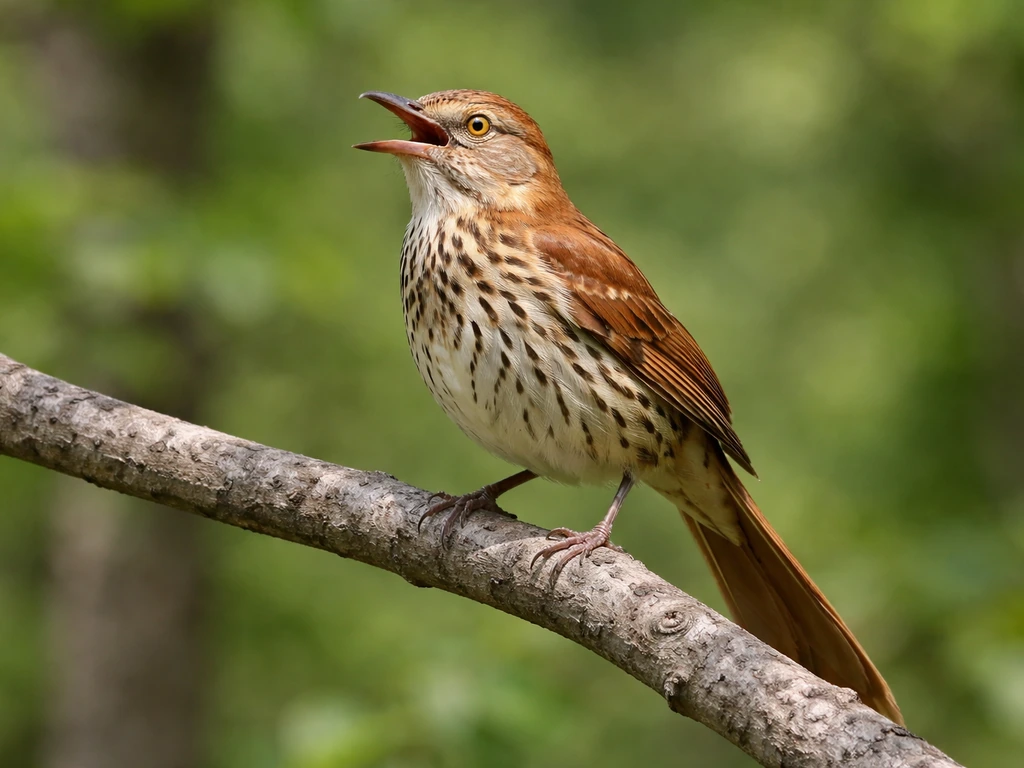
Why Is the Brown Thrasher Georgia’s State Bird?
Learn why Georgia chose the brown thrasher: its distinctive song, local presence, and the history behind its state bird
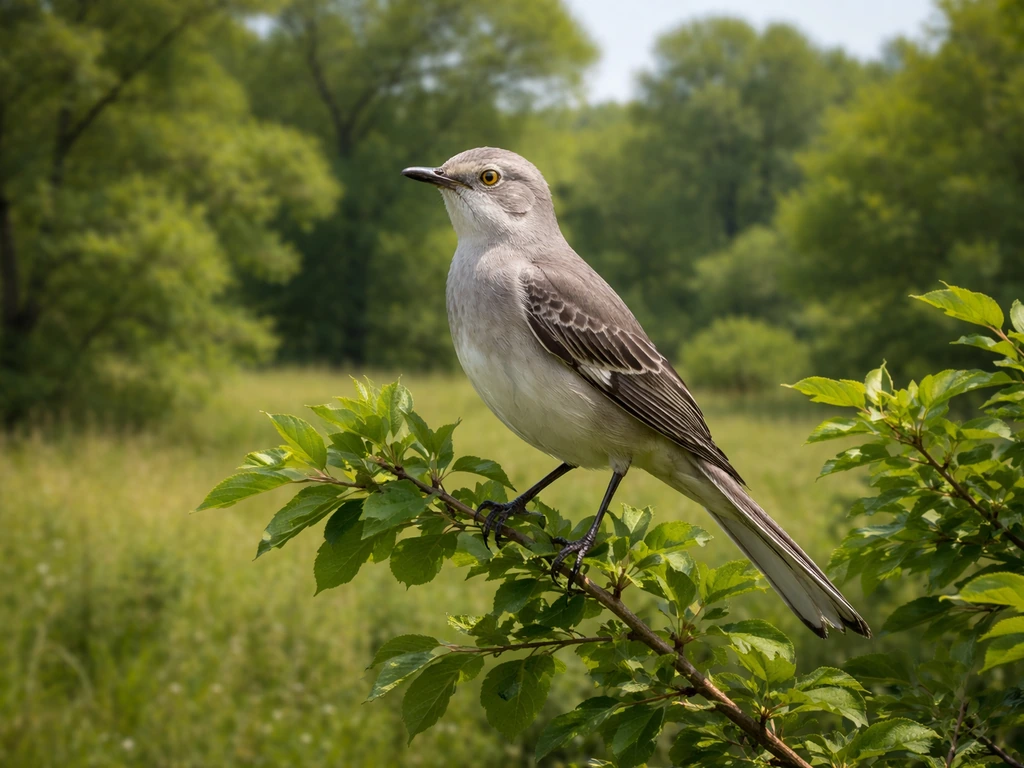
Is Tennessee a Bird? Tennessee State Bird and Identification Guide
Answer if Tennessee is a bird, then learn the state bird with easy ID tips, habitat, and why it was chosen.

What Is the Tennessee State Bird? Identification and History
Learn the Tennessee state bird, how to identify it, its key traits, and the history behind its official designation.