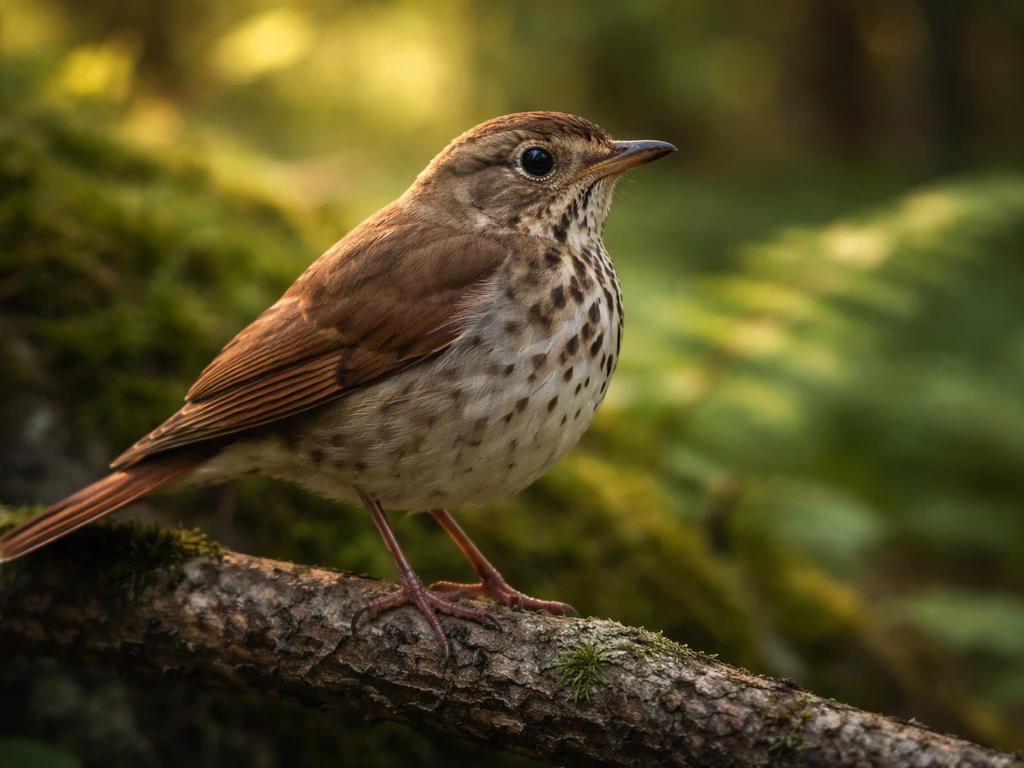
Vermont's official state bird is the hermit thrush (Catharus guttatus), designated by Vermont statute (1 V.S.A. § 497) and adopted in 1941. It's one of the more distinctive choices among U.S. state birds because the hermit thrush is not flashy or immediately recognizable on sight the way a cardinal or bluebird is. What sets it apart is its voice, and Vermont leaned into that when making the selection.
What Is the State Bird for Vermont? Answer and Details

Marcus Webb
28 Apr 2026
Vermont's Official State Bird at a Glance
| Detail | Info |
|---|---|
| State bird | Hermit thrush |
| Scientific name | Catharus guttatus |
| Year adopted | 1941 |
| Governing statute | 1 V.S.A. § 497 |
| State flower (for reference) | Red clover, adopted 1894 (1 V.S.A. § 498) |
How to Recognize the Hermit Thrush
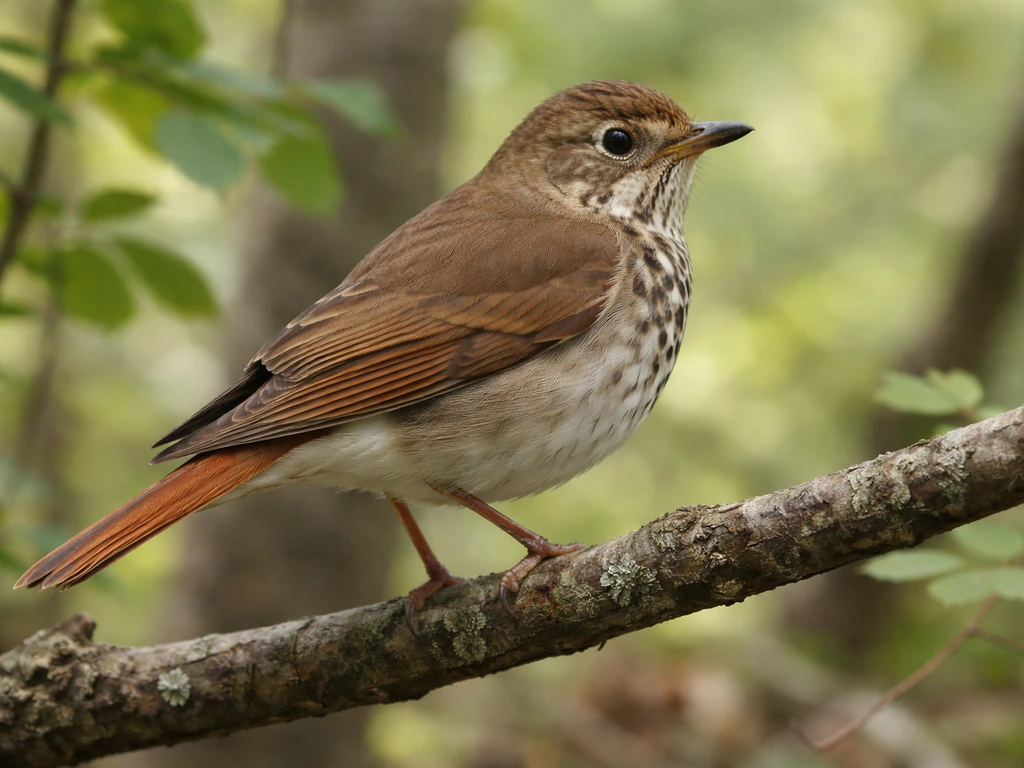
The hermit thrush is a medium-small songbird, roughly robin-sized but noticeably slimmer. It has a warm brown back, a spotted breast, and a distinctly rusty-red tail that it has a habit of slowly raising and lowering, which is actually one of the easiest visual field marks to catch. The spots on its chest are bold and well-defined, arranged in a way that looks almost like a necklace of dark teardrops against a pale, cream-colored belly.
That said, the bird is often heard long before it's seen. Its song is widely described as rich, haunting, and melodious, with a quality that feels almost ethereal in a quiet forest. It begins each phrase on a single clear note and then spirals into a series of flute-like notes at different pitches. Audubon also describes the hermit thrush’s song as flute-like, especially at dawn and dusk in Vermont flute-like notes. If you're in a Vermont woodland and you hear something that sounds like a forest choir, that's almost certainly your bird. Its call note is a soft, low "tuck" that's useful for locating it in dense cover.
Where You'll Actually Find It in Vermont
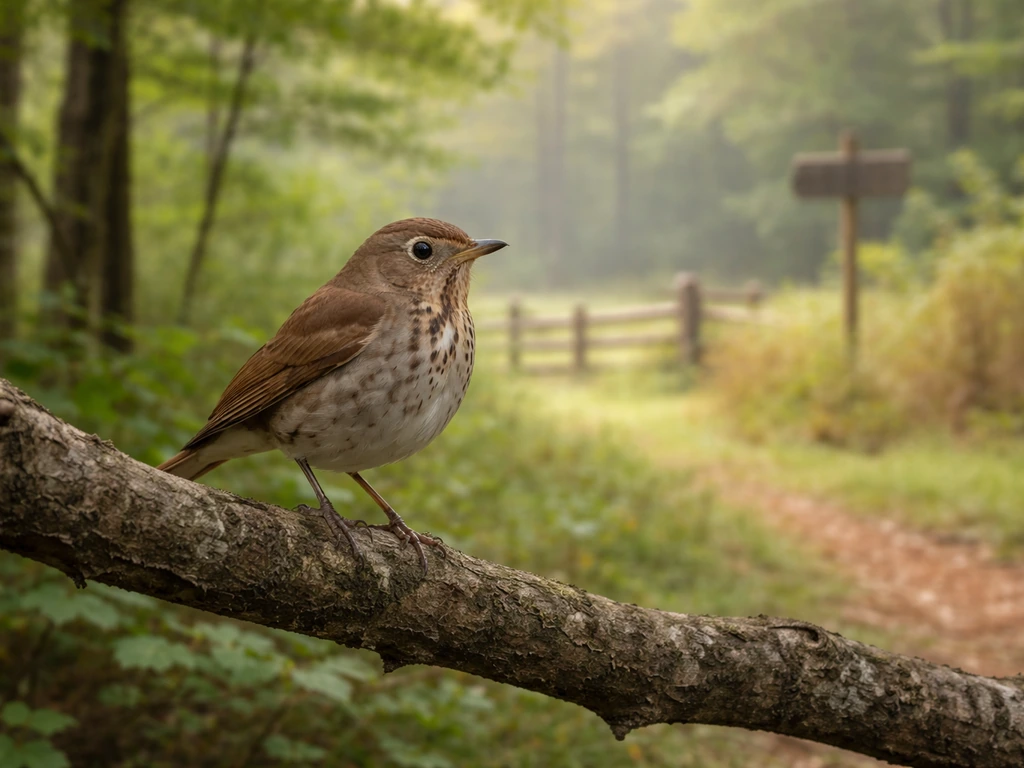
Hermit thrushes favor forest understories, particularly in areas with some openings or edges where light filters through. In Vermont, that means coniferous and mixed forest, which covers a huge portion of the state. They forage mostly on the forest floor, flipping through leaf litter for insects, berries, and small invertebrates, so don't expect them to perch conspicuously at eye level on a branch. You'll typically spot them hopping along the ground or low in the understory.
During breeding season, males are most vocal in the early morning and again at dusk, which is your best window for locating one by sound. Vermont's forests, from the Northeast Kingdom down through the Green Mountains, provide ideal habitat. If you're hiking in wooded areas between late April and early September, you have a solid chance of hearing one. They also pass through in migration, so spring and fall birding in Vermont frequently turns up hermit thrushes moving through.
Why Vermont Chose the Hermit Thrush
Vermont adopted the hermit thrush in 1941, though the process to select an official state bird had been in discussion before then. The hermit thrush wasn't just a convenient or politically safe choice. Vermont's identity is tightly bound to its forests, its quietness, and its sense of natural authenticity, and the hermit thrush fits all of that. It's not a bird that announces itself with gaudy plumage. Instead, it earns attention through the quality of its song, which is considered one of the most beautiful of any North American bird.
There's also something fitting about a bird called the "hermit" thrush being chosen by a state that has long prided itself on independence and a certain rugged, self-reliant character. The bird is native to Vermont's forests, genuinely present as a breeder (not just a passing visitor), and deeply associated with the experience of being in a Vermont wood. It's a practical choice grounded in real natural heritage, not just symbolic convenience.
Vermont's State Bird and State Flower: Both Answered
If you searched for Vermont's state bird and flower together, here's the quick answer for both: the state bird is the hermit thrush (adopted 1941, under 1 V.S.A. § 497) and the state flower is red clover (adopted 1894, under 1 V.S.A. § 498). Red clover is a common pasture and meadow plant across Vermont, historically tied to the state's dairy farming tradition. It's a small, globe-shaped pink-to-red flower head, and you'll see it growing wild along roadsides throughout the state in warmer months. The two symbols represent different sides of Vermont's natural identity: the wild, forested interior represented by the thrush, and the open agricultural landscape represented by the clover.
How Vermont's Choice Compares to Other States
Vermont is the only U.S. state with the hermit thrush as its official state bird. That makes it a unique designation, which isn't always the case. Several other state birds are shared across multiple states. For example, the northern cardinal is the state bird of seven states, and the American goldfinch is claimed by multiple states including New Jersey and Washington. You may also be wondering why the American goldfinch is New Jersey's state bird, and the answer comes down to how the species is tied to the state's landscapes and birdlife. In Washington, the state bird is the American goldfinch. If you are wondering why the American goldfinch was chosen, that starts with its well-known presence across Washington and its bright, enduring song. The western meadowlark is another commonly shared bird across western states.
Among New England and nearby states, each has gone its own direction. West Virginia, for instance, chose the cardinal. If you're wondering what West Virginia's state bird is, it's the cardinal West Virginia, for instance, chose the cardinal. Maryland went with the Baltimore oriole, a choice rooted in the state's heraldic colors as much as ornithology. Maryland's state bird is the Baltimore oriole. Virginia also has its own distinct state bird. Virginia's state bird is the cardinal. Vermont's selection of the hermit thrush stands out in the region precisely because it's exclusive to the state and rooted in the actual ecology of Vermont's forests rather than shared regional symbolism.
One thing worth noting: the purple finch, which is another bird that passes through or breeds in Vermont, is actually the state bird of New Hampshire. It's a bird that new birders sometimes confuse with house finches or even with similar thrush-family birds, so it's worth knowing the distinction if you're birding across state lines in New England.
Tips for Spotting Vermont's State Bird on Your Next Trip
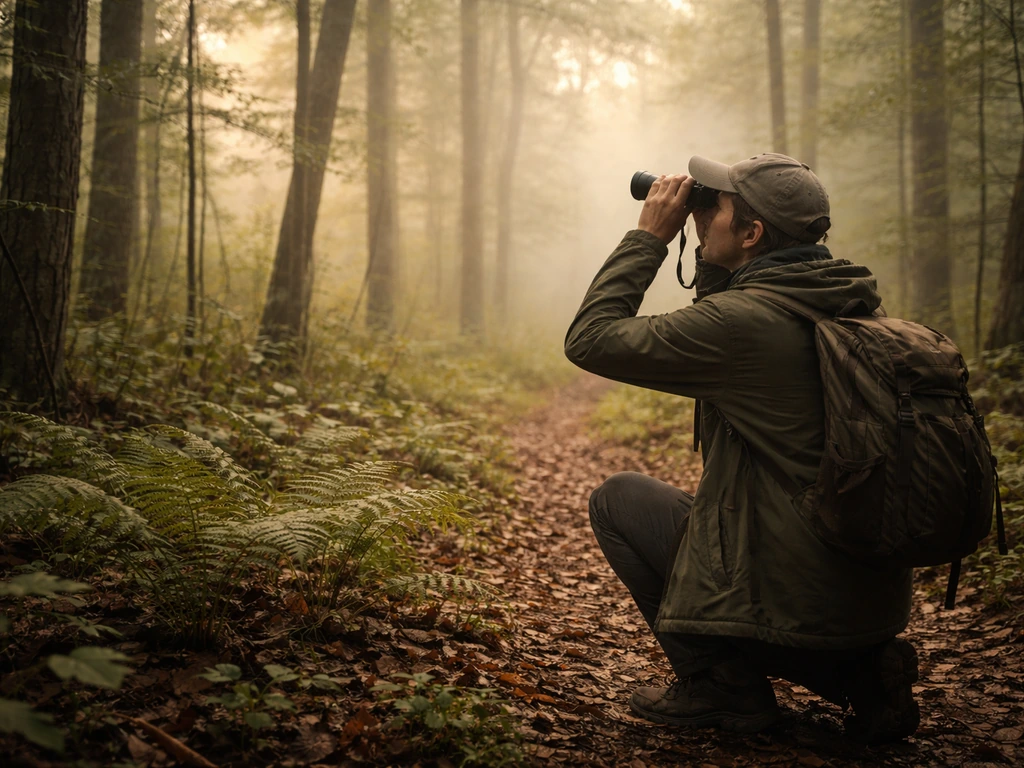
- Go early morning or at dusk during breeding season (late April through July) when males are singing most actively.
- Listen before you look. The song is far more distinctive than the plumage, and the bird is often hidden in understory vegetation.
- Watch the ground level along forest trails. The hermit thrush forages in leaf litter and low brush, not in the treetops.
- Look for the rusty tail being slowly raised and lowered. That tail-pumping habit is a reliable visual ID even at a distance.
- Vermont's wooded state parks and hiking areas in the Green Mountains are reliable spots. Any mature forest with some understory cover is worth a listen.
FAQ
Is the hermit thrush only a migratory bird in Vermont, or does it actually breed there?
No. The hermit thrush is Vermont's official state bird even though many people notice it more by sound than by sight. It breeds in Vermont’s forests and is also present during migration, so you can see it in different seasons, but the most reliable encounters are in wooded habitat.
When and where should I look or listen to reliably spot Vermont’s state bird?
Your best odds are early mornings and dusk during breeding season, typically late April through early September. If you are in conifer or mixed woodland with understory, pause and listen first, since the song carries before the bird becomes visible.
What are the most common reasons people fail to identify the hermit thrush in Vermont?
Common mistakes include expecting a brightly colored bird on an open branch. Hermit thrushes prefer forest floor foraging, so you are more likely to see them hopping in leaf litter or low understory, and you may only catch a quick glimpse of the rusty tail movement.
How can I avoid confusing the hermit thrush with other birds that appear in Vermont?
Often, yes, especially among new birders who confuse similar finches or look for cardinal-like shapes. If you are comparing species, focus on the combination of a spotted breast (dark teardrop-like spots) plus the slender robin-sized body and the rusty-red tail that moves up and down.
Does the hermit thrush have a call that helps me locate it when I cannot see it?
If you hear a low soft “tuck” call in dense cover, that can help, but the location will often be indirect because the bird stays in understory. Treat the call as a cue, then scan low and listen again, since the song and call may come from slightly different positions.
Why would Vermont pick a bird that is not very colorful or obvious at first glance?
Yes, but not because Vermont chose it for “cuteness” or bright appearance. The selection emphasizes the bird’s strong association with Vermont’s forest soundscape and ecology, and it is considered distinctive precisely because it is subtle visually but powerful vocally.
Does the hermit thrush’s singing schedule change with weather or the time of year?
It varies by year and weather, but a practical rule is to time your outing around dawn and dusk when males sing most. If spring is cold or delayed, shift your target dates later, because breeding activity and vocal behavior generally track temperature and food availability.
If I’m looking up Vermont’s bird and flower together, what is the quick way to remember each official symbol?
The official symbol is the hermit thrush. If you are trying to match Vermont’s bird and flower together, Vermont’s state flower is red clover, adopted earlier (1894). Keeping those dates separate can help avoid confusion when you are researching both symbols.
Is Vermont the only state where the hermit thrush is the official state bird, or do other states use it too?
Vermont is unique in having the hermit thrush as its state bird. That means if you are traveling in New England and comparing state birds, you should not assume neighboring states use the same species, since several share other common birds like cardinals and goldfinches.
Next Articles
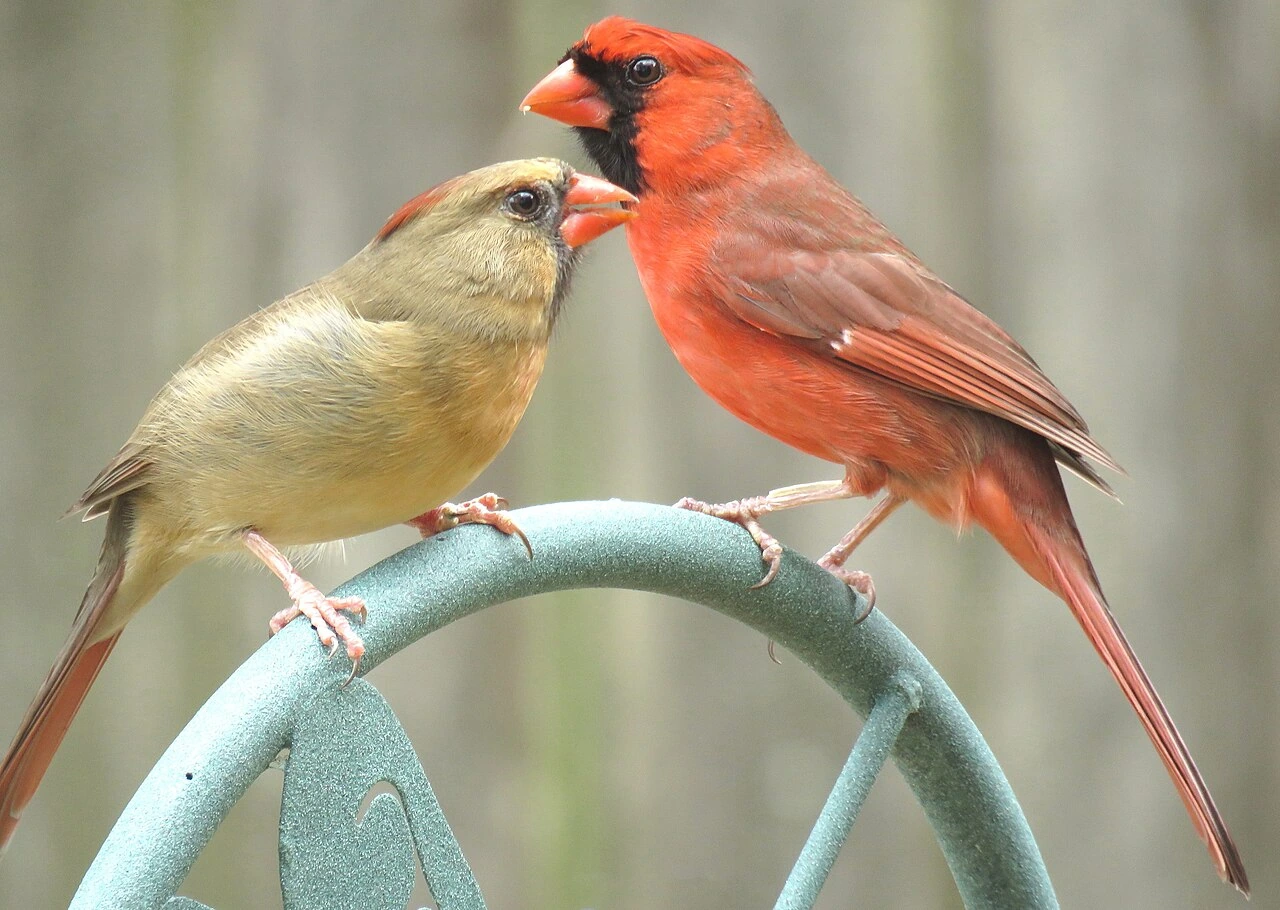
What Is the State Bird for West Virginia? Answer and ID
Find West Virginia’s state bird, including ID traits, why it was chosen, and which other states share it.
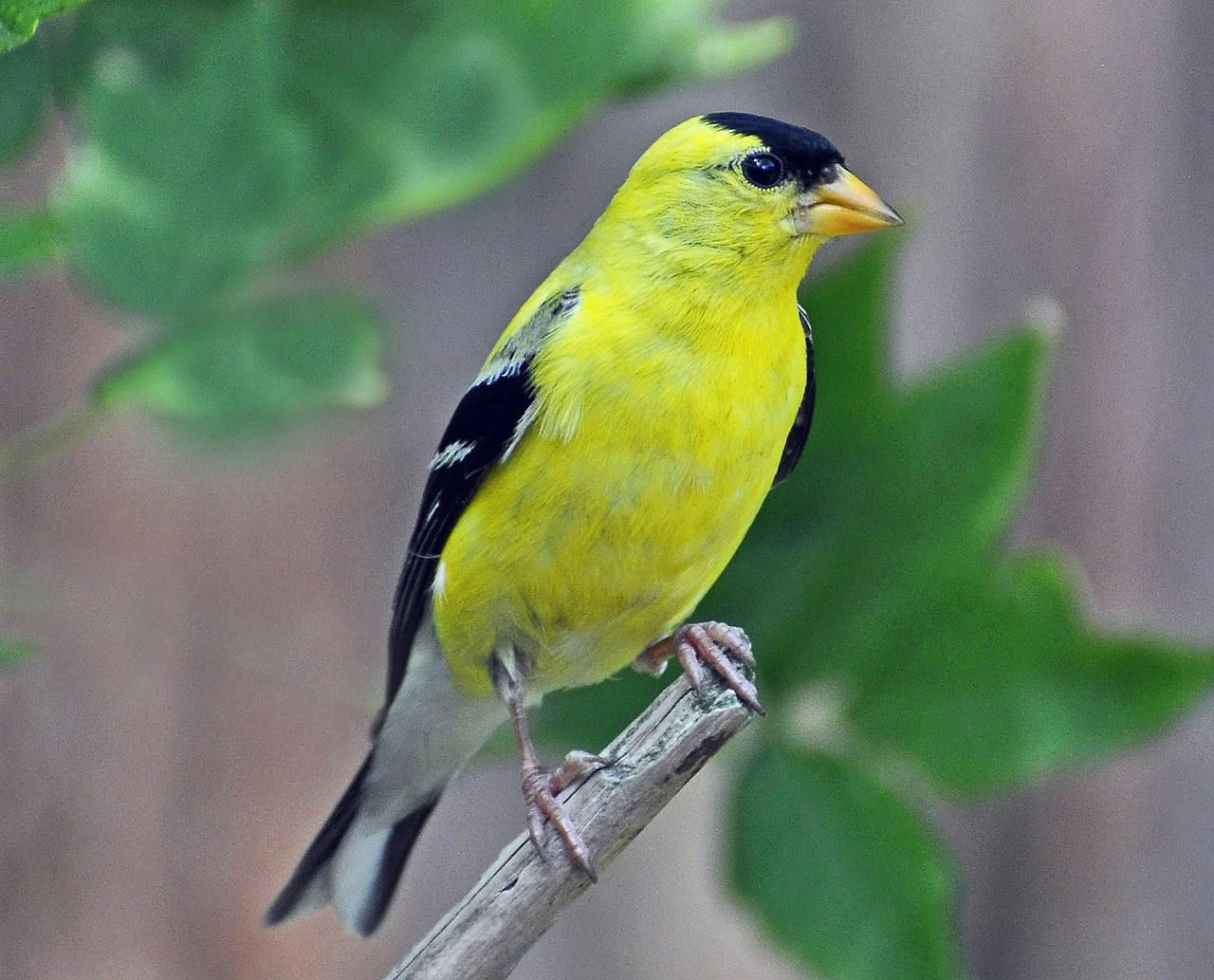
What Is Washington State’s State Bird? Compare With DC
Learn what Washington state’s bird is, spot it, and compare with Washington DC’s state bird plus the state flower.
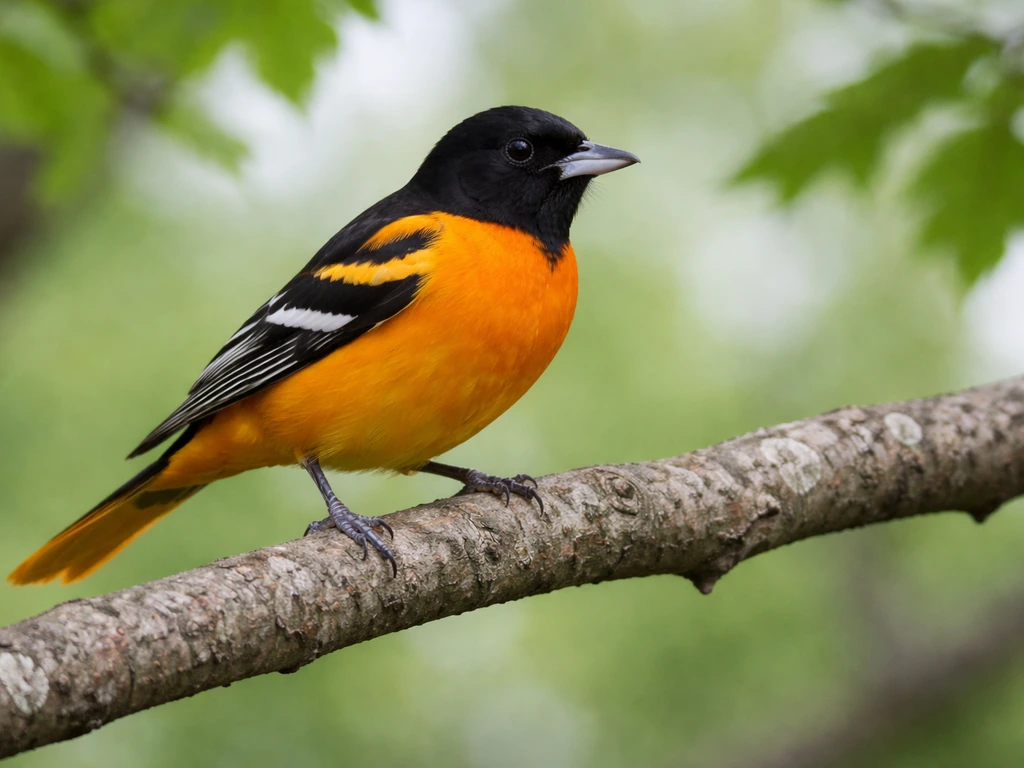
What Is Maryland’s State Bird? Official Bird, ID Tips
Maryland state bird is the Baltimore Oriole, with ID tips and history plus the official state flower facts.