The black-capped chickadee is the official state bird of Massachusetts because it is one of the most recognizable, widely distributed, and beloved birds in the commonwealth. Massachusetts officially adopted it on March 21, 1941, through the Massachusetts General Court, and it remains enshrined in Massachusetts General Laws, Chapter 2, Section 9 as 'the bird or bird emblem of the commonwealth.' The short reason it was chosen: this little bird is everywhere in Massachusetts year-round, instantly identifiable by sight and sound, and it thrives in exactly the kind of mixed landscape that defines the Bay State.
Why Is the Black-Capped Chickadee Massachusetts State Bird?

Marcus Webb
16 May 2026
Massachusetts state bird: the official designation
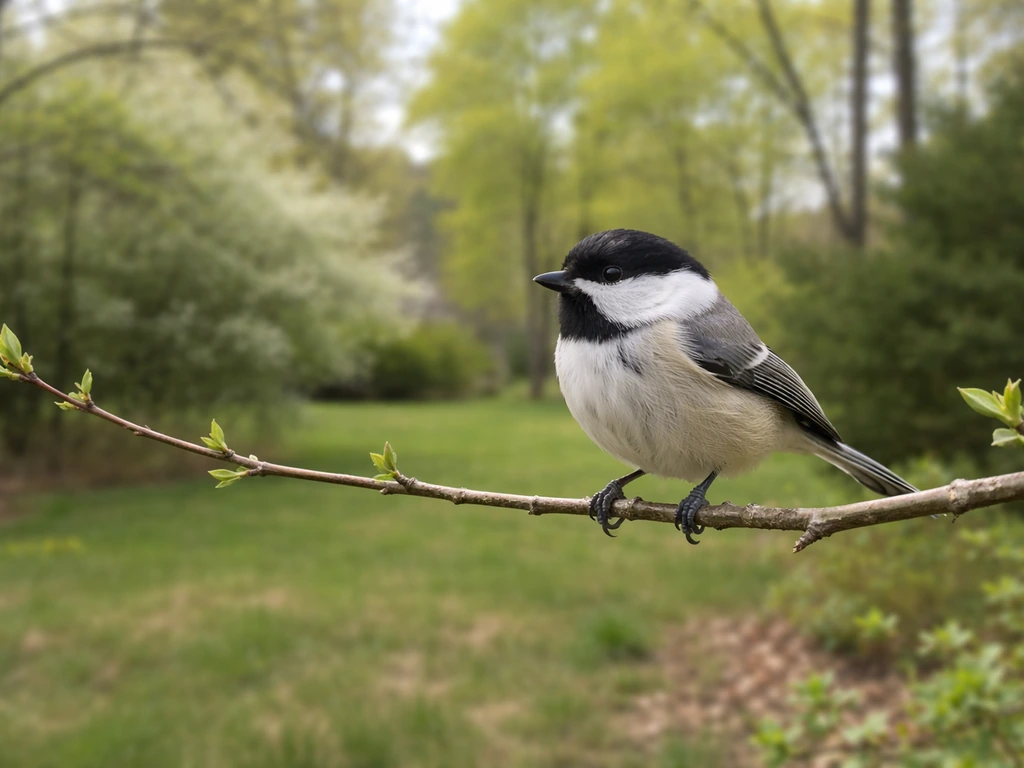
The law is straightforward. Massachusetts General Laws, Part I, Title I, Chapter 2, Section 9 reads: 'The chickadee (Penthestes atricapillus) shall be the bird or bird emblem of the commonwealth.' That scientific name, Penthestes atricapillus, is the older taxonomic designation for what we now call Poecile atricapillus, the black-capped chickadee. The Massachusetts Secretary of the Commonwealth lists it plainly under state symbols as the Black-capped Chickadee, adopted March 21, 1941.
The adoption came through the Massachusetts General Court, the state's legislature, making it a formal statutory designation rather than a ceremonial proclamation. That means the chickadee's status as state bird isn't just tradition, it's encoded in state law and has been for over 85 years.
Why the black-capped chickadee was chosen
Three things drove the selection: familiarity, distribution, and fit with the landscape. The Massachusetts Secretary of the Commonwealth describes the black-capped chickadee as 'one of the most familiar of the North American birds,' and that familiarity matters when choosing a state symbol. This isn't a rare or elusive species that most residents will never see, it's the bird at the feeder, in the backyard oak, and along the trail edge, all year long.
Mass Audubon calls it 'an apt choice to represent the Commonwealth as the state bird of Massachusetts,' pointing specifically to how well the species fits the Bay State's landscape: a 'mix of forest, agricultural land, and suburban development' that defines Massachusetts today. The chickadee doesn't need deep wilderness or pristine habitat. It thrives wherever there are trees, which in Massachusetts is essentially everywhere.
There's also the recognizability factor. The black-capped chickadee has one of the most distinctive calls in North American birding, that clear, whistled 'chick-adee-dee-dee' that even non-birders can identify. Picking a bird that residents can actually recognize and connect with is a smart move for a state symbol, and the chickadee delivers on that in a way few other species could.
What the bird looks like and where to find it in Massachusetts
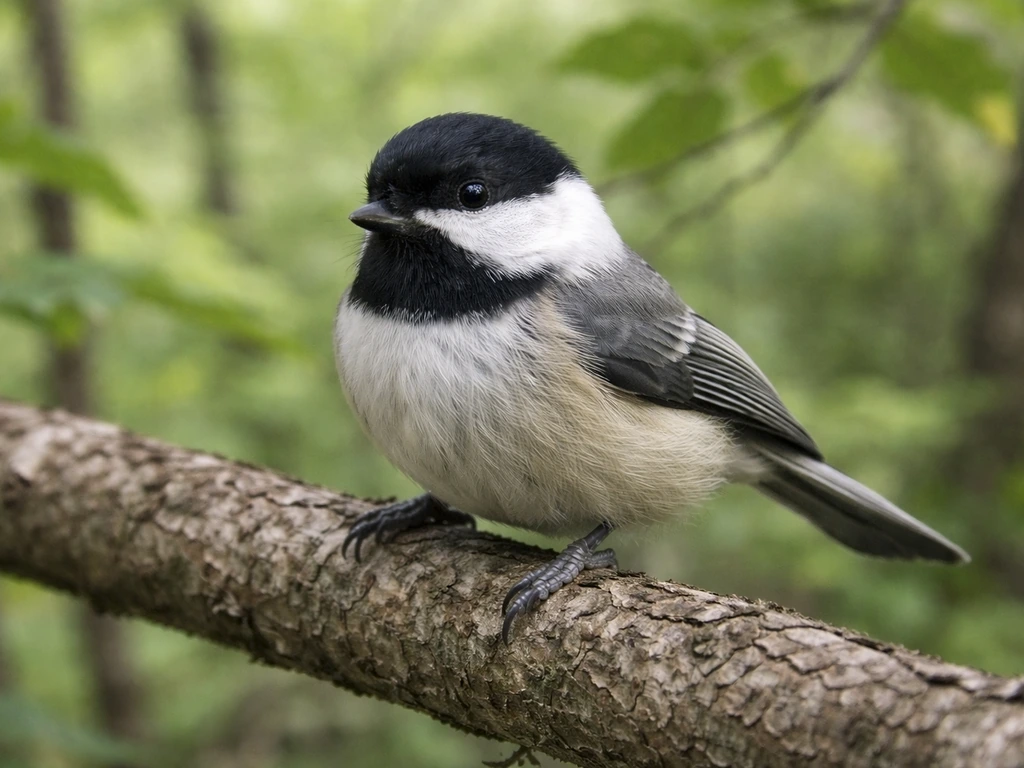
The black-capped chickadee is small, roughly 5 inches long, and built in a way that makes it instantly recognizable. The key field marks are simple: a solid black cap on top of the head, a black bib covering the chin and throat, and bright white cheeks flanked by those black patches. The back and wings are gray, and the sides have a soft buffy-white wash. It's a crisp, clean pattern that you won't confuse with much else once you've seen it a few times. If you want to draw the Massachusetts state bird, use its black cap and bib with the bright white cheeks as your starting shapes.
In Massachusetts, the black-capped chickadee is a permanent resident, it doesn't migrate south in winter, which is one reason it's so embedded in the state's identity. You'll find it in deciduous and mixed forests, woodland edges, suburban neighborhoods with mature trees, and parks. It's genuinely comfortable around people and will often approach closely, especially near feeders. If you're in Massachusetts and there are trees around, a chickadee is probably nearby. If you are curious what bird is on the Oregon driver’s license, the Oregon state symbol is different from Massachusetts and you can look it up on the state’s driver ID materials black-capped chickadee.
How it became the state bird: the 1941 adoption story
blank" rel="noopener noreferrer">The Massachusetts General Court voted to adopt the black-capped chickadee on March 21, 1941. If you're curious about other state symbols, you might also ask, what is Oregon's state bird? Like many state bird designations of the mid-20th century, this one came during a period when states across the country were formalizing their official symbols. Massachusetts had a clear and uncontroversial candidate: a bird that every resident knew, that was present in every corner of the state, and that carried no regional or political baggage. The chickadee won by being the obvious choice.
The Latin name used in the original law, Penthestes atricapillus, reflects the taxonomic understanding of the time. Modern ornithology reclassified the species to the genus Poecile, but the bird is the same one. The legal designation has never needed revision because the common name 'chickadee' is unambiguous in context, and the species has remained consistently present and identifiable across Massachusetts ever since.
Does any other state share the chickadee?
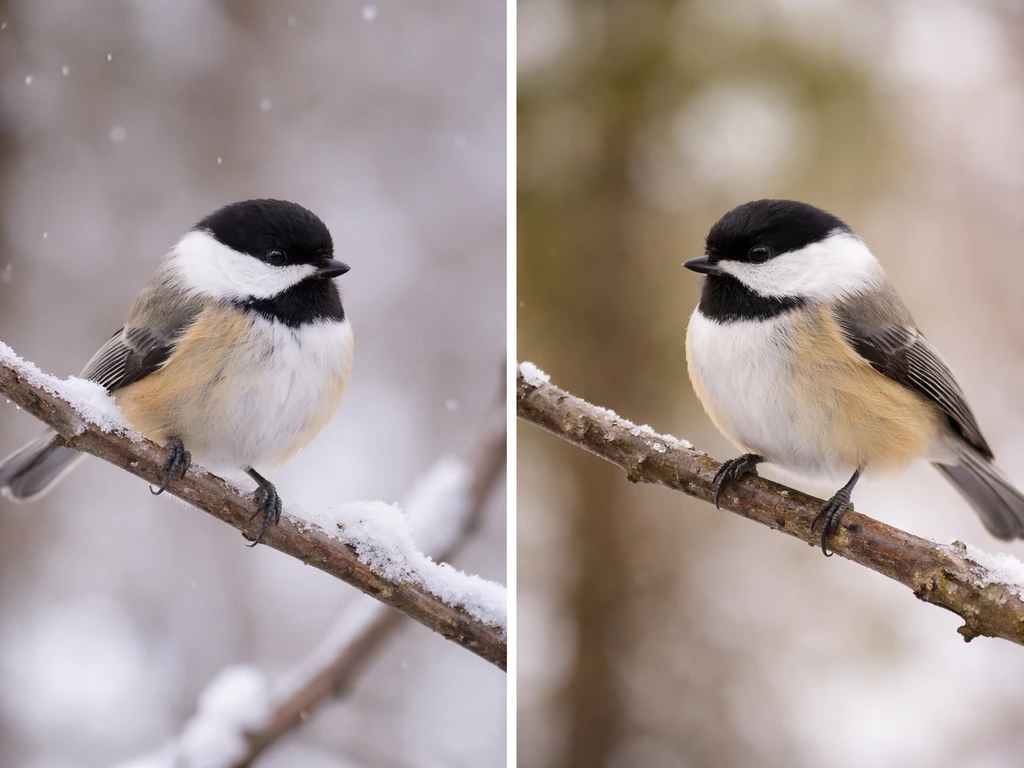
Massachusetts is actually one of only two states to designate a chickadee as its state bird. Maine chose the black-capped chickadee as well, making it a shared designation between the two New England neighbors. In Maine, the bird of the state is also the black-capped chickadee bird of Maine. Maine also uses the black-capped chickadee as its state bird Maine chose the black-capped chickadee. This is worth noting because it's relatively uncommon for two states to pick the exact same species, many states go out of their way to choose something unique. The black-capped chickadee's range is broad enough across the northern United States and Canada that both states had strong justification for the choice.
| State | State Bird | Year Adopted |
|---|---|---|
| Massachusetts | Black-capped Chickadee | 1941 |
| Maine | Black-capped Chickadee | 1927 |
Maine actually beat Massachusetts to it by over a decade, adopting the black-capped chickadee in 1927. Both states clearly arrived at the same conclusion independently: this is the bird that defines the New England experience for most residents. No other U.S. state currently designates the black-capped chickadee as its state bird, which makes it a distinctly northeastern choice. Other chickadee species (like the Carolina chickadee or mountain chickadee) range into other states, but none of those have been adopted as official state birds.
How to confirm you're seeing a black-capped chickadee today
If you're in Massachusetts and want to confirm a sighting, start with the call. The 'chick-adee-dee-dee' vocalization is the most reliable field mark, it's loud, clear, and the bird uses it constantly. The number of 'dee' notes at the end actually signals alarm level (more dees means more threat), which is a fun detail once you start paying attention.
For visual confirmation, look for the black cap and bib paired with those clean white cheeks. The bird is small and energetic, often hanging upside down from branches while foraging. If you're comparing it to something similar, the main look-alike risk in Massachusetts is the Carolina chickadee, but that species' range doesn't extend into New England, if you're in Massachusetts, you're looking at a black-capped chickadee.
- Listen for the clear 'chick-adee-dee-dee' call or a two-note whistled 'fee-bee' song
- Look for a black cap, black bib, and bright white cheeks — the pattern is crisp and distinctive
- Watch for active, acrobatic foraging behavior, often hanging from branch tips or suet feeders
- Check wooded areas, suburban yards with mature trees, parks, and forest edges across any part of Massachusetts
- Year-round resident: no need to wait for a particular season — they're present in January as reliably as in June
- Use a feeder with sunflower seeds or suet to attract them — chickadees are bold and will visit regularly
Apps like Merlin Bird ID (from Cornell Lab) can confirm sightings using either photo ID or sound recording, and the black-capped chickadee is one of the easiest identifications you'll make. For deeper exploration of Massachusetts bird life, Mass Audubon's network of sanctuaries across the state are excellent spots to observe chickadees in natural habitat alongside dozens of other species.
FAQ
Does the black-capped chickadee ever get confused with other chickadees in Massachusetts?
Yes, the main look-alike is the Carolina chickadee, but its range does not extend into New England. In Massachusetts, if you have a chickadee that has the black cap and bib plus the bold white cheeks, it is almost certainly the black-capped chickadee, especially if you hear the clear “chick-adee-dee-dee” call.
Is the black-capped chickadee actually a year-round bird in Massachusetts?
It is considered a permanent resident, so you can expect to see it in winter rather than only during the warmer months. If you are only hearing birds in summer, try checking feeder areas and woodland edges in colder weather, since chickadees often rely on human-provided food when conditions are harsh.
How can I confirm a sighting without relying on a perfect view of the bird’s face markings?
Use the call first. The “chick-adee-dee-dee” vocalization is the most reliable cue, and the number and intensity of the final “dee” notes can change with the bird’s alarm level. If the bird is moving quickly, sound confirmation can be easier than memorizing the pattern.
Why is this state bird designation written with an older scientific name?
The law used an older genus designation (Penthestes atricapillus). Modern ornithology later reclassified the genus, but the species itself is the same animal. The statute has not needed a name rewrite because the legal and common-name identification remains unambiguous in context.
Is it true only Massachusetts and Maine chose the same state bird?
That’s correct. Both states designated the black-capped chickadee, which is relatively rare because most states pick unique symbols. If you are comparing symbols, don’t assume “state bird” means “unique within the country,” since a few states share the same species.
What habitat features make Massachusetts the right place for chickadees?
They do best where there are trees and lots of edge, including deciduous or mixed forests, park woodlots, and suburban neighborhoods with mature tree cover. You do not need deep wilderness, so even urban or suburban yards can host chickadees if there are feeding opportunities and suitable cover.
Can I help chickadees show up near my home if I want to observe the state bird?
Yes. Chickadees frequently visit feeders, especially in winter, and they also forage along branches and near woodland edges. Use small, simple feeder setups and keep the area consistent, since they tend to repeatedly use the same nearby routes once they’re comfortable.
Does the “bird emblem of the commonwealth” wording mean something different from “state bird”?
Legally, it is effectively the state bird designation. The phrase “bird or bird emblem” is the statute’s way of covering both the species and any symbolic use, but in practice it points to the black-capped chickadee as the official symbol.
How do I tell if the chickadee on my feeder is definitely a black-capped chickadee and not another similar species?
Cross-check two things: the facial pattern (black cap and bib with bright white cheeks) and the call. Many backyard birds can be small and active, but few share that combination in Massachusetts. If you are still unsure, record a short audio clip and compare it with a reliable bird-ID sound reference.
Next Articles
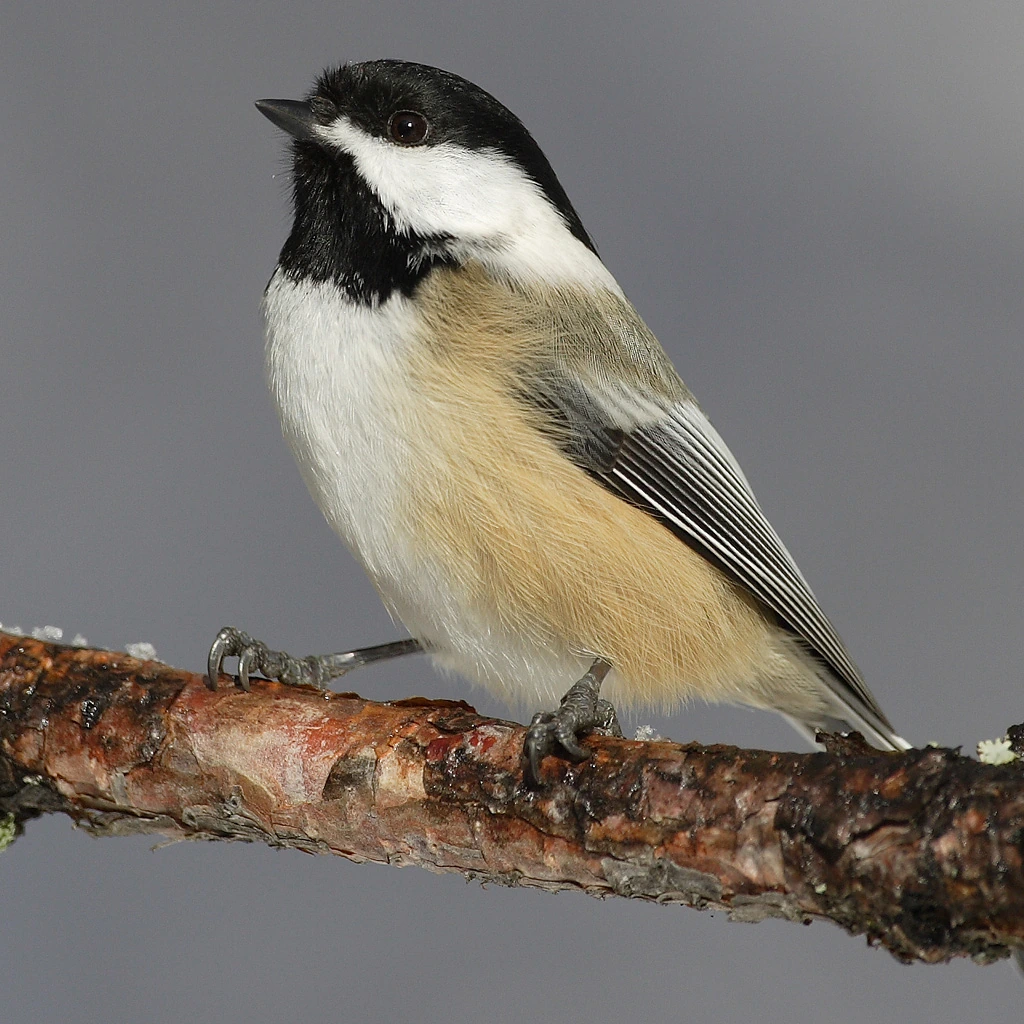
What Is the Bird of Maine? Identify the State Bird
Maine state bird ID, how to spot it, where to find it, and why it was chosen plus similar birds in other states
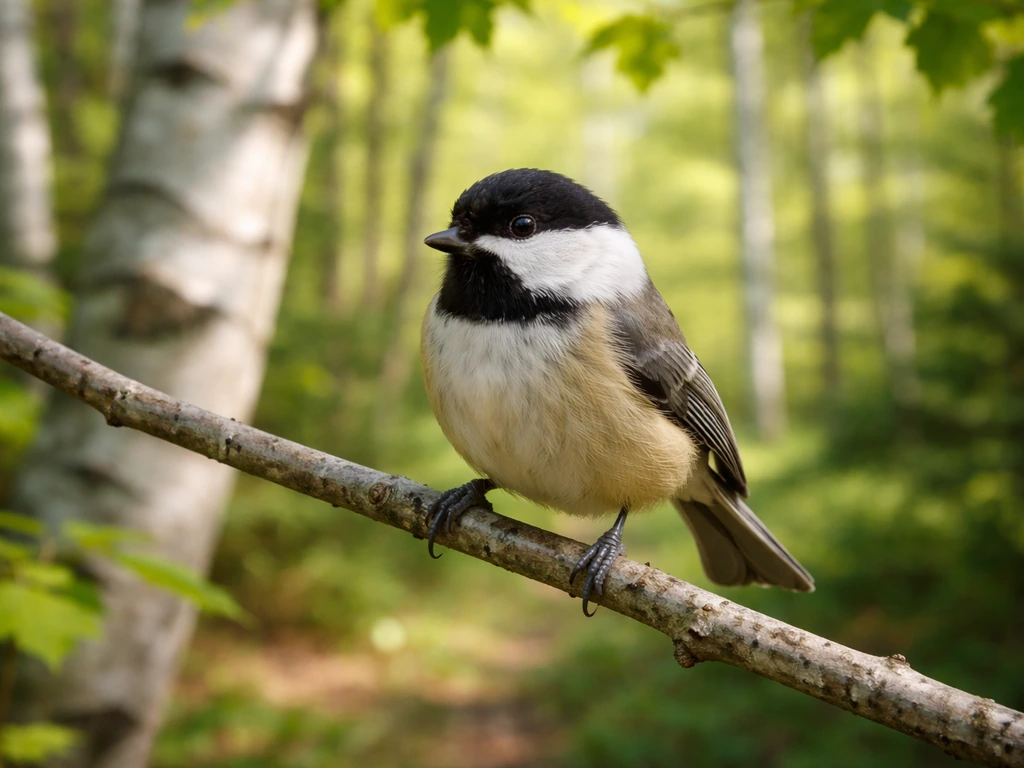
What Is Maine's State Bird? Bird ID, History, Facts
Get the answer to what is Maine state bird, plus ID tips, habitat, and the history of its official designation.
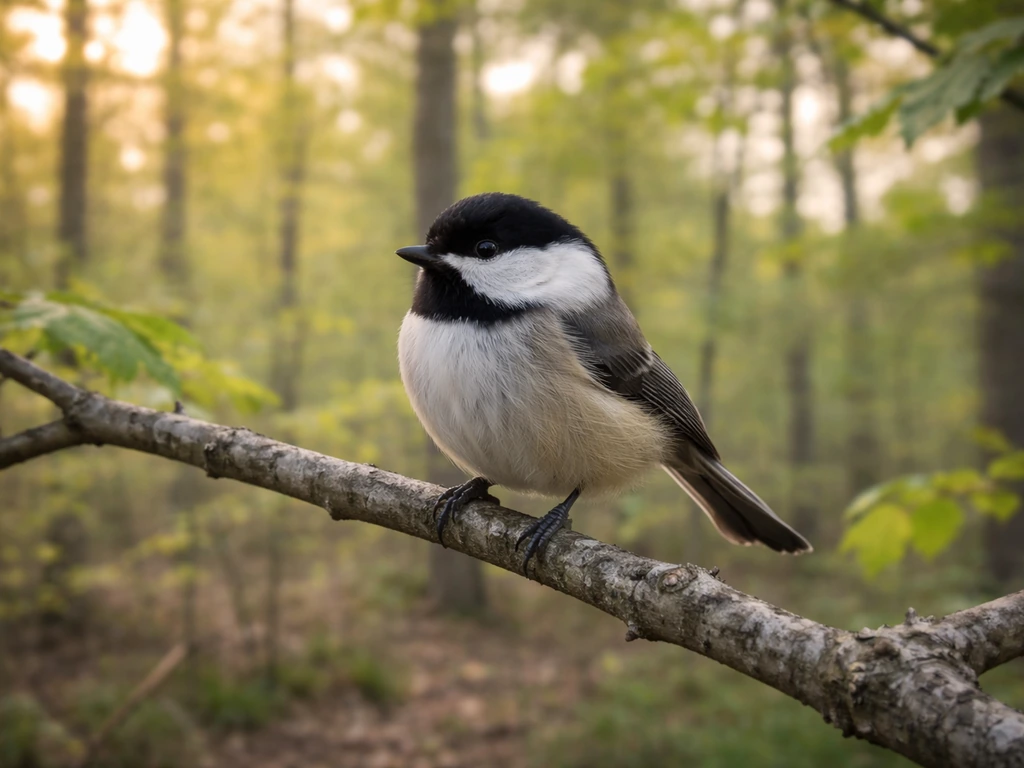
What Is the State Bird for Massachusetts? Identification Guide
Learn the official Massachusetts state bird, how to identify it, where to spot it, and why it was chosen.