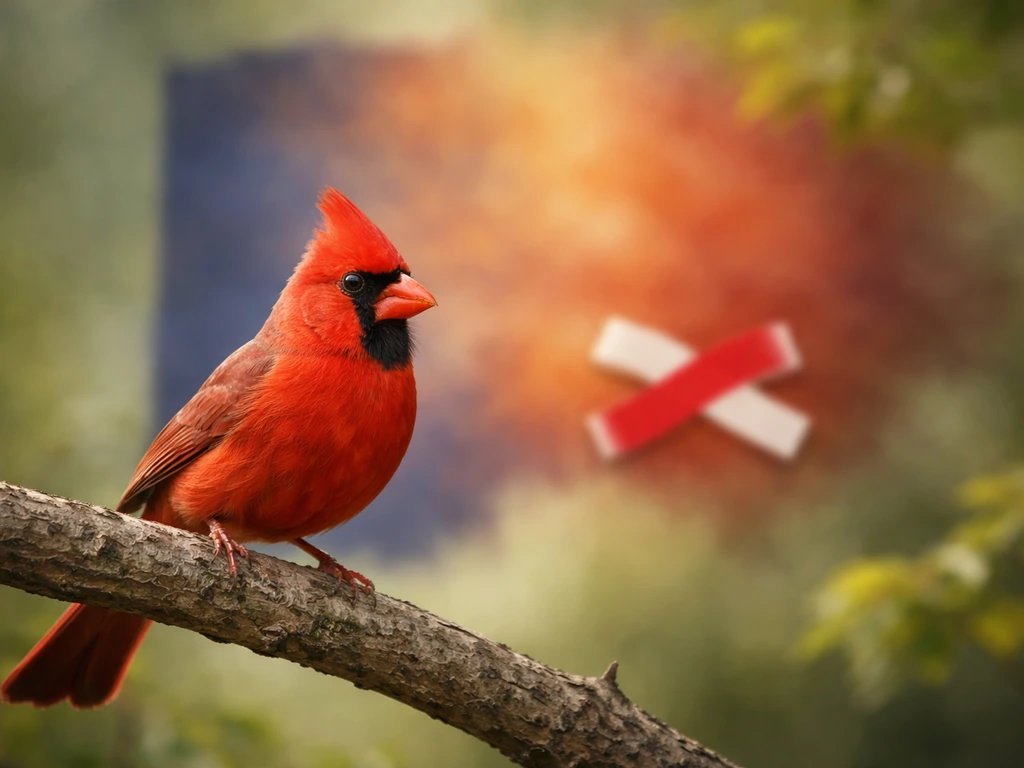
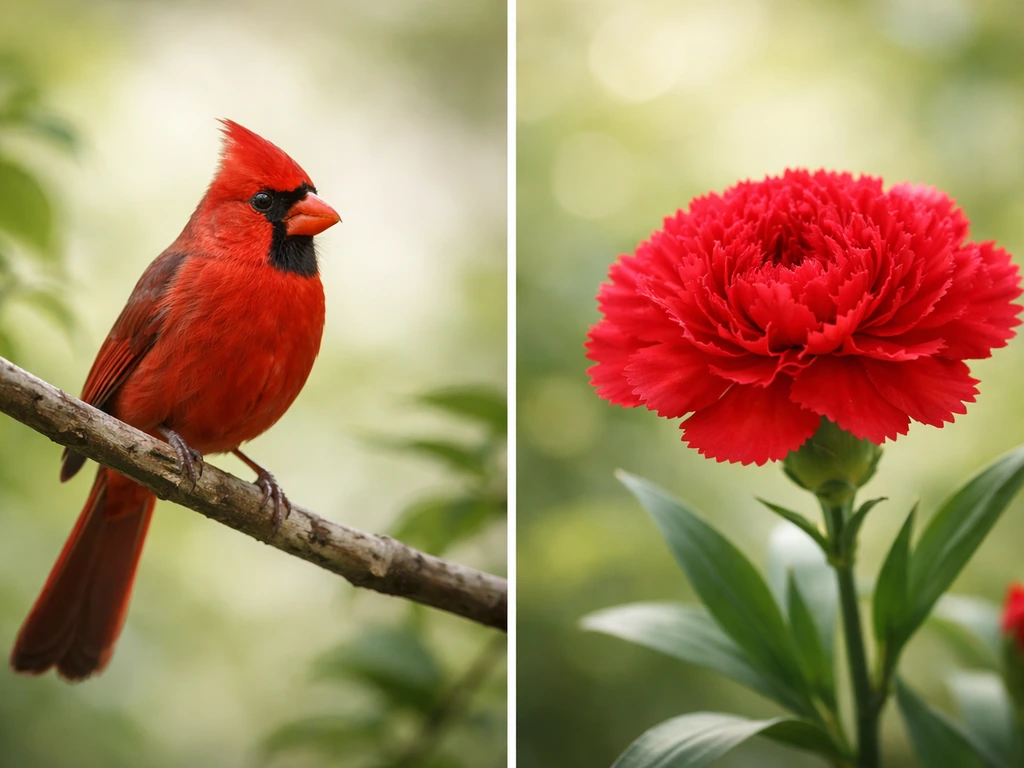
Ohio's official state bird is the Northern Cardinal (Cardinalis cardinalis), adopted in 1933. Ohio DNR’s Ohio State Nature Symbols coloring page also states that the Northern Cardinal is Ohio’s state bird and notes the recognition began in 1933. Ohio's official state flower is the scarlet carnation, adopted on January 29, 1904. Both are codified in Ohio Revised Code Chapter 5, sections 5.03 and 5.02 respectively.
What Is the Ohio State Flower and Bird? Quick Guide

Marcus Webb
6 Jun 2026
Ohio's State Bird: The Northern Cardinal
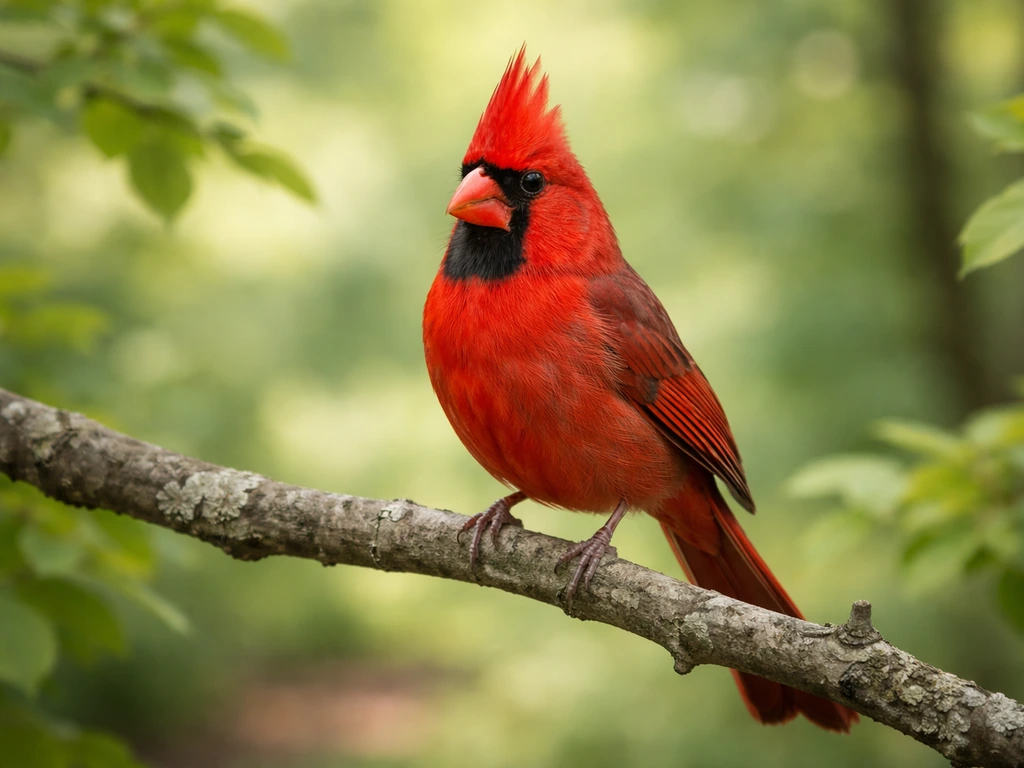
The Northern Cardinal became Ohio's official state bird in 1933 when the Ohio General Assembly designated it under what is now Ohio Revised Code § 5.03. The statute names it scientifically as "cardinalis cardinalis" and describes it simply as "the cardinal." It's a year-round resident across Ohio, meaning you can spot it in January snowfall just as easily as in a July backyard, which made it a natural pick for a permanent state symbol.
Ohio's State Flower: The Scarlet Carnation
The scarlet carnation was adopted as Ohio's state flower on January 29, 1904. Ohio Revised Code § 5.02 spells out the reasoning directly: it was adopted "as a token of love and reverence for the memory of William McKinley," the 25th President of the United States and an Ohio native who was assassinated in 1901. McKinley was known for wearing a scarlet carnation as his personal good-luck charm, so the choice was both a tribute and a deeply personal symbol for the state. The scientific name is Dianthus caryophyllus.
Why Ohio Chose These Two Symbols
The Cardinal's Selection
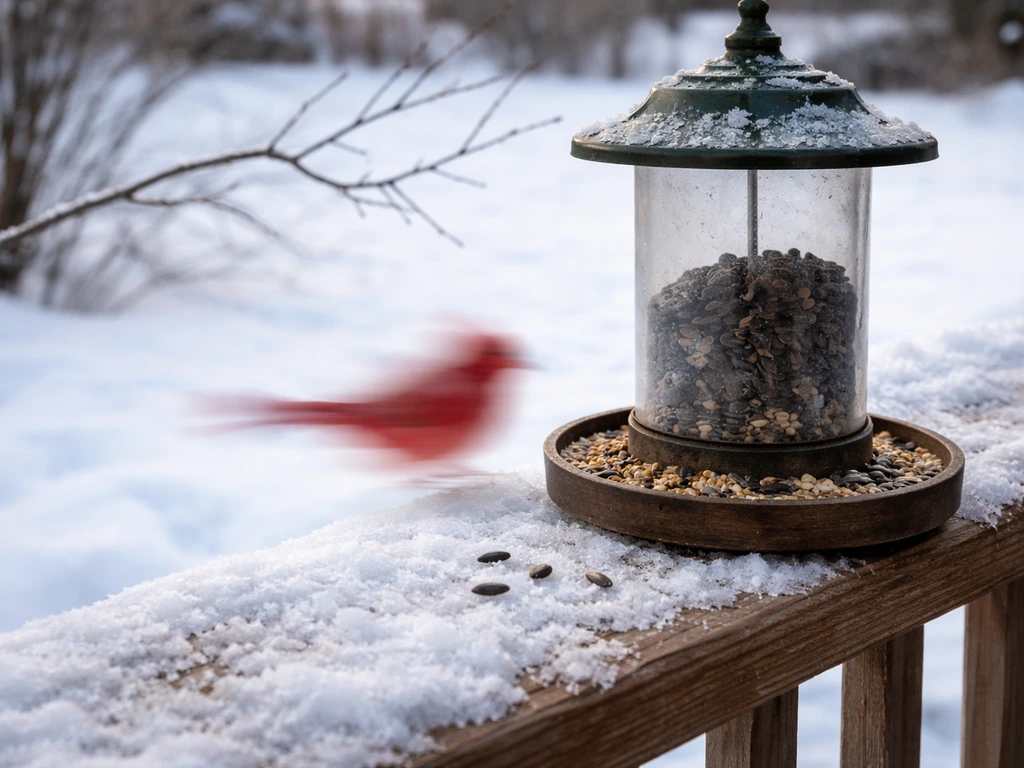
The cardinal was chosen in part because it's one of the most visible and beloved birds in the eastern United States. It doesn't migrate, it visits feeders reliably all winter, and the male's brilliant red color makes it instantly recognizable to people who wouldn't call themselves birders. In the early 1930s, several states were formalizing their state bird selections, and Ohio joined that wave by picking a species that genuinely represented the state's landscape and everyday wildlife.
The Carnation's Selection
The carnation choice was straightforward and emotional. McKinley died in September 1901, and Ohioans felt the loss deeply. He had represented Ohio in Congress and served as governor before becoming president, and his signature flower habit was well known. The state legislature acted just a few years after his death to make the tribute official. It's one of the clearest cases in American state-symbol history where a flower selection was driven by a specific, named person rather than regional ecology or agricultural tradition.
How to Identify the Northern Cardinal
The cardinal is a fairly large songbird with a long tail, a prominent crest on top of its head, and a thick, conical, orange-red bill built for cracking seeds. The male is the one most people picture: brilliant all-over red with a distinctive black mask covering the face and throat. The female is softer, buff and grayish-brown overall, but she shares the same crest and that reddish-orange bill, plus warm red tones in her wings and tail. If you see a crested bird with that chunky bill at your feeder, it's almost certainly a cardinal regardless of sex.
Cardinals live in brushy, semi-open habitats rather than deep forest. In Ohio, look for them along forest edges, in shrubby backyards, overgrown fencerows, riparian thickets along streams, and city parks with dense shrubbery. They rarely venture far from cover. At feeders, they strongly prefer sunflower seeds and will show up on the ground below a feeder as often as on the perch itself. Their song is a loud, clear, whistled series that sounds like "cheer-cheer-cheer" or "birdy-birdy-birdy," and both males and females sing, which is less common among songbirds.
How to Identify the Scarlet Carnation
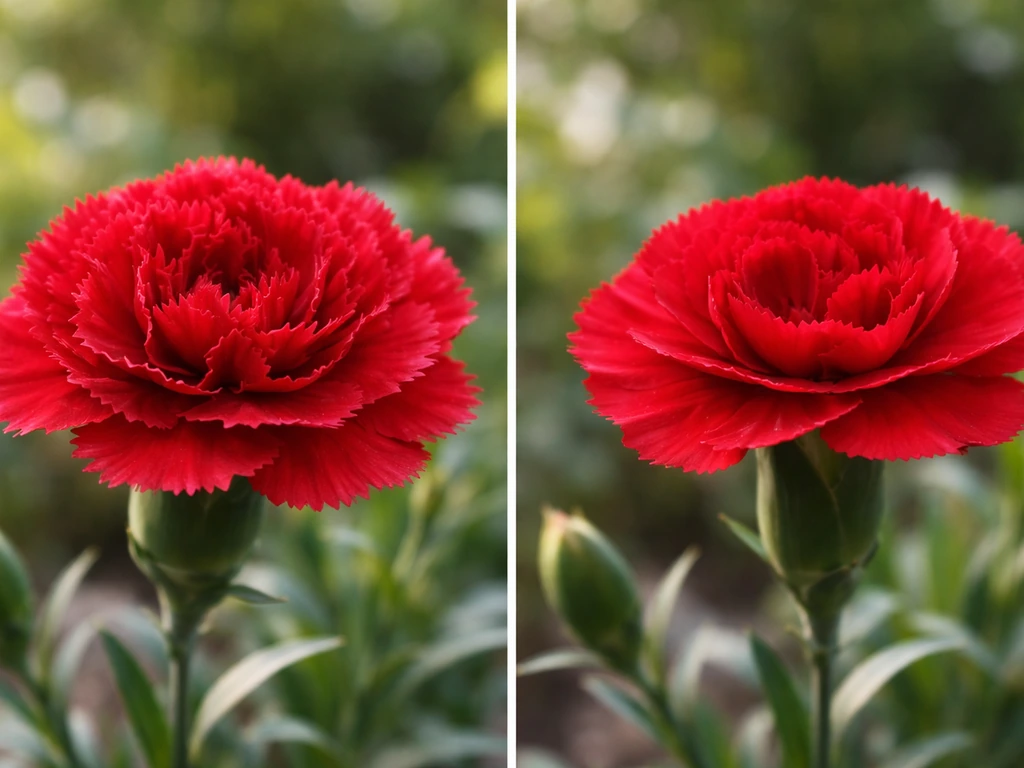
The scarlet carnation is Dianthus caryophyllus in its red form. The most recognizable trait is the flower's fringed or "pinked" petal edges, which look almost lacy or ruffled. The blooms are deeply red (scarlet, specifically) and carry a spicy, clove-like fragrance that's distinctive once you know what you're smelling. The plant itself grows upright, typically reaching 12 to 24 inches, with narrow blue-green leaves. In garden conditions, carnations prefer full sun and well-drained soil. Bloom time in Ohio typically runs from late spring into early summer, with a rebloom possible in fall.
The Cardinal Is Ohio's Bird, But Not Only Ohio's
The Northern Cardinal is one of the most popular state birds in the country, and Ohio shares it with six other states. That's the highest number of states sharing a single bird species in the U.S. Kentucky was the first to claim it, adopting the cardinal as its state bird in 1926, seven years before Ohio. All seven states are in the cardinal's core eastern range, which explains the overlap.
| State | Year Adopted |
|---|---|
| Kentucky | 1926 |
| Indiana | 1933 |
| Ohio | 1933 |
| Illinois | 1929 |
| North Carolina | 1943 |
| Virginia | 1950 |
| West Virginia | 1949 |
Ohio adopted the cardinal the same year as Indiana (1933), and both states landed on the same species independently as part of that 1930s wave of state-symbol designations. Indiana's state bird is Larry, so if you are comparing state symbols, it is worth adding that detail to your list. Indiana adopted the Northern Cardinal as its state bird in 1933, which is why you might be wondering why it was chosen there too Indiana (1933). If you're curious how other states justified the same choice, the reasoning in Virginia and Indiana (and Kentucky especially) tracks closely with Ohio's: the bird is non-migratory, widespread, and unmistakably beautiful. Virginia also lists the Northern Cardinal as its state bird, and the same basic reasons apply: it is common, non-migratory, and easy to recognize. What makes Ohio's choice stand on its own is the 1933 adoption date and its specific legislative record under Ohio Revised Code § 5.03.
Where to See Ohio's State Bird and Flower
Cardinals are genuinely everywhere in Ohio year-round. Set up a feeder with black-oil sunflower seeds in any Ohio backyard and you'll likely have a pair visiting within days. State parks, metro park trail edges, and riparian corridors along rivers like the Olentangy or Scioto in central Ohio are reliable spots. For a more deliberate encounter with Ohio's cardinal identity, the Ohio State Fair in Columbus features a large cardinal statue just inside the North entrance, a popular photo stop that's become a fairgrounds landmark in its own right.
For the scarlet carnation, your best bets are botanical gardens and heritage gardens that include state-symbol plantings. The McKinley Presidential Library and Museum in Canton, Ohio, where McKinley is buried, naturally incorporates carnation tributes and is the most historically connected place to see the flower in context. Home gardeners across Ohio also grow carnations successfully given the right sun and drainage conditions, so they're common in residential gardens from late spring onward.
Quick Facts at a Glance
| Symbol | Name | Scientific Name | Year Adopted | Key Detail |
|---|---|---|---|---|
| State Bird | Northern Cardinal | Cardinalis cardinalis | 1933 | Brilliant red male with crest and black mask; year-round Ohio resident |
| State Flower | Scarlet Carnation | Dianthus caryophyllus | 1904 | Adopted in memory of President William McKinley; fringed red petals, clove scent |
FAQ
Does Ohio have different scientific names for the state bird and state flower in its official records?
Yes, both symbols are fixed by Ohio law, but the bird’s scientific name and the flower’s scientific name are different. The Northern Cardinal is listed as “cardinalis cardinalis,” while the scarlet carnation is Dianthus caryophyllus (in its scarlet form). If you are looking for official wording, use the Ohio Revised Code chapter and section numbers referenced in the article.
If I grow carnations in different colors, are they still considered Ohio’s state flower?
It can, especially for people who only remember “carnation” as a general plant. Ohio’s official flower is the scarlet carnation specifically, so white, pink, or other carnation varieties are not the same state symbol even if they share similar petal shapes.
If the Northern Cardinal is non-migratory, why might I not see one in my backyard during certain weeks?
The Northern Cardinal typically stays in Ohio year-round, but “resident” does not mean you will always see one every day. Weather extremes and feeder availability affect sightings, and cardinals are most dependable at seed feeders stocked with black-oil sunflower seeds.
What are the fastest visual clues to confirm a bird is a Northern Cardinal, not a similar species?
For identifying cardinals at a feeder, look for the combination of a crest, a thick conical orange-red bill, and the male’s black facial mask. Female cardinals are more buff and grayish, but they still show the crest and the characteristic bill shape, which is the quickest check.
Should I look at the feeder or the ground to spot Ohio cardinals?
Yes, cardinals show up frequently on the ground under feeders, so you can still have the right bird even if you only see it hopping below the perch. They also tend to stick close to cover, so placing a feeder near shrubs or a fence line increases your chances.
Where should I place a feeder or go locally if my goal is to reliably see the Ohio state bird?
If you want the most “Ohio-specific” bird encounter, use a sunflower-seed feeder and watch near brushy edges, not deep open areas. If your goal is a quick photo, the article’s note about the Ohio State Fair cardinal statue is the most direct non-wild option, but for live viewing, habitat edge and riparian thickets are usually better.
When should I expect Ohio scarlet carnations to bloom, and can the timing shift?
Scarlet carnations generally bloom from late spring into early summer in Ohio conditions, and reblooming in fall is sometimes possible. If you buy plants early or rely on indoor starts, the flowering window can shift because temperature and daylight drive bloom timing.
What common mistake do people make when comparing Ohio’s state symbols to other states’ selections?
If you are trying to teach or share the symbols correctly, avoid mixing in other states’ nicknames or placeholders that sometimes appear online. For example, Indiana is mentioned in the article for context, but Ohio’s official choices remain the Northern Cardinal and the scarlet carnation.
Next Article
The State Bird of Indiana Is Larry? Official Answer
Indiana state bird is not Larry. Get the official species, why it was chosen, and how to verify and identify it.