Nova Scotia's official provincial bird is the Osprey (Pandion haliaetus), adopted by an Act of the Nova Scotia House of Assembly in 1994. New Brunswick's provincial bird is the Black-capped Chickadee (Poecile atricapillus), proclaimed by Order-in-Council on August 13, 1983. These two neighboring Maritime provinces went in completely different directions with their choices, one picking a large fish-hunting raptor and the other a small, beloved backyard songbird. South Australia also has a bird emblem, which is used as a public symbol of the state bird emblem of South Australia.
What Is the Provincial Bird of Nova Scotia? (Official Symbol)

Marcus Webb
29 May 2026

Nova Scotia's Provincial Bird: The Osprey
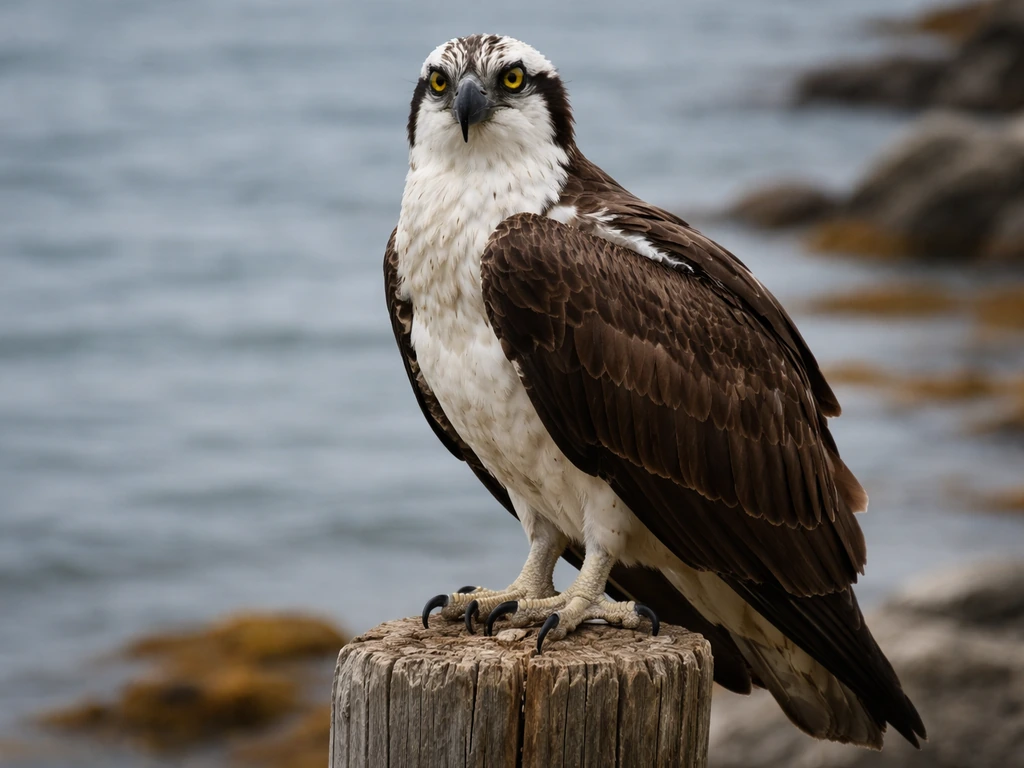
The Osprey is Nova Scotia's official provincial bird, designated in 1994 by a formal Act of the House of Assembly. It is one of the most recognizable raptors in North America and a fitting symbol for a province so deeply tied to coastal and aquatic landscapes. If you are comparing symbols across Canada, you may also want to look up what is the provincial bird of British Columbia.
New Brunswick's Provincial Bird: The Black-capped Chickadee
The Black-capped Chickadee is New Brunswick's official provincial bird, proclaimed on August 13, 1983. Unlike Nova Scotia's top-down legislative act, New Brunswick's designation came directly out of a public contest run by the New Brunswick Federation of Naturalists, which gave the choice genuine grassroots credibility.
How to Identify Each Bird in the Field
Spotting an Osprey
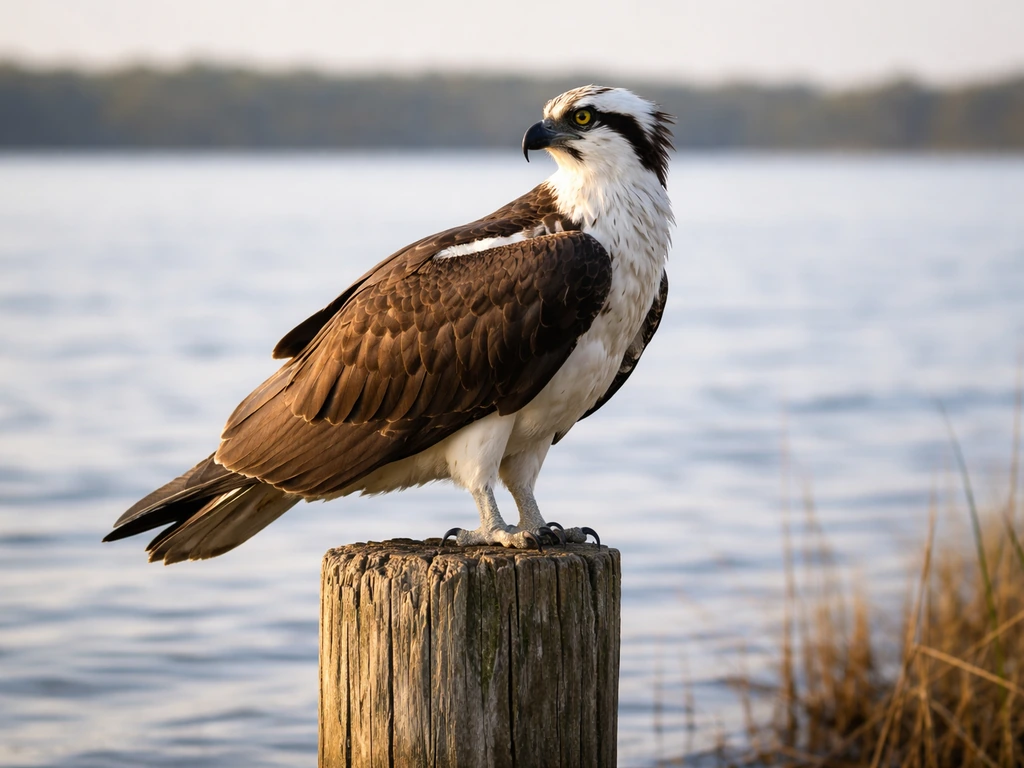
Ospreys are large birds with a wingspan that can reach nearly six feet. Look for brown upperparts sharply contrasting with white underparts, and a distinctive dark eye stripe running across the face on an otherwise white head. In flight, the wings often show a characteristic bend at the wrist, giving them a slightly M-shaped silhouette when seen from below. The most reliable field cue is behavioral: if you see a large raptor hovering over open water before diving feet-first, or flying away with a fish locked in its talons, that is almost certainly an osprey. They are almost always found near water, whether coastal bays, lakes, or rivers.
Spotting a Black-capped Chickadee
Black-capped Chickadees are small, lively birds and among the easiest to identify in North America. The key marks are a solid black cap, a black bib under the chin, and bright white cheeks that create a strong contrast. Audubon's Field Guide notes that black-capped chickadees have a black cap and bib, a gray back, and a buff wash on the sides [black cap and bib, a black bib under the chin](https://www. audubon.
org/field-guide/bird/black-capped-chickadee). The back and wings are gray, and the sides have a warm buffy wash. Their two-note whistle, a descending 'fee-bee' call, carries clearly through the woods and is heard year-round, even in winter. You will find them in mixed and deciduous forests, along forest edges, in willow thickets, and readily at backyard feeders.
They tend to be curious and approachable, often one of the first birds to investigate a new feeder.
Why Each Province Chose Its Bird
Why the Osprey for Nova Scotia
Nova Scotia's connection to the ocean is central to its identity, and the osprey reflects that perfectly. The bird lives and hunts on water, making its living by plunging into coastal waters and lakes for fish. Choosing the osprey was a way of symbolically linking the province's natural character to its maritime heritage. Few birds better represent a coastline province than one that literally depends on the sea for survival.
Why the Black-capped Chickadee for New Brunswick
The chickadee won New Brunswick's heart through a public contest organized by the provincial Federation of Naturalists in 1983. Its appeal is easy to understand: this is a bird that stays through harsh Maritime winters, is found in virtually every wooded corner of the province, and is familiar to birders and non-birders alike. The bird's distinctive song is also described as one heard throughout the year, reinforcing its year-round presence as a genuine emblem of the province rather than a seasonal visitor.
The History Behind Each Designation
New Brunswick was earlier to the mark, officially proclaiming the Black-capped Chickadee on August 13, 1983, through an Order-in-Council following the naturalists' contest. Nova Scotia followed more than a decade later, formally adopting the Osprey in 1994 through an Act of the House of Assembly, which gave the designation the weight of provincial legislation. Both processes reflect different routes to the same goal: officially recognizing a bird that represents the character and natural environment of the province.
Nova Scotia vs. New Brunswick: Different Birds, Different Stories
These two provinces do not share a provincial bird. In Queensland, the bird emblem is the iconic red-tailed black cockatoo bird emblem of Queensland. Nova Scotia went with a large, charismatic raptor tied to the coast, while New Brunswick chose a small woodland songbird beloved for its year-round presence and familiar call. The contrast actually reflects real geographic and cultural differences: Nova Scotia is defined by its coastlines and fishing heritage, while New Brunswick has extensive inland forests and a tradition of community naturalist activity.
| Feature | Nova Scotia (Osprey) | New Brunswick (Black-capped Chickadee) |
|---|---|---|
| Scientific name | Pandion haliaetus | Poecile atricapillus |
| Size | Large raptor, wingspan up to ~6 ft | Small songbird, roughly 5 inches |
| Key markings | Brown back, white underparts, dark eye stripe | Black cap and bib, white cheeks, gray back, buffy sides |
| Habitat | Coastal waters, lakes, rivers | Mixed/deciduous forest, forest edge, feeders |
| Best field cue | Hovering over water, fishing with feet | Descending 'fee-bee' whistle, black-and-white face |
| Year designated | 1994 | 1983 |
| How designated | Act of the House of Assembly | Order-in-Council after public contest |
If you are working through Canadian provincial birds systematically, other Maritime and eastern provinces make for interesting comparisons. Ontario, Prince Edward Island, British Columbia, and Saskatchewan each have their own official provincial birds with distinct designation histories. Saskatchewan's provincial bird is the Great Grey Owl, officially designated as the province's avian symbol. To learn more about the Maritime province, see what bird Prince Edward Island has designated as its provincial bird.
In British Columbia, the provincial bird is the Great Blue Heron. Ontario’s official provincial bird is the Eastern Goldfinch. The Black-capped Chickadee in particular turns up in more than one provincial and state context across North America, making it worth cross-checking as you map out which regions share the same species.
FAQ
Is the osprey the only official provincial bird symbol for Nova Scotia?
Yes. Nova Scotia’s official provincial bird is the osprey, designated through a formal Act. Other birds may be used in tourism or wildlife messaging, but they are not the legally recognized provincial symbol.
When was Nova Scotia’s provincial bird officially adopted, and what does the date mean?
It was adopted in 1994 by a House of Assembly Act. The year refers to when the legal designation was made, not when ospreys first appeared in the province or when they were first observed locally.
How can I confirm I’m seeing an osprey rather than a different raptor near water?
Focus on behavior and flight style. Ospreys commonly hover over open water, then dive feet-first with a fish. A bird that’s gliding with no plunge behavior or lacking the dark eye stripe is more likely a different species.
Do ospreys stay in Nova Scotia year-round?
Often they do not. Many ospreys migrate seasonally, so the province may see fewer birds in winter compared with the warmer months when they’re actively hunting and more frequently visible along shorelines and large inland waterways.
Are there specific spots in Nova Scotia where ospreys are most likely to be seen?
Look for coastlines, harbors, and large lakes or rivers with reliable fish access. Ospreys typically choose hunting areas with open water where they can hover before diving, so viewpoints over bays, channels, and wider river stretches are usually your best bet.
What’s the fastest way to identify a black-capped chickadee if I’m at a feeder?
Chickadees are often easy at feeders because they investigate quickly. Use the face pattern: a black cap and bib with bright white cheeks, plus a small size and a clear two-note “fee-bee” style call (descends on the second note).
Do black-capped chickadees occur in Nova Scotia, even though the osprey is the provincial bird there?
Yes. The provincial bird designation does not limit a species to that province. The black-capped chickadee can be found across much of the region, including Nova Scotia, even though it represents New Brunswick officially.
Why does the article mention that New Brunswick used a public contest, does that affect the meaning of the symbol?
It can help explain how widely the symbol resonated with residents. Even so, the key point is that New Brunswick’s designation still became official through an Order-in-Council, so it holds the same status as a provincially recognized emblem.
Do other provinces have the same bird as Nova Scotia’s provincial bird?
Not commonly. While ospreys exist widely in Canada and the Americas, they are not the official provincial bird for many provinces. If you are comparing symbols, it’s worth checking each province’s specific official designation rather than assuming shared species equals shared status.
Next Articles

What Is Saskatchewan’s Provincial Bird? Identify It Fast
Find Saskatchewan’s provincial bird name, quick ID tips, why it was chosen, and where to verify the symbol.

What Is the Provincial Bird of Ontario?
Ontario provincial bird is the Eastern Bluebird, with ID tips and whether it is the official symbol.
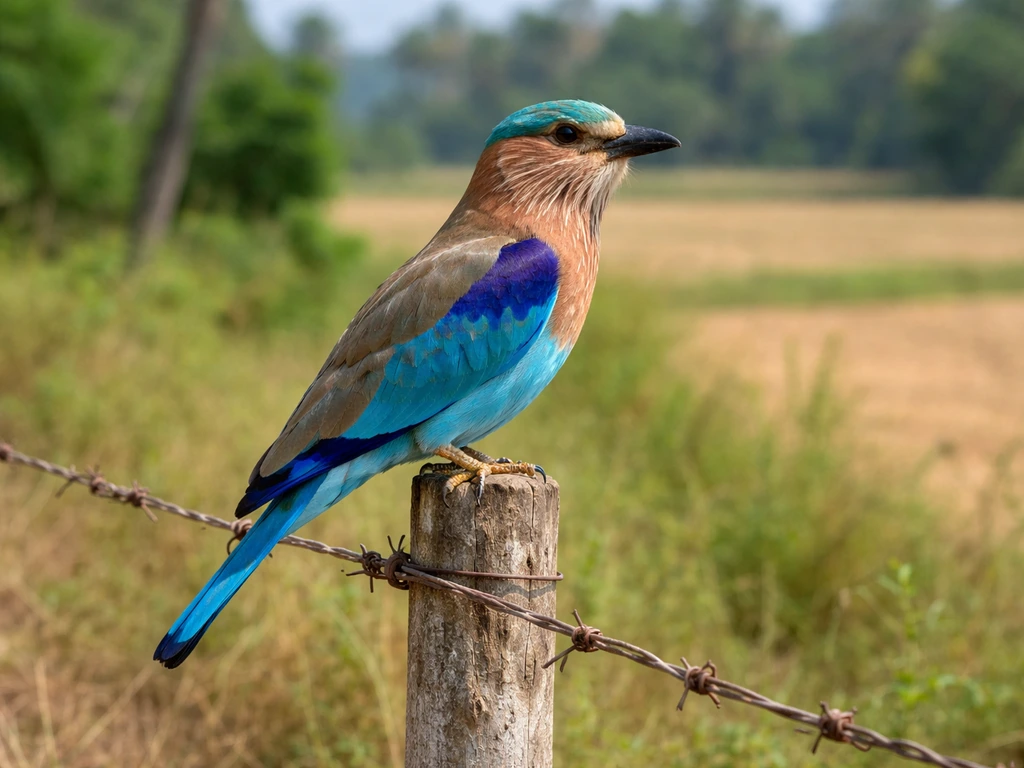
Which Is Karnataka State Bird? Identification and Facts
Discover Karnataka’s official state bird, key ID traits, where to spot it, and why it was chosen.