The yellow-footed green pigeon is not the state bird of any U.S. state. It is the state bird of Maharashtra, India. If you landed here looking for a U.S. state symbol, this bird simply isn't on the list for any of the 50 states, and this article will help you figure out exactly what to search instead.
Yellow-footed green pigeon: which state bird is it?

Marcus Webb
14 Jun 2026
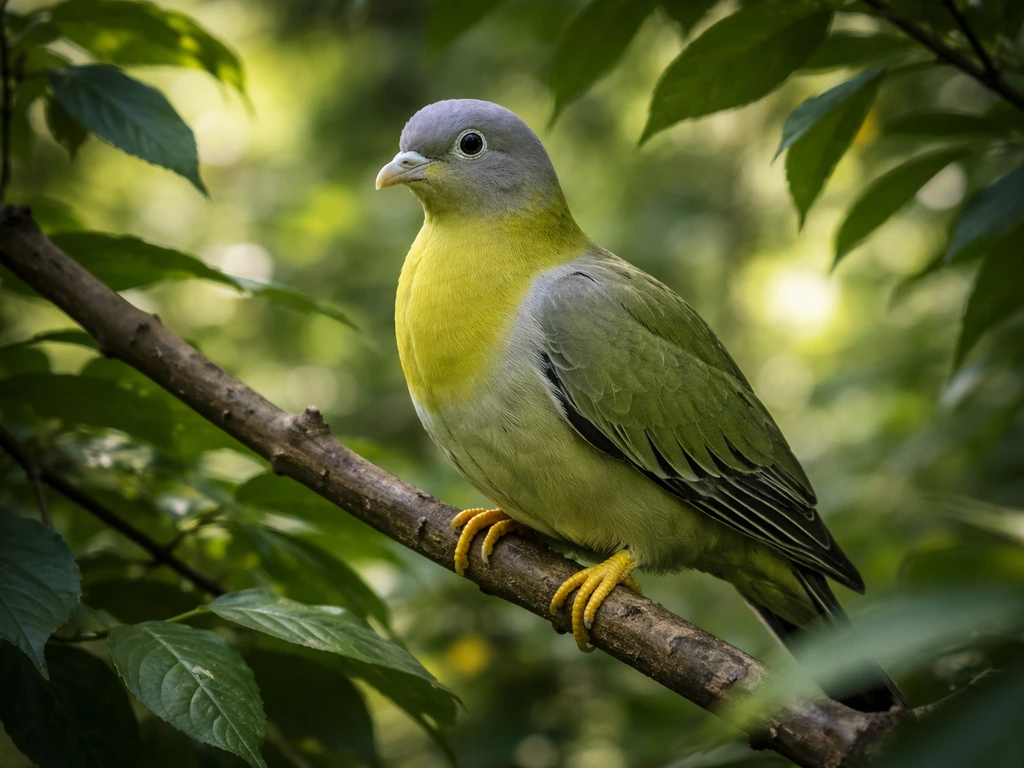
What Is the Yellow-Footed Green Pigeon?
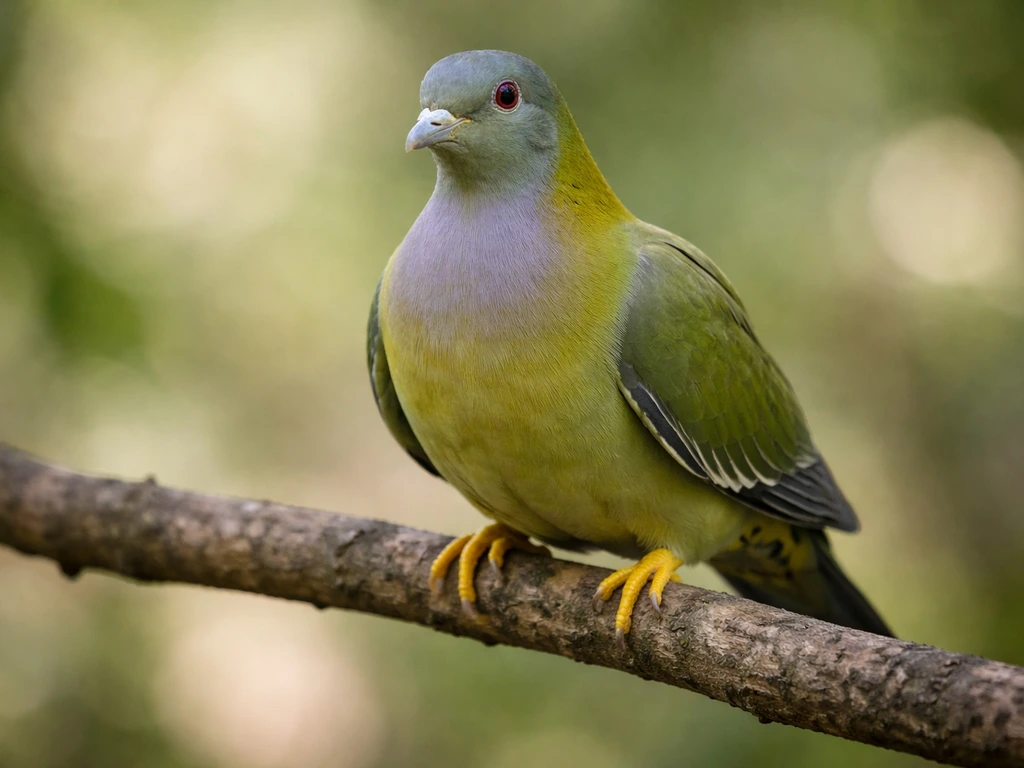
Before ruling anything out, it helps to confirm we're talking about the same bird. The yellow-footed green pigeon (scientific name: Treron phoenicopterus, sometimes listed as Treron phoenicoptera) is a medium-sized pigeon measuring about 33 cm in length and weighing roughly 226 to 248 grams. It's also sometimes called the yellow-legged green pigeon in older birding references, so you may see both names used interchangeably.
The key identification traits are hard to miss once you know what to look for: predominantly green plumage, bright yellow feet and legs (the source of the common name), and a yellowish-green face and neck. Its range is the Indian subcontinent and parts of Southeast Asia. It does not occur naturally anywhere in North America, which is one of the clearest reasons it never entered the running for a U. However, the scarlet honeycreeper bird is native to a specific American state, so the state you should look up is different the scarlet honeycreeper bird is native to which american state. S. state bird designation.
Is It an Official U.S. State Bird?
No. After checking against all 50 U.S. state bird designations, the yellow-footed green pigeon does not appear on any state's official list. The species is formally recognized as the state bird of Maharashtra, a state in western India, not a U.S. state. That association is well-documented and has been confirmed by Indian government sources and major news outlets in India.
For comparison, U.S. state birds are almost exclusively species that are native to North America and commonly found within the state that adopted them. The list is dominated by songbirds like the northern cardinal (shared by seven states), the American robin, various goldfinches, and the western meadowlark. A tropical Asian pigeon species simply wouldn't fit the pattern, and none of the 50 state legislatures have ever designated it.
Why the Confusion Happens
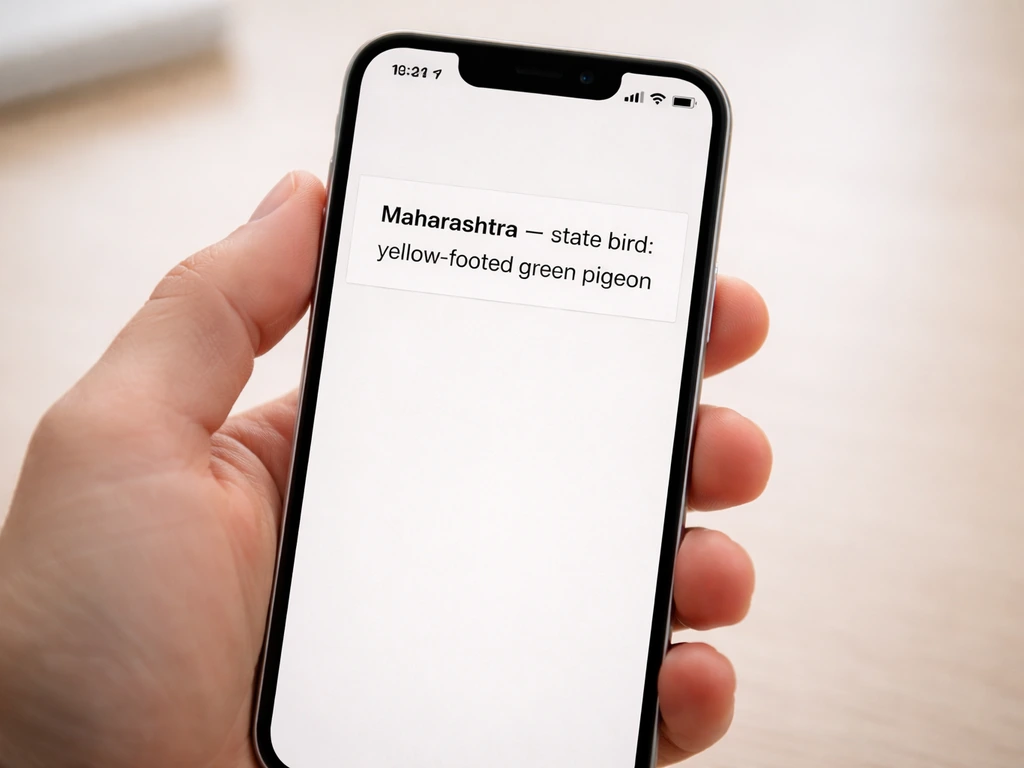
The phrase "state bird" causes the mix-up here. India also uses the term "state bird" for its regional designations, and Maharashtra's official state bird is the yellow-footed green pigeon. When search engines surface that result alongside U.S. state bird queries, it's easy to land on an article referencing Maharashtra and assume it maps to something in the U.S. It doesn't. The two systems use the same terminology but refer to completely different political geographies.
A similar situation comes up with other internationally designated state birds. The himalayan monal, for instance, is the state bird of Uttarakhand (India) and the national bird of Nepal, not any U.S. state. The sarus crane and the great hornbill are also state birds of Indian states. If you're researching birds in that category, those topics are worth exploring on their own, but none of them cross over into U.S. state symbol territory.
What to Search Instead
If you came here trying to identify a U.S. state bird and thought it might be the yellow-footed green pigeon, here's the fastest way to get the right answer:
- Search by state name: Use the format "state bird of [state name]" to pull up the correct official designation for any of the 50 U.S. states.
- Search by bird description: If you saw a green bird and are trying to match it to a state symbol, look for native North American green birds like the painted bunting or ruby-throated hummingbird, not Old World pigeons.
- Search by scientific name: If you have a scientific name, use that directly. Treron phoenicopterus will correctly return Maharashtra, not a U.S. state.
- Check official state government sources: State legislature websites and Secretary of State pages are the most reliable sources. For example, Missouri's Secretary of State page confirms the eastern bluebird, and West Virginia's legislature site confirms the northern cardinal was adopted via House Resolution 12 on March 7, 1949.
How States Actually Pick Their Official Birds
U.S. For example, West Virginia’s legislature designated the northern cardinal as the state bird via blank" rel="noopener noreferrer">House Resolution 12 on March 7, 1949. state birds are chosen through formal legislative action, typically a state law, resolution, or concurrent resolution passed by the state legislature. New Mexico’s Secretary of State hosts a “State Bird” page describing adoption by the state legislature, which is an example of how primary verification works for state symbols. There's no federal mandate dictating which bird a state must choose, so each state has its own story. Many designations happened in the early 20th century, often driven by women's clubs, conservation organizations, or schoolchildren's voting campaigns. The result is a list that reflects regional identity and native species familiarity, which is exactly why you'll never find an Asian pigeon on it.
Once designated, state birds rarely change. The process to change one requires going back through the legislature, which is a high bar. That stability is part of why the current list of 50 official birds has remained mostly consistent for decades.
How This Site Can Help You Find the Right Answer Fast
This site covers all 50 U.S. state birds with individual pages for each state. If you're trying to verify any specific designation, the most efficient path is to go directly to the state's page. Each page includes the official bird name, its scientific name, a brief species ID, the reason the state chose it, and historical context about the designation. You can also browse comparative pages to see which states share the same bird, which is useful if you're studying patterns across regions.
If your original question was about a bird associated with an Indian state rather than a U.S. state, topics like the himalayan monal, the sarus crane, or the great hornbill are explored in related sections of this site where they intersect with broader ornithology interest. But for any of the 50 U.S. states, the state-by-state lookup pages are the fastest route to a verified, sourced answer.
| Bird | Designated By | Region | On U.S. State Bird List? |
|---|---|---|---|
| Yellow-footed green pigeon (Treron phoenicopterus) | Maharashtra | India | No |
| Himalayan monal | Uttarakhand / Nepal | India / Nepal | No |
| Sarus crane | Uttar Pradesh | India | No |
| Northern cardinal | 7 U.S. states | United States | Yes |
| American robin | 3 U.S. states | United States | Yes |
| Western meadowlark | 6 U.S. states | United States | Yes |
The bottom line: if you're working through a U.S. state bird lookup and the yellow-footed green pigeon came up in your research, you can confidently set it aside. Search by the state name you're interested in, and use this site's state pages to get the verified official answer in a few seconds.
FAQ
How can I tell quickly whether a “state bird” result is about the U.S. or about India?
Because the term “state bird” is used in more than one country, the cleanest way to avoid confusion is to include the country in your query (for example, “Maharashtra state bird” versus “U.S. state bird”). If your results mix both systems, treat any non-U.S. administrative region mention as a likely sign you are on an India-related page, not a U.S. state-bird listing.
What if the bird’s scientific name shows different spellings in search results?
Treron phoenicopterus can appear in databases under slightly different spellings, including Treron phoenicoptera. If you are verifying sightings or reading field guides, cross-check at least two traits together (green plumage plus yellow feet, not just the common name) to make sure you are not confusing it with a different green pigeon species.
Could the yellow-footed green pigeon ever have been a U.S. state bird because of introductions or vagrants?
It is not native to North America, so it would not meet the typical pattern used by U.S. state-bird selections (species native and regularly present within the adopting state). Practically, if you see the bird being discussed for the U.S., it is usually about misinformation, comparison content, or a different topic entirely.
Do U.S. state bird lists change often, and how should I handle old information?
Not really. Once a U.S. state chooses an official state bird through legislation, changes are uncommon and typically require a renewed legislative process. If you are comparing older articles, focus on the current official designation on that state’s page rather than relying on blog posts or outdated lists.
What’s the best way to correct my search if I’m accidentally matching the wrong bird to a state?
If you are searching the wrong bird, you will usually end up with a similar-looking “yellow” or “pigeon” term from another region. Use a two-step search: first search the state you care about, then verify the bird listed there. If the bird you want does not appear on that state’s official page, drop the assumption rather than trying to force a match.
If I meant an Indian state bird, what should I search instead of U.S. state bird?
If your goal is an India regional symbol, search by the Indian state name paired with “official state bird” or “state bird of [state].” That will align your query with the Indian designation system, which is where the yellow-footed green pigeon belongs (Maharashtra).
Why do other “state bird” species show up in my U.S. searches alongside this pigeon?
Yes, but in a different way. Some other internationally designated birds labeled “state bird” are linked to Indian states, and they can also show up in generic bird-symbol search results. If you see names like himalayan monal, sarus crane, or great hornbill, treat them as separate state-bird topics tied to India, not as candidate birds for U.S. states.
What should I do next if my original question was about a specific U.S. state bird?
If you landed on this bird’s name while trying to verify a specific U.S. state symbol, the fastest next step is to open the official state page for the state you intended (for example, by searching “State bird of [State] [site]”). That method avoids cross-country terminology traps and gives you the official name plus the identification and background details in one place.
Next Articles
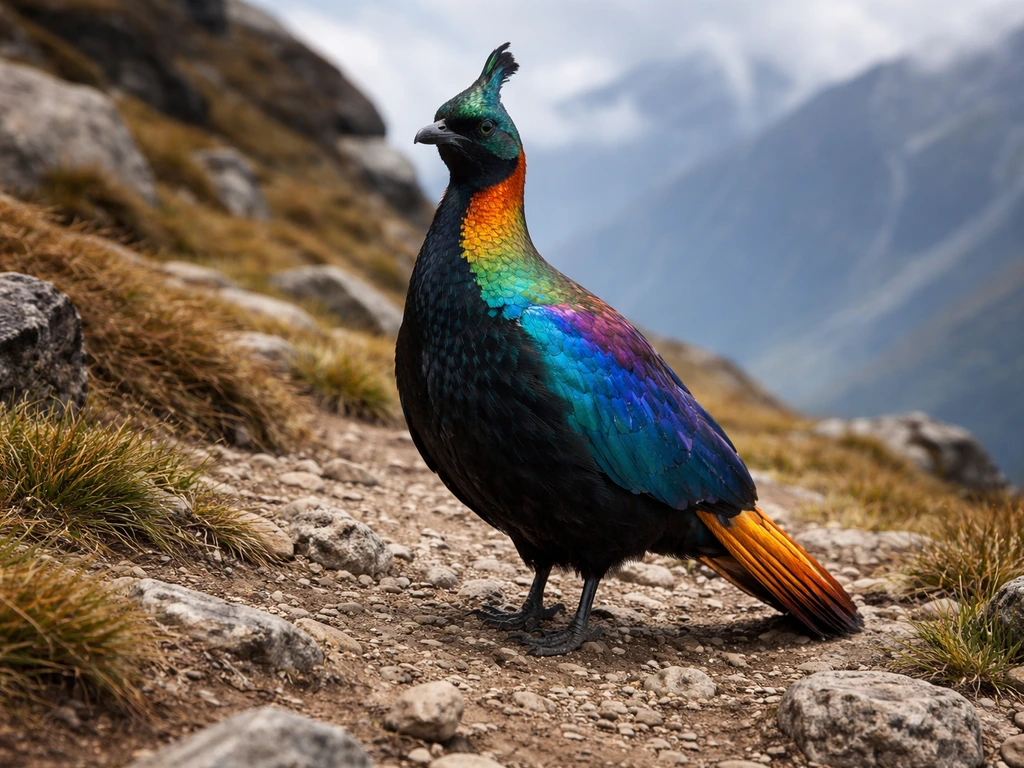
Himalayan monal is the national bird of which country?
Himalayan monal national bird of Nepal; learn its name, range, and how to avoid confusing it with U.S. state bird listin
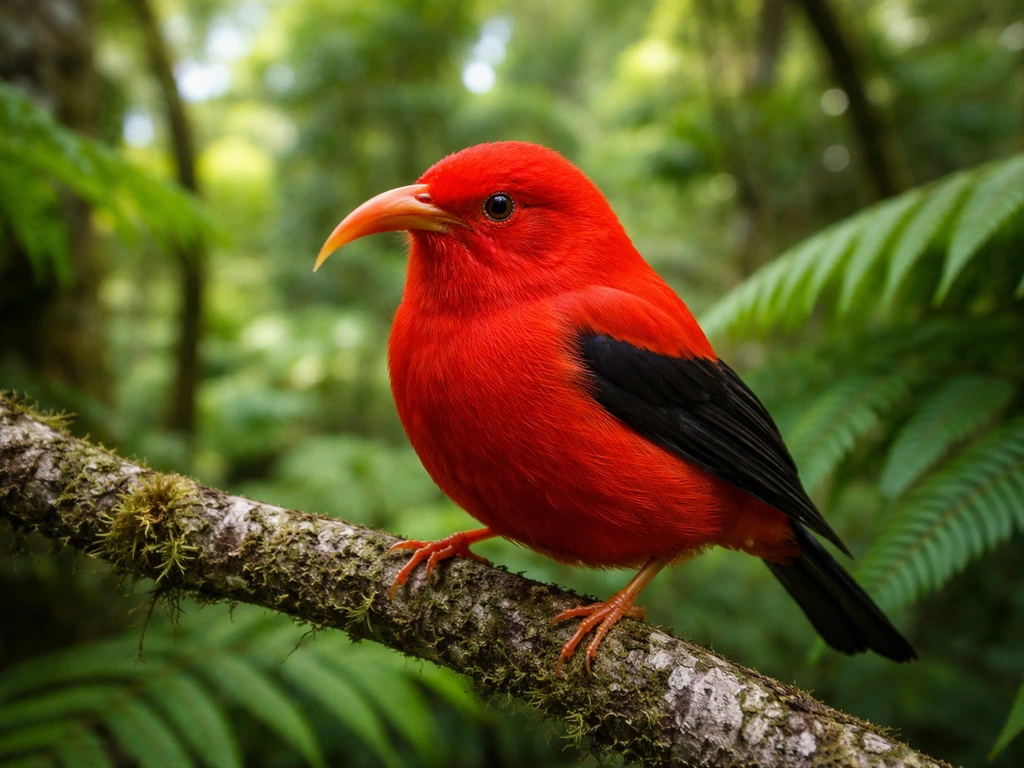
The Scarlet Honeycreeper Bird Is Native to Which State?
Answers which state the scarlet honeycreeper bird is native to, plus tips on native range and state-bird context.
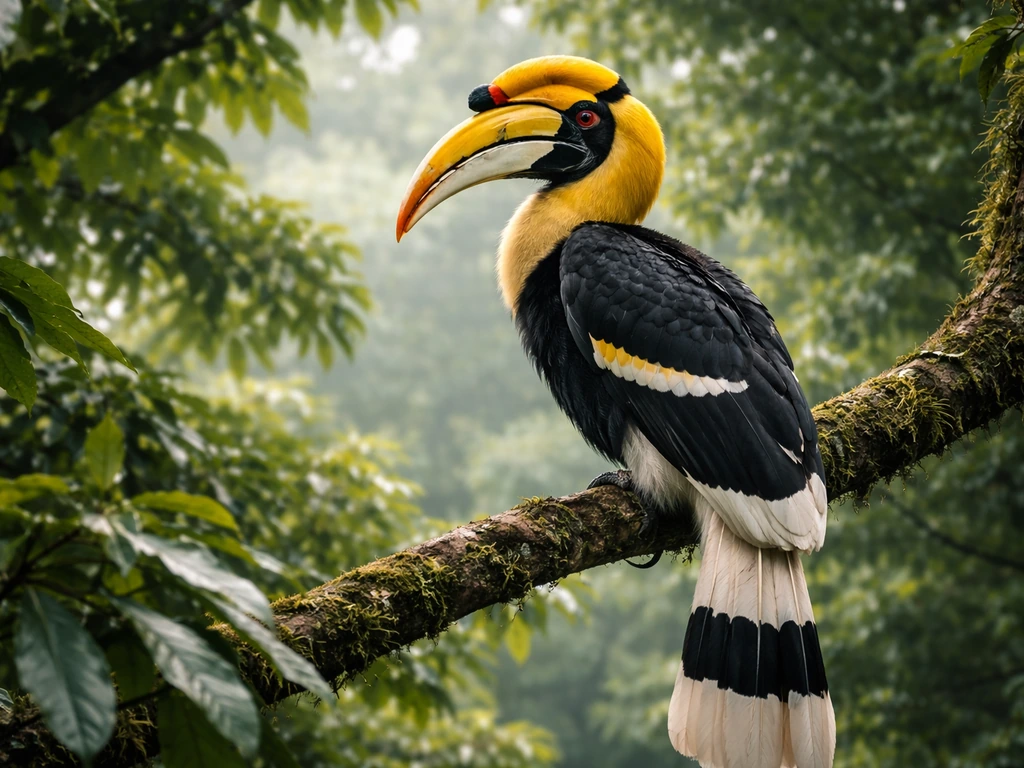
the great hornbill is the state bird of Meghalaya
The great hornbill is the state bird of Meghalaya, chosen for local biodiversity and forest heritage.