The Sarus crane is not the state bird of any U. The scarlet honeycreeper bird is native to Hawaii. S. state. It is the official state bird of Uttar Pradesh, a state in northern India, where it was formally designated in 2013. If you landed here expecting a U.S. state answer, you're in the right place to get that sorted out quickly.
Sarus Crane Is the State Bird of Which State?

Marcus Webb
28 May 2026
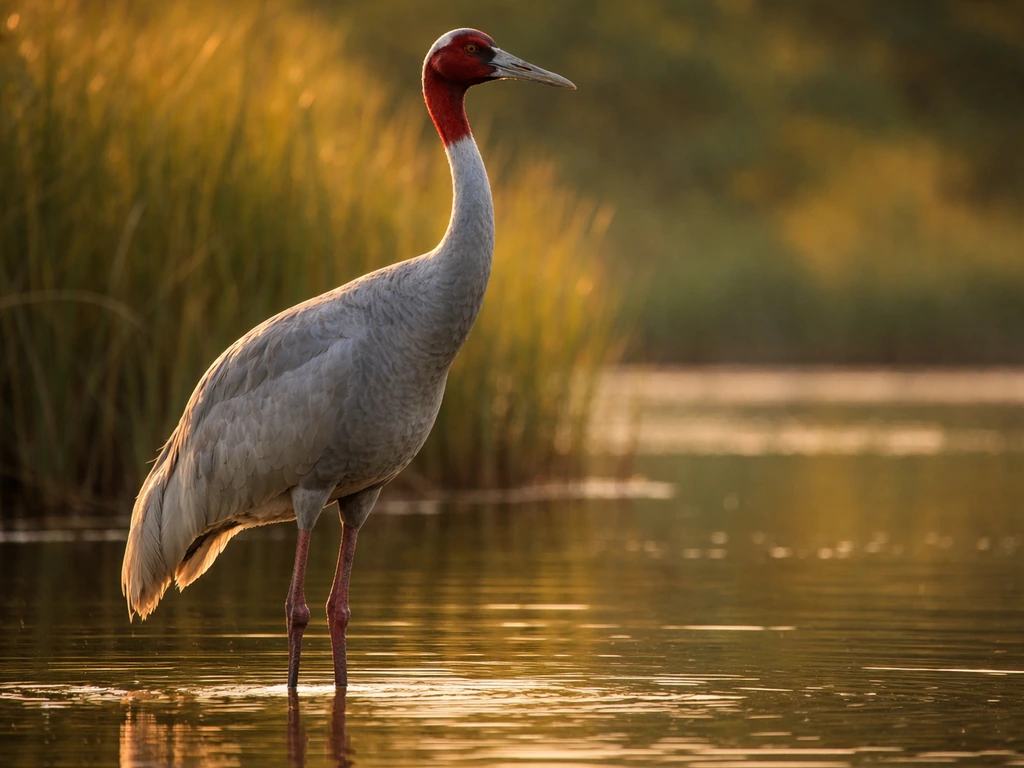
Which state actually claims the Sarus crane
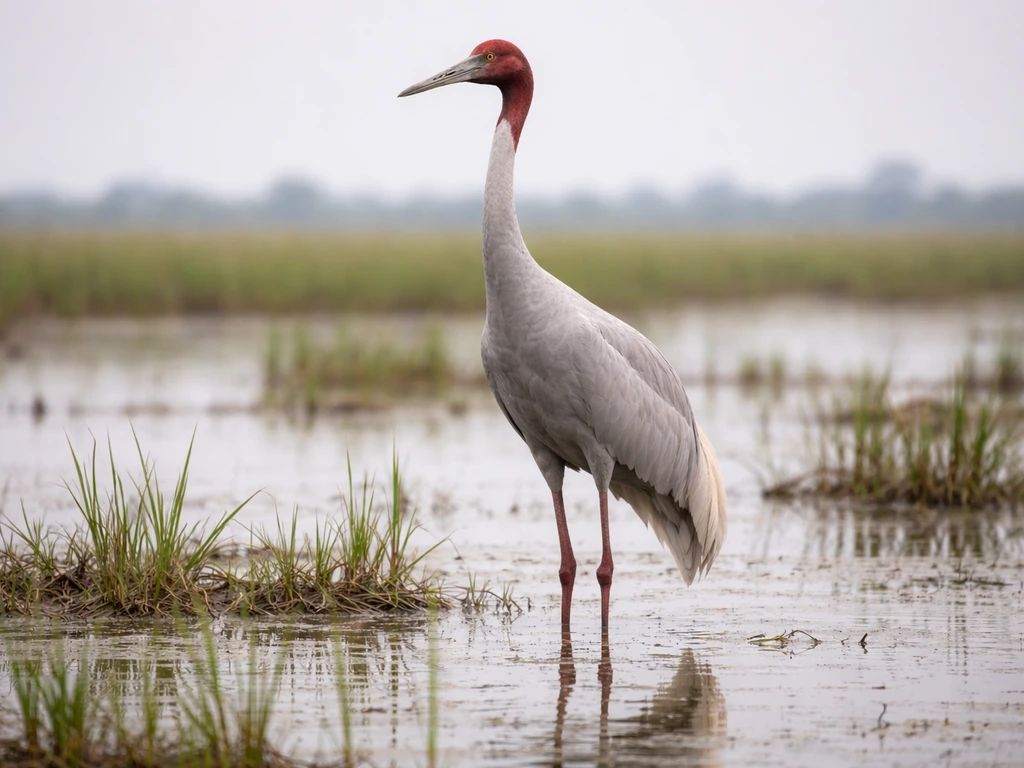
Uttar Pradesh adopted the Sarus crane (Grus antigone) as its official state bird in 2013. The choice reflects the crane's deep cultural and ecological presence across the fertile plains of northern India. The species has a strong population in Uttar Pradesh, and it holds significant cultural meaning in Hindu tradition, where it symbolizes loyalty and lifelong partnership. No U.S. state has ever designated the Sarus crane as its state bird, and the species is not native to North America. The U.S. Fish and Wildlife Service does maintain a species profile for the Sarus crane, but purely for identification and conservation status purposes, not as any kind of state symbol recognition.
Don't confuse it with these other cranes and state birds
The confusion around this topic is understandable. Several crane species are discussed in the context of U.S. states, and the names can blur together. Here's a quick breakdown of what's what:
- Sandhill Crane: Common across North America, this is the crane most people in the U.S. will encounter. It is not the official state bird of any U.S. state, despite its widespread presence and cultural fame in states like Nebraska, Minnesota, and across the Great Plains.
- Whooping Crane: An endangered North American species that winters along the Texas Gulf Coast at Aransas National Wildlife Refuge near Rockport. Despite its iconic status in Texas, the official Texas state bird is the Northern Mockingbird, designated by Senate Concurrent Resolution No. 8 in 1927.
- Sarus Crane: The world's tallest flying bird, native to South and Southeast Asia and parts of northern Australia. It does not naturally occur in the United States and holds no U.S. state designation.
- Himalayan Monal: Sometimes confused with state birds in broader Asian ornithological discussions, the Himalayan Monal is actually the state bird of Uttarakhand (India) and the national bird of Nepal, not a crane at all.
If you're researching state birds in the South or Southeast Asian context, you may also come across the Yellow-footed Green Pigeon (state bird of Maharashtra) or the Great Hornbill (state bird of Kerala and Arunachal Pradesh). The yellow-footed green pigeon is the state bird of Maharashtra, not Uttar Pradesh. These are entirely different species, but they turn up in similar research queries alongside the Sarus crane.
How to identify a Sarus crane in the field
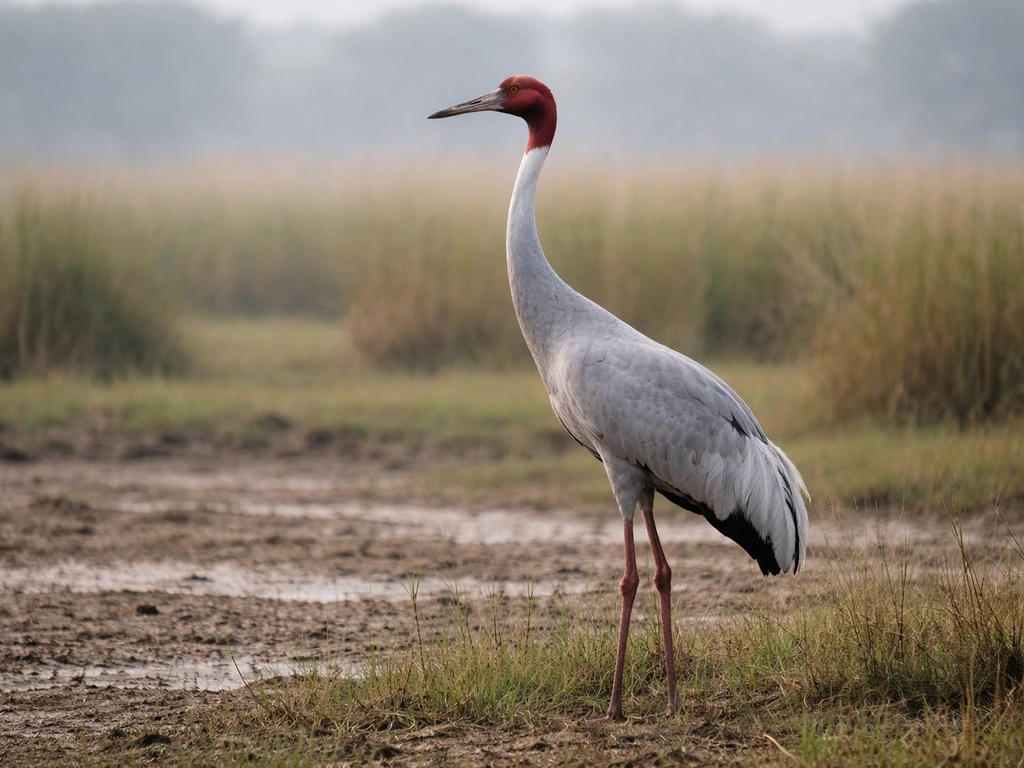
The Sarus crane is genuinely hard to mistake once you know what to look for. It is the world's tallest flying bird, standing roughly 5 to 6 feet tall with a wingspan that can exceed 8 feet. That alone sets it apart from most birds you'd see anywhere.
Key physical field marks
- Overall color: Pale gray body plumage across most of the bird.
- Head and neck: Bare red skin covers the head and extends prominently down the upper neck, making it one of the most visually striking features. There are no feathers in this red zone.
- Legs: Long and pink, distinctly different from the grayish legs of Sandhill Cranes.
- Bill: Long, stout, and dark-colored.
- Size: Towering height makes it immediately noticeable even at distance in open wetland habitat.
Calls and behavior cues
Sarus cranes are loud. Their calls are deep, resonant, and trumpeting, similar in quality to other large cranes due to the elongated trachea that amplifies and shapes the sound. One of their most distinctive behaviors is the unison call, a coordinated duet performed by mated pairs. Both birds call together in a synchronized display that signals pair bonding and territory. If you're in northern India and you hear a loud, rolling trumpet from a pair of tall gray birds in a wetland or agricultural field, there's a good chance you're listening to a Sarus crane duet.
Habitat and behavior
Sarus cranes prefer shallow wetlands, flooded fields, and agricultural areas. They are not forest birds. In Uttar Pradesh and across northern India, they are regularly seen in rice paddies and near rivers. They mate for life, and pairs are often seen together year-round, which is one reason the species carries such strong cultural symbolism around fidelity and loyalty in Indian tradition.
Why Uttar Pradesh chose the Sarus crane
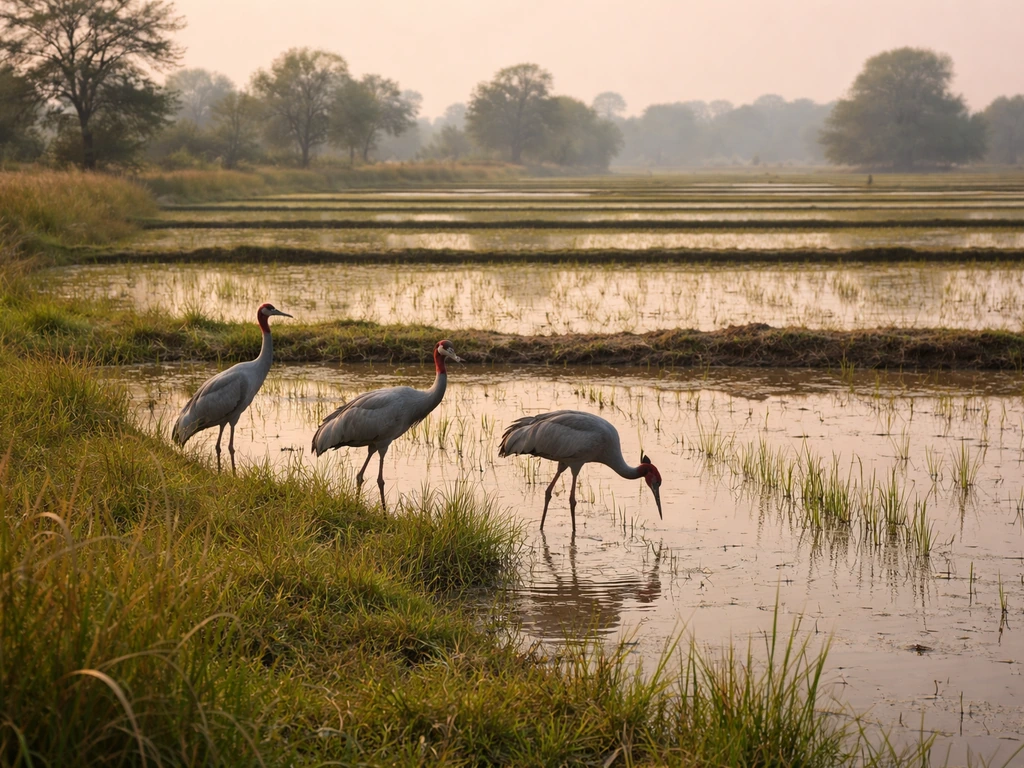
The designation makes a lot of sense when you look at the relationship between the bird and the region. Uttar Pradesh holds one of the largest wild populations of Sarus cranes in the world. The birds are deeply embedded in the landscape of the Gangetic Plain, commonly seen in the agricultural fields and wetlands that define much of the state's geography.
Beyond population numbers, the cultural connection is powerful. In Hindu mythology, the Sarus crane is associated with love and devotion. The ancient Sanskrit text, the Ramayana, contains a famous passage in which the sage Valmiki witnesses the killing of a Sarus crane and is moved to compose the first shloka (verse), essentially linking the bird to the origins of Sanskrit poetry and literature. That kind of mythological weight carries enormous symbolic value for a state designation. The Sarus crane represents both natural heritage and cultural identity for Uttar Pradesh in a way few birds could.
The timeline of the official designation
Uttar Pradesh officially designated the Sarus crane as its state bird in 2013. The decision came alongside growing conservation awareness about the species, which faces threats from habitat loss, wetland drainage, and pesticide use in agricultural areas. By elevating the Sarus crane to official state symbol status, the Uttar Pradesh government drew formal attention to the species' conservation needs and its importance to the region's identity. The designation also aligned with broader national and international efforts to protect crane populations across South Asia.
How this compares to crane-related state birds elsewhere
No U.S. state uses any crane species as its official state bird, which surprises a lot of people given how culturally prominent cranes are in certain regions. To put it in perspective, here's a quick comparison of some crane-adjacent state bird designations worth knowing:
| State/Region | Official State Bird | Crane Connection |
|---|---|---|
| Uttar Pradesh (India) | Sarus Crane | Official designation since 2013; large native population |
| Texas (USA) | Northern Mockingbird | Whooping cranes winter on the Texas coast but hold no state bird status |
| Nebraska (USA) | Western Meadowlark | One of the world's great Sandhill Crane migration corridors, but no crane designation |
| Minnesota (USA) | Common Loon | Sandhill cranes stand up to 5 feet tall and are widespread in the state, but hold no designation |
The pattern here is consistent: cranes generate enormous public interest and conservation attention, but state bird designations in both the U.S. and India tend to go to species with the broadest cultural or ecological resonance at the time of designation. In Uttar Pradesh's case, the Sarus crane checked every box. In U.S. states, songbirds, waterfowl, and raptors have historically dominated the list.
If you're exploring state bird designations across South and Southeast Asia, it's worth knowing that other regionally significant birds have similar stories. A regional tourism and nature guide for Nebraska’s Sandhills notes that blank" rel="noopener noreferrer">sandhill cranes are present across the Nebraska Sandhills and that the endangered whooping crane also visits the route. The Himalayan Monal carries deep cultural weight in its designated regions, and the Great Hornbill and Yellow-footed Green Pigeon each reflect the natural and cultural landscapes of their respective states in ways that parallel the Sarus crane's role in Uttar Pradesh.
Bottom line for quick lookup
If someone asks you which state has the Sarus crane as its state bird, the answer is Uttar Pradesh, India, since 2013. No U.S. state has adopted it. The bird is unmistakable in person: towering height, pale gray body, bare red skin on the head and neck, and pink legs. Its unison trumpet calls are one of the great sounds of northern Indian wetlands. The designation reflects a genuine, deep connection between the crane and the land, culture, and mythology of Uttar Pradesh, making it one of the more meaningful state bird choices anywhere in the world.
FAQ
Besides Uttar Pradesh, are there any other Indian states where the Sarus crane is a state bird?
Uttar Pradesh officially adopted the Sarus crane in 2013, and it is the only state that uses it as a state bird. If you see other dates or different spellings, double-check whether the claim is about a separate award, unofficial local symbol, or a different species name.
Why does the Sarus crane show up in U.S. websites if no U.S. state has it as a state bird?
In U.S. databases, you may find the Sarus crane listed for conservation or identification purposes, but that does not mean any state has adopted it as a state bird. For a true state bird, the designation must be made by an official state authority, not just mentioned in wildlife profiles.
How can I confirm I am looking at a Sarus crane and not a different crane species?
It is easy to mix up the Sarus crane with other large gray cranes or with unrelated birds that share similar search terms. A quick visual check helps: Sarus cranes have bare red skin on the head and neck, pale gray body, and pink legs.
Could any U.S. state adopt the Sarus crane in the future, given it is not native there?
U.S. state birds are not generally assigned to birds that are not native or commonly present, and the Sarus crane is not native to North America. So even if people love cranes, it would not fit the usual native-symbol pattern most states follow.
What conservation threats matter most for Sarus cranes, and what kinds of actions help?
The species faces pressures such as wetland drainage and habitat conversion tied to agriculture. If you are trying to support conservation, focus on wetland protection and farming practices that reduce harm from pesticide use, since those are the most directly linked threats described in the species context.
What should I say if someone asks me for a U.S. state bird instead of an Indian state?
If someone asks you “What state bird is the Sarus crane?”, the correct specific answer is Uttar Pradesh, India. If the person seems to be asking about the U.S., clarify that no U.S. state has adopted a crane species as its official state bird, and redirect to the Uttar Pradesh answer.
I keep seeing other birds mentioned with cranes, how do I avoid confusing their state designations?
Some birds with similar regional prominence are state birds of different places in India, for example the Great Hornbill and the Yellow-footed Green Pigeon. Those are different species, so confirming both the species name and the state (such as Uttar Pradesh for the Sarus crane) avoids the most common mix-up.
If I am writing a school report, what detail best connects the Sarus crane to Uttar Pradesh beyond “it was adopted”?
The Sarus crane’s statewide association is linked to a strong wild presence in Uttar Pradesh’s habitat, especially agricultural fields and wetlands. If you are making a presentation or study note, cite the region as Uttar Pradesh in a way that matches the habitat and cultural context, not just the species name.
Next Articles
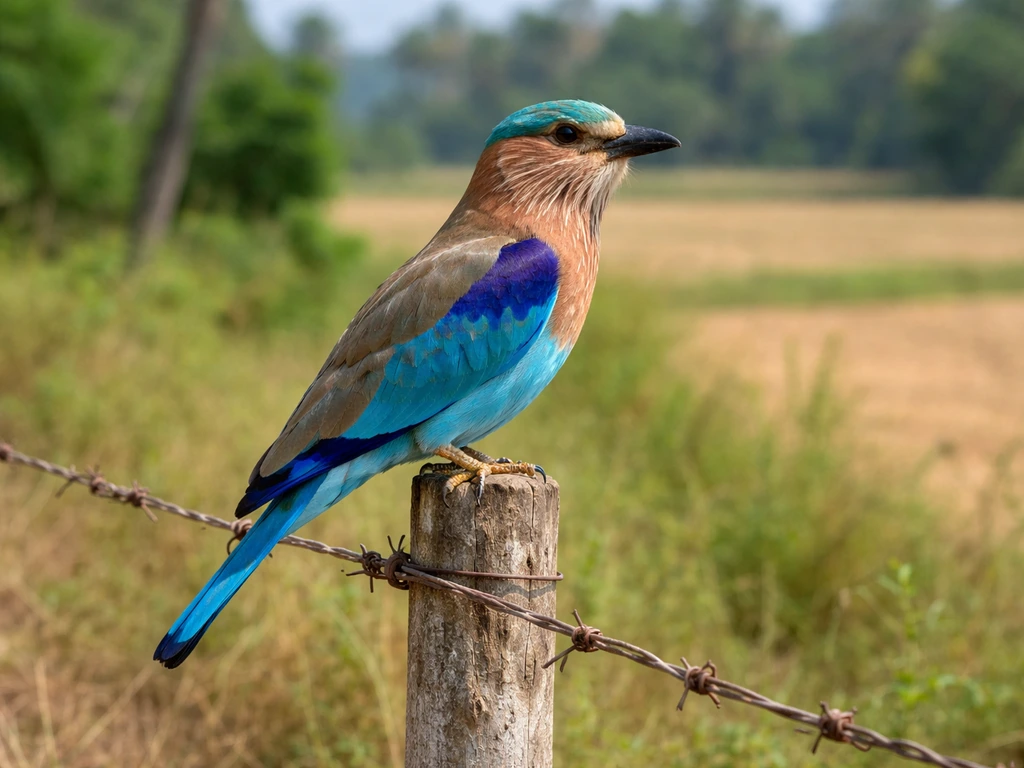
Which Is Karnataka State Bird? Identification and Facts
Discover Karnataka’s official state bird, key ID traits, where to spot it, and why it was chosen.
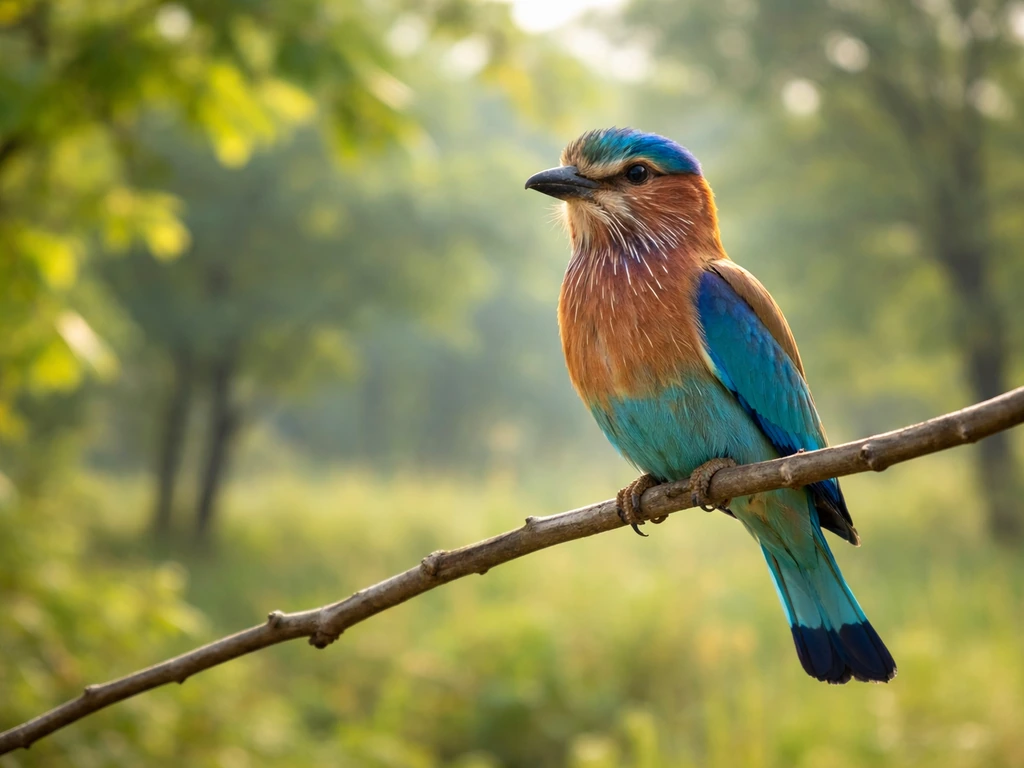
What Is the Telangana State Bird? Official Bird and How to Spot It
Discover Telangana’s official state bird, key traits to spot it, and why it was chosen, with quick context.
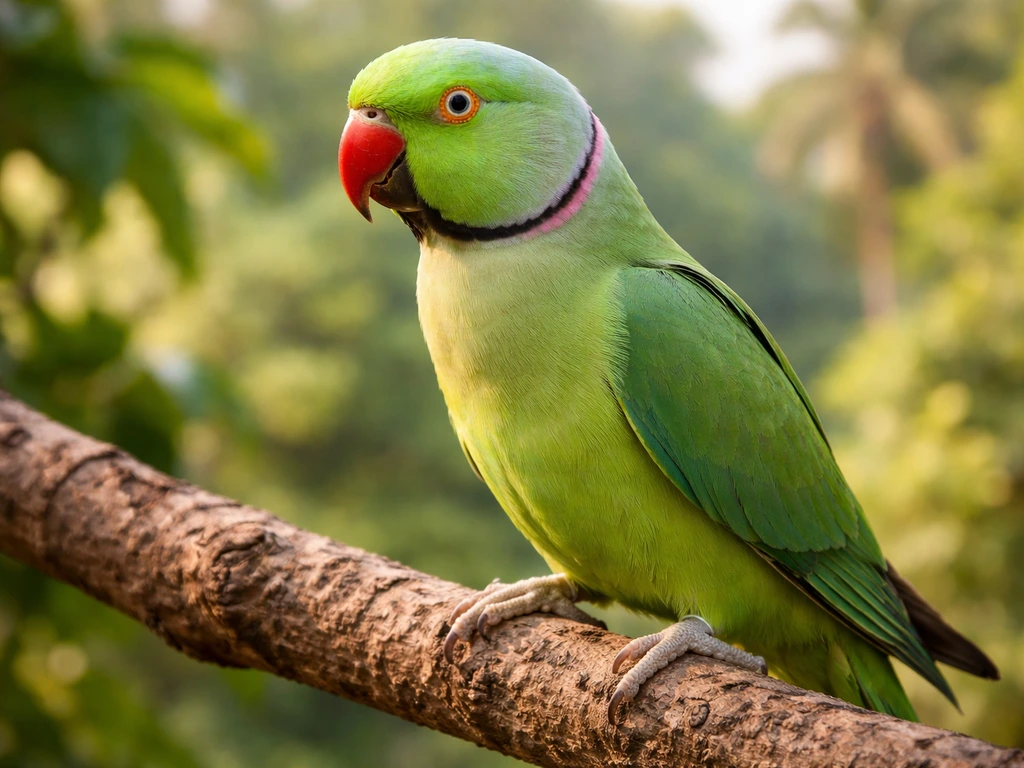
What Is Andhra Pradesh State Bird? ID and Habitat Guide
Learn the Andhra Pradesh state bird, how to identify it, its habitat, and tips to spot it in the wild.