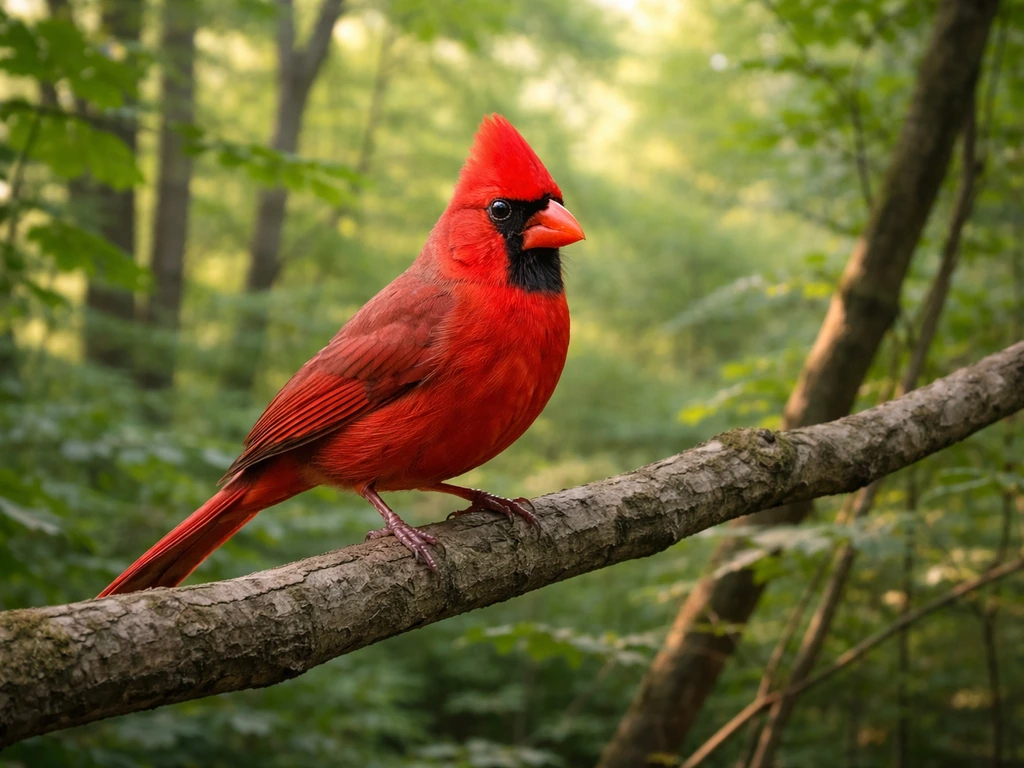
Kentucky's official state bird is the Northern Cardinal (Cardinalis cardinalis), designated in state law as the "Kentucky cardinal" or "native redbird." If you've seen a brilliant red bird with a pointed crest at a Kentucky feeder or woodland edge, that's exactly the bird the state had in mind.
What Is the Bird of Kentucky? Official State Bird Guide

Marcus Webb
11 May 2026
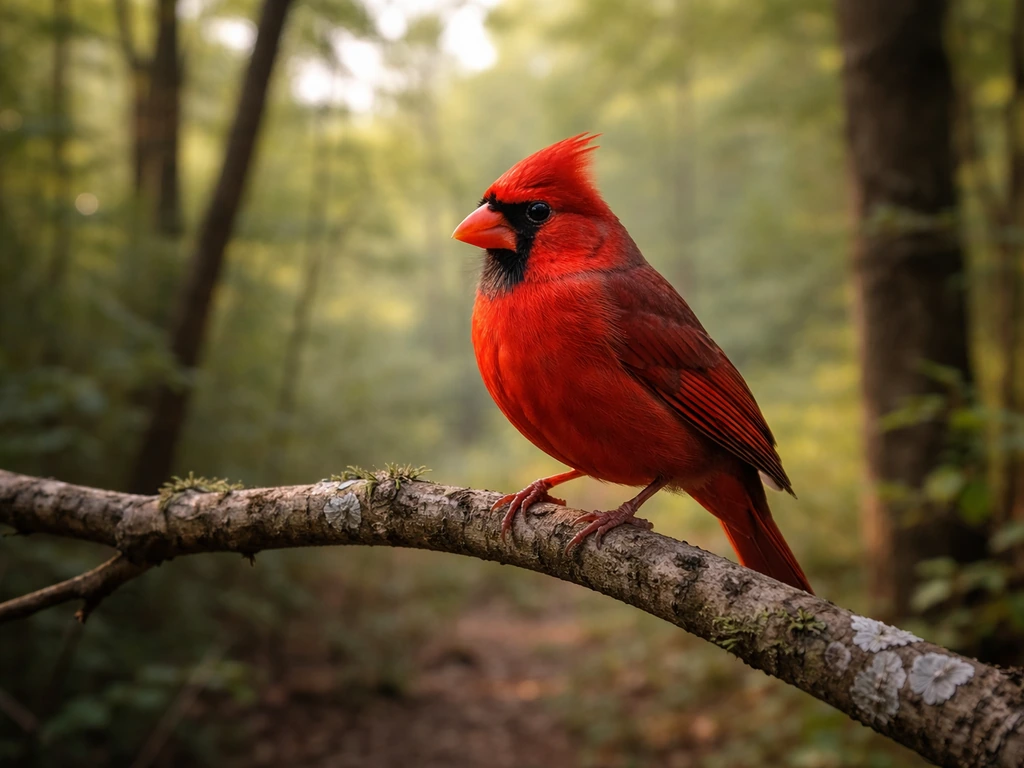
Kentucky's Official State Bird
Kentucky Revised Statutes § 2.080 names the state bird as the "native redbird, commonly known as the Kentucky cardinal (cardinalis)." In modern taxonomy that's the Northern Cardinal, Cardinalis cardinalis. You'll see the bird referenced under all three of those names depending on the source: native redbird, Kentucky cardinal, or Northern Cardinal. They all point to the same species. The law was recodified on October 1, 1942, but the original designation goes back much further, to a legislative resolution passed on February 17, 1926.
How to Identify the Northern Cardinal
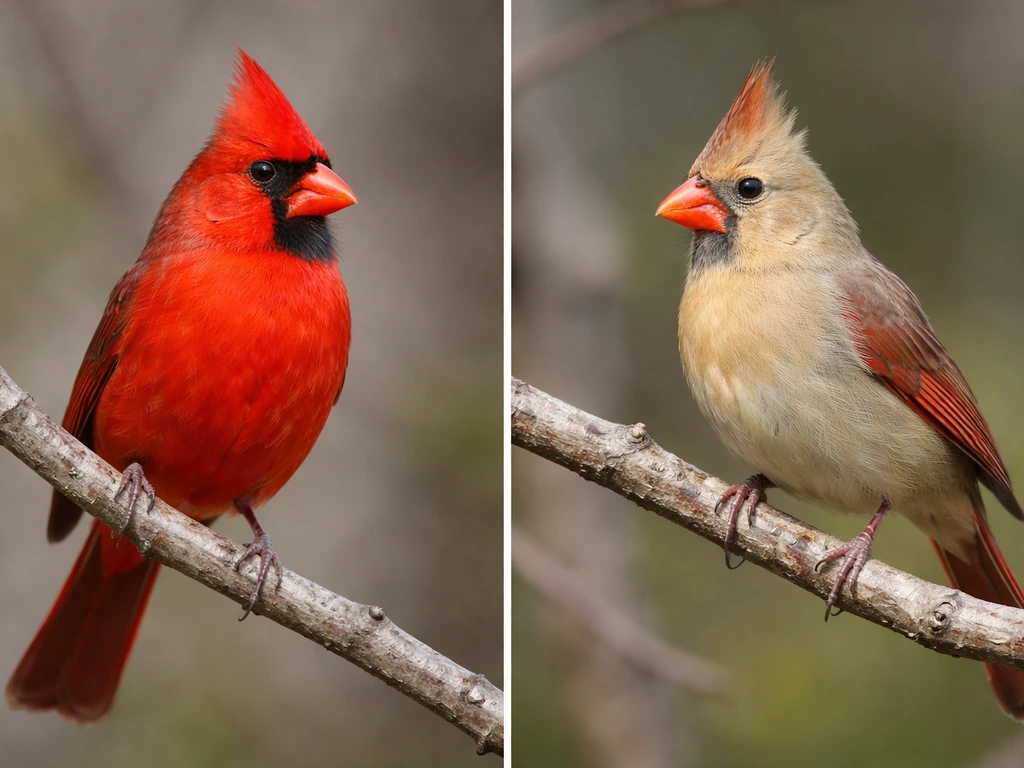
The male Northern Cardinal is one of the easiest birds to identify in North America. He's entirely brilliant red with a prominent pointed crest on top of his head, a heavy orange-red bill, and a black mask that covers his face and throat. He's medium-sized, roughly 8 to 9 inches long with a wingspan around 10 to 12 inches. There's no other bird in Kentucky you're likely to confuse him with.
The female is a warm buffy-brown with reddish tinges on her crest, wings, and tail. She has the same distinctive crest and orange bill as the male, which is your best field mark for identifying her when the red coloration isn't obvious. Juveniles look similar to females but have a darker, dusky bill rather than orange.
The call is another reliable identifier. Cardinals give a sharp, metallic "chip" note as an alarm call, and the song is a loud, clear whistle that sounds like "cheer-cheer-cheer" or "birdy-birdy-birdy." Both males and females sing, which is uncommon among North American songbirds. If you hear a loud, repeating whistled song from a shrubby area and can't immediately spot the singer, a cardinal is a very safe first guess in Kentucky.
Where to Find Cardinals in Kentucky
Cardinals are year-round residents throughout Kentucky, meaning you don't need to time your visit for a particular season. They don't migrate. You'll find them in woodland edges, brushy fields, overgrown hedgerows, suburban backyards, and city parks. They favor places where dense shrubs or thickets border open ground, because that combination gives them feeding space and quick cover.
If you want a guaranteed sighting, put out a bird feeder with sunflower seeds. Cardinals are among the most consistent feeder visitors in the state. They tend to arrive early in the morning and again near dusk. In winter, they often gather in loose flocks, so you may see several males and females together, which is a striking sight. Good locations for cardinal watching in Kentucky include Land Between the Lakes, Bernheim Arboretum and Research Forest, and just about any suburban neighborhood with mature trees and shrubby borders.
Why Kentucky Chose the Cardinal
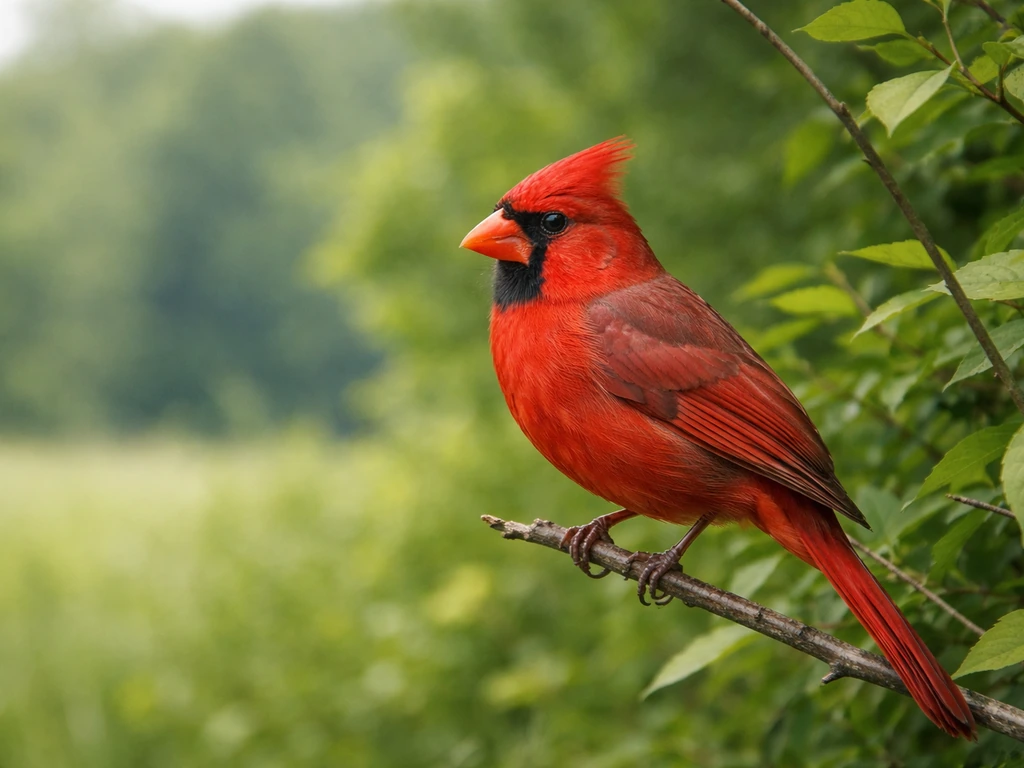
The reasoning behind the choice comes down to visibility, abundance, and a genuine sense of regional identity. The Northern Cardinal is one of the most recognizable birds in the eastern United States, but it carries a particular cultural association with Kentucky and the broader South. It's present everywhere in the state, it's unmistakably beautiful, and it's a resident year-round rather than a seasonal visitor, which matters when you're choosing a symbol.
The old common name "Kentucky cardinal" itself suggests how closely the bird was identified with the state long before the official designation. Local tradition and natural history writing had already linked the cardinal to Kentucky's landscape, so when the state legislature acted in 1926, they were formalizing what many Kentuckians already considered a natural fit. The statute's language ("native redbird, commonly known as the Kentucky cardinal") reflects that the bird already belonged to the state in the popular imagination.
The History Behind the Designation
Kentucky was one of the earlier states to officially designate a state bird. The resolution passed on February 17, 1926, putting Kentucky ahead of many other states that didn't formalize their state bird choices until the 1930s or 1940s. The 1926 resolution was later recodified into what became KRS 2.080, with an effective date of October 1, 1942, which is why some sources cite 1942 when referencing the statute. Both dates are accurate: 1926 is when the designation was originally approved, and 1942 is when it was incorporated into the revised statutes.
The use of the name "Kentucky cardinal (cardinalis)" in the statute is also worth noting historically. The scientific naming conventions of the early 20th century were less standardized than today, so the statute used a partial Latin reference rather than the full binomial Cardinalis cardinalis. Modern ornithology and state symbol guides uniformly treat this as the Northern Cardinal, and there's no ambiguity about the species intended.
Other States That Share the Cardinal
Kentucky is far from alone in claiming the Northern Cardinal as its state bird. It's actually the most commonly shared state bird in the United States, claimed by seven states total. That widespread adoption is a testament to just how prominent and beloved the species is across the eastern half of the country.
| State | Year Designated |
|---|---|
| Kentucky | 1926 |
| Illinois | 1929 |
| Indiana | 1933 |
| Ohio | 1933 |
| North Carolina | 1943 |
| Virginia | 1950 |
| West Virginia | 1949 |
Indiana and Ohio are Kentucky's immediate neighbors, and both chose the cardinal within a few years of each other in the early 1930s. If you're curious about how neighboring states frame their own cardinal designations, the Indiana and Ohio state bird pages go into their specific legislative histories and local reasoning. If you want the specific answer for Indiana, see what is the indiana state bird and why it was chosen.
You can find the answer to what is the state bird of ohio there as well Ohio state bird pages. The "state bird is cardinal" topic is a story that stretches across much of the Midwest and South, with Kentucky holding the distinction of being the earliest of the seven states to make it official.
Quick Reference: Kentucky Cardinal at a Glance
| Detail | Information |
|---|---|
| Official name in statute | Native redbird / Kentucky cardinal (cardinalis) |
| Modern species name | Northern Cardinal (Cardinalis cardinalis) |
| Designated | February 17, 1926 (recodified 1942) |
| Statute | Kentucky Revised Statutes § 2.080 |
| Size | 8–9 inches long, 10–12 inch wingspan |
| Key field marks (male) | All-red plumage, pointed red crest, black facial mask, orange-red bill |
| Key field marks (female) | Buffy-brown with red tinges, same crest and orange bill |
| Resident status | Year-round, non-migratory |
| Best way to attract | Sunflower seed feeder |
FAQ
How can I tell a Northern Cardinal from a similar red bird at my feeder?
Look for the black face and throat mask plus the heavy orange-red bill, a combination that is very hard to match. In Kentucky, a male cardinal's sharp pointed crest is another quick field mark, while females and juveniles are more likely to look brown, but they still show the crest and orange bill (juveniles usually have a darker, dusky bill).
If I only see a female cardinal, how do I confirm it is still the Kentucky state bird?
Confirm the crest shape and the orange bill, even if the body color is buffy or brown. Also listen for the typical metallic chip alarm call and the loud, repeating whistle pattern, since those work even when the red body coloration is faint.
Are cardinals in Kentucky the same bird as “Kentucky cardinal” listed in older sources?
Yes. “Kentucky cardinal” and “native redbird” are just alternative names used in Kentucky references for the Northern Cardinal species. Modern taxonomy recognizes them as Cardinalis cardinalis, and state guides treat all those names as the same species.
Do cardinals ever migrate out of Kentucky, or should I expect them year-round?
They are year-round residents, so you do not need to plan your viewing for a specific season. In colder weather you may notice changes in where they perch and feed, but they do not disappear like migratory songbirds.
What is the best time of day to see cardinals in Kentucky?
They often show up early in the morning and again near dusk. If you want more activity, watch from just before peak feeding times, especially near thickets and hedgerows where they feel safe to move quickly between cover and open feeding areas.
What feeder setup works best for cardinals, and what should I avoid?
Use sunflower seeds, since cardinals are consistent visitors to them. Avoid relying on seed mixes without sunflower, and consider placing the feeder near cover, because cardinals tend to move from dense shrubs or brush to feed, then retreat quickly.
If I hear the cardinal call but cannot find the bird, where should I look?
Start by scanning shrubby areas and the edges of fields or wooded borders, since cardinals sing from cover. Look for movement around the bottom half of trees and thickets, then widen your search toward open ground once you hear the next whistle.
Can multiple cardinals crowd a feeder, especially in winter?
Yes. In winter they can gather in loose flocks, so you may see several birds together at once. If you have just one perch, expect more jostling, so having a stable feeder pole with multiple feeding spots can reduce one bird dominating access.
Why do some websites list Kentucky’s state bird as “cardinal” without saying “Northern cardinal”?
Because the common name “cardinal” is widely understood, many summaries skip the scientific name. The important detail is that Kentucky law references the “Kentucky cardinal (Cardinalis)” concept, which modern ornithology maps to the Northern Cardinal species.
Which date should I trust for Kentucky’s state bird designation, 1926 or 1942?
Both. The designation was originally approved in 1926, then later incorporated into the revised statutes with an effective date of October 1, 1942. Sources often cite different dates depending on whether they are referencing the original resolution or the codified statute.
What states also chose the cardinal, and does that change Kentucky’s bird?
Several states have also adopted the cardinal as their state bird, so you may see the same species recognized elsewhere. That does not affect Kentucky’s selection, which is specifically tied to the Northern Cardinal through the names used in the statute.
Next Article
Why Is the Cardinal Ohio’s State Bird? Answer Explained
Learn why Ohio chose the Northern Cardinal as state bird, identify it, and clear up confusion with Virginia’s cardinal.