Nevada's official state bird is the Mountain Bluebird (Sialia currucoides). It was designated by state law in 1967 and remains one of the most visually striking state birds in the American West, known for the male's vivid, all-over sky-blue plumage.
What Is the Bird of Nevada Official State Bird Guide

Marcus Webb
12 May 2026
Official designation details
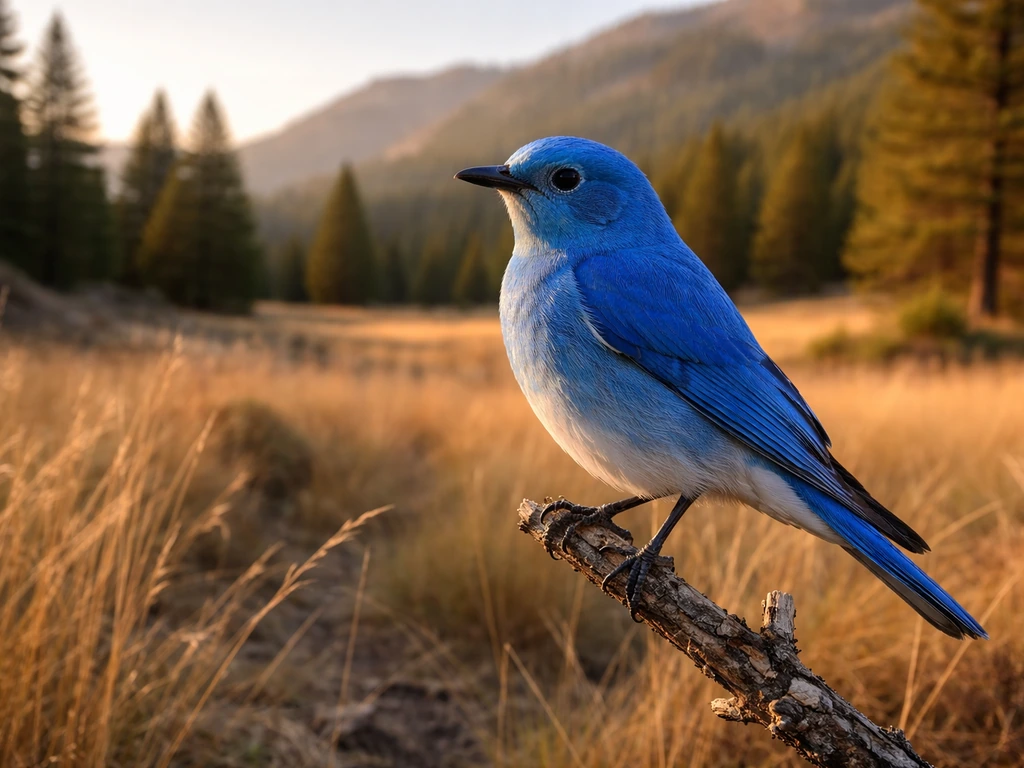
The exact statutory language reads: 'The bird known as the Mountain Bluebird (Sialia currucoides) is hereby designated as the official state bird of the State of Nevada.' That language comes from Nevada Revised Statutes 235.060, added via Assembly Bill 198 from the 1967 legislative session. The act was approved on April 4, 1967, making it official for nearly 60 years now.
How to identify a Mountain Bluebird
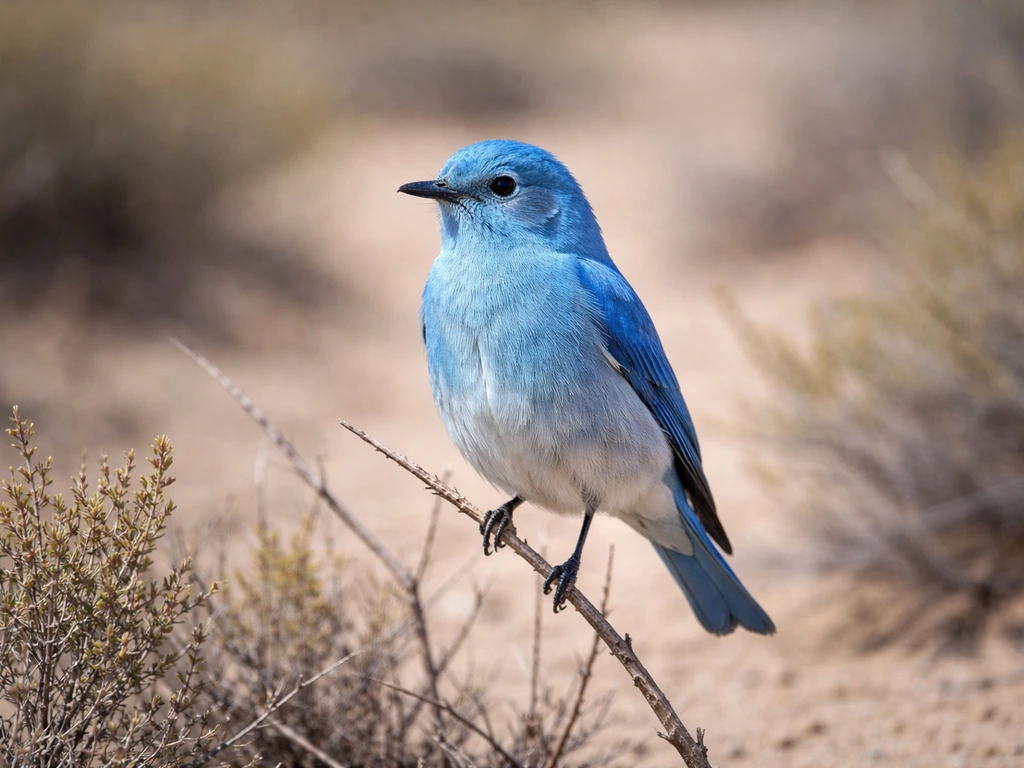
The Mountain Bluebird is a small, stocky thrush, weighing roughly 1.1 oz (blank" rel="noopener noreferrer">about 30 g), with a round head and a thin, straight bill. It's noticeably slimmer and more upright-looking than a robin. That body shape is actually one of the useful field marks when you're trying to separate it from other blue birds.
Male vs. female plumage
| Feature | Male | Female |
|---|---|---|
| Overall color | Sky-blue to turquoise-blue throughout | Mostly gray with blue tinges |
| Wings and tail | Darker blue | Blue-tinged gray |
| Underparts | Paler blue, fading toward belly | Gray flanks, white belly |
| Under-tail coverts | White | White |
| Best field mark | That unmistakable all-blue body | Gray-white contrast on belly distinguishes it from other bluebird species |
The male is genuinely hard to mistake once you've seen one in good light. That electric sky-blue covers the head, back, wings, and tail uniformly, unlike the Eastern Bluebird or Western Bluebird, which both show rust-orange on the breast. If you see a small thrush that's blue from beak to tail with no orange at all, you're looking at a Mountain Bluebird. The female is subtler but the sharp contrast between her gray flanks and white belly helps separate her from similar species.
Why Nevada picked the Mountain Bluebird
The official record doesn't spell out a detailed rationale for the 1967 choice, which is typical of many mid-century state-bird designations. What's clear is that the Mountain Bluebird is genuinely native to Nevada's landscapes, found throughout the state in mountain meadows and high-elevation terrain. Nevada law designates the Mountain Bluebird (Sialia currucoides) as the state's official bird blank" rel="noopener noreferrer">Mountain Bluebird is genuinely native to Nevada's landscapes. It's a bird that belongs here, not a transplant or a symbolic stretch. Its brilliant color and presence across Nevada's Great Basin ranges gave it strong natural symbolism as a representation of the state's rugged western character. The same logic applies to Idaho, which also named it their state bird.
Where and when to find Mountain Bluebirds in Nevada
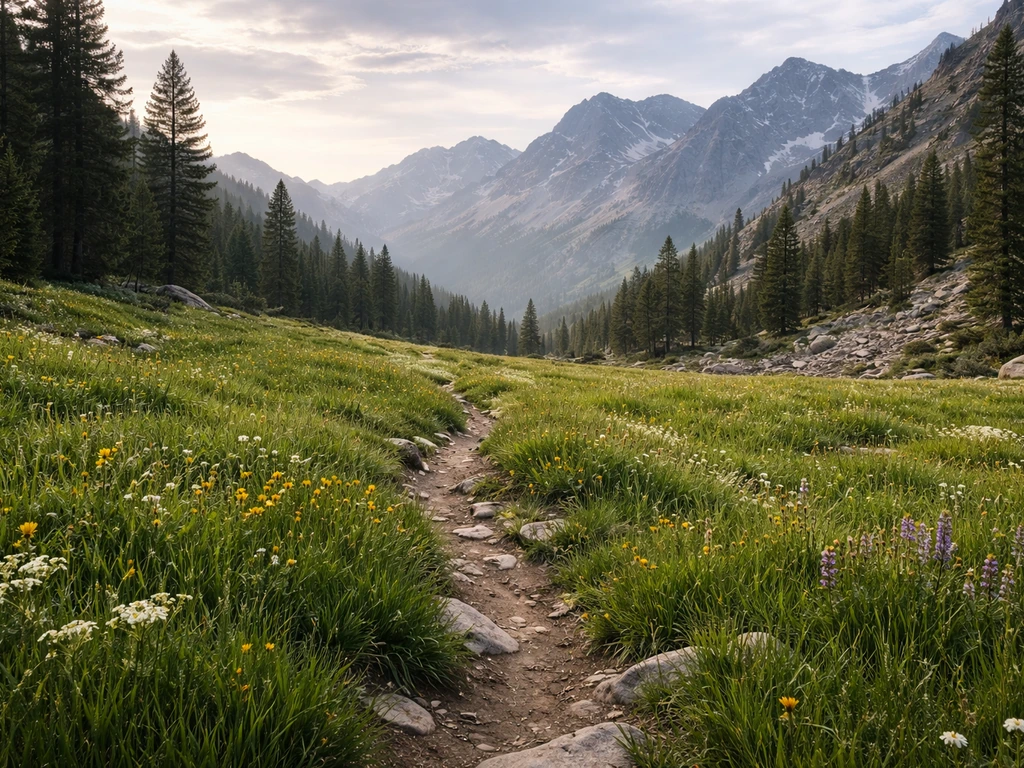
The Nevada Department of Wildlife describes Mountain Bluebirds as found throughout the state in mountain meadows, and they typically nest at elevations above 7,000 feet. If you want to see them during breeding season, think the Ruby Mountains, the Spring Mountains near Las Vegas, the Sierra Nevada foothills near Reno, and similar high-country areas. Open habitats are the key: mountain meadows, sagebrush flats, alpine hillsides, and the edges of burned or cleared forest patches are all productive spots.
Breeding season runs April through September, and the species typically raises two broods per season. That means from late spring through early fall is your best window. Some birds remain in Nevada year-round, especially in lower-elevation parts of the Great Basin, but the high-elevation nesters are most reliably present May through August. If you're planning a trip specifically to see them, targeting mountain meadows above 7,000 feet in June or July gives you the best odds.
Which other states share this bird
Nevada is not alone in claiming the Mountain Bluebird. Idaho also officially designates Sialia currucoides as its state bird, making it one of a handful of species shared by two states. Both states are squarely in the bird's core breeding range, so the overlap makes geographic sense.
If you're exploring state bird comparisons across the Mountain West, Montana and North Dakota have their own distinct state birds that reflect the different landscapes of the northern plains and Rockies, which is an interesting contrast to the alpine-meadow identity that the Mountain Bluebird represents for Nevada and Idaho. North Dakota also has a specific state bird, so if you are curious, look up what is north dakota's state bird.
If you are comparing state birds across the northern plains and Rockies, you can also look up what Montana’s state bird is.
Next steps for confirming a sighting
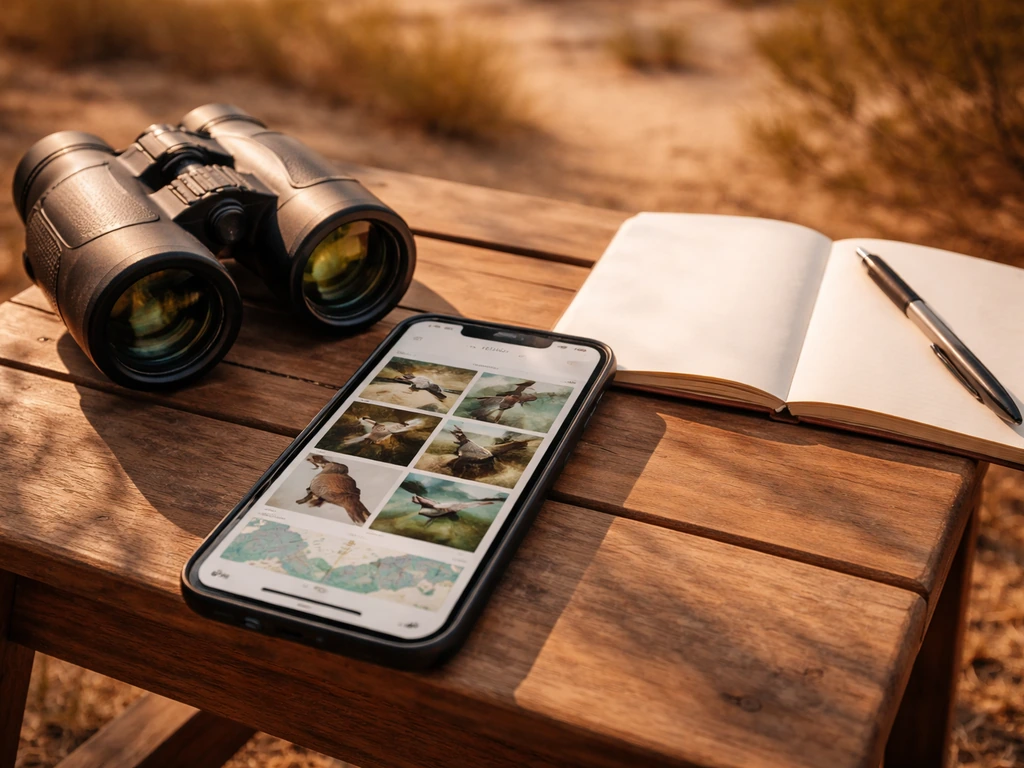
If you're trying to confirm a Mountain Bluebird sighting in Nevada, the most practical tools are the Cornell Lab's All About Birds app or eBird for range maps and photo comparisons. The key things to check: all-blue body with no orange or rust on the breast, thin bill, small thrush shape, and an open mountain habitat above 7,000 feet. If you're also curious about why Nevada landed on this bird specifically or want a deeper look at the state-bird designation story, the page dedicated to Nevada's state bird covers that in more detail. If you are curious about Nebraska specifically, check what is nebraska's state bird for the official designation.
FAQ
What is the bird of Nevada’s official state bird name in plain terms?
It is the Mountain Bluebird, scientifically called Sialia currucoides. Nevada’s law uses that full scientific name alongside the common name when designating the state bird.
Are Mountain Bluebirds in Nevada the same as Eastern Bluebirds or Western Bluebirds?
They are closely related but not the same species. A Mountain Bluebird typically shows an all-blue look from head through back, wings, and tail, without the rusty or orange breast tones that are common in Eastern and Western Bluebirds.
How can I tell a Mountain Bluebird from other blue birds if I see only part of the body?
Focus on the combination of a small, thrush-like shape, a thin straight bill, and the absence of orange or rust on the breast. Even when lighting is poor, the overall “blue from beak to tail” impression is usually the easiest clue.
Do Mountain Bluebirds only nest above 7,000 feet in Nevada?
They are most reliably associated with elevations above about 7,000 feet for nesting. You can sometimes spot them lower in the Great Basin, but consistent breeding sightings are much more dependable in higher mountain meadows and similar habitats.
When is the best time of year to see Mountain Bluebirds in Nevada?
Late spring through summer usually offers the best chances, with June and July being especially good for targeted trips. They’re commonly present May through August in higher-elevation areas, though some individuals may remain year-round at lower elevations.
How many broods do Mountain Bluebirds raise in Nevada?
They typically raise two broods per season. That means you can see activity not just early in the nesting window, but again later through summer as the next set of young fledges.
Where should I look in Nevada if I want the highest odds of seeing one?
Prioritize open habitats in higher country, like mountain meadows, sagebrush flats, alpine hillsides, and field edges near burned or cleared forest patches. These settings align with where the birds are described as nesting and foraging, and they tend to be more productive than dense forest.
What if I see a blue bird in Nevada but it seems to have more gray or a lighter belly?
That can still fit a female Mountain Bluebird. Females are often subtler, with gray on the flanks and a paler belly, so the key is still the small thrush shape plus the overall lack of rust-orange on the breast.
How can I confirm my sighting without relying only on memory?
Use a bird ID tool like All About Birds or eBird to compare photos and check expected range. Also note the habitat (open high-elevation meadows or similar) and whether the bird’s bill and body proportions match a small thrush, not a larger songbird or swallow-like profile.
Is the Mountain Bluebird native to Nevada, or was it chosen symbolically?
The designation reflects a bird that occurs in Nevada’s landscapes naturally, not a temporary or non-native emblem. The article’s field guidance aligns with the idea that it belongs in Nevada’s Great Basin and mountain meadow habitats.
Why do Mountain Bluebirds share the title of state bird with another state?
Idaho also designates Sialia currucoides as its state bird. The overlap makes sense because the species is within both states’ core breeding range, so both states selected the same naturally occurring bird rather than unrelated “named symbols.”}]}