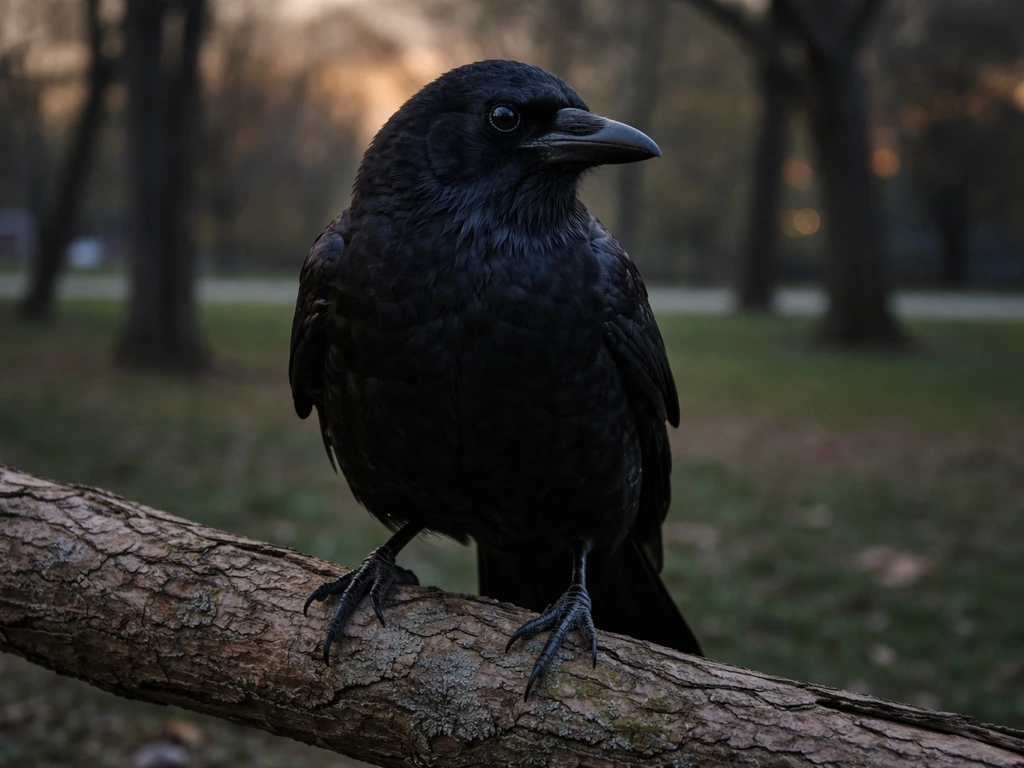
Michigan's state bird is the American robin (Turdus migratorius), officially adopted by the Michigan Legislature in 1931. It was chosen largely because of a statewide vote by Michigan schoolchildren, who picked the robin as the bird they most associated with their home state. The robin's widespread presence across Michigan, its cheerful song, and its role as a familiar sign of spring all made it an easy, beloved choice.
Why Is the American Robin Michigan’s State Bird

Marcus Webb
3 Jun 2026
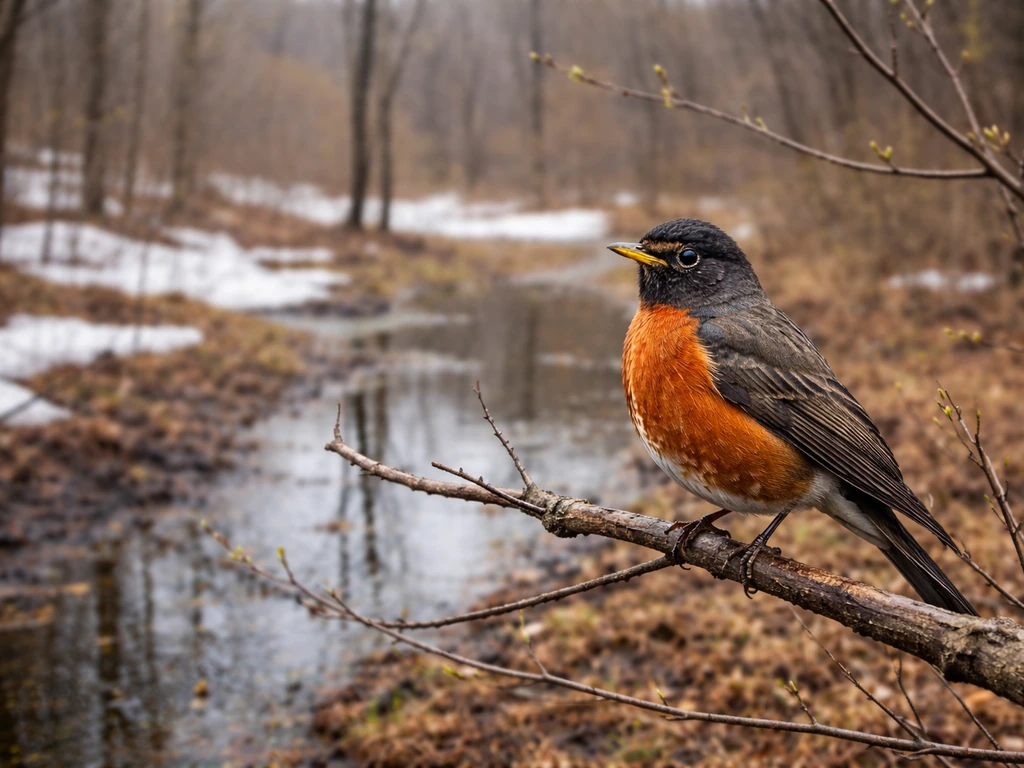
Michigan's official state bird: the species behind the name
The official designation uses the name 'robin redbreast,' which refers specifically to the American robin, Turdus migratorius. This matters because there is a separate bird called the European robin (Erithacus rubecula) that shares the 'robin' name but is an entirely different species. Michigan's bird is the American robin, a large thrush native to North America, and that's the species you'll find documented on Michigan.gov and in Michigan Legislature reference materials.
Turdus migratorius is one of the most recognizable birds on the continent. The 'migratorius' part of the scientific name reflects its migratory habits, though in Michigan many robins now overwinter rather than heading fully south.
Why Michigan chose the American robin
The core reason is simple: Michigan's schoolchildren voted for it. In the early 20th century, the Michigan Audubon Society organized a poll of schoolchildren across the state to help decide on an official state bird. The American robin won. That grassroots, community-driven process gave the designation real cultural weight, and the Legislature followed through with a formal resolution in 1931.
Beyond the vote, the robin genuinely earns its symbolic status. It's one of the first birds to arrive in Michigan each spring, often appearing in late February or March when residents are still shaking off winter. That reliable return made it a living calendar for generations of Michiganders. It nests in yards, parks, orchards, and woodlands statewide, so nearly every Michigan resident has a personal history with robins.
The history behind the 1931 designation
Michigan adopted the American robin as its official state bird via a legislative resolution in 1931. The groundwork was laid by the Michigan Audubon Society, which championed the schoolchildren's vote as a way to build public attachment to native wildlife. The early 1930s were a period when many U.S. states were formalizing their state symbols, and Michigan's bird designation fits that broader national pattern of states codifying their identity through flora, fauna, and other emblems.
The fact that children drove the choice was somewhat unusual and set Michigan's process apart from states where the selection was purely legislative or ornithological. It also helps explain why the robin, rather than a rarer or more regionally distinctive species, ended up with the honor. Familiarity and affection counted for more than rarity.
How to identify the American robin in Michigan
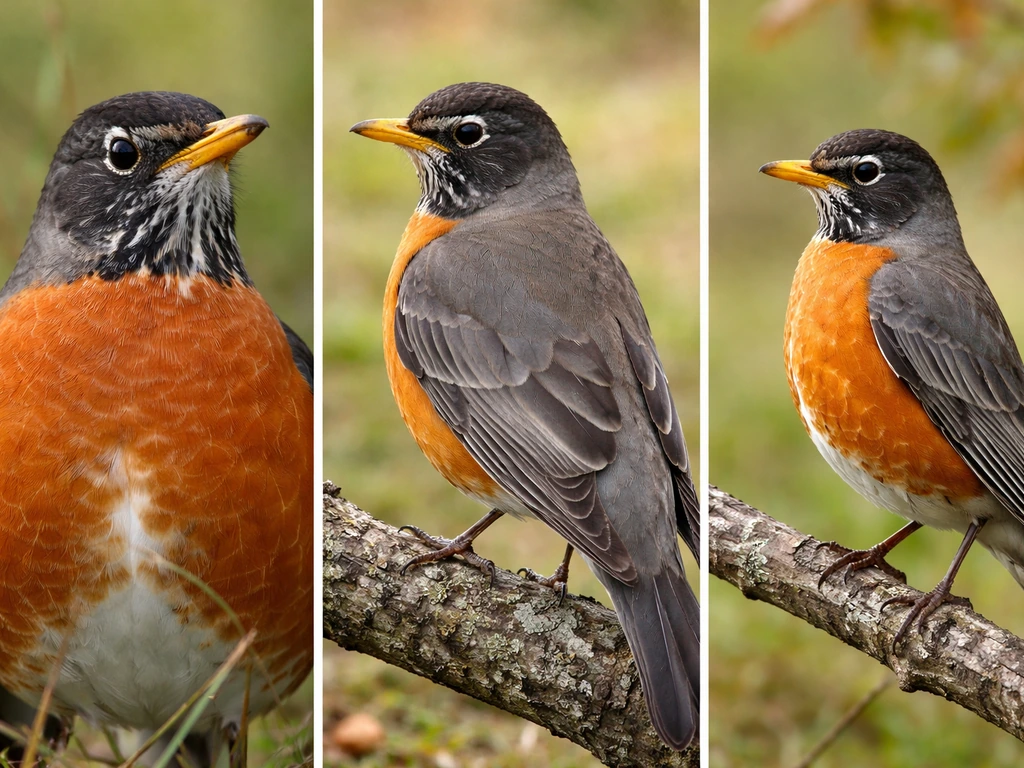
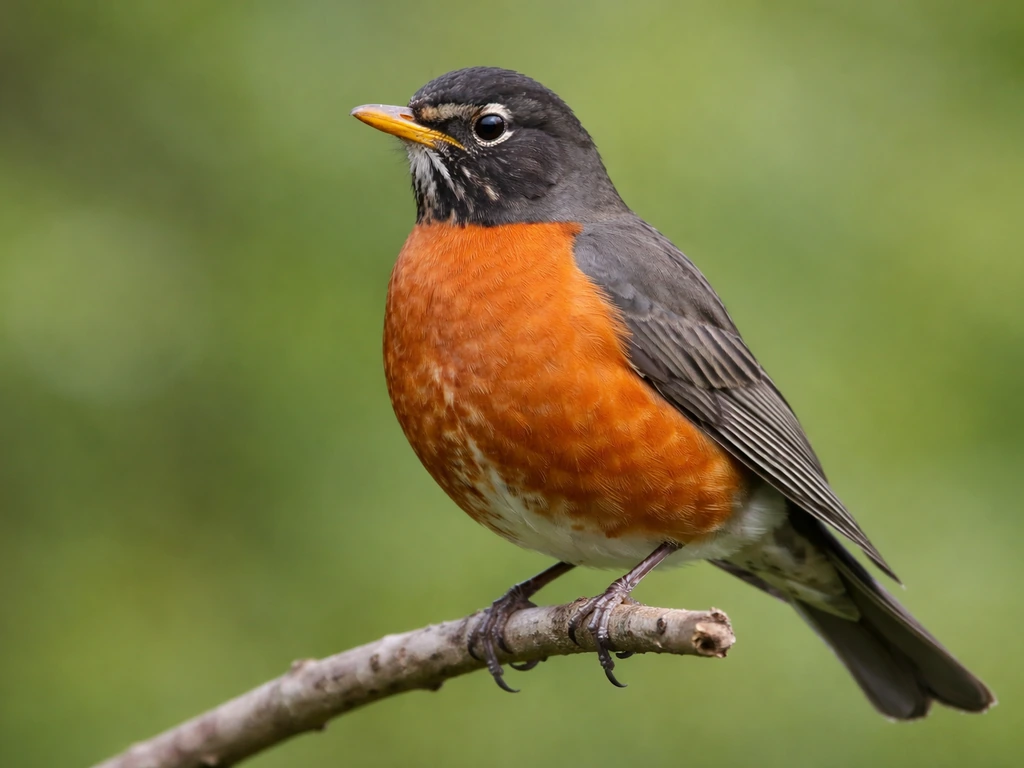
The American robin is a large, sturdy thrush, about 9 to 11 inches long, with a wingspan of roughly 12 to 16 inches. If you're new to birding, these field marks will lock it in quickly:
- Brick-red or orange-red breast (the original 'robin redbreast' description) on both males and females, though males are more vivid
- Dark gray to black back and head, with white eye rings and white patches on the lower belly and undertail
- Yellow-orange bill, straight and sturdy
- Characteristic upright posture on lawns, often pausing then sprinting to pull earthworms from the ground
- Song: a rich, rolling, flute-like caroling, often described as 'cheerily, cheer-up, cheerio,' one of the most familiar bird songs in North America
- Call: a sharp 'tut-tut-tut' alarm note, especially common when a predator is nearby
In Michigan you'll find robins across virtually every habitat type: suburban lawns, city parks, forest edges, orchards, and wetland margins. They're most visible in spring and early summer when males sing from exposed perches at dawn. During fall and winter, look for large flocks moving through fruiting trees like crabapples and hawthorns.
Why the robin is a fitting symbol for Michigan
Ecologically, the American robin is deeply woven into Michigan's seasonal rhythms. Its spring arrival signals the thaw, and its presence spans the state from the Upper Peninsula's boreal forests to the Lower Peninsula's agricultural lowlands. That geographic range matters: a state as large and ecologically diverse as Michigan needs a symbol that resonates statewide, not just in one region.
Culturally, the robin carries the weight of personal memory for Michiganders. Most people can recall watching robins on a lawn or hearing the morning carol through an open window. That everyday familiarity is exactly what makes a good state symbol. It doesn't need to be exotic to be meaningful. The robin connects people to the natural world without requiring a field guide or a special trip.
From an ecological standpoint, robins are also useful indicators of a healthy landscape. They rely on earthworms and soil invertebrates, so their abundance reflects soil and lawn health. They're sensitive enough to signal environmental stress but adaptable enough to thrive alongside human development, which mirrors Michigan's own story of balancing industry, agriculture, and natural resources.
Michigan isn't alone: other states and the robin overlap
Michigan shares the American robin designation with several other states. Wisconsin and Connecticut also claim the American robin as their official state bird, which makes the robin one of the more popular choices in the northeastern and Great Lakes region. In Connecticut, the American robin is the state bird as well, which is why people often ask why it was chosen connecticut's state bird.
If you're wondering why Wisconsin chose the American robin, there are a few key reasons tied to how the bird fits the state and its people Wisconsin and Connecticut also claim the American robin as their official state bird.
If you've landed here after wondering about the Connecticut state bird or why the robin is Wisconsin's state bird, the story has some similarities: all three states point to the bird's abundance, its spring symbolism, and its cultural familiarity as the key reasons. If you’re curious, the Connecticut state bird is the American robin, chosen for similar reasons related to familiarity and seasonal symbolism.
| State | Official state bird | Year adopted | Key reason cited |
|---|---|---|---|
| Michigan | American robin (Turdus migratorius) | 1931 | Schoolchildren's vote; spring symbol |
| Wisconsin | American robin (Turdus migratorius) | 1949 | Schoolchildren's vote; widespread presence |
| Connecticut | American robin (Turdus migratorius) | 1943 | Year-round resident; familiar spring herald |
The pattern is worth noting: in multiple states, schoolchildren drove the robin's selection. That's not a coincidence. The robin is simply the bird most North American kids know by name and sight, which made it a natural winner in any public vote. If you're curious about how many states in total have chosen the robin, or whether any states chose a crow or other thrush, those comparisons are worth exploring across the site's state-by-state pages.
Whether the crow is a state bird depends on the specific state, because many states choose other birds for their official symbols whether any states chose a crow. The robin is shared as a state bird by multiple states, so you can look up how many states have the robin as their state bird in the individual state-by-state lists.
Where to go from here
To confirm Michigan's official state bird designation, the most authoritative source is Michigan.gov's State Facts and Symbols page, which lists the robin redbreast (American robin) directly. The Michigan Legislature's 'Getting to Know Michigan' reference document also records the 1931 legislative resolution if you need the formal historical record.
For deeper exploration of American robin ecology in Michigan, the Michigan Audubon Society and the Cornell Lab of Ornithology's All About Birds database both offer range maps, seasonal data, and nest-monitoring resources. If you want to compare Michigan's choice with the other states that picked the robin, the pages on Wisconsin's and Connecticut's state birds cover the same species from different angles and add useful regional context.
FAQ
Is Michigan’s state bird definitely the American robin, or could it be confused with another “robin” species?
Michigan’s designation specifically refers to the American robin, Turdus migratorius. The name “robin redbreast” can still cause confusion because the European robin is a different species, so when confirming, match both the common name and the scientific name.
Why did the robin win, even though some other birds are more unique or rare in Michigan?
Michigan’s selection leaned on familiarity rather than rarity. Birds that are less common or more regionally limited often score lower in public votes, and the robin’s statewide presence made it a safer symbol for residents from both the Upper and Lower Peninsula.
Do American robins actually migrate out of Michigan every year?
Not always. While the species name reflects migration, in Michigan many robins overwinter and remain in the area when food is available, like earthworms in lawns or fruiting trees later in the year.
What month should I expect robins to appear in Michigan if I want to see “spring symbolism” in action?
Many people first notice robins in late February or March, but timing varies by year and weather. A faster thaw can bring earlier sightings, while colder springs can delay arrival by weeks.
Are robins really helpful “soil health” indicators around homes?
They can be. Because robins rely heavily on soil invertebrates like earthworms, areas with healthy ground conditions tend to support more robins, but local lawn practices, mowing height, and yard cover can also change what you see.
Where in Michigan are robins easiest to spot year-round?
In spring and early summer, listen for males singing at dawn from exposed perches near open lawns and park edges. In fall and winter, check fruiting trees and hedgerows, because robins often concentrate where crabs, hawthorns, and similar plants hold fruit.
Did Michigan choose the robin entirely through a legislature decision?
No, the legislature followed a statewide schoolchildren vote organized by the Michigan Audubon Society. That public vote was the key driver, and the 1931 legislative resolution made the choice official.
Is the American robin the state bird in other states too?
Yes. Wisconsin and Connecticut also use the American robin as their state bird, which is why you might see similar “abundance and spring” reasoning across those state stories.
How can I verify Michigan’s state bird designation reliably?
Use Michigan.gov’s State Facts and Symbols page, which lists the robin redbreast as the American robin. For the historical record of the selection process, the Michigan Legislature’s reference materials document the 1931 resolution.
Next Article
Is the Crow a State Bird? Which States List Crows
Find which states, if any, officially designate a crow as a state bird and how to verify the exact species wording.