Delaware's official state bird is the blue hen chicken, a domestic fowl chosen on April 14, 1939, when the Delaware General Assembly formally adopted it. The choice has nothing to do with wild birds or ornithology. It is entirely about Revolutionary War history and state pride, rooted in a nickname that Delaware soldiers carried into battle over 250 years ago.
Why Is the Blue Hen Delaware State Bird and What It Means

Marcus Webb
14 Jun 2026
What exactly is a "blue hen" anyway?
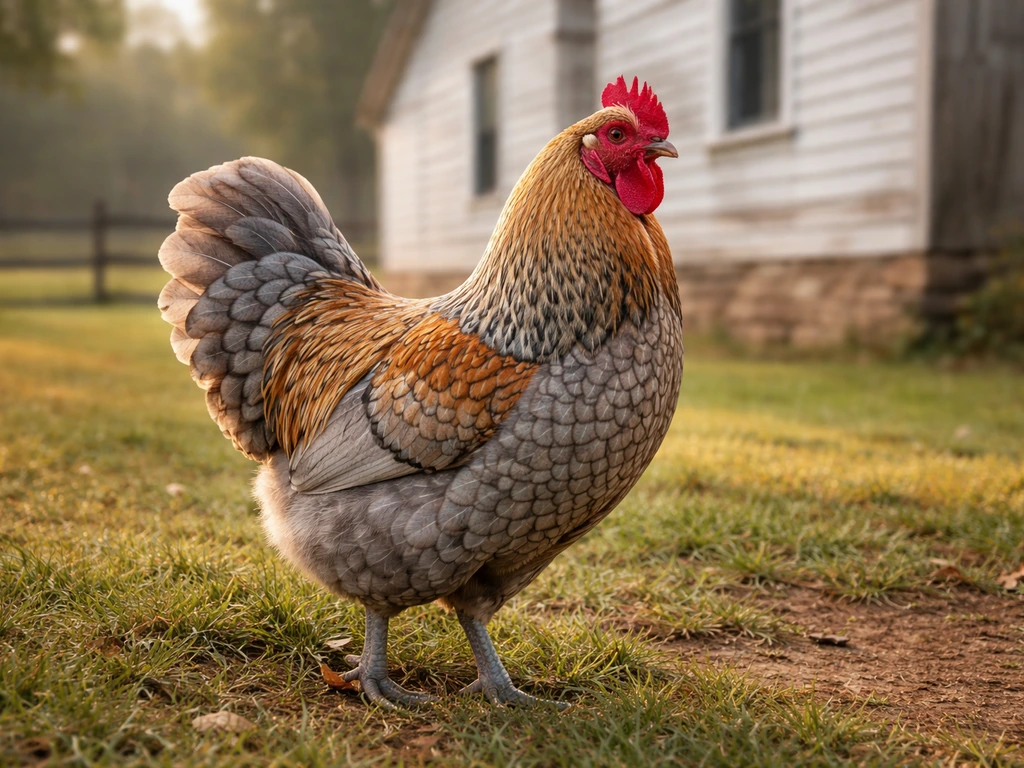
The blue hen is a domestic chicken (Gallus gallus domesticus), not a wild species you would spot through binoculars or find in a field guide. Delaware law is specific: Title 29, Chapter 3, § 304 states simply that "the blue hen chicken is the official bird of the State." The legal citation traces back to 42 Del. Laws, c. 128, later recodified into the current Delaware Code. So when people wonder if they should be looking for some obscure blue-plumaged bird in Delaware's wetlands, the answer is no. The symbol is a domesticated gamefowl with a very specific historical backstory.
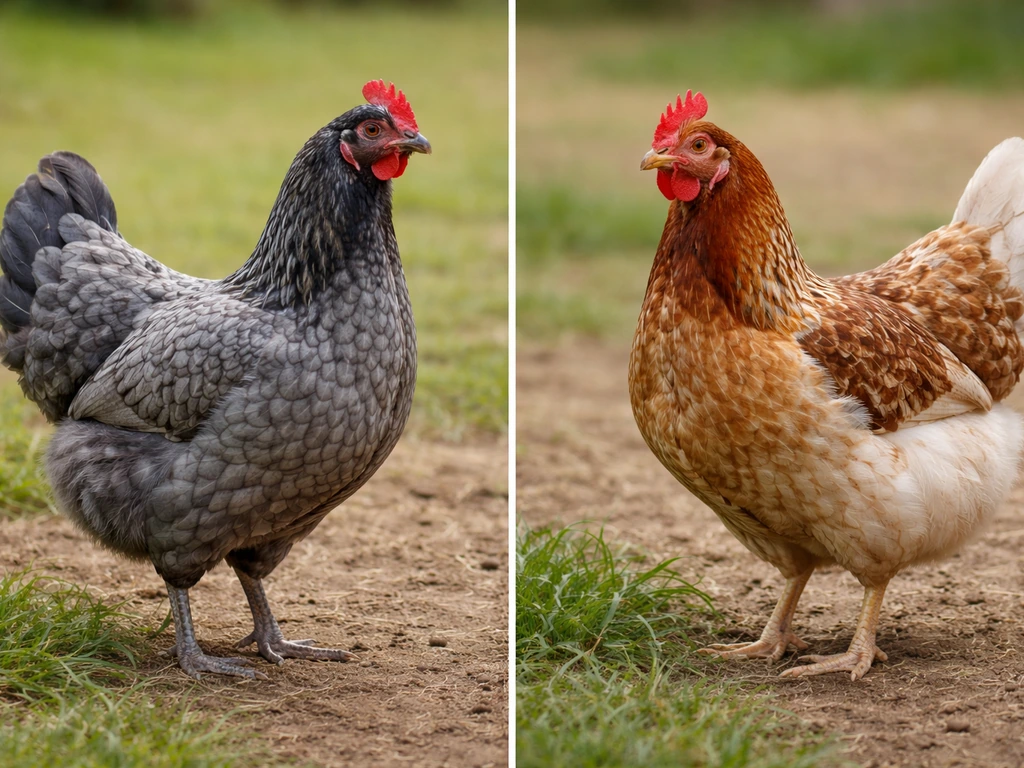
Visually, a blue hen refers to a hen of a blue or blue-laced feather coloring, a trait that shows up in certain gamefowl breeds. But in Delaware's official and cultural usage, the symbol leans more toward fighting-cock imagery than a calm farmyard hen. Delaware's own flag provisions reference a "model of a blue hen's fighting cock" for the Governor's flag, which tells you a lot about how the state sees the symbol: as a scrappy, combative bird with fighting spirit built in.
The Revolutionary War story behind the choice
The whole thing starts with Delaware's soldiers in the Revolutionary War, specifically with the regiment commanded by Colonel John Haslet. The story goes that soldiers from this regiment brought game chickens with them to camp, birds bred for cockfighting, which was a common pastime at the time. These chickens were said to be blue hens, known for their ferocity in a fight. The birds became a kind of mascot and a source of camp entertainment, and the regiment's reputation for toughness and fighting spirit earned them the nickname "The Blue Hen's Chickens" or "Sons of the Blue Hen."
That nickname stuck. It carried the idea that Delaware soldiers, like the blue hen's fighting offspring, were fierce, resilient, and not easily beaten. The University of Delaware, which itself uses "Blue Hens" as its athletic nickname, ties its own brand directly to this same Revolutionary War tradition. By the time the General Assembly made it official in 1939, the blue hen had already been woven into Delaware's identity for well over a century.
How the blue hen became a Delaware identity marker
The blue hen is not just a state-bird trivia answer. Delaware's Division of Historical and Cultural Affairs has documented how the chicken symbol threads through the state's cultural memory in a way that few state birds do elsewhere. It shows up in the state flag (via the fighting-cock emblem), in the University of Delaware's athletics, in local place names, and in state educational materials. The phrase "First State fowls" is not accidental. Delaware embraces the chicken connection with a kind of cheerful self-awareness.
The values the symbol carries are endurance, patriotism, and a certain scrappiness. When Delaware chose this bird officially in 1939, it was codifying a centuries-old piece of collective identity, not discovering something new. The General Assembly was essentially saying: yes, this nickname our soldiers earned in the 1770s is officially ours.
What to look for if you want to picture a blue hen
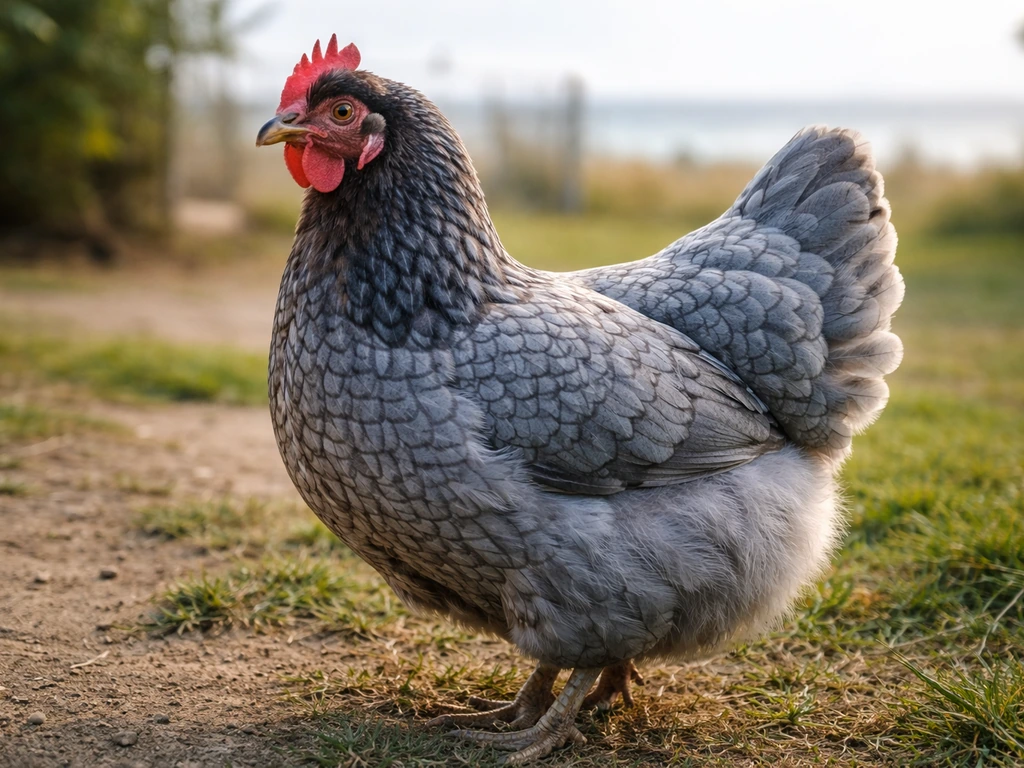
Since the blue hen chicken is a domestic breed rather than a wild species, there is no field-identification checklist in the traditional birding sense. But here is how to picture it correctly:
- It is a domestic chicken, specifically one with blue or blue-laced feathering (a genetic trait found in certain gamefowl lines)
- The "fighting cock" depiction used in official Delaware imagery shows an upright, alert rooster with a proud stance, comb raised, and feathers sleek rather than fluffy
- It is not a songbird, raptor, or wild game bird. Think farmyard gamefowl, not a bird you would see on a nature trail
- In Delaware's official symbology, the male (cock) version of the bird is typically depicted, even though the name says "hen," because the fighting-cock imagery drives the iconography
- The bird's significance is almost entirely symbolic and historical, so identification here means understanding what it represents rather than spotting field marks
When Delaware made it official
The Delaware General Assembly adopted the blue hen chicken as the official state bird on April 14, 1939. The original act was recorded as 42 Del. Laws, c. 128, and the text was later folded into Title 29 of the Delaware Code during recodification (appearing as 29 Del. C. 1953, § 504, now at § 304). The legal language is stripped-down and direct: one sentence, one bird, fully official. There was no earlier competing state bird that got replaced. The blue hen was the original pick, and it has stayed.
1939 was actually a busy decade for state-bird designations across the country. Many states were formalizing symbols during this era, partly as a way to strengthen state identity during a period of national economic hardship. Delaware's choice, though, was unusually rooted in a specific historical event rather than a general appreciation for a local species.
Delaware is not alone: other states with chicken-based state birds
Delaware and Rhode Island are the only two U.S. states whose official state birds are domestic chicken breeds rather than wild bird species. That makes for an interesting comparison:
| State | Official State Bird | Type | Officially Designated |
|---|---|---|---|
| Delaware | Blue Hen Chicken | Domestic gamefowl (symbolic/historical) | April 14, 1939 |
| Rhode Island | Rhode Island Red | Domestic chicken breed (agricultural/heritage) | May 3, 1954 (at noon) |
Both choices reflect strong regional identity tied to domestic fowl rather than wild birds, but the reasons differ. Rhode Island's choice celebrates an agricultural breed that originated there and became famous worldwide. Britannica notes that the blank" rel="noopener noreferrer">Rhode Island red is Rhode Island’s official state bird. Delaware's choice is about military history and a Revolutionary War nickname. Rhode Island's chicken-based state bird is another example of how a specific kind of bird symbol becomes a state identity marker, even if you're asking why the roadrunner is a New Mexico bird why is the roadrunner the new mexico bird. Rhode Island picked a breed; Delaware picked a legend. Most other states went with wild songbirds or raptors, which makes these two stand out as genuinely unusual choices. For comparison, states like Pennsylvania (ruffed grouse) and New Mexico (roadrunner) went with regionally distinctive wild species, which is the far more common pattern. For example, Pennsylvania and New Mexico also have distinctive state birds, including the roadrunner in New Mexico.
The bottom line on why Delaware picked the blue hen
Delaware chose the blue hen chicken because it had already been Delaware's unofficial symbol for over 160 years before the 1939 vote. The Revolutionary War soldiers who earned the nickname "The Blue Hen's Chickens" gave the state an identity marker tied to bravery, toughness, and patriotism. Making it the official state bird was really just catching up to what Delawareans already knew about themselves. It is one of the most historically grounded state-bird choices in the country, even if it is also one of the most unexpected.
If you are researching Delaware's state symbols, the official language to know is: "the blue hen chicken is the official bird of the State" (Title 29, § 304, Delaware Code). If you want to explore how other states made their bird selections, comparing Delaware's approach to states like Pennsylvania or New York is a useful way to see how history, culture, and local species all feed into these decisions differently. If you are also curious about New York, it has its own official state bird and flower, too New York state bird and flower. If you are wondering why the eastern bluebird is the New York state bird, it comes from a different kind of state-symbol story than Delaware's Revolutionary War nickname comparing Delaware's approach to states like Pennsylvania or New York.
FAQ
If the blue hen is the state bird, can I see a blue hen in the wild in Delaware?
No. Delaware’s state bird is a domesticated chicken that is tied to history and state symbolism, so you should not expect to see it treated like a wild species in nature. If you want to “find” the blue hen, look for official displays, flag imagery, or educational materials rather than birding locations.
What exactly does “blue hen” mean in the state-bird name, biologically?
Delaware’s “blue hen” is best understood as the nickname for a blue-colored fighting chicken, not as a single scientifically recognized species you can reliably identify in the field. Even among domestic breeds, coloration and feather patterning vary, so the closest match is to think “blue or blue-laced gamefowl,” especially in the fighting-cock context.
Is Delaware’s blue hen meant to represent a farm chicken, or the fighting-cock tradition?
The symbol’s meaning is closer to toughness and combat spirit because Delaware’s official flag provisions reference a blue hen’s fighting-cock model. That matters because some people picture a calm farm hen, but Delaware’s usage leans toward the historical fighting-cock image behind the Revolutionary War nickname.
Is Delaware’s state bird called “Blue Hen’s Chickens,” or is it specifically one blue hen chicken?
It is officially the blue hen chicken, not the broader idea of “blue hens” generally. In other words, it is one specific domesticated chicken symbol that has legal status, even though the phrase “Blue Hen’s Chickens” appears in the older Revolutionary War nickname tradition.
Did Delaware have a different official state bird before 1939, and then replace it with the blue hen?
No. The article notes the 1939 adoption, and it also explains that there was no earlier official replacement because Delaware had already used the blue hen idea as an unofficial identity marker for a long time. The 1939 vote largely “caught up” legally to something already embedded culturally.
What wording should I use to be accurate when I mention Delaware’s official state bird?
If you are using Delaware’s symbols for a school project, cite the legal wording as the authoritative description: “the blue hen chicken is the official bird of the State.” The most common mistake is citing the nickname story only, without also grounding the claim in the state code language.
If the blue hen shows up in different places, do those images all mean the same thing?
Blue hen visuals can appear in different forms, such as flag emblems, school materials, or sports branding, but they all point back to the same core idea. The practical takeaway is to treat it as a Delaware identity symbol, not a bird you can “spot,” and to explain the Revolutionary War nickname origin when asked why it is the state bird.