Delaware's blue hen chicken is the state bird most likely to make someone think the designation refers to something that isn't alive. It's not a wild species, it's not a bird you'd spot on a nature walk, and the name sounds more like a historical relic than a living creature. But the blue hen chicken is very much a real, living domestic bird, still raised today. No U.S. state has an officially designated bird that is extinct or legendary. People often search for what is the state bird as if it were a single national designation, but it varies by state. Every official state bird refers to a species that exists in the living world right now.
State Bird That Is Not Alive: How to Verify and Confirm

Marcus Webb
4 Jun 2026
What 'state bird' means, and what 'not alive' could mean here
A state bird is an official symbol chosen by a state's legislature and written into law. If you are wondering about the state bird meaning, keep in mind that it is a formal legal symbol chosen by a state’s legislature and written into law state bird is an official symbol. It's not informal or ceremonial in a loose sense: it's a legal designation, the same way a state flower or state motto is codified. Most states adopted their official birds between the 1920s and 1950s, often prompted by schoolchildren's votes or conservation advocacy groups. Understanding what a state bird actually is matters, because some people assume the designation must refer to a bird commonly seen flying around that state today.
When someone searches for a 'state bird that is not alive,' they usually mean one of a few things: the bird sounds like it might be extinct, the name sounds made-up or mythical, the bird isn't native to the wild and therefore feels 'not real,' or the designation has been changed or replaced over time and the old one is no longer official. All of these are worth unpacking, because each creates a different kind of confusion.
The state bird most people think isn't alive (and why)
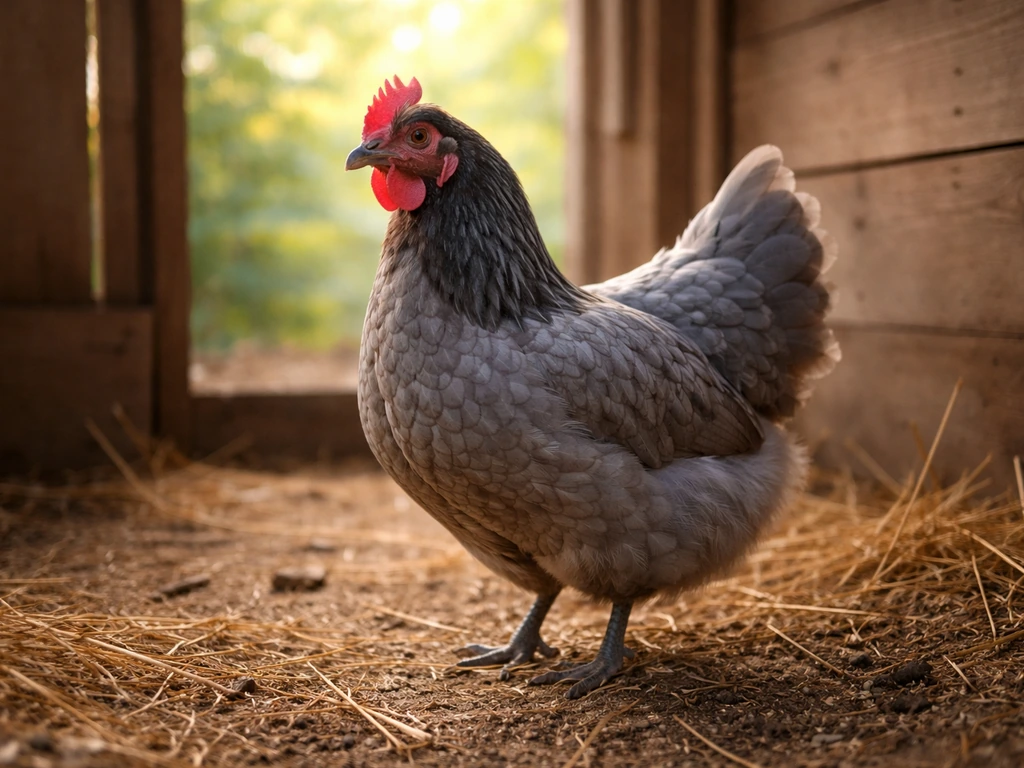
Delaware's blue hen chicken is the standout case. It was officially designated as Delaware's state bird on April 14, 1939, and is codified in the Delaware Code, Title 29, Chapter 3, Section 304, which states plainly: 'The blue hen chicken is the official bird of the State.' The confusion starts immediately when people hear the name. A 'blue hen chicken' sounds like a folk legend or an old colonial nickname, not a real bird you could see in a farm today.
The blue hen chicken is a domestic bird, not a wild species. It descends from gamecocks (fighting chickens) with blue-gray plumage that Delaware soldiers famously brought to battle during the Revolutionary War. Those soldiers from Delaware's First Regiment were so fierce in combat that they were compared to the fighting spirit of the blue hen's chicks. The bird became a symbol of Delaware's Revolutionary War identity, not a symbol of local wildlife. That historical framing is exactly what makes people think it might be a relic of the past rather than a living animal.
The second most common source of confusion involves the California quail, the northern cardinal, and the western meadowlark. None of these are extinct or mythical, but because so many states share identical state bird designations (seven states share the northern cardinal, six share the western meadowlark), people sometimes wonder if some of those states have an outdated or placeholder designation rather than a real one. They don't: every shared designation refers to the same fully living species.
How to verify what a state's official bird actually is
The most reliable source for any state's official bird is the state's own legal code or legislature website. For Delaware, that's the Delaware Code Online at delcode.delaware.gov, where Title 29, Chapter 3 lists all state symbols including the state bird. For other states, their equivalent statutes or secretary of state 'Facts and Symbols' pages are equally authoritative. These pages are publicly accessible and free: no special research access is needed.
If you want a quick cross-reference, state government 'Facts and Symbols' or 'State Symbols' pages (usually hosted under the governor's or secretary of state's official domain) list designations with adoption dates. For Delaware specifically, the state government's 'Facts and Symbols' page confirms the April 14, 1939 adoption date alongside other official symbols. Always check these primary sources before trusting third-party lists, because some older reference sites carry outdated or incorrect designations.
Extinct birds, rare birds, and myths: separating fact from assumption
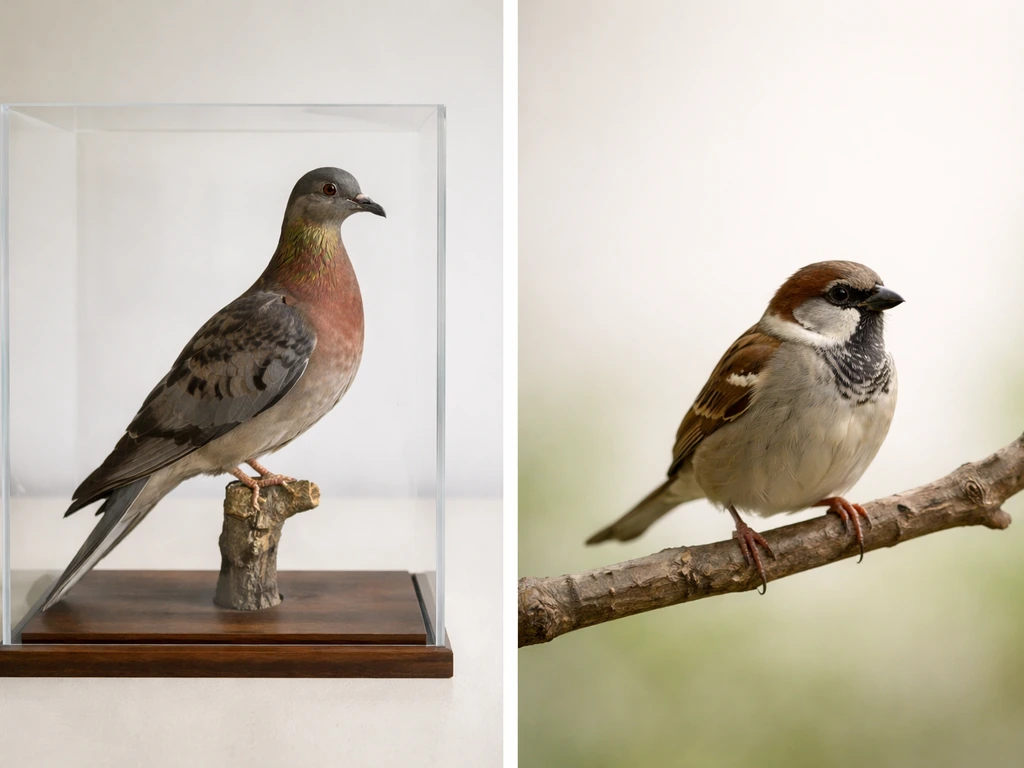
No current U.S. state bird is an extinct species. This is a common misconception worth addressing directly. The passenger pigeon is extinct, but it is not anyone's official state bird. The Carolina parakeet is extinct, but again, not an official state bird designation for any state. Some people also wonder about the ivory-billed woodpecker, which was long considered possibly extinct (and was officially declared extinct by the U.S. Fish and Wildlife Service in 2021 before that declaration became contested), but it is not a state bird for any state.
What does exist are state birds that are uncommon, range-restricted, or simply not encountered in daily life. The nene (Hawaii's state bird) is a Hawaiian goose found only in Hawaii and was once critically endangered, with the wild population dropping to around 30 birds in the 1950s. Conservation efforts have brought numbers back to over 3,000 today. The nene is very much alive, just not something most Americans will ever see in person. The loon, Minnesota's state bird, is rarely seen by non-birders outside of lake country in summer. None of this makes them 'not alive.'
Why Delaware chose a domestic chicken: the history behind the confusion
Delaware is a tiny state with a genuinely distinctive history, and the blue hen chicken connects directly to Revolutionary War identity in a way that no wild bird could. Delaware's First Regiment soldiers brought blue hen gamecocks to camps during the war, staging cockfights for entertainment between battles. The birds' aggressive fighting spirit became a rallying symbol for the regiment, and by extension for Delaware pride. By the time Delaware's legislature formalized the choice in 1939, the blue hen was already deeply embedded in the state's cultural identity: the University of Delaware's athletic teams are called the Fightin' Blue Hens.
This kind of historical and cultural reasoning is common across state bird designations, and it's part of what makes some choices feel confusing or arbitrary when viewed through a purely ornithological lens. State birds were not always chosen for ecological significance or local abundance. Some were chosen for symbolism, some for folklore, and some because a schoolchildren's vote happened to favor a particular species. Understanding why a state chose its bird usually clears up why it might seem like an unusual or non-intuitive pick.
How to confirm the bird is still alive and where to find it

For wild state birds, the Cornell Lab of Ornithology's All About Birds database (allaboutbirds.org) and the Audubon Society's bird guide both provide current range maps, population status, and conservation assessments. These are the go-to tools for confirming whether a species is still present, where it breeds, and whether its population is stable. The IUCN Red List provides global conservation status if you want a formal assessment of extinction risk.
For Delaware's blue hen chicken specifically, it's a domestic breed rather than a wild species, so range maps aren't the right tool. What you'd want instead is confirmation that the breed still exists as a living domestic lineage, which it does: blue hen chickens are raised by breeders and small farms today. The University of Delaware's connection to the symbol also keeps awareness of the breed active in the state.
A useful rule of thumb: if a state bird sounds unfamiliar or 'not real,' look it up on a species database before assuming it's extinct or mythical. Many people wonder which species shows up most often, but the key is to compare the full official list across all 50 states most common state bird. If you are wondering about a different state bird, the bald eagle is the state bird of Montana bald eagle is what state bird. In every case among the 50 official U. If you want to see the complete set, compile a list of all 50 official U.S. state birds and their species so you can compare each one directly. S. state birds, you'll find a living animal with a documented biological record.
Shared state birds and common cases of mistaken identity
One reason people sometimes think a state bird 'doesn't exist' is that they're confusing it with another bird that has a similar name or appearance. The western meadowlark and eastern meadowlark look almost identical in the field, yet they're distinct species. Six states (Kansas, Montana, Nebraska, North Dakota, Oregon, and Wyoming) claim the western meadowlark; no state uses the eastern meadowlark. If someone from the eastern U.S. looks up their state's official bird and sees 'meadowlark,' they might encounter range information suggesting the western species doesn't live in their area, which can make the designation feel disconnected from reality.
| State Bird | States That Use It | Notes |
|---|---|---|
| Northern Cardinal | Illinois, Indiana, Kentucky, North Carolina, Ohio, Virginia, West Virginia | Seven states share this designation |
| Western Meadowlark | Kansas, Montana, Nebraska, North Dakota, Oregon, Wyoming | Six states share this designation |
| Mockingbird | Arkansas, Florida, Mississippi, Tennessee, Texas | Five states share this designation |
| Blue Hen Chicken | Delaware | Only domestic bird among all 50 state birds; most likely to cause 'not alive' confusion |
| Nene (Hawaiian Goose) | Hawaii | Once near-extinct; population now recovered to 3,000+ |
Shared designations also lead people to wonder whether some states have simply copied an outdated or placeholder choice. They haven't. Each state's legislature independently passed its own law designating the same species. The fact that seven states chose the northern cardinal is a reflection of how widespread and beloved that bird is across the eastern and midwestern U.S., not a sign that any of those designations is less legitimate or less 'real.'
If you're trying to work out whether a particular state's bird sounds familiar or oddly unfamiliar compared to neighboring states, comparing the full list of all 50 state birds side by side is genuinely useful. Patterns emerge quickly: the cardinal dominates the east, the meadowlark dominates the plains, and outliers like Delaware's blue hen chicken or Hawaii's nene stand out immediately as the most distinctive choices on the map.
The bottom line on 'not alive' state birds
Every official U.S. state bird is a living species or breed. Delaware's blue hen chicken is the one most likely to prompt the 'not alive' question because it's a domestic bird with a folk history rather than a wild species you'd identify on a birding trip. But it's real, it's alive, and blank" rel="noopener noreferrer">its designation has been legally official since 1939. If you're trying to verify any state bird quickly, go straight to that state's legal code or official symbols page, then cross-reference the species on a birding database. That two-step check will answer any 'is this real?' question in under five minutes. To find the official state bird for Texas, check Texas's legislature or official state symbols resources and then confirm the listed species in a reliable bird database.
FAQ
How can I tell if a state bird is a wild species or a domestic breed?
Check the state law text for wording like “species,” “bird,” “breed,” or “domestic.” If it mentions a farm animal or a named poultry line (like Delaware’s blue hen chicken), treat it as a breed rather than something you would verify with wild range maps.
Why do some state bird lists online disagree with each other?
Third-party pages sometimes copy older versions or confuse state bird and state animal or state mammal. Your best fix is to use the most direct authority, the state code section or the official “Facts and Symbols” page, then compare the scientific name or the common name to a current bird reference.
If my state bird is hard to spot locally, does that mean it is extinct?
Not necessarily. Some state birds are rare, range-restricted, or seasonal visitors, so “not seen” can simply mean “not likely to be encountered by non-birders.” Confirmation comes from population and range information, not from personal sightings.
What if the state bird sounds mythical, like it might be folklore or a made-up name?
Look for whether the designation is tied to an actual species name in the statute (or a scientific name used by official sites). If the law treats it as an official species, it is a real taxon, even if the common name is unusual or historically worded.
How do I verify a state bird when there are look-alike species with similar names?
Match the official wording to the species, not the generic label. For example, “meadowlark” can refer to different species depending on the state, so use the full state designation (and scientific name if available) before concluding a bird “doesn’t live there.”
Can a state change its official bird, and will old versions still show up in search results?
Yes. Legislatures can amend or repeal symbol laws, so older blogs, classroom lists, and cached webpages may show outdated designations. Always re-check the latest statute or the current official symbols page for the state you care about.
Are any states’ birds actually extinct, or were any ever proposed as extinct?
No U.S. state bird is currently officially designated as an extinct species. Extinct birds people ask about, like the passenger pigeon, do not have official state-bird status, so if you see a claim, verify it against the state’s legal code.
Where should I check conservation status if I’m worried a state bird is declining?
Use a bird-specific database or an international conservation assessment that lists population trends and extinction risk. Don’t rely on “rarity” from a single map; look for trend language, breeding status, and recent updates.
How do I confirm a domestic state bird is still “alive” and not just a historical reference?
For domestic breeds, confirm that the lineage is still raised by breeders or farms today, not that it appears in wild sightings. In practice, look for breed existence through agricultural or university-affiliated references and avoid using wild range tools for that state bird.
What is the fastest reliable two-step method to verify any state bird?
First, open the state’s legal code or official symbols page and copy the exact official designation. Second, confirm the biological species (or domestic breed) using a reputable bird database, then check that it is a living taxon, not an extinct one.
If my state bird is shared by many states, does that make it less official or less unique?
No. Multiple legislatures can independently choose the same species because it is widely recognized or culturally meaningful. Shared designation means the species is legitimate, not that some states “forgot” to update an old placeholder.
Next Articles
What Is the State Bird for All 50 States? Complete List
Complete list of all 50 U.S. state birds, with species, why each was chosen, and adoption history for quick lookup
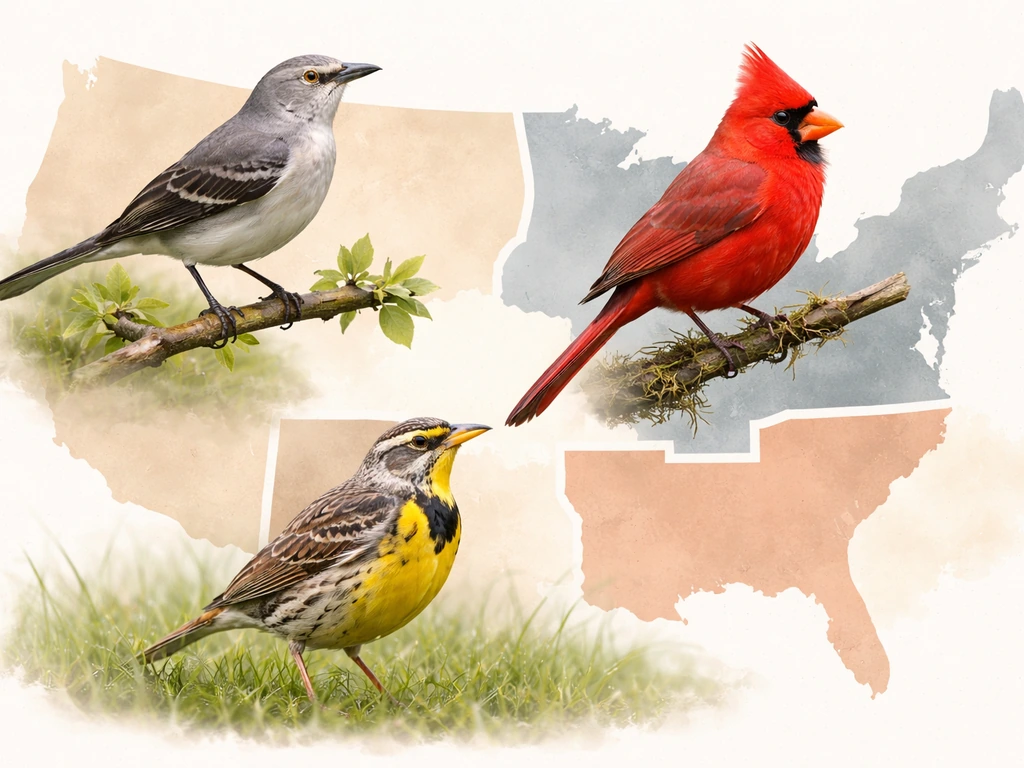
State Bird Meaning: Why States Chose Their Official Birds
Understand state bird meaning: species traits, symbolism, and why each state chose its official bird, plus shared matche
Bald Eagle Is What State Bird: The Exact Answer
Bald eagle is the official state bird of Alaska. Plus quick guide to state vs national bird confusion.