Every U.S. state has an official state bird, designated by its legislature, and here they all are in one place. Below you'll find the complete list of all 50 state birds with their common names, scientific names, and quick identification notes, plus the reasons and history behind the designations. Whether you need a fast lookup or want to understand the patterns behind the choices, this is your go-to reference.
What Is the State Bird for All 50 States? Complete List

Marcus Webb
27 May 2026
All 50 State Birds at a Glance
This table gives you every state bird in one shot. Common name, scientific name, and blank" rel="noopener noreferrer">the year each state made it official. A few patterns jump out immediately: the northern cardinal appears seven times, the western meadowlark six times, and the northern mockingbird five times. More on those shared birds later.
| State | State Bird (Common Name) | Scientific Name | Year Adopted |
|---|---|---|---|
| Alabama | Northern Flicker (Yellowhammer) | Colaptes auratus | 1927 |
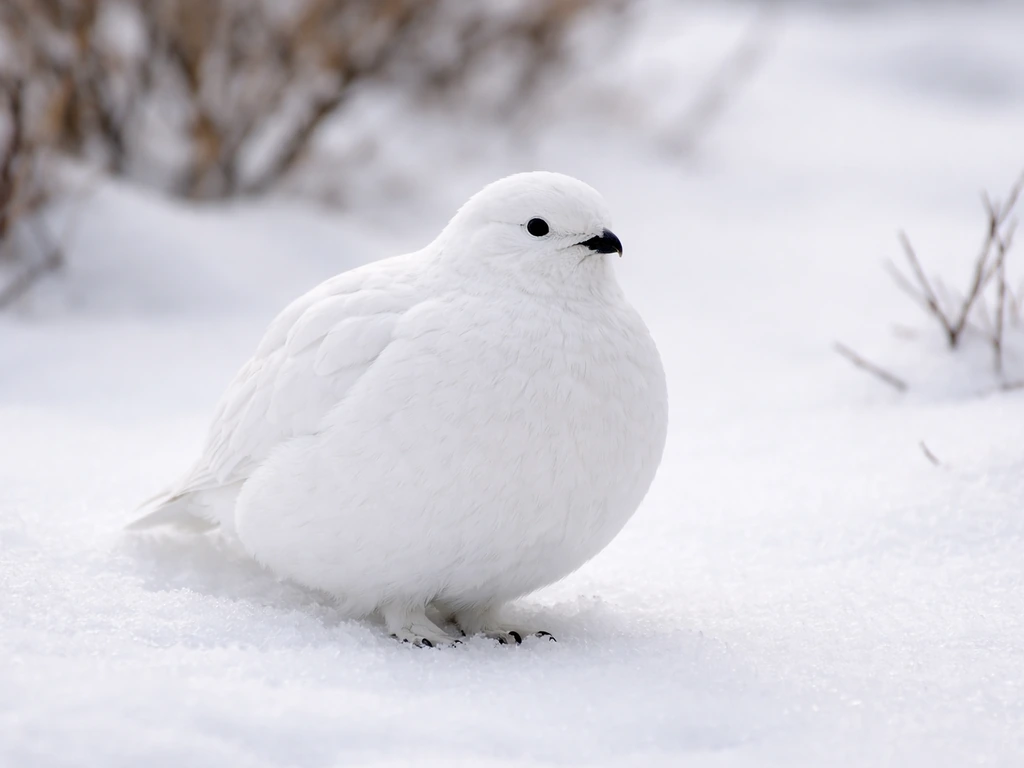
| Alaska | Willow Ptarmigan | Lagopus lagopus | 1955 |
| Arizona | Cactus Wren | Campylorhynchus brunneicapillus | 1931 |
| Arkansas | Northern Mockingbird | Mimus polyglottos | 1929 |
| California | California Quail | Callipepla californica | 1931 |
| Colorado | Lark Bunting | Calamospiza melanocorys | 1931 |
| Connecticut | American Robin | Turdus migratorius | 1943 |
| Delaware | Delaware Blue Hen (Blue Hen Chicken) | Gallus gallus domesticus | 1939 |
| Florida | Northern Mockingbird | Mimus polyglottos | 1927 |
| Georgia | Brown Thrasher | Toxostoma rufum | 1935 |
| Hawaii | Nene (Hawaiian Goose) | Branta sandvicensis | 1957 |
| Idaho | Mountain Bluebird | Sialia currucoides | 1931 |
| Illinois | Northern Cardinal | Cardinalis cardinalis | 1929 |
| Indiana | Northern Cardinal | Cardinalis cardinalis | 1933 |
| Iowa | American Goldfinch | Spinus tristis | 1933 |
| Kansas | Western Meadowlark | Sturnella neglecta | 1937 |
| Kentucky | Northern Cardinal | Cardinalis cardinalis | 1926 |
| Louisiana | Brown Pelican | Pelecanus occidentalis | 1966 |
| Maine | Black-capped Chickadee | Poecile atricapillus | 1927 |
| Maryland | Baltimore Oriole | Icterus galbula | 1947 |
| Massachusetts | Black-capped Chickadee | Poecile atricapillus | 1941 |
| Michigan | American Robin | Turdus migratorius | 1931 |
| Minnesota | Common Loon | Gavia immer | 1961 |
| Mississippi | Northern Mockingbird | Mimus polyglottos | 1944 |
| Missouri | Eastern Bluebird | Sialia sialis | 1927 |
| Montana | Western Meadowlark | Sturnella neglecta | 1931 |
| Nebraska | Western Meadowlark | Sturnella neglecta | 1929 |
| Nevada | Mountain Bluebird | Sialia currucoides | 1967 |
| New Hampshire | Purple Finch | Haemorhous purpureus | 1957 |
| New Jersey | American Goldfinch | Spinus tristis | 1935 |
| New Mexico | Greater Roadrunner | Geococcyx californianus | 1949 |
| New York | Eastern Bluebird | Sialia sialis | 1970 |
| North Carolina | Northern Cardinal | Cardinalis cardinalis | 1943 |
| North Dakota | Western Meadowlark | Sturnella neglecta | 1947 |
| Ohio | Northern Cardinal | Cardinalis cardinalis | 1933 |
| Oklahoma | Scissor-tailed Flycatcher | Tyrannus forficatus | 1951 |
| Oregon | Western Meadowlark | Sturnella neglecta | 1927 |
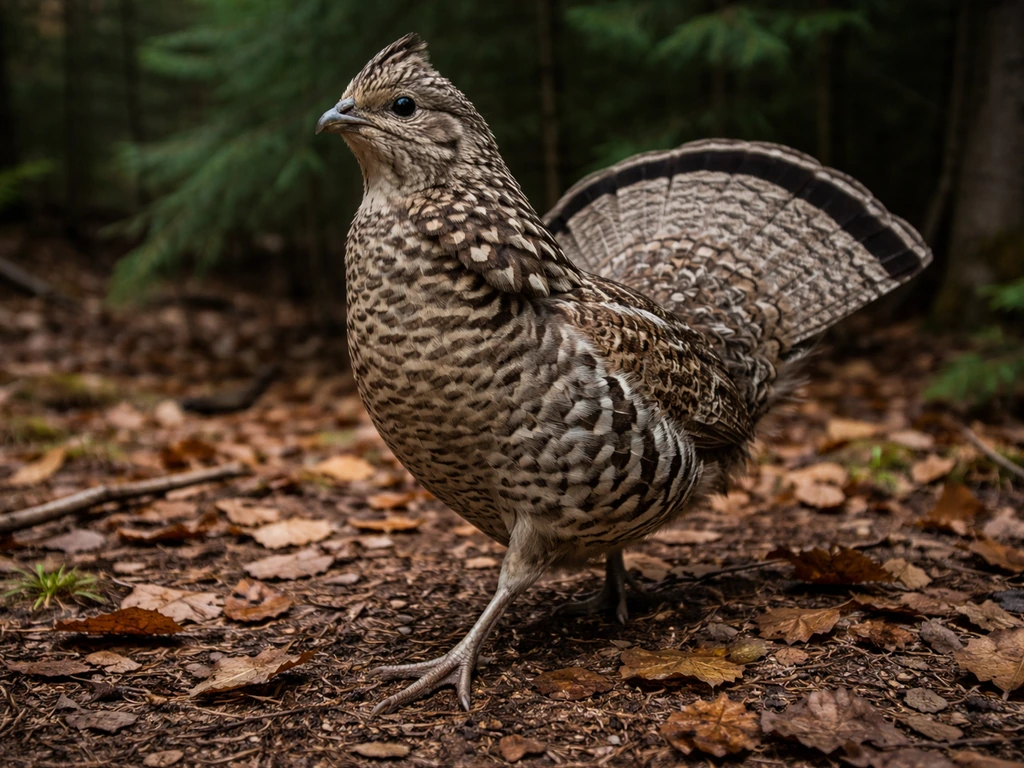
| Pennsylvania | Ruffed Grouse | Bonasa umbellus | 1931 |
| Rhode Island | Rhode Island Red (Chicken) | Gallus gallus domesticus | 1954 |
| South Carolina | Carolina Wren | Thryothorus ludovicianus | 1948 |
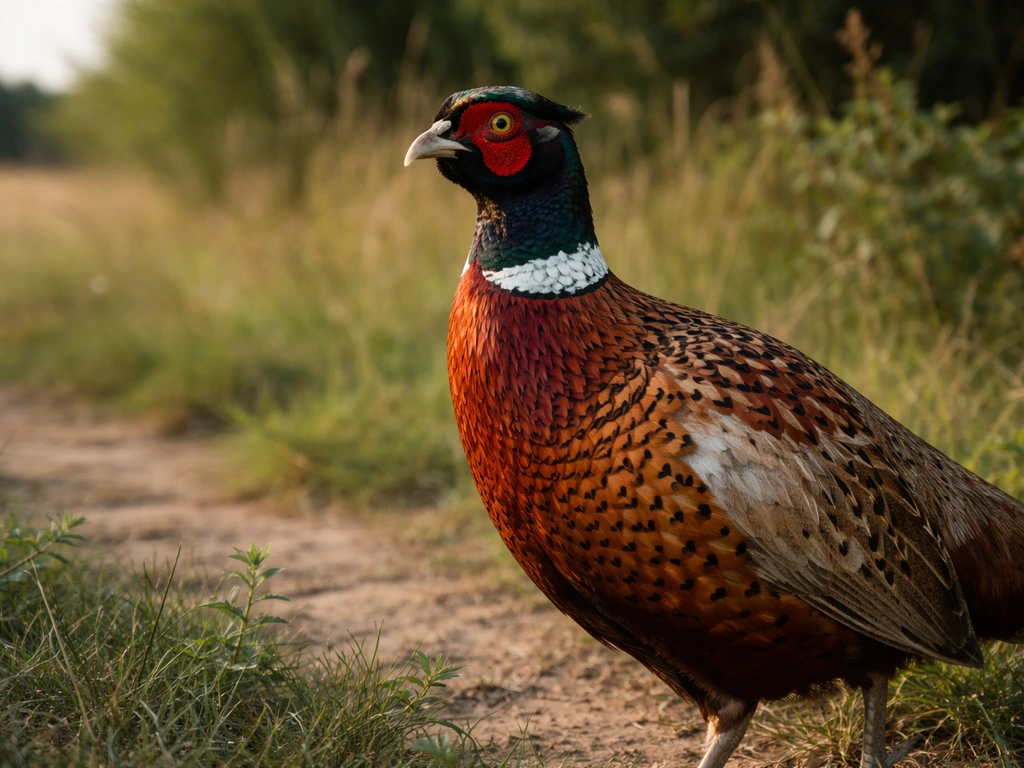
| South Dakota | Ring-necked Pheasant | Phasianus colchicus | 1943 |
| Tennessee | Northern Mockingbird | Mimus polyglottos | 1933 |
| Texas | Northern Mockingbird | Mimus polyglottos | 1927 |
| Utah | California Gull | Larus californicus | 1955 |
| Vermont | Hermit Thrush | Catharus guttatus | 1941 |
| Virginia | Northern Cardinal | Cardinalis cardinalis | 1950 |
| Washington | Willow Goldfinch (American Goldfinch) | Spinus tristis | 1951 |
| West Virginia | Northern Cardinal | Cardinalis cardinalis | 1949 |
| Wisconsin | American Robin | Turdus migratorius | 1949 |
| Wyoming | Western Meadowlark | Sturnella neglecta | 1927 |
State-by-State Reference: Species Details and Quick ID Notes
Knowing the name is one thing. Actually identifying the bird in the field is another. Here's a state-by-state breakdown with the kind of quick ID notes that help you recognize each species when you see or hear it.
Alabama: Northern Flicker (Yellowhammer)
The northern flicker (Colaptes auratus) is a large, brown-barred woodpecker with a bright yellow or red underwing flash, a black chest bib, and a white rump patch visible in flight. Alabama's nickname for it, 'Yellowhammer,' comes from the yellow wing linings of the yellow-shafted subspecies common in the state.
Alaska: Willow Ptarmigan
The willow ptarmigan (Lagopus lagopus) is a chunky grouse-like bird that turns completely white in winter and mottled brown in summer, a camouflage adaptation to Arctic and subarctic tundra. It's the most common game bird in Alaska and can withstand brutal cold that would ground most other birds.
Arizona: Cactus Wren
The cactus wren (Campylorhynchus brunneicapillus) is the largest wren in North America, with a bold white eyebrow stripe, heavily spotted breast, and a loud, churring call that sounds like a car struggling to start. It nests in cholla and saguaro cacti and is unmistakably a desert bird.
Arkansas: Northern Mockingbird
The northern mockingbird (Mimus polyglottos) is a medium-sized gray bird with white wing patches visible in flight. Its defining trait is its song: it mimics dozens of other bird species, insects, and even mechanical sounds, sometimes singing all night. Arkansas adopted it in 1929.
California: California Quail
The California quail (Callipepla californica) is a plump, round bird with a distinctive forward-drooping topknot plume. Males have a black face with white border and chestnut flanks; females are more subdued brown. It moves in groups called coveys and makes a three-note 'chi-CA-go' call.
Colorado: Lark Bunting
The lark bunting (Calamospiza melanocorys) is the only bird in the sparrow family where the male is completely black with bold white wing patches in breeding plumage. It breeds on the shortgrass prairies of Colorado and performs a fluttering song-flight display above the grasslands.
Connecticut: American Robin
The American robin (Turdus migratorius) is one of the most recognized birds in North America: brick-red breast, dark gray-black back, yellow bill, and a cheerful 'cheerily, cheer-up' song. Connecticut designated it in 1943, chosen partly by schoolchildren in a statewide vote.
Delaware: Blue Hen Chicken
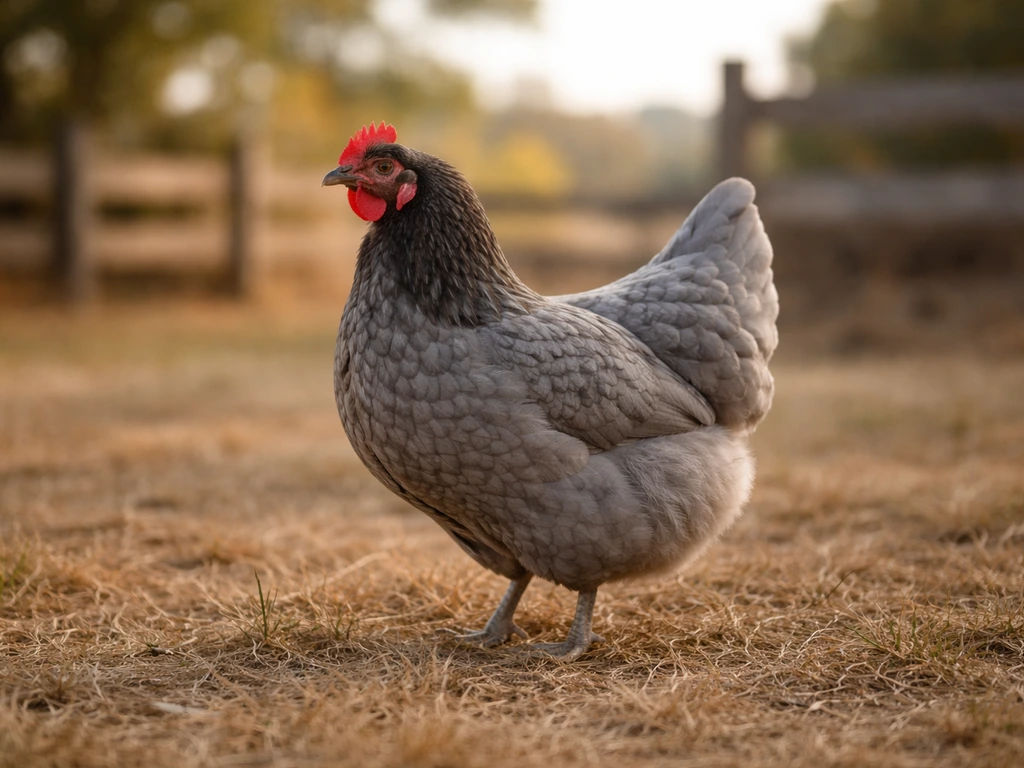
Delaware's state bird is not a wild species but a domestic chicken, the Blue Hen Chicken (Gallus gallus domesticus). It became a state symbol tied to Revolutionary War history, when Delaware soldiers famously brought blue hen chickens to cockfights during the war. The bird is more a cultural emblem than a field bird.
Florida: Northern Mockingbird
Florida designated the northern mockingbird in 1927, making it one of the earliest adopters. The species thrives across the state year-round in gardens, parks, and scrublands. Its prolific mimicry and fearless territorial behavior made it a natural choice for a state with rich wildlife culture.
Georgia: Brown Thrasher
The brown thrasher (Toxostoma rufum) is a large, rusty-brown bird with heavy breast streaking, a long curved bill, and bright yellow eyes. It has one of the largest song repertoires of any North American bird, reportedly singing over 1,000 distinct song types. It's typically found in dense thickets and woodland edges.
Hawaii: Nene (Hawaiian Goose)
The nene (Branta sandvicensis) is a medium-sized goose endemic to Hawaii, with a buff-colored neck, black face, and deeply furrowed neck feathers. It evolved from Canada geese that arrived on the islands and adapted to lava fields rather than wetlands. The nene came back from the brink of extinction after conservation efforts in the 20th century.
Idaho: Mountain Bluebird
The mountain bluebird (Sialia currucoides) is a sky-blue thrush, the male almost entirely turquoise-blue, without the rust chest of the eastern bluebird. It's found in open meadows, mountain clearings, and sagebrush flats, often hovering like a tiny kestrel while hunting insects.
Illinois: Northern Cardinal
Illinois chose the northern cardinal (Cardinalis cardinalis) in 1929. The male's all-red plumage with a distinctive crest and orange-red bill makes it one of the easiest birds to identify. Females are buff-brown with red tinges on the crest, wings, and tail. Cardinals are year-round residents and a familiar feeder bird.
Indiana: Northern Cardinal
Indiana named the cardinal its state bird in 1933. As with other cardinal states, the designation was driven by the bird's year-round presence, brilliant red color, and strong song. Indiana schoolchildren were involved in the selection campaign.
Iowa: American Goldfinch
The American goldfinch (Spinus tristis) is a small finch with bright lemon-yellow plumage in summer and olive-yellow in winter. The male's black cap and wing bars are distinctive. Iowa designated the goldfinch in 1933, sharing the bird with New Jersey and Washington state.
Kansas: Western Meadowlark
Kansas chose the western meadowlark (Sturnella neglecta) in 1937. This medium-sized grassland bird has a bright yellow breast with a black V-shaped chest band and a rich, flute-like song that carries across open prairies. Six states share this bird, making it the most-shared state bird in the U.S.
Kentucky: Northern Cardinal
Kentucky designated the northern cardinal in 1926, making it the first state to officially adopt the cardinal. The General Federation of Women's Clubs played a key role in pushing for state bird designations in Kentucky and elsewhere during the 1920s.
Louisiana: Brown Pelican
The brown pelican (Pelecanus occidentalis) is a large coastal bird with a massive pouched bill, gray-brown plumage, and a white-yellow head. It's been a symbol of Louisiana since colonial times and appears on the state flag and seal. Louisiana designated it officially in 1966, though it had been a de facto emblem long before.
Maine: Black-capped Chickadee
The black-capped chickadee (Poecile atricapillus) is a tiny, bold bird with a black cap, black bib, white cheeks, and soft buff sides. It's a year-round resident across New England and is famous for its 'chick-a-dee-dee-dee' call, which actually conveys information about nearby threats.
Maryland: Baltimore Oriole
The Baltimore oriole (Icterus galbula) is a striking bird: the male has a vivid orange body with a black hood and black-and-white wings. Maryland chose it in 1947, and the name connection to Lord Baltimore (whose heraldic colors were orange and black) made it an obvious cultural fit.
Massachusetts: Black-capped Chickadee
Massachusetts shares the black-capped chickadee with Maine, designating it in 1941. The chickadee is a constant presence at feeders throughout New England winters, which made it a beloved and obvious choice for both states.
Michigan: American Robin
Michigan chose the American robin in 1931. At the time, the robin's arrival from migration was widely seen as a sign of spring, which resonated in a northern state with long winters. Michigan shares this bird with Connecticut and Wisconsin.
Minnesota: Common Loon
The common loon (Gavia immer) is an iconic waterbird with black-and-white checkered plumage, a black head, and blood-red eyes. Its haunting, wailing call is the sound of northern lake country. Minnesota, with over 10,000 lakes, designated it in 1961 as an obvious fit.
Mississippi: Northern Mockingbird
Mississippi designated the northern mockingbird in 1944. The bird's loud, complex song and year-round presence across the state's gardens and open woodlands made it a natural cultural touchstone for the South.
Missouri: Eastern Bluebird
The eastern bluebird (Sialia sialis) is a small thrush with a vivid blue back, rusty-orange breast, and white belly. Missouri designated it in 1927. The eastern bluebird is the same species New York later adopted in 1970, making them a paired set.
Montana: Western Meadowlark
Montana chose the western meadowlark in 1931, recognizing the bird's dominance across its vast grasslands and open plains. The meadowlark's song is one of the defining sounds of Montana's wide-open landscape.
Nebraska: Western Meadowlark
Nebraska adopted the western meadowlark in 1929. The Sandhills and mixed-grass prairies of Nebraska are prime meadowlark habitat, and the bird was reportedly selected by Nebraska schoolchildren in a vote.
Nevada: Mountain Bluebird
Nevada designated the mountain bluebird in 1967, sharing it with Idaho. The species is well adapted to Nevada's high-elevation sagebrush country and open terrain. Its vivid turquoise-blue color made it stand out as a symbolic choice.
New Hampshire: Purple Finch
The purple finch (Haemorhous purpureus) is, despite its name, more raspberry-red than purple on the male, with a streaked brown female. New Hampshire adopted it in 1957. A useful ID note: it's often confused with the house finch, but the purple finch has a more strongly notched tail and a thicker, more curved bill.
New Jersey: American Goldfinch
New Jersey chose the American goldfinch in 1935, sharing it with Iowa and Washington. The goldfinch's bright summer plumage and its preference for open fields and gardens made it broadly popular across several regions of the country.
New Mexico: Greater Roadrunner
The greater roadrunner (Geococcyx californianus) is a long-tailed, ground-dwelling cuckoo that can run at speeds up to 20 mph. It has a streaked brown body, a shaggy crest, and a strong, curved bill. New Mexico adopted it in 1949, and it remains one of the most distinctive and immediately recognizable state birds in the country.
New York: Eastern Bluebird
New York designated the eastern bluebird (Sialia sialis) in 1970, making it one of the later adopters. The state's law explicitly names the species, which is found in open woodlands, orchards, and farmland edges across New York's rural areas.
North Carolina: Northern Cardinal
North Carolina's General Assembly declared the cardinal the official state bird in 1943. The state's statute reads simply: 'The cardinal is hereby declared to be the official State bird of North Carolina.' The cardinal's year-round presence and vivid color made it a popular choice across the mid-Atlantic and South.
North Dakota: Western Meadowlark
North Dakota adopted the western meadowlark in 1947. The bird is a signature species of the Northern Great Plains, where North Dakota's prairies provide ideal nesting and foraging habitat.
Ohio: Northern Cardinal
Ohio designated the cardinal in 1933. As a state with a mix of suburban, agricultural, and forested habitat, Ohio has strong cardinal populations year-round, which helped cement its popularity in school vote campaigns.
Oklahoma: Scissor-tailed Flycatcher
The scissor-tailed flycatcher (Tyrannus forficatus) has an extraordinarily long, forked tail that makes it one of the most visually dramatic birds in North America. The male's tail can be nearly as long as its body. Oklahoma designated it in 1951, and it's a summer resident of Oklahoma's open plains and roadsides.
Oregon: Western Meadowlark
Oregon adopted the western meadowlark in 1927, one of the earliest meadowlark-state designations. Though Oregon is better known for its coastal and forest habitats, the meadowlark is abundant in its eastern high-desert grasslands.
Pennsylvania: Ruffed Grouse
The ruffed grouse (Bonasa umbellus) is a stocky forest bird with intricately patterned brown-and-black plumage and a distinctive fanned tail with a black terminal band. It's famous for the male's drumming display, produced by beating its wings to create a deep, thumping sound. Pennsylvania adopted it in 1931, reflecting the state's extensive forested landscape.
Rhode Island: Rhode Island Red Chicken
Like Delaware, Rhode Island chose a domestic chicken breed as its state bird. The Rhode Island Red (Gallus gallus domesticus) is a heritage breed developed in the state in the late 1800s, known for its dark mahogany-red plumage and productivity as a farm bird. It was designated in 1954.
South Carolina: Carolina Wren
The Carolina wren (Thryothorus ludovicianus) is a small, warm-brown bird with a bright white eyebrow stripe, rusty flanks, and an incredibly loud, repeated song for its size: a clear 'teakettle-teakettle-teakettle.' It's a year-round resident across the Southeast and was designated by South Carolina in 1948.
South Dakota: Ring-necked Pheasant
South Dakota is the only state with a non-native species as its state bird. The ring-necked pheasant (Phasianus colchicus) was introduced from Asia in the late 1800s and thrived in South Dakota's farmland. The male is a spectacular bird with iridescent copper-gold body plumage, a green head, and a white neck ring. It was designated in 1943.
Tennessee: Northern Mockingbird
Tennessee adopted the northern mockingbird in 1933. The species was already widely distributed across the state and had strong cultural associations with Southern music and poetry traditions. It's one of five states that share the mockingbird.
Texas: Northern Mockingbird
Texas law (Government Code, Section 3101.007) states plainly: 'The state bird is the mockingbird.' Texas designated it in 1927, one of the earliest mockingbird adoptions. The northern mockingbird is abundant across Texas in nearly every habitat type, from urban yards to dry brush country. USA Symbol’s Texas state-bird page lists the northern mockingbird’s scientific name and the blank" rel="noopener noreferrer">adoption year as part of its state symbol hub.
Utah: California Gull
The California gull (Larus californicus) is a medium-large gull with gray wings, a yellow bill with a red and black spot, and yellow-green legs. Utah adopted it in 1955 in recognition of the 'Miracle of the Gulls,' an 1848 event when flocks of California gulls reportedly saved early Mormon settlers' crops from a cricket infestation.
Vermont: Hermit Thrush
The hermit thrush (Catharus guttatus) is a medium-sized brown thrush with a spotted breast and a habit of slowly raising and lowering its reddish tail. Its song is considered one of the most beautiful of any North American bird: a clear, flute-like series of phrases at different pitches. Vermont designated it in 1941.
Virginia: Northern Cardinal
Virginia designated the northern cardinal in 1950, becoming the seventh and final state to adopt the species. The cardinal's presence across Virginia's diverse landscapes, from the Blue Ridge Mountains to coastal lowlands, made it a fitting statewide symbol.
Washington: Willow Goldfinch (American Goldfinch)
Washington state designated the American goldfinch, locally called the willow goldfinch, in 1951. The state shares the species with Iowa and New Jersey. Washington schoolchildren selected it in a vote, reflecting the grassroots, school-driven campaign pattern common to many state bird designations.
West Virginia: Northern Cardinal
West Virginia chose the northern cardinal in 1949. The state's forested hollows and ridgelines support healthy cardinal populations year-round, and the bird was a consistent favorite in regional school surveys.
Wisconsin: American Robin
Wisconsin designated the American robin in 1949, sharing it with Connecticut and Michigan. The robin's association with spring's arrival and its prevalence across Wisconsin lawns, farms, and parks made it the top pick among Wisconsin schoolchildren who voted on the designation.
Wyoming: Western Meadowlark
Wyoming adopted the western meadowlark in 1927, among the earliest of the six meadowlark states. The bird is a constant presence in Wyoming's sagebrush and grassland ecosystems, and its song is one of the most recognizable sounds of the Western plains.
Why Each State Chose Its Bird: The Real Reasons Behind the Designations
State bird designations weren't random. They were driven by a mix of cultural pride, ecological relevance, and organized civic campaigns. A few clear patterns explain why the same species shows up across multiple states and why some choices were obvious while others were quirky.
- Year-round residency: States almost always picked birds present 365 days a year. Migratory birds that disappear in winter were less appealing as permanent symbols. The cardinal, chickadee, and meadowlark all stay put.
- Ecological fit: States picked birds that reflected their dominant landscape. Wyoming and Nebraska went meadowlark for their prairies. Minnesota went loon for its lakes. Arizona went cactus wren for its desert.
- Cultural and historical connections: Louisiana's brown pelican appears on the state flag. Utah's California gull commemorates a specific historical event. Maryland's Baltimore oriole shares its name and colors with Lord Baltimore, the colonial founder.
- School votes and civic campaigns: Many designations in the 1920s-1940s were the result of statewide schoolchildren's votes organized by the General Federation of Women's Clubs and state school boards. This explains why popular, recognizable birds (cardinal, robin, goldfinch) dominated.
- Uniqueness and regional identity: Some states went out of their way to choose a bird found primarily in their region. Oklahoma's scissor-tailed flycatcher, Hawaii's nene, and New Mexico's roadrunner are all strongly regional species.
- Non-native and domestic exceptions: Delaware and Rhode Island chose domestic chicken breeds for historical and agricultural identity reasons. South Dakota picked the introduced ring-necked pheasant because it had become deeply embedded in the state's culture and economy.
The History of State Bird Designations
The state bird movement has clear origins in the early 20th century. The General Federation of Women's Clubs launched an organized push for state bird designations starting around 1910, and by the 1920s several states were holding formal votes and passing legislation. Kentucky was the first to officially designate a state bird, naming the northern cardinal in 1926. Alabama and Florida followed in 1927, and a wave of designations hit during the late 1920s and early 1930s.
By 1933, more than a dozen states had official state birds. The pace slowed in the 1940s and picked back up in the postwar era. Hawaii, admitted to the union in 1959, named the nene in 1957 even before statehood. New York was notably late, not designating the eastern bluebird until 1970. The full timeline shows a clear generational sweep: the original rush happened between 1927 and 1933, with stragglers coming in over the following four decades.
Some designations were made by legislative acts with formal statutory language (Texas Government Code Section 3101.007, North Carolina General Statutes Section 145-2, New York Consolidated Laws Section 78). Others were established through executive proclamations or joint resolutions. The strength and permanence of the designation varies by state, but all 50 states now have an official state bird on the books.
Shared State Birds: Which Species Appear in Multiple States
Seven distinct species (or closely related forms) are shared by more than one state. This is one of the most interesting patterns in the whole dataset, and it reveals a lot about which birds were most visible, beloved, and regionally dominant when the decisions were made.
| Species | States That Chose It | Number of States |
|---|---|---|
| Western Meadowlark | Kansas, Montana, Nebraska, North Dakota, Oregon, Wyoming | 6 |
| Northern Cardinal | Illinois, Indiana, Kentucky, North Carolina, Ohio, Virginia, West Virginia | 7 |
| Northern Mockingbird | Arkansas, Florida, Mississippi, Tennessee, Texas | 5 |
| American Goldfinch | Iowa, New Jersey, Washington | 3 |
| American Robin | Connecticut, Michigan, Wisconsin | 3 |
| Black-capped Chickadee | Maine, Massachusetts | 2 |
| Eastern Bluebird | Missouri, New York | 2 |
| Mountain Bluebird | Idaho, Nevada | 2 |
The northern cardinal is technically the most-shared species with seven states, but they're all in the eastern half of the country where the bird is native. The western meadowlark holds the record for geographic spread, covering six states across the Great Plains and Pacific Northwest. The northern mockingbird's five states are all in the South, which tells you everything about the bird's cultural footprint in that region.
It's worth noting that two states, Delaware and Rhode Island, share the same species (Gallus gallus domesticus) but with different breeds: the Blue Hen Chicken and the Rhode Island Red respectively. They're technically the same species but recognized as distinct state symbols. South Dakota's ring-necked pheasant stands alone as the only state bird that is not a native North American species.
How to Look Up a Specific State Bird on This Site
If you landed here looking for one specific state's bird, this site has you covered. Every state has its own dedicated page with fuller details than what fits in a master list like this: species identification photos and descriptions, the exact legislative history and year of adoption, the reason the bird was chosen, interesting facts about the species, and comparison notes pointing out which other states share the same bird.
For Texas specifically, the northern mockingbird page covers the statutory language in full and digs into why the mockingbird became such a cultural touchstone in the Lone Star State. If you're curious about which bird holds the rare distinction of being tied to multiple state symbols in ways beyond just the bird designation, the comparisons on individual state pages make that clear too.
A few particularly interesting rabbit holes worth exploring from here: the bald eagle, while a national symbol, is not actually any state's official state bird (a fact that surprises a lot of people). If you are wondering “bald eagle is what state bird,” you may be thinking of a commonly shared national symbol rather than an official state designation. The question of what makes a bird 'most common' as a state bird, and the odd category of state birds that are domestic breeds rather than wild species, are both worth reading up on if you want to go deeper into how these designations actually work.
The quickest path to a specific state: use the site's state-by-state navigation, find your state, and you'll get species details, ID notes, and the historical context behind the choice, all on one page. The list above gets you the answer fast; the individual state pages give you the full story. If you want the state bird meaning behind a specific pick, the individual state pages explain the symbolism and reasons for adoption.
FAQ
Is the bald eagle the state bird of a U.S. state?
No. “State bird” is an official, separately designated symbol for each state, and the bird is usually written into state law, a joint resolution, or a formal proclamation. For that reason, the bald eagle can be a national icon without being any state’s official state bird.
Why do Delaware and Rhode Island share the same state bird species?
Two states use the same domestic chicken species but recognize different breeds. Delaware’s symbol is the Blue Hen Chicken, while Rhode Island’s is the Rhode Island Red, so you will see the shared species (Gallus gallus domesticus) but different named state birds.
Are any state birds non-native species?
Yes, in limited cases. South Dakota is the outlier in your list because its state bird is a non-native species (ring-necked pheasant). In contrast, most other state birds are wild species native to North America and associated with the state’s ecosystems.
If two states share the same state bird, do they always adopt it in the same year?
When you are using the list, check the name and year, because some states share the same species even if the adoption timing differs. The eastern bluebird is a good example, it appears as the state bird for both Missouri and New York (with different adoption years).
What’s the most common mistake people make when trying to identify a state bird?
For field identification, don’t rely only on the common name, because closely related species and lookalikes can confuse casual observers. The purple finch is often mistaken for the house finch, so tail shape and bill thickness are practical differentiators mentioned in the content.
How do you figure out whether a state bird is something you’re likely to see all year?
A few state birds are most “noticeable” as year-round residents, which is why many designations followed the birds’ visibility and consistent presence. Look for clues like territorial year-round behavior (for example, northern mockingbird in Texas) or “constant feeder” habits (black-capped chickadee in New England).
If the same species is a state bird for multiple states, how can the choices still be meaningful?
Several state bird names are shared across multiple states, but the local context is what can make them feel “different” in each place. Even when the species is the same, the article notes how states described the bird (habitat fit, cultural associations, or school vote influence), which helps explain why the choice mattered locally.
Were state bird choices usually decided by legislatures, or were schools involved sometimes?
Deliberation sometimes involved schoolchildren or civic organizations, which affected both the selection and the wording of the adoption. For example, some states explicitly note school-driven votes, and others moved via legislative action with statutory language.
What should I do if I want to verify my state’s bird and learn the full history?
Yes, by design. If you want more than the quick identification notes in the master list, the site’s dedicated page for each state is built to include species photos and a deeper legislative history, so it is the better next step for confirmation or research.