Alaska's official state bird is the Willow Ptarmigan, designated by its full official name "blank" rel="noopener noreferrer">Alaska Willow Ptarmigan (Lagopus lagopus alascensis Swarth)" in Alaska Statutes Title 44, § 44.09.060. why is the willow ptarmigan the state bird of alaska The statute reads plainly: "The Alaska Willow Ptarmigan (Lagopus lagopus alascensis Swarth) is the official bird of the state." That's your one-line answer. If you need the full picture, including how to spot one, why Alaska chose it, and how it stacks up against other state birds, keep reading.
What Is the State Bird of Alaska? Answer and ID Tips

Marcus Webb
23 Mar 2026
Alaska's Official State Bird at a Glance
| Detail | Information |
|---|---|
| Official name | Alaska Willow Ptarmigan |
| Scientific name | Lagopus lagopus alascensis Swarth |
| Designation year | 1955 |
| Governing statute | Alaska Statutes § 44.09.060 |
| Bird category | Largest of three Arctic grouse found in Alaska |
How to Identify a Willow Ptarmigan
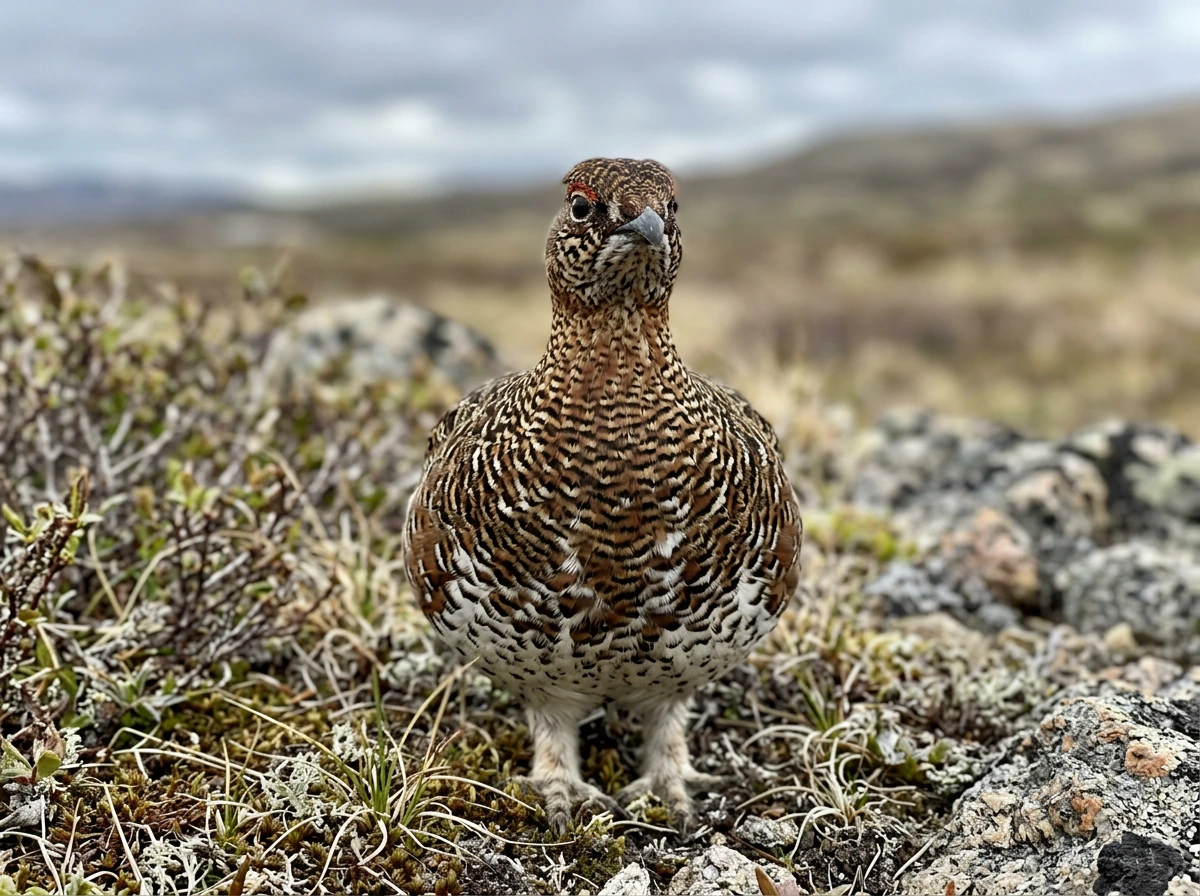
The easiest mental shortcut is this: willow ptarmigan look like small grouse, because they are. The Alaska Department of Fish and Game puts it simply, noting that "ptarmigan look just like small grouse." They're stocky, ground-dwelling birds with feathered feet, and you can find them across virtually the entire state, making them one of Alaska's most widely distributed upland game birds.
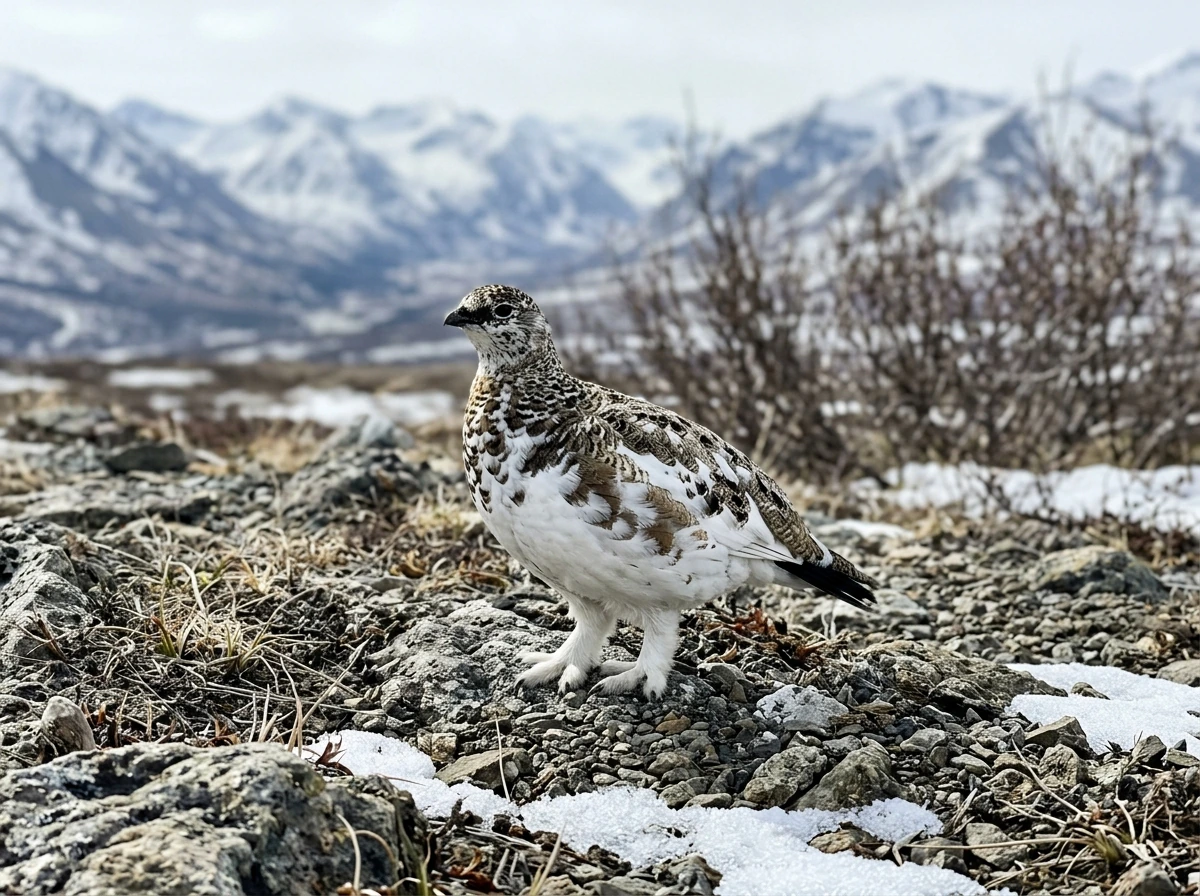
The single most important ID feature to know is that the willow ptarmigan changes its plumage with the seasons through molting. blank" rel="noopener noreferrer">In winter, the bird is almost entirely white, blending into snow-covered tundra and hillsides. As spring arrives, rusty brown and chestnut feathers come in, particularly on the head and neck of the male. By summer, the bird is a mottled brown that matches the low scrub and willow thickets it prefers. That white-to-brown seasonal shift is the bird's signature.
If you're trying to distinguish a willow ptarmigan from Alaska's two other ptarmigan species, here's the quick field comparison. Rock ptarmigan males in basic (winter) plumage show a distinctive black eyeline running from the bill through the eye, which willow ptarmigan lack. White-tailed ptarmigan, the smallest of the three, have white tail feathers year-round, while rock ptarmigan have black tails. Willow ptarmigan are the largest of the three, which is often the first clue when you have multiple species in view.
Key field marks summarized
- Winter: almost entirely white plumage with feathered feet
- Spring/summer: mottled rusty-brown and chestnut, especially on the male's head and neck
- Largest of Alaska's three ptarmigan species (willow, rock, white-tailed)
- No black eyeline (distinguishes it from the rock ptarmigan)
- Found nearly everywhere in Alaska; highest concentrations on the Kenai Peninsula, Alaska Peninsula, Kotzebue Sound region, and parts of the Brooks Range
Why Alaska Chose the Willow Ptarmigan
The willow ptarmigan isn't just a practical choice, it's a deeply symbolic one. Alaska school children selected it through a statewide vote conducted by the Territorial Department of Education and the Education Service of the Alaska Native Service. As the Alaska Department of Fish and Game puts it, in 1955, as territorial leaders were drafting a constitution and pushing toward statehood, Alaska school children chose the willow ptarmigan "as a symbol of the Great Land." The choice came from the community, not from legislators working top-down.
Biologically, the choice makes a lot of sense too. The willow ptarmigan has the widest range in Alaska of any upland game bird, meaning it's genuinely representative of the whole state, not just one region. It thrives in the harsh seasonal extremes that define Alaska, and its dramatic seasonal molt is a remarkable adaptation to one of the most demanding environments on the continent. A bird that can survive and flourish year-round across the breadth of Alaska is a fitting symbol for the state.
The History Behind the Designation
The territorial act that made the willow ptarmigan Alaska's official bird was approved on February 4, 1955, under the title "To name an official bird for the Territory of Alaska" (H.B. 2). The act's preamble notes that the willow ptarmigan received the greatest number of votes in the contest, which gives the designation a democratic, grassroots character that's fairly uncommon for state symbols. Alaska was still a U.S. territory at the time, achieving statehood in 1959, but the bird designation carried forward into the new state's statutes without change.
Alaska's Other State Symbols: Flower and Tree
If you searched for "Alaska state bird and flower" or "state bird tree and flower of Alaska," here's the complete picture in one place. Alaska has three closely related nature-based state symbols codified in Title 44 of the Alaska Statutes.
| Symbol | Official Name | Scientific Name | Statute |
|---|---|---|---|
| State Bird | Alaska Willow Ptarmigan | Lagopus lagopus alascensis Swarth | § 44.09.060 |
| State Flower | Wild Native Forget-Me-Not | Myosotis asiatica (also Myosotis alpestris) | § 44.09.050 |
| State Tree | Sitka Spruce | Picea sitchensis | § 44.09.070 |
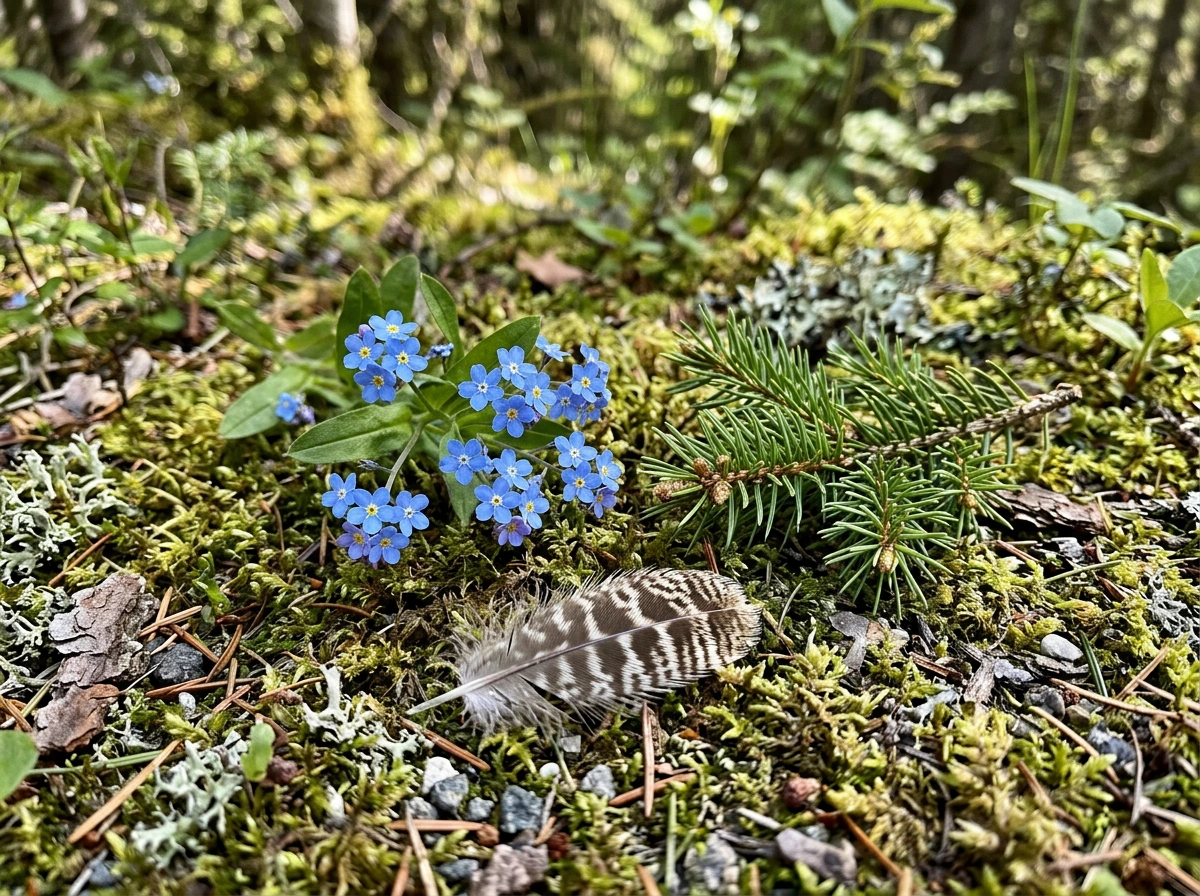
The forget-me-not was designated Alaska's state flower in 1949, six years before the ptarmigan was named state bird. It's a small, bright blue alpine wildflower native to subarctic and alpine regions across Alaska. The Sitka spruce, designated state tree under § 44.09.070, is the largest of the world's spruces and a cornerstone of Alaska's coastal rainforest ecosystems, particularly in Southeast Alaska. Each of these three symbols represents a different facet of Alaska's natural world: its wildlife, its wildflowers, and its forests.
Does Any Other State Share the Willow Ptarmigan?
No other U. S. state has adopted the willow ptarmigan as its official state bird. Alaska is the only state with this designation, which makes sense geographically: willow ptarmigan are Arctic and subarctic birds, and no other state has the range or habitat to make them a representative symbol.
This sets Alaska apart from states like Alabama and others that share their state bird with neighboring states. If you're curious about those shared bird designations, the state bird pages for Alabama and <what is the arizona state bird>Arizona< /what is the arizona state bird> cover some interesting comparison patterns across the lower 48. what is alabama state bird. why is the cactus wren arizona's state bird.
why is the yellowhammer alabama's state bird
The uniqueness of the willow ptarmigan as a state symbol is actually part of what makes it interesting from a birding and natural history perspective. While cardinal, mockingbird, and meadowlark designations appear across multiple states (the result of widespread species and overlapping regional pride), Alaska's bird is genuinely its own. The ptarmigan belongs to Alaska in a way few state birds belong exclusively to their states.
Where to Go From Here

If you want to see a willow ptarmigan in person, the Alaska Department of Fish and Game identifies several reliable hotspots: the east end of Skilak and Tustumena Lakes on the Kenai Peninsula, the northwest side of the Alaska Peninsula, the Kotzebue Sound region, and portions of the Brooks Range. Outside of those specific areas, the birds are distributed broadly across the state, so any trip into Alaska's backcountry in winter or early spring offers a reasonable chance of spotting the white winter plumage against the snow.
For verification or deeper research, the primary sources are Alaska Statutes § 44.09.060 (for the official bird designation), the Alaska Department of Fish and Game's species profile for the willow ptarmigan, and the original 1955 territorial act text. Those three sources will give you everything from the legal wording to the biology to the historical record of how the bird was chosen.
FAQ
Is Alaska’s state bird the willow ptarmigan or the Alaska willow ptarmigan?
The state bird is the Alaska Willow Ptarmigan, and its common name is often shortened to just “willow ptarmigan.” In identification terms, don’t expect one uniform look all year, the plumage switches from mostly white in winter to brown and mottled colors after molting.
When is the easiest time to see the willow ptarmigan in Alaska?
The reliable “spotting” strategy is seasonal planning. In winter, scan for mostly white birds on snow, near tundra and hillsides, in spring and early summer look for rusty-brown tones on the head and neck, and in summer focus on mottled brown in willow thickets and scrub.
Can I confuse willow ptarmigan with other ptarmigan, and how do I avoid misidentifying them?
Yes, but use caution, rock, willow, and white-tailed ptarmigan can look similar at a glance. A practical tip is to check the eye area and tail, willow ptarmigan lack the rock ptarmigan’s black eyeline, and white-tailed ptarmigan show white tail feathers year-round.
What’s the most common mistake people make when identifying willow ptarmigan?
Don’t rely on size alone if birds are distant or partially obscured. The article notes that willow ptarmigan are the largest of the three, but lighting, angle, and distance can make comparisons unreliable, so pair size with plumage seasonality and the eyeline or tail-feather traits.
If I’m not in the listed hotspots, can I still find willow ptarmigan?
Your best bet is to observe habitat and behavior, willow ptarmigan are ground-dwelling and typically tied to upland areas with willows and low scrub. Even if you’re outside the listed hotspots, you can still find them if you’re in similar habitat and seasonally in the right areas.
Where can I verify the official wording for Alaska’s state bird?
If you need to confirm the official designation, look for the legal name in Alaska Statutes, Title 44, § 44.09.060. Many websites use shortened wording, but the statute specifies the full “Alaska Willow Ptarmigan” name and the scientific designation.
What should I look for if I see a ptarmigan that isn’t fully white or fully brown?
The bird’s plumage change is molting with the seasons, not a color-changing trick. If you find a partially white and partially brown bird, that usually indicates you are in a transition period rather than a different species.
Why is Alaska the only state with the willow ptarmigan as its state bird?
Alaska’s designation is unusual because other states often share more widespread species as state birds. Willow ptarmigan stands out because its Arctic and subarctic range makes it especially representative of Alaska, which helps explain why no other state uses the exact same designation.