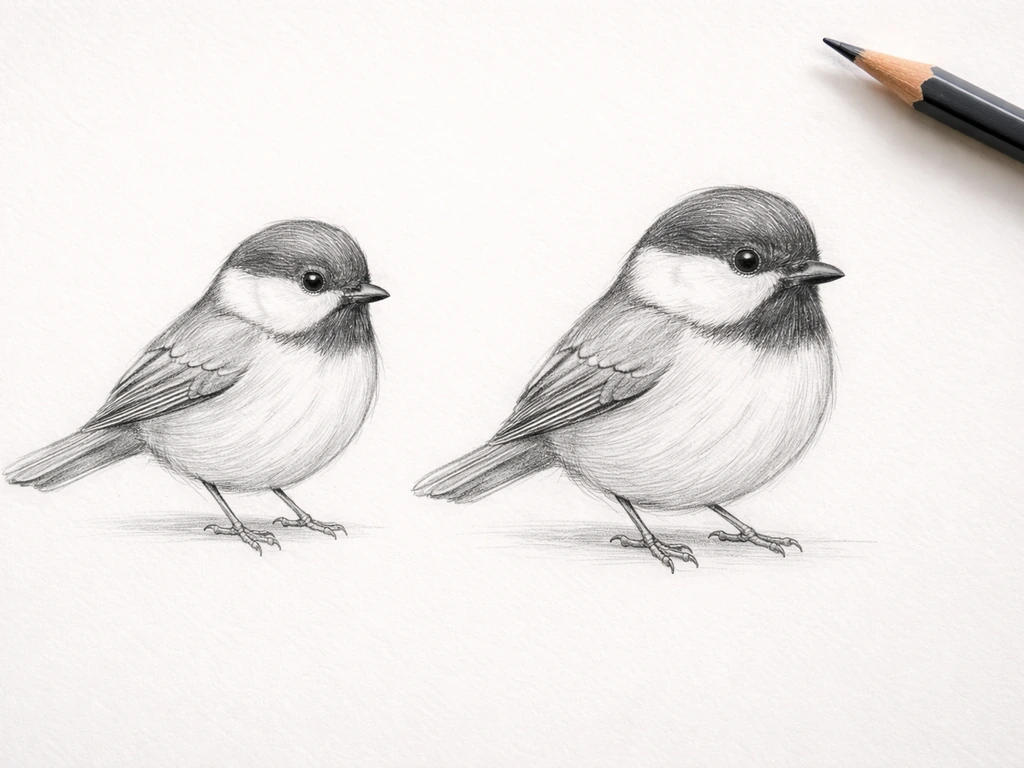
The Massachusetts state bird is the Black-capped Chickadee, officially adopted on March 21, 1941. Oregon's state bird is the Western Meadowlark what is oregon's state bird. That is the bird you want to draw. It is a small, round-bodied songbird with a bold black cap, a black bib, bright white cheeks, soft gray back and wings, and pale buffy sides that fade to white on the belly. Once you lock in those five color zones, you have 90% of the drawing solved.
How to Draw the Massachusetts State Bird Step by Step

Marcus Webb
5 Jun 2026
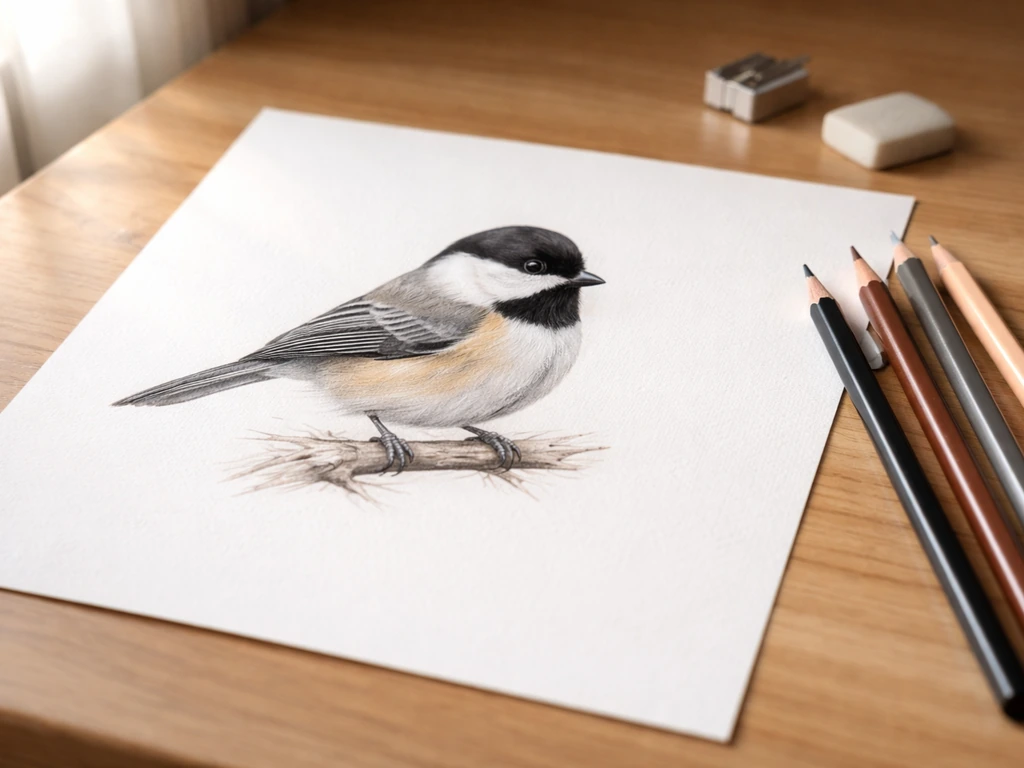
Which bird are you actually drawing?
Massachusetts law (1941 Chapter 0121) names the chickadee specifically as the Black-capped Chickadee. Maine's state bird is also the chickadee (Title 1, §209), though Maine's statute just says 'chickadee' without specifying the species. In practice, both states are associated with the Black-capped Chickadee. blank" rel="noopener noreferrer">Britannica confirms both Maine and Massachusetts claim this species. So whether you are drawing for a Massachusetts school project or a Maine one, you are drawing the same bird: the Black-capped Chickadee.
Quick visual ID before you pick up a pencil
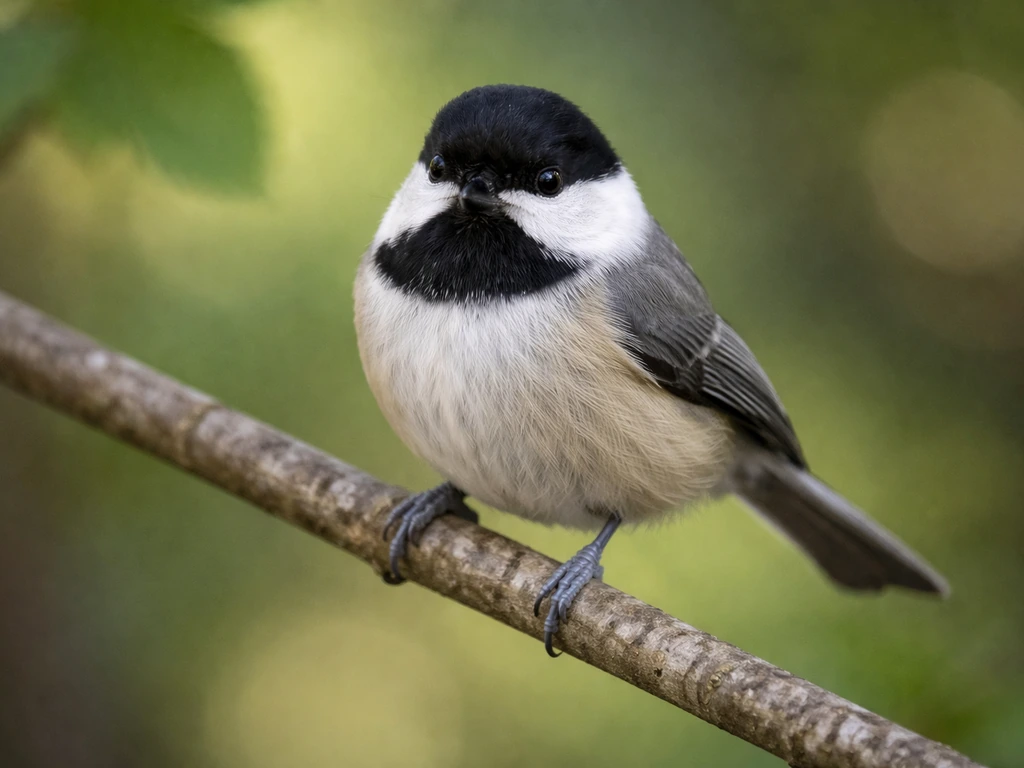
Knowing the bird's proportions and markings before you sketch saves a lot of erasing. The Black-capped Chickadee is tiny and stocky: 4.5 to 6 inches long with a 6 to 8 inch wingspan. Think of a small sphere with a tail attached. Here is what makes it unmistakable:
- Black cap: covers the top of the head from forehead to the nape, like a snug dark helmet
- Black bib: a teardrop-shaped patch on the throat, clearly separated from the cap by the white cheek
- White cheeks: a bright, wide patch that wraps from the eye area down to the shoulder line, sandwiched between the cap above and the bib below
- Gray back and wings: soft medium gray on top, with the wing feathers edged in white creating a subtle streaked or fringed look
- Pale underparts: the belly is mostly white, with warm buffy or tan coloring on the sides (flanks)
- Short, stubby bill: thicker than a warbler's but clearly smaller and more delicate than a finch's
- Large round head and short neck: the head looks almost too big for the body, giving the bird a 'big-headed' cartoon quality
- Long, narrow tail: noticeably long relative to the body, and slightly notched at the tip
That big-headed, round-bodied, long-tailed silhouette is your skeleton. Get those proportions right first, then layer the color zones on top.
Step-by-step drawing guide
Start simple: the basic outline
- Draw the head first. Make a circle that feels slightly larger than you think it should be. The chickadee's head genuinely dominates its body, so do not be shy.
- Use the head circle as your measuring unit. The body (a slightly elongated oval, tilted about 30 degrees from horizontal) should be roughly 1 to 1.2 head-widths long and sit just below and behind the head circle, overlapping slightly.
- Connect the head and body with a very short neck. Almost no neck at all. If your neck is visible as a distinct section, shorten it.
- Add the tail: a long rectangular strip extending from the back end of the body oval. It should be about the same length as the body oval. Keep it narrow and roughly parallel-sided, with a slight notch or square end.
- Sketch the bill: a short, compact wedge shape pointing forward from the midpoint of the face. It should look stout but not heavy.
- Place the eye: a small circle, centered roughly in the middle of the head circle, slightly forward of center. The eye sits in the white cheek zone, just below the cap line.
- Add two simple legs tucked under the body, slightly bent. Chickadees often perch on a branch, so a horizontal line under the feet gives context and grounding.
At this stage you have a clean, readable chickadee silhouette. Do not move on until the proportions feel right: big head, compact round body, long tail, almost no neck.
Add the color zones and markings
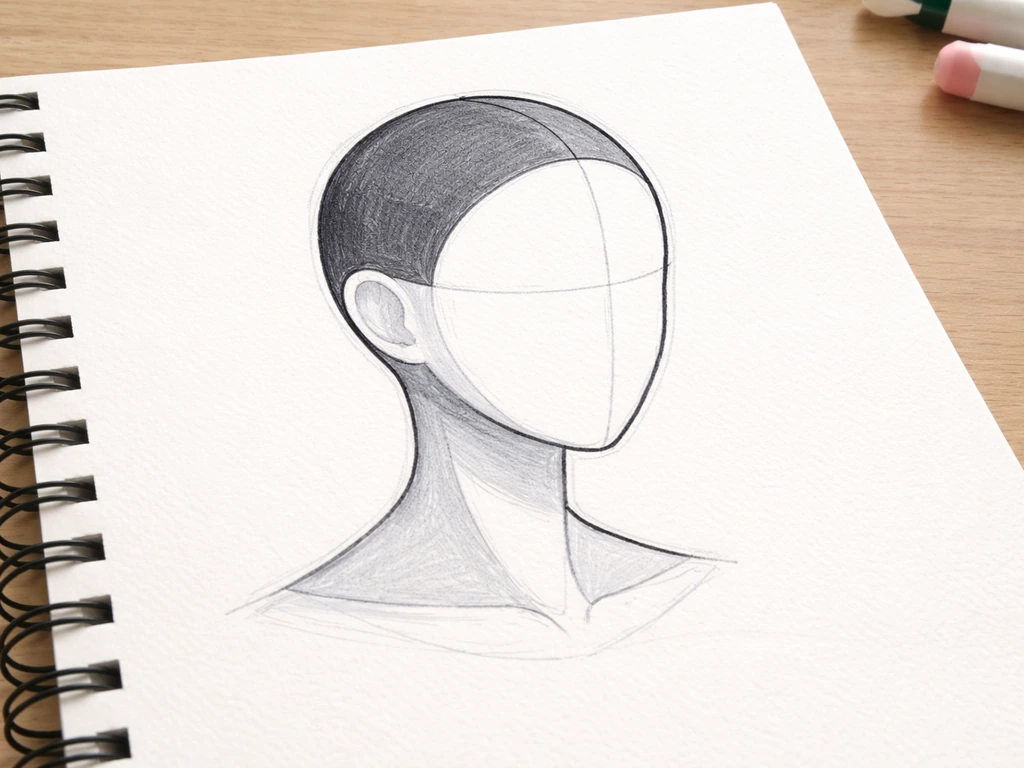
- Draw the cap boundary. Start at the forehead, arc across the top of the head, and bring the line down and around the back of the head to the nape. The cap covers everything above the eye and wraps fully around the back of the skull.
- Draw the bib. This is a rounded teardrop shape centered on the throat, just below the bill. It does not touch the cap directly. The white cheek patch separates them. The bib's lower edge fades or tapers as it blends toward the chest.
- Mark the white cheek. The white cheek is the open zone between the cap above, the bib below, and the gray of the back behind. It wraps generously from just behind the bill back toward the neck. Make sure it reads as wide and bright.
- Fill in the gray back and wings. The back of the neck and the back are a uniform medium gray. The wings are also gray but have distinct white feather edges along the folded wing, giving a fringed or paneled look. Sketch a few slightly curved horizontal lines across the wing to suggest these feather edges without drawing every single feather.
- Shade the underparts. The belly center stays white or very pale. The sides (flanks), visible below the wing, get a warm tan or buff wash.
- Darken the cap and bib solidly. These should be the darkest areas on the bird. Fill them in firmly.
- Add a tiny highlight dot on the eye to keep it from looking flat and dead.
Refine with shading and texture
Once the flat color zones are established, shading brings the bird to life. Use light hatching or smooth blending on the gray back to suggest a soft, rounded form. The lightest area is the belly center. The darkest are the cap and bib. The gray back sits in between. Add a very subtle shadow under the wing where it meets the body to separate the two forms. For the wing texture, you do not need to draw every feather. A few curved lines that follow the feather groupings, with slightly lighter pressure on the inner feathers and a clean white edge on the outermost ones, reads convincingly as a chickadee wing.
Common mistakes and how to fix them right now
| Mistake | What it looks like | Fix it by |
|---|---|---|
| Head too small | Bird looks like a sparrow or generic songbird instead of a chickadee | Redraw the head circle bigger. It should feel almost comically large relative to the body. |
| Cap bleeds into bib | The face looks like one solid black mask with no break | Widen and brighten the white cheek. This gap between cap and bib is the whole face. Erase and reopen that space. |
| Bib too large or boxy | The throat looks like a black rectangle, not a natural patch | Reshape the bib as a rounded teardrop. Taper the lower edge gently so it fades into the chest. |
| Neck too long | Bird looks like a dove or pigeon | Shorten the distance between the head circle and body oval until they almost overlap. |
| Tail too short or wide | Proportion feels stubby and wrong | Lengthen the tail and narrow it. The tail should be roughly as long as the body and noticeably slender. |
| Eye placed too high or too far back | Bird looks surprised or confused | Move the eye toward the center of the face, just below the cap boundary. It lives in the white cheek zone, not in the dark cap. |
| Flat gray with no wing texture | Wings look like a solid gray blob | Add a few curved horizontal lines across the folded wing and lighten or whiten the outermost edge of each feather group. |
| Buff flanks missing | Bird looks stark white on the belly and sides | Add a light warm tan wash to the flanks, the area below the wing and above the legs. Keep the belly center pale. |
A little history to inspire your sketch
Massachusetts made the Black-capped Chickadee the state bird in 1941, and it was genuinely a fitting pick. The Massachusetts General Court adopted the Black-capped Chickadee as the state bird on March 21, 1941 [Massachusetts made the Black-capped Chickadee the state bird in 1941](https://www. sec. state.
ma. us/divisions/cis/ciskid/kid-facts/concise-facts2. htm). The chickadee is one of the most familiar birds across the entire Commonwealth because it does not migrate.
It stays year-round through New England winters, cheerfully visiting feeders when everything else has headed south. Mass Audubon has described it as an 'apt choice' precisely because the bird is at home across the full range of Massachusetts habitats: forests, farmland edges, and suburban backyards alike. It is a permanent resident, not a seasonal visitor, which makes it a real symbol of the state rather than a passing guest.
Maine chose the chickadee for similar reasons, also leaning on its year-round toughness. If you are wondering what bird is on the Maine license plate, it is also the Black-capped Chickadee. To answer what is the bird of Maine, the state bird is the Black-capped Chickadee. Maine's law is actually less specific than Massachusetts', simply saying 'the chickadee' without naming the Black-capped Chickadee by species.
That vagueness has led to occasional debate in Maine's legislature about whether the Boreal Chickadee, another chickadee species found in Maine's northern forests, should be recognized separately. Massachusetts avoided that ambiguity from the start by passing a species-specific statute. If you are drawing for a school project, that detail is worth a sentence: your drawing is of the Black-capped Chickadee, the specifically named Massachusetts bird. On Oregon's driver license, the bird shown is also a chickadee Oregon's driver license bird.
If you are wondering why it was chosen, Massachusetts set the Black-capped Chickadee as a state symbol because it is a familiar, year-round bird that fits the Commonwealth well why is the black-capped chickadee massachusetts state bird.
Other states with the same bird, and how that affects your drawing
Maine and Massachusetts are the two states associated with the Black-capped Chickadee as a state bird. If you are drawing for either state, the bird is identical: same species, same markings, same proportions. There is no visual difference to account for.
One species worth knowing about for drawing accuracy is the Carolina Chickadee, which lives in the southeastern United States and looks remarkably similar to the Black-capped. The key drawing distinction is the throat-to-chest boundary: on a Black-capped Chickadee, the lower edge of the black bib is more ragged or irregular where it meets the white chest. On a Carolina Chickadee, that boundary is neater and sharper. If your bib has a clean, knife-edge lower boundary, you have accidentally drawn a Carolina Chickadee. Roughen it up slightly.
The wing pattern is the other tell. Black-capped Chickadees show noticeably more white edging on their gray wing feathers, giving the wing a brighter, almost fringed appearance. Make sure those white feather edges show up clearly in your drawing. That detail, combined with the ragged bib edge, is what makes the drawing specifically a Black-capped Chickadee rather than a generic chickadee or its southern cousin.
What to draw next
Once you are comfortable with the chickadee in a standard perched pose, try drawing it in a hanging posture. Chickadees are acrobatic and often feed upside-down from branches or feeders. That pose shows off the tail, the underparts, and the white cheek in a dramatic way and is a recognizable behavior of the species. You can also experiment with the bird on a snow-dusted branch, which captures the year-round New England toughness that made it the perfect state symbol in the first place.
FAQ
What’s the most common reason my Black-capped Chickadee doesn’t look like the right bird?
Yes. Chickadees are small, stocky, and long-tailed, so keep the head large and the neck minimal. If you draw the body too skinny or the tail too short, the bird will stop reading as a chickadee even if the colors are correct.
How can I tell if I’m accidentally drawing a Carolina Chickadee instead of the Massachusetts one?
If your bib outline looks too neat, intentionally make the lower edge slightly irregular where it meets the white chest (a ragged boundary). That one choice helps you avoid accidentally drawing a Carolina Chickadee look-alike.
Where should I put the wing, so it looks correctly attached and not floating?
When positioning the wing, place it slightly behind the shoulder so the wing meets the body and creates a small separation line. The subtle shadow under that join helps the wing feel attached, rather than pasted on.
Should I draw every feather, or is there a simpler approach that still looks accurate?
Start with a light outline and block in the five color zones (black cap, black bib, white cheeks, gray back and wings, buffy sides to white belly). Save feather drawing for last, using only a few curved lines for the wing texture.
How do I shade the belly so it looks rounded instead of flat?
Draw the belly center as the lightest highlight and blend outward. The underside does not stay uniformly white, so use gentle shading to show the rounded form, then keep the outer edge of the belly lighter than the midsection.
Do I need perfect realism, or are there specific proportion targets that matter most?
A strict straight-line silhouette often looks wrong. For the “skeleton,” use a sphere-like body, then angle the tail slightly downward or upward to match your pose. The head-to-body size and the long tail length are the bigger drivers than tiny wing details.
How should I adapt the drawing steps if I want the chickadee in a hanging or upside-down pose?
Absolutely. If you add a hanging pose, make sure the tail still reads long and the body stays compact. The upside-down angle often makes the throat-to-chest area more visible, so double-check the ragged bib edge and keep the cheeks bright.
Can I add a snow-dusted branch, and will it change the bird’s colors or markings?
Yes. The Black-capped Chickadee stays year-round, so you can add snow on the branch without changing markings. Keep the bird’s colors consistent, and use the snow only to explain the environment and provide contrast for the white cheek and belly.
How do I avoid making the whole drawing too dark or muddy?
For small birds, a common mistake is over-darkening the gray back. Keep the gray midtone consistent and reserve your darkest values for the cap and bib, then use light hatching for the back to preserve that soft, rounded look.
Next Articles
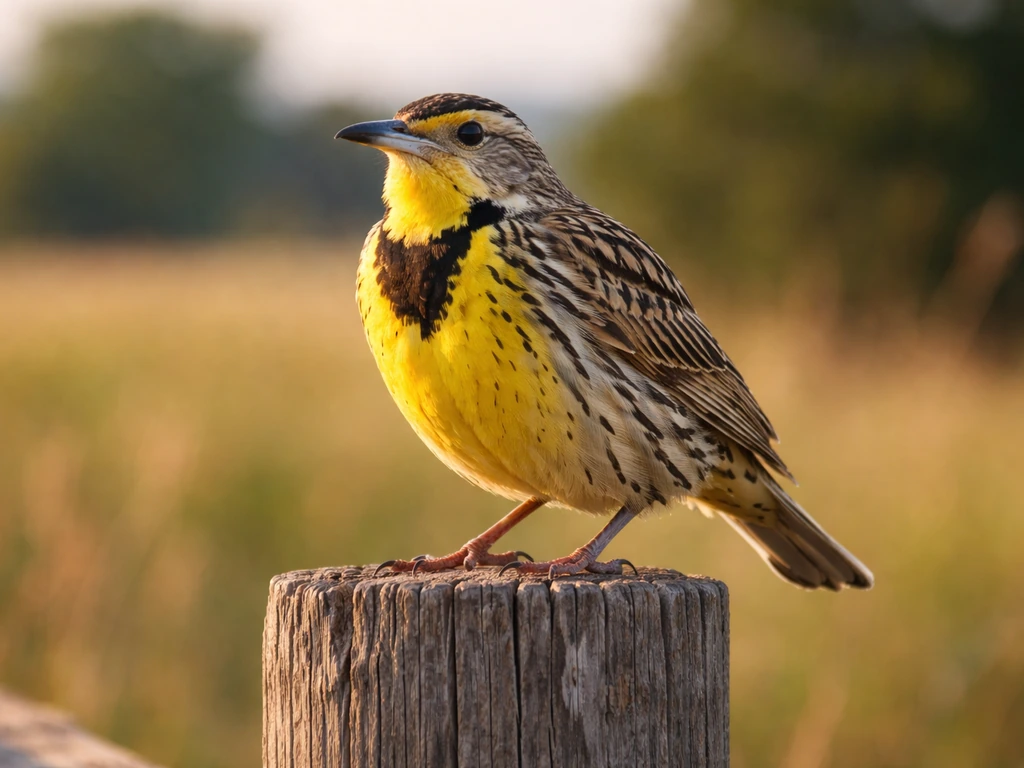
What Bird Is on the Oregon Driver’s License
Find which bird appears on Oregon driver’s licenses, how to recognize it, and why Oregon chose the state bird.
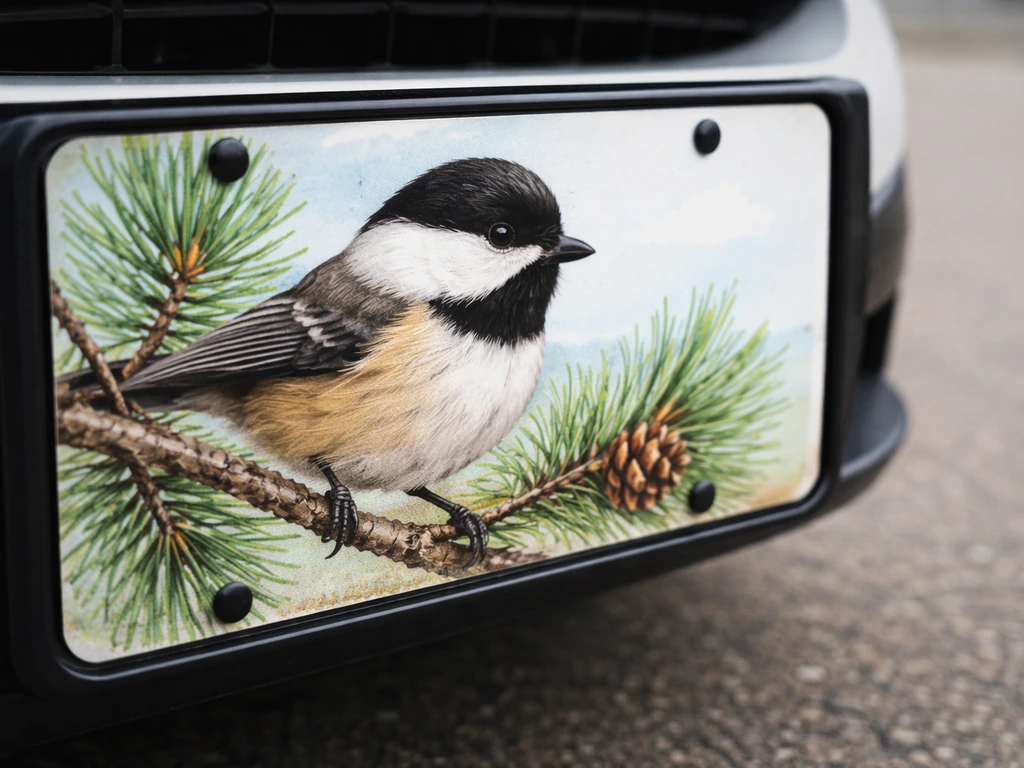
What Bird Is on the Maine License Plate? State Bird ID
Identify the Maine license plate bird, with quick visual cues, species details, and context on why it was chosen.
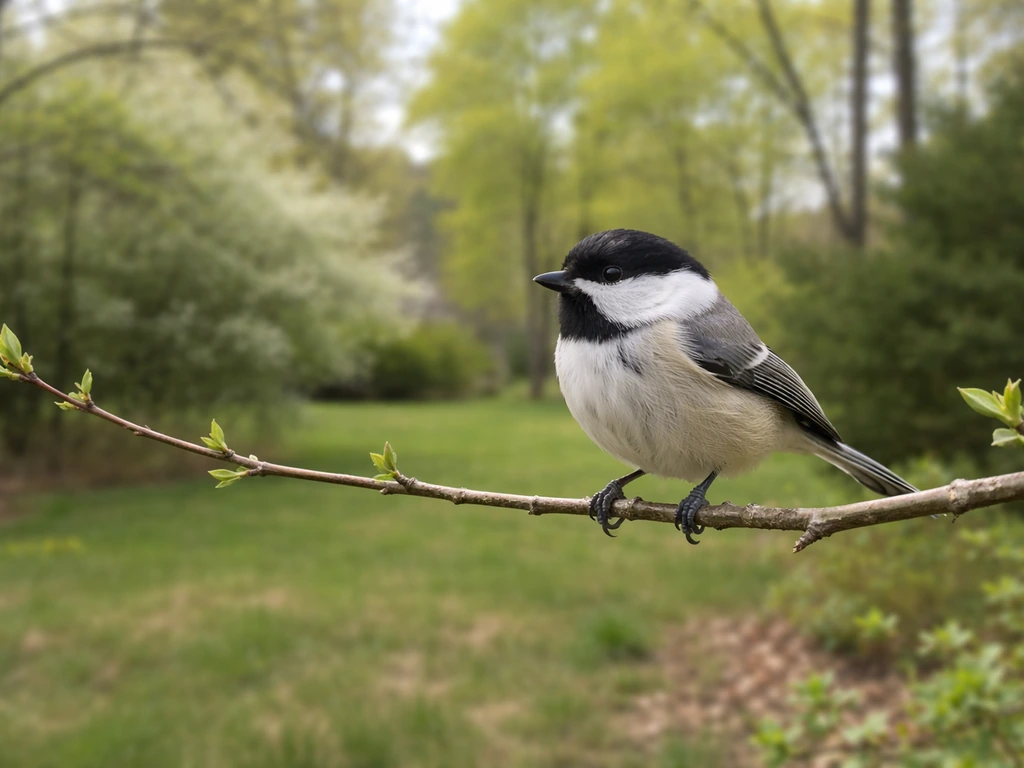
Why Is the Black-Capped Chickadee Massachusetts State Bird?
Learn why Massachusetts chose the black-capped chickadee as its state bird, plus key traits to identify it and where to