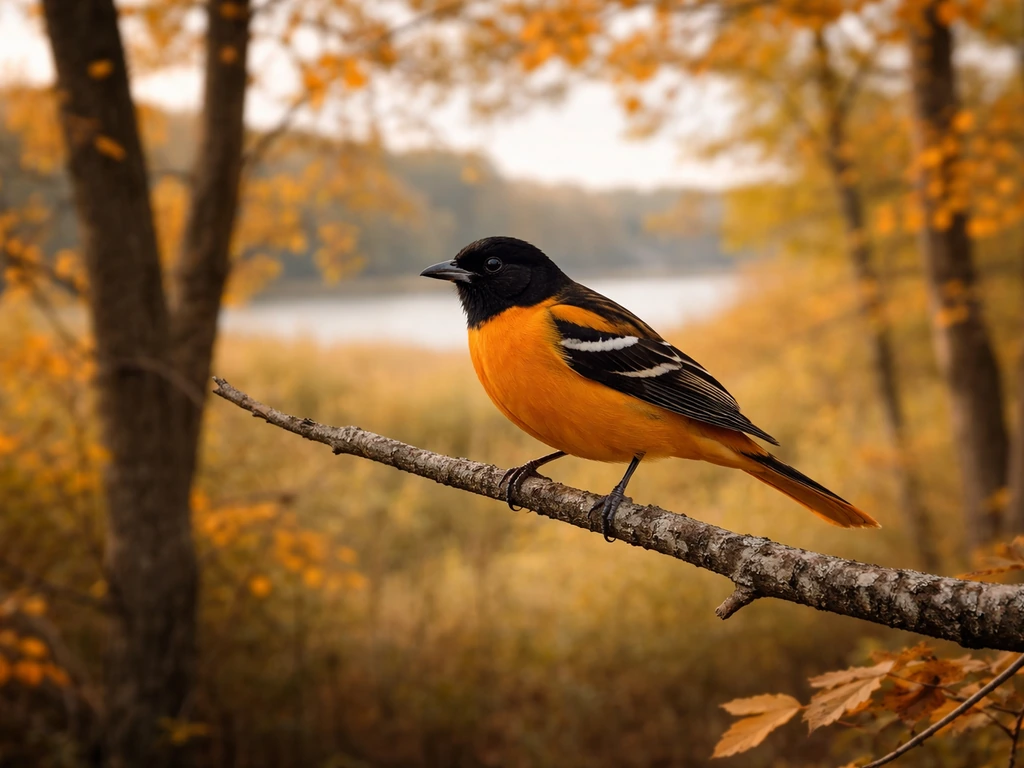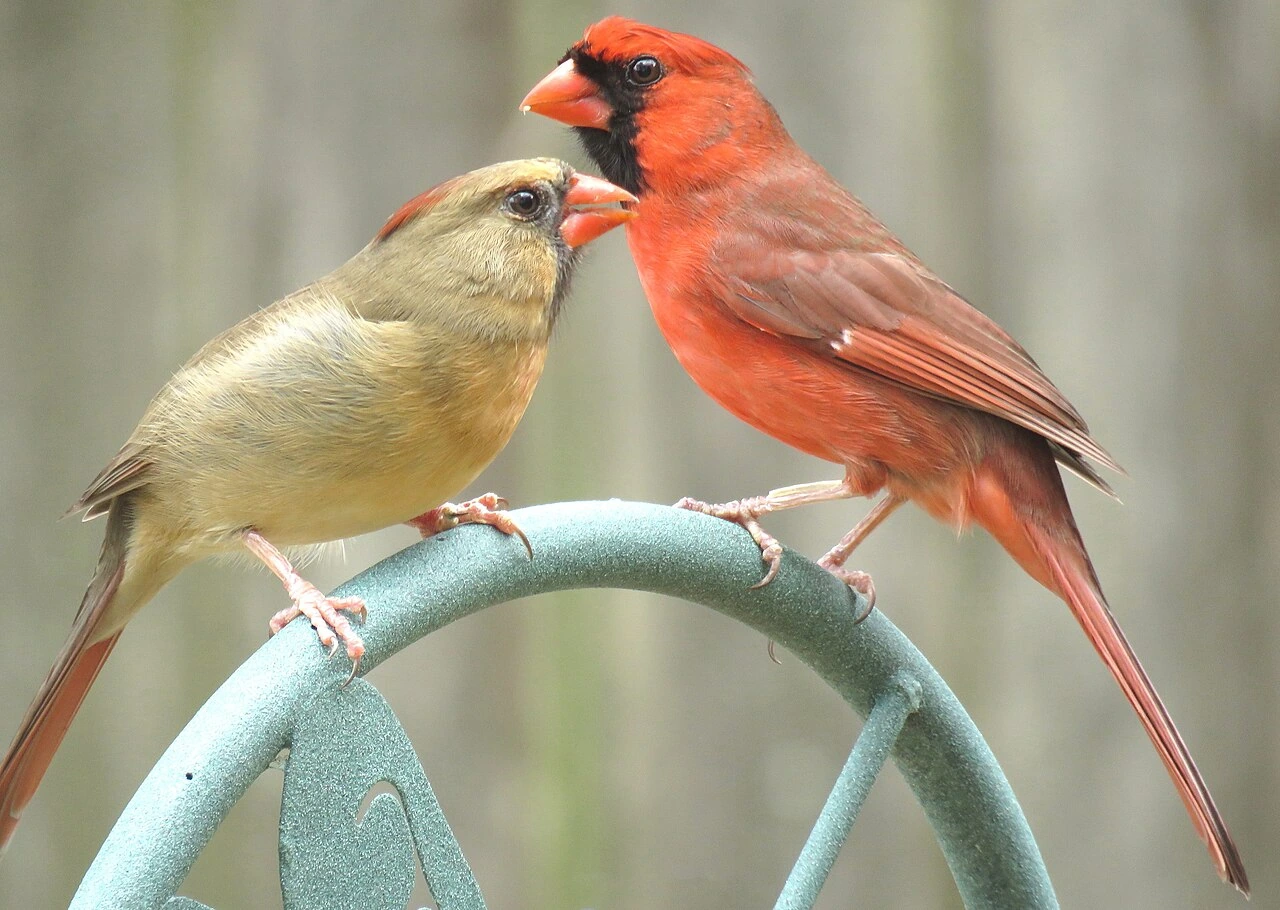
New Jersey's official state bird is the American Goldfinch, designated in 1935 under the name 'Eastern Goldfinch,' which was the common name used at the time. If you are curious how other states picked their birds, you can also look at why the oriole is the state bird of Maryland why is the oriole the state bird of maryland. If you're wondering about West Virginia instead, its state bird is the northern cardinal.
Why Is the American Goldfinch the New Jersey State Bird?

Marcus Webb
1 Jun 2026
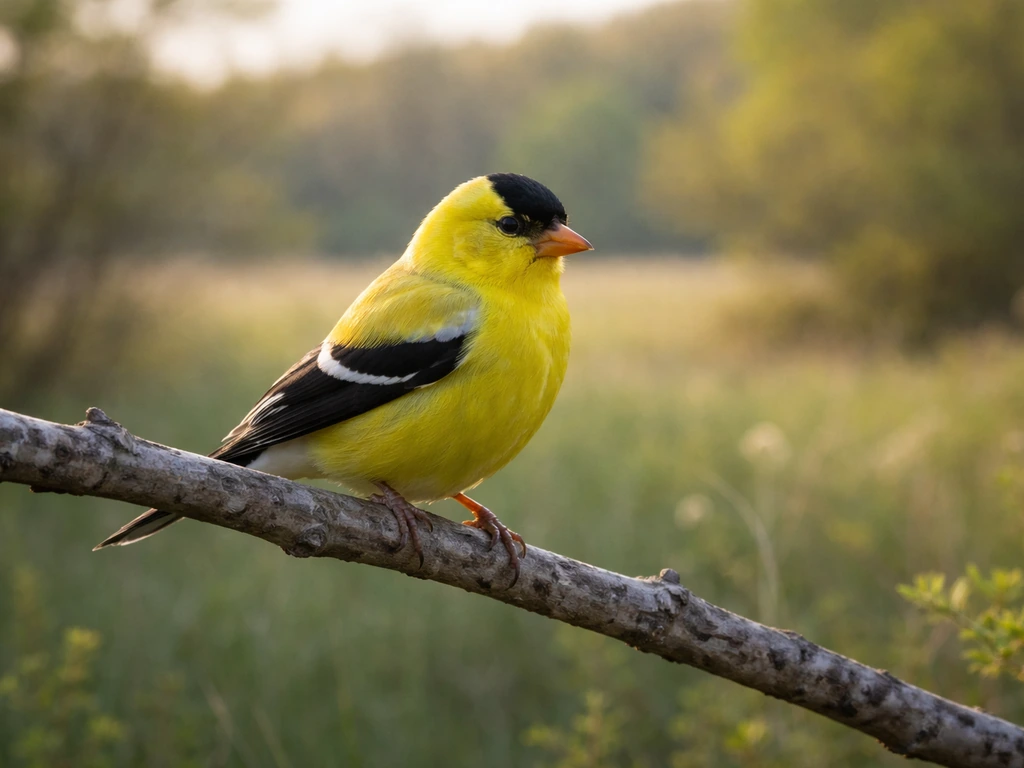
If you're also wondering about Maryland, its state bird is different from New Jersey's New Jersey's official state bird. If you're also wondering what is maryland's state bird, keep in mind Maryland has a different official choice than New Jersey. The bird was chosen largely because of its strong presence in New Jersey's landscape and its existing cultural status as the symbol of the New Jersey Audubon Society. It's a year-round resident, instantly recognizable in its breeding plumage, and well loved by birders and casual backyard observers alike.
What New Jersey officially calls its state bird
New Jersey Revised Statutes § 52:9A-1 names the 'eastern goldfinch' as the state bird. That's the same species you'll find in modern field guides under the name American Goldfinch, scientific name Spinus tristis. The name change happened over decades as ornithologists standardized common names, but the bird is identical. The NJ.gov state symbols page still lists it as the 'Eastern Goldfinch,' reflecting the original statutory language from Chapter 283 of the Laws of 1935.
It's worth being clear on this distinction: the American Goldfinch is not a finch in the same family as the Purple Finch (New Hampshire's state bird) or the House Finch. You can also learn what state bird is the Purple Finch in New Hampshire. If you're also wondering about another state's symbols, you might be asking what is the Virginia state bird American Goldfinch. It belongs to the family Fringillidae but sits in the genus Spinus, making it more closely related to siskins than to the streaky red-and-brown finches people sometimes confuse it with.
The American Goldfinch's natural history in New Jersey
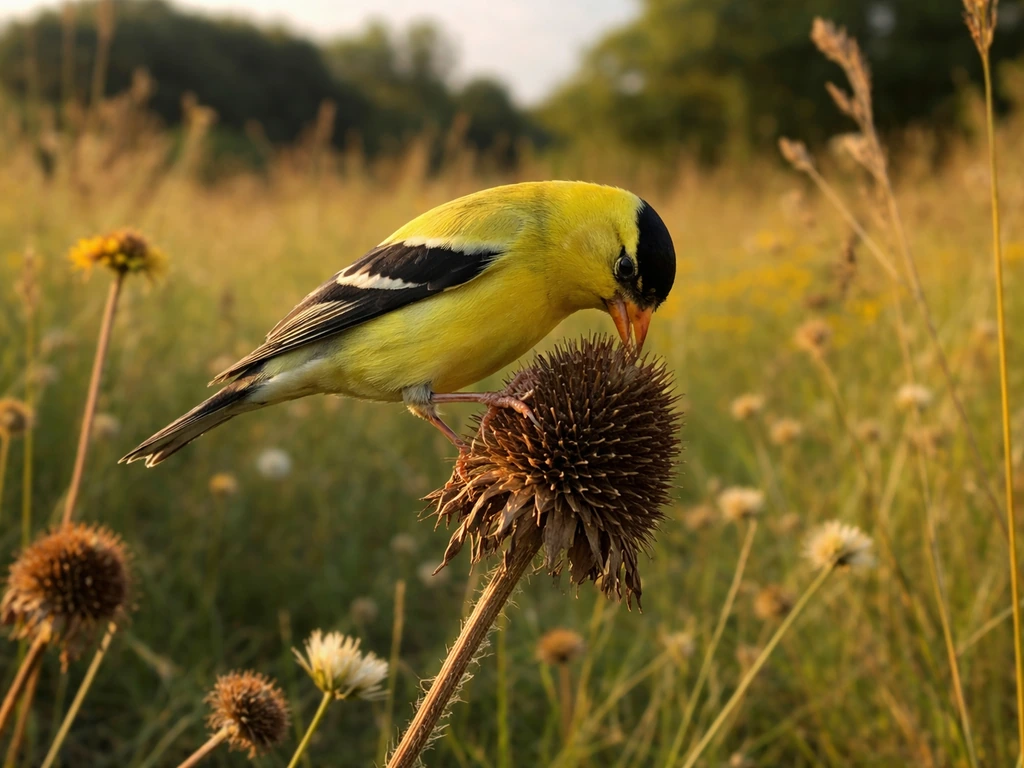
The American Goldfinch is genuinely woven into New Jersey's natural landscape. It's a year-round resident across the state, found in open fields, meadows, roadsides, and suburban backyards wherever weedy plants and thistles grow. New Jersey's mix of agricultural land, suburban green space, and preserved open areas gives the bird plenty of habitat to nest and forage.
One ecological quirk makes the goldfinch unusual among North American songbirds: it breeds late, timing its nesting to coincide with the peak availability of thistle and other composite-flower seeds in mid to late summer. Chicks are fed a regurgitated seed paste rather than insects, which is rare among songbirds. This tight link between the bird and native wildflower seed crops is part of what makes it so visible in New Jersey's weedy fields from July through September.
In winter, flocks of goldfinches are common backyard visitors across New Jersey, drawn to nyjer (thistle) feeders. The NJDEP Fish and Wildlife's backyard habitats program specifically highlights the goldfinch as a species that responds well to native plantings, which creates a direct connection between the bird and New Jersey's conservation community.
Why New Jersey picked this bird: the symbolism and the fit
State bird selections almost always reflect a mix of cultural familiarity and visual appeal, and New Jersey's choice fits that pattern well. The American Goldfinch was already the official symbol of the New Jersey Audubon Society before the state legislature acted in 1935. That prior recognition gave the bird cultural weight and gave legislators a ready-made justification: this was a species the state's conservation community had already elevated as representative of New Jersey's natural heritage.
The bird's visibility helps too. Breeding males in their electric yellow-and-black plumage are impossible to overlook in summer fields. They're frequently seen, easily identified, and broadly appreciated by people who would never call themselves birders. That kind of broad public familiarity is exactly what makes a good state symbol: it means something to people across different backgrounds, not just specialists.
There's also a practical fit with New Jersey's landscape. The Garden State's name reflects its agricultural and horticultural character, and the goldfinch is a bird of open, weedy, seed-rich habitats. A bird that thrives in gardens, meadows, and farmland edges aligns naturally with how New Jersey has historically seen itself.
When and how New Jersey made it official

New Jersey designated the Eastern Goldfinch as its state bird in 1935, through Chapter 283 of the Laws of 1935. This puts New Jersey among the earliest states to formalize a state bird, well ahead of many other states that made similar designations in the 1940s and 1950s. The designation is codified in New Jersey Revised Statutes § 52:9A-1 and remains unchanged today.
The 1935 timing places the designation during the New Deal era, when civic pride in state symbols was a cultural priority across the country. Many states adopted or formalized their symbols during this period. New Jersey's selection drew on the existing Audubon Society connection, which gave the decision a natural-history grounding rather than a purely political one.
How to identify an American Goldfinch in the field
The American Goldfinch looks dramatically different depending on the season, which trips up a lot of new birders. Knowing both plumages is key to recognizing New Jersey's state bird year-round. If you are also comparing other states, you can look up what is the state bird for Vermont and how it differs from New Jersey’s Eastern or American Goldfinch.
Breeding plumage (spring and summer)
- Males: vivid canary yellow body, jet-black cap, black wings with bright white wing bars, white rump and tail spots
- Females: more muted yellow-green overall, no black cap, but still show the white wing bars
- Bill is short, conical, and pinkish-orange during the breeding season
- Flight pattern is distinctly undulating (bounding up and down), accompanied by a per-chik-o-ree call
Non-breeding plumage (fall and winter)
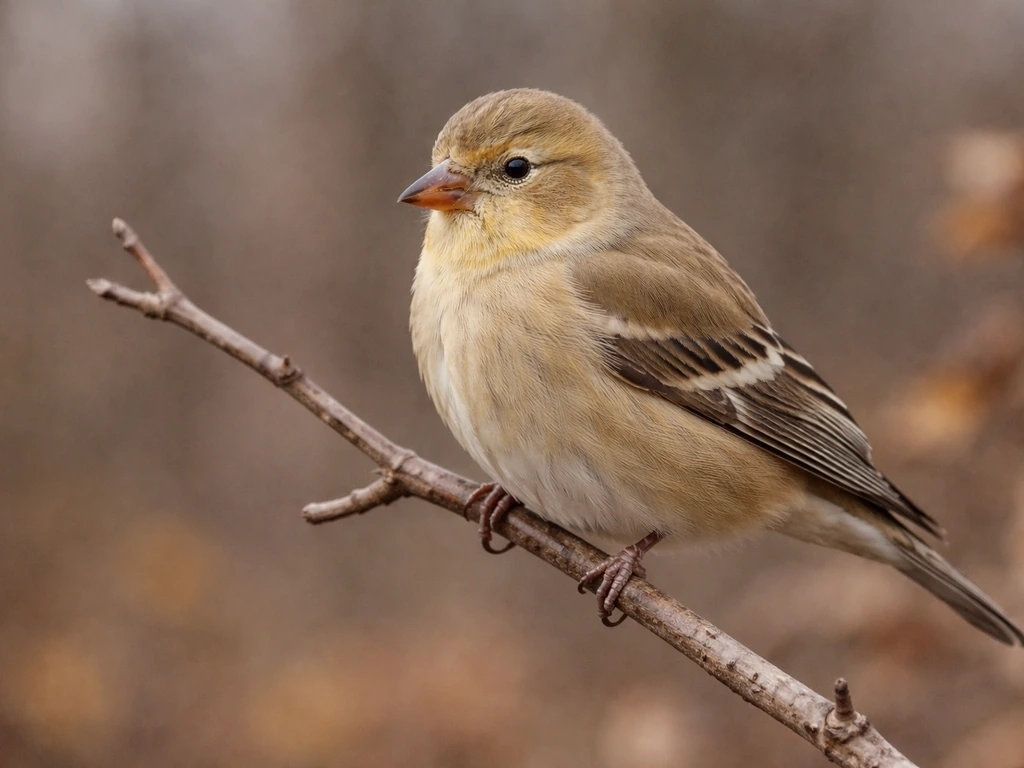
- Males become drab, unstreaked brownish-olive, losing the bright yellow and black cap entirely
- Females look similar to their summer plumage but slightly duller
- Both sexes retain the bold white wing bars and white tail spots year-round, which is the most reliable field mark in winter
- Winter birds can range from yellowish-brown to grayish depending on individual variation
- Bill becomes darker (grayish) in the non-breeding season
The wing bars and the bounding flight with call notes are your most reliable year-round cues. In winter, flocks of goldfinches at feeders are common enough in New Jersey that once you learn the call and the wing pattern, you'll recognize them quickly even in drab plumage.
Which other states share the American Goldfinch as their state bird
New Jersey is one of three states that have officially designated the American Goldfinch as their state bird, though each used a different common name at the time of designation.
| State | Official Statutory Name | Year Designated |
|---|---|---|
| New Jersey | Eastern Goldfinch | 1935 |
| Iowa | Eastern Goldfinch (American Goldfinch) | 1933 |
| Washington | Willow Goldfinch | 1951 |
All three refer to the same species, Spinus tristis. The name differences reflect regional common names that were in use at the time each state made its designation. Iowa actually beat New Jersey to it, adopting the Eastern Goldfinch in 1933. Washington designated the 'Willow Goldfinch' in 1951, codified in RCW 1.
For Washington, the state bird is the Willow Goldfinch. 20. 040. Washington's choice of that regional name is an interesting contrast to New Jersey's 'Eastern Goldfinch,' even though they're picking the same bird.
Wikipedia's list of U. S. state birds also shows Washington using the name “Willow goldfinch (American goldfinch)” with 1951 as the designation year [Washington's choice of that regional name](https://en. wikipedia.
org/wiki/ListofU. S. statebirds). If you're curious about Washington's specific reasoning, the parallels and differences are worth exploring alongside this article.
The fact that three geographically separate states independently selected the same species says something real about the American Goldfinch: it's widespread, visually striking, and culturally resonant enough to stand out in very different regional contexts. New Jersey's eastern meadows, Iowa's midwestern farmland, and Washington's Pacific coast habitats all support healthy goldfinch populations, which is part of why the bird works as a symbol across such different places.
The takeaway on New Jersey's state bird choice
New Jersey chose the American Goldfinch in 1935 because it was already a recognized symbol of the state's conservation community through the New Jersey Audubon Society, it's a year-round resident perfectly suited to the Garden State's open habitats and backyard landscapes, and its breeding plumage is bold and immediately recognizable to anyone who encounters it. The 'Eastern Goldfinch' name in the statute is simply the historical common name for a bird that modern birders know as the American Goldfinch. Whether you spot one in a summer meadow blazing yellow in the sun or in a winter flock at a nyjer feeder looking surprisingly plain, it's the same iconic New Jersey bird.
FAQ
Is the New Jersey state bird called the American Goldfinch or the Eastern Goldfinch?
Yes. In New Jersey the legal name is “Eastern Goldfinch,” but modern field guides and most birding resources use “American Goldfinch” for the same species (Spinus tristis). The species is identical, only the common-name label changed over time.
Is the American Goldfinch actually the same kind of finch as the Purple Finch or House Finch?
The American Goldfinch is in the finch family (Fringillidae), but it is not closely related to the Purple Finch or House Finch in the way people often assume from the word “finch.” A reliable ID tip is the two distinct wing bars, plus the goldfinch’s seed-eater behavior at thistle and other composites.
How can I recognize the goldfinch in New Jersey during winter when it looks so plain?
It can. A summer male in bright breeding plumage is unmistakable, but in winter the birds look much duller, often with a more brownish wash. To stay confident, focus on the wing bars and the typical finch-like flight pattern, and use feeder context (nyjer) as a clue.
If I see a finch at my feeder, how do I know it is a goldfinch and not another species?
Not exactly, even though the bird’s association with backyard feeding is common. If your goal is identification, thistle-type feeders help, but it is the bird’s pattern (wing bars and shape) and call that confirm the species. Also, not every finch feeder flock will be goldfinches, especially in mixed bird communities.
When should I expect to see American Goldfinches nesting in New Jersey?
Start with a known-season expectation. In New Jersey, the breeding cycle tends to run later in the year, so peak “goldfinch activity” for nesting and seed-fed young often shows up from mid to late summer, not spring. That timing matches when thistle and other composite-flower seeds are abundant.
What’s the most common mistake people make when trying to identify New Jersey’s state bird?
If you only learn the bright-yellow breeding look, you might miss them in the off-season. The practical fix is to study both plumages (breeding and nonbreeding) and to train your eye on stable features like wing bars and general body shape rather than color alone.
Was the American Goldfinch chosen mainly because it is rare in New Jersey, or for another reason?
The “why” is partly symbolic and partly ecological. New Jersey leaned on the bird’s preexisting role as an Audubon Society symbol, and also on practical fit, the bird’s year-round presence, and its strong visibility in open habitats and yards. In other words, it was not chosen purely for rarity or uniqueness.
Why do some official or educational sources still use “Eastern Goldfinch” today?
It is possible, but it is not the same as “unofficial.” The statutory name remains codified, so official materials may still show “Eastern Goldfinch.” However, you will generally get the same answer from state resources as long as you interpret the name as a historical label for the same species.
If different states use different names, how do I confirm they are talking about the same species?
It helps to compare “common name timing” across states. Iowa adopted an “Eastern Goldfinch” in 1933, and Washington codified “Willow Goldfinch” in 1951, reflecting regional common names rather than different species. If you are comparing state bird facts, make sure you are matching the species name (Spinus tristis) across sources.
Where in New Jersey are the best places to spot the goldfinch?
Yes. You can use NJ habitat context to your advantage: look in open fields, meadows, roadsides, and suburban areas where weedy plants and seed sources persist. In practice, the easiest sightings often happen where thistles and similar seed plants are common.