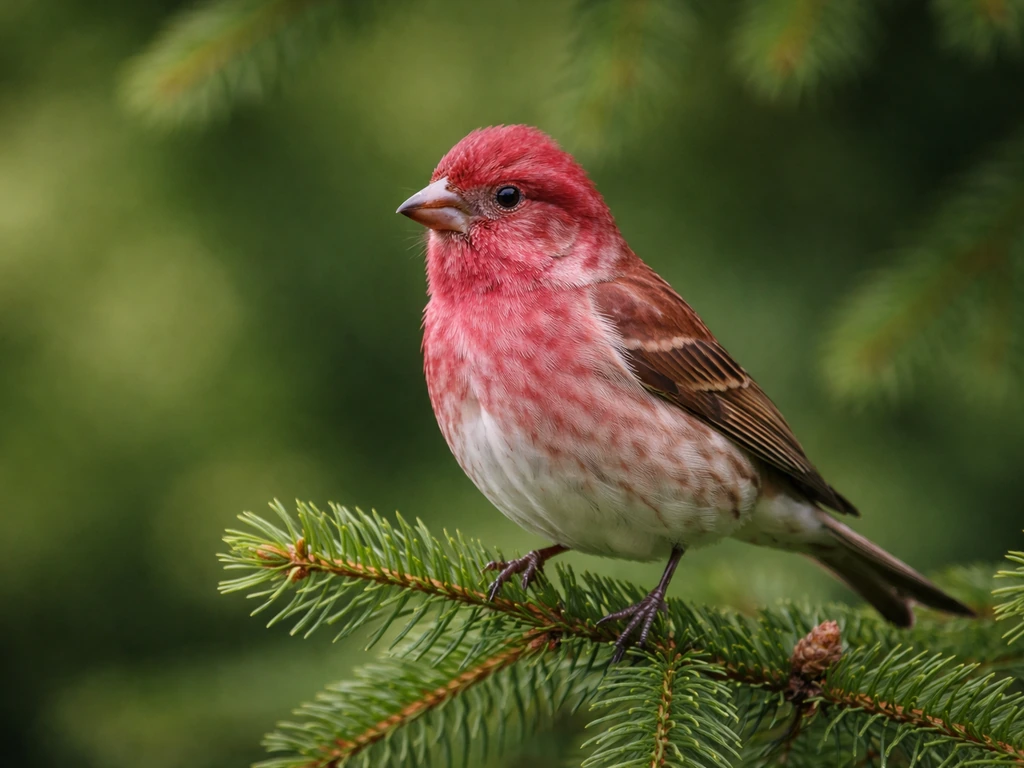
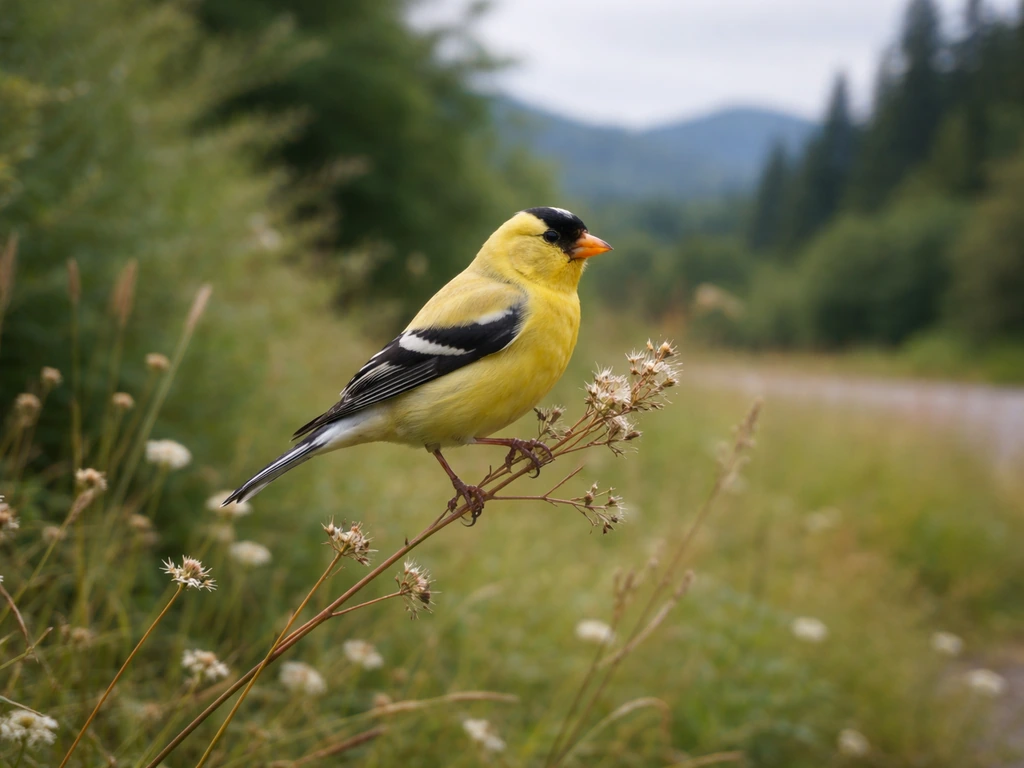
Washington chose the American goldfinch, officially called the "willow goldfinch" in state law, as its state bird because the species is native to Washington, widely recognized across the state, and beloved by residents. The designation became official on March 19, 1951, when Governor Arthur Langlie signed Senate Bill 318 into law, making it one of the later states to lock in an official bird. In some cases, people also ask what state bird is the purple finch, but Washington's official bird is the (willow) goldfinch. The bird's cheerful presence in fields, backyards, and shrubby areas throughout Washington made it a natural and broadly supported choice.
Why Is the American Goldfinch Washington State Bird?

Marcus Webb
8 Jun 2026
How Washington's state bird designation came to be

The road to Washington's official state bird was surprisingly long. The question of which bird should represent the state lingered through multiple legislative sessions before anyone finally pushed it across the finish line. According to the Washington Secretary of State's historical records, early proposals were introduced but stalled, with the House taking no action on at least one Senate bill before the effort finally succeeded. The Washington Secretary of State history page also describes that early proposals, including a Senate bill that the House did not act on at the time, lingered for many years before the final designation took hold stalled proposals including a Senate bill that the House did not act on.
The winning push came in 1951. Senate Bill 318 was introduced on February 15, 1951, specifically to designate the willow goldfinch as the official bird of the state of Washington. The Senate passed it on March 1, 1951, the House followed on March 6, and Governor Langlie signed it on March 19, 1951. That legislation became Chapter 249 of the 1951 session laws, and it's codified today in RCW 1.20.040, the statute that still names the "willow goldfinch" as Washington's state bird.
The official statute title, "AN ACT designating the Willow Goldfinch as the official bird of the state of Washington," reflects the name that was commonly used for the species at the time. Today, ornithologists and birders simply call it the American goldfinch, but both names refer to the same bird: Spinus tristis.
Why the goldfinch fits Washington so well
The American goldfinch is a genuinely good fit for Washington as a state symbol. It's not a rare or regional specialty, it's a bird that residents across the entire state can actually see: in urban backyards, rural farm fields, meadows along the Cascades, and weedy patches east of the mountains. It doesn't require a special birding trip to encounter it, which matters when you're picking something to represent an entire state and its people.
Goldfinches also have a practical, recognizable identity. The males' bright yellow plumage in breeding season is one of the most striking sights in a Washington summer, and the species is common at backyard feeders, especially where nyjer (thistle) seed is offered. That accessibility, the fact that most Washington residents have seen one up close, makes it a symbol people can personally connect with rather than just read about.
Washington's varied landscape, from the wet forests of the western slopes to the dry shrub-steppe of the east, suits goldfinches well. They favor open areas with weedy plants and shrubs, and they nest later in the summer than most songbirds, timing their breeding to coincide with the peak abundance of thistle and other seed-bearing plants. That adaptability across habitat types mirrors Washington's own geographic diversity.
Identifying the American goldfinch in Washington
If you're trying to confirm you're looking at the right bird, here are the key field marks to know.
Males in breeding plumage (spring and summer)
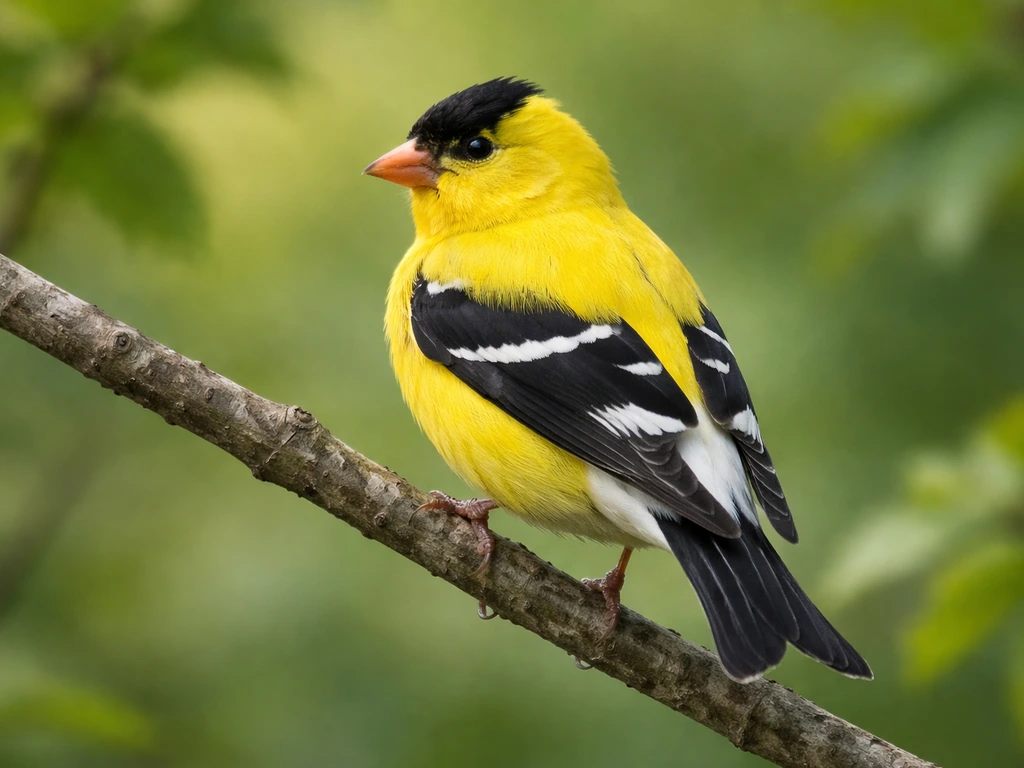
- Brilliant canary-yellow body with a jet-black cap on the forehead
- Black wings with white wing bars
- White rump visible in flight
- Small, conical orange-pink bill
- About 4.5 to 5 inches long, roughly the size of a large sparrow
Females and winter males
- Dull olive-yellow to yellowish-brown overall, lacking the bold black cap
- Still show the white wing bars and white rump
- Bill remains conical and pinkish-orange
- Easily overlooked unless you know what to look for
Flight pattern and call
One of the most reliable ways to identify a goldfinch is its undulating, bouncy flight pattern combined with its call. As it flies, it often gives a "per-chick-o-ree" or "po-ta-to-chip" call, which is distinctive once you've heard it. Males also have a long, rambling song of twitters and trills delivered from a perch.
Where to find them in Washington
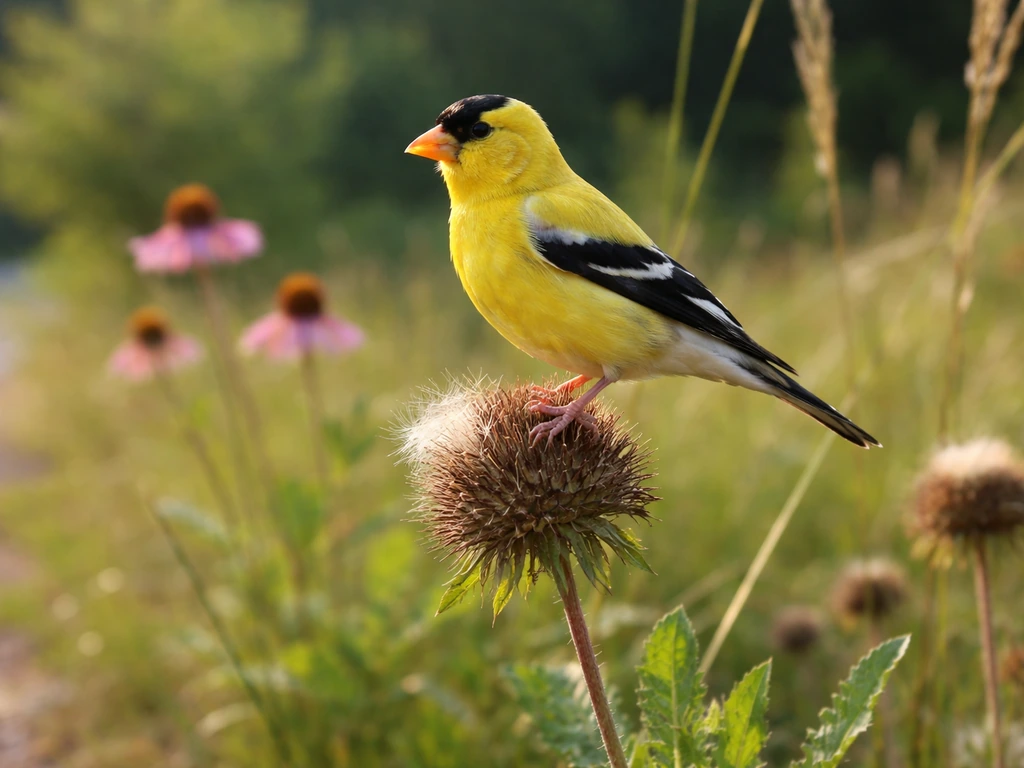
In Washington, look for American goldfinches in weedy fields, roadsides, gardens, and open woodland edges. They're particularly drawn to plants like thistles, coneflowers, and sunflowers. Backyard nyjer feeders are one of the easiest ways to get a close look. They're present year-round in much of the state, though flocks are most visible in late summer and fall when they congregate around seed-heavy plants.
Does any other state share the goldfinch as its state bird?
Washington is not alone in choosing the American goldfinch. Maryland also has its own state bird choice, and the oriole is the species many people associate with that decision Maryland state bird oriole. Vermont's state bird is the American robin. West Virginia's state bird is the cardinal (Northern Cardinal). Three states in total have designated the American goldfinch as their official state bird, making it one of the more shared state birds in the country. If you are comparing other states, you might also be wondering what is the Virginia state bird. Here's how Washington's choice compares to the others.
| State | Official Name Used | Year Designated |
|---|---|---|
| Washington | Willow Goldfinch | 1951 |
| New Jersey | Eastern Goldfinch (American Goldfinch) | 1935 |
| Iowa | Eastern Goldfinch (American Goldfinch) | 1933 |
New Jersey and Iowa both adopted the goldfinch earlier than Washington did, and all three states use different colloquial names for the exact same species. Iowa and New Jersey went with "Eastern Goldfinch," while Washington went with "Willow Goldfinch," reflecting older regional naming conventions. The underlying bird is identical in all three cases: Spinus tristis. If you're curious about why New Jersey made the same call, the reasoning there involved similar themes of statewide familiarity and the bird's bright, recognizable appearance, something worth exploring alongside Washington's story. New Jersey uses the same species as its state bird, which is often why people ask about why the American goldfinch is New Jersey's state bird why the American goldfinch is New Jersey state bird.
For comparison, other nearby states made different calls entirely. Washington's neighbors did not follow suit. The choice of the goldfinch puts Washington in a small club of states that recognized the same species as symbolic, which makes it an interesting data point if you're mapping out state bird patterns across the country.
How to verify Washington's state bird officially
If you want to confirm this directly from official sources, the fastest route is to look up RCW 1. If you want to find out what Maryland’s state bird is, check Maryland’s official state government resources or state bird list look up RCW 1. 20.040 on the Washington State Legislature's website (leg.wa.gov). The statute is short and to the point, naming the willow goldfinch as the state bird with a citation back to 1951 Chapter 249. The Washington Secretary of State's website also has historical background articles titled "The Tale of the Washington State Bird" that go into the legislative history in more detail, which is worth reading if you want the full story behind how the designation almost didn't happen.
FAQ
Is the “willow goldfinch” and the “American goldfinch” the same bird in Washington?
Yes. In Washington law it is titled the “willow goldfinch,” but today the same bird is commonly referred to as the American goldfinch (Spinus tristis). The two names point to the same species, so you do not need to treat them as different birds when confirming the state bird.
How can I be sure I am seeing the American goldfinch, not another finch?
The easiest confirmation for a “right bird” question is pairing behavior with food cues. American goldfinches typically show bouncy flight and give their thin, chip-like calls, and you will often find them at weedy edges or on thistle and sunflower seed plants (or at nyjer feeders).
What kind of feeder or food actually attracts American goldfinches in Washington?
Nyjer (thistle) feeders work best for attracting American goldfinches because the species is strongly associated with seed-bearing plants. If your feeder is filled but you never see goldfinches, check that the feeder is near open cover (shrubs or weedy edges) and that local seed availability is high, since flocks are most noticeable in late summer and fall.
When are American goldfinches most likely to be seen in Washington?
While goldfinches are present much of the year in many parts of the state, they are easiest to see in late summer and fall when they gather in seed-focused areas. In spring and early summer, you may hear more than you see, since they nest later than many other songbirds.
Do American goldfinches live across all of Washington, or only certain regions?
The bird is not a rare, habitat-limited specialty. Washington’s American goldfinch symbol is usable across many landscapes, from backyard gardens to open woodland edges and roadside weedy patches, but you are still most likely to spot them where seed plants and shrubs provide both food and cover.
If it’s the same species as other states, why does Washington use the name “willow goldfinch”?
If you are comparing with New Jersey or Iowa, be aware that those states also designated the same species (Spinus tristis) but use different common names. The “why” is similar in theme (familiarity and recognizability), but the label differs because of older regional naming conventions.
Can American goldfinches look different outside breeding season, and does that make them harder to identify?
If you only know it from a Washington feeder, your local sightings may skew toward flocks and bright yellow males in breeding season. Outside that window, females and nonbreeding birds can appear more muted, so rely on overall shape, bouncy flight, and calls rather than color alone.
Where can I confirm the official RCW language for Washington’s state bird?
For official wording, the governing source is RCW 1.20.040, which codifies the 1951 designation and retains the “willow goldfinch” phrasing. If you are doing research for a school project or verification, cite that RCW section rather than relying on secondary summaries.
Next Article
What State Bird Is the Purple Finch? Answer, ID, and Habitat
Find which state chose the Purple Finch, with ID tips, male vs female traits, habitat, and look-alike confusion help.